Best Journalist Memoir Books
Journalism memoirs that actually change how you read the news: Katharine Graham’s Personal history, Janet Malcolm’s The journalist and the murderer, and David Carr’s The night of the gun shift reporting from craft to moral stakes.
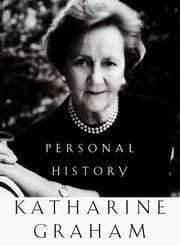
Personal history
Katharine Graham
Personal history turns press power into a lived, private education in risk, responsibility, and decision-making under pressure.
Press freedom is exercised through daily institutional choices.
Graham writes from the inside of an institution, with clarity about how editors, owners, and journalists collide when the stakes rise. For journalism memoir readers, it offers the missing “how” behind iconic coverage: governance, consequences, and restraint.
The journalist and the murderer
Janet Malcolm
The journalist and the murderer makes the act of reporting feel like evidence handling, where trust can curdle into spectacle.
When you report, you also interpret and expose.
Malcolm takes journalism’s moral problem seriously: when reporting enters a subject’s life, what obligations do you owe, and what damage can you cause? It fits journalism memoir readers who want the craft examined as ethics, not just storytelling.
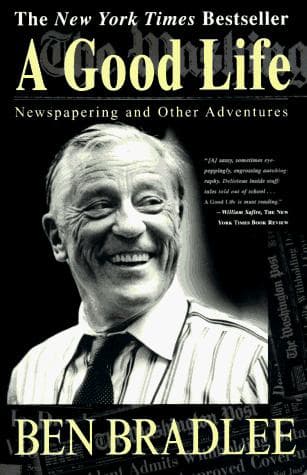
A Good Life
Ben Bradlee, Jr.
A Good Life argues that good journalism is less about genius than about systems, persistence, and protecting imperfect people from their worst instincts.
Stewardship outlasts any single scoop.
Bradlee brings the Washington Post executive editor’s viewpoint into daily decisions and long arcs, including how institutions survive scandals and pressures. For journalism memoir readers, it connects personal ambition to stewardship of a public forum.
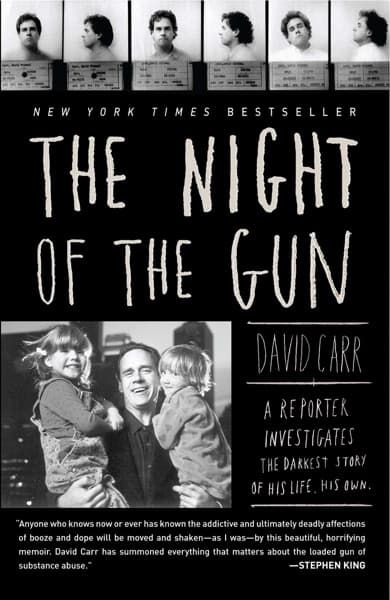
The night of the gun
David Carr
The night of the gun turns the journalist’s life into a reporting problem, where craft meets addiction and the same discipline used for stories becomes a survival tool.
Self-reporting is still reporting: you choose what to face.
Carr’s memoir has the texture of fieldwork on his own mind and body, grounded in the habits journalists use when facts do not behave. For journalism memoir readers, it reframes “reporting yourself” as an ethical and emotional practice, not a gimmick.
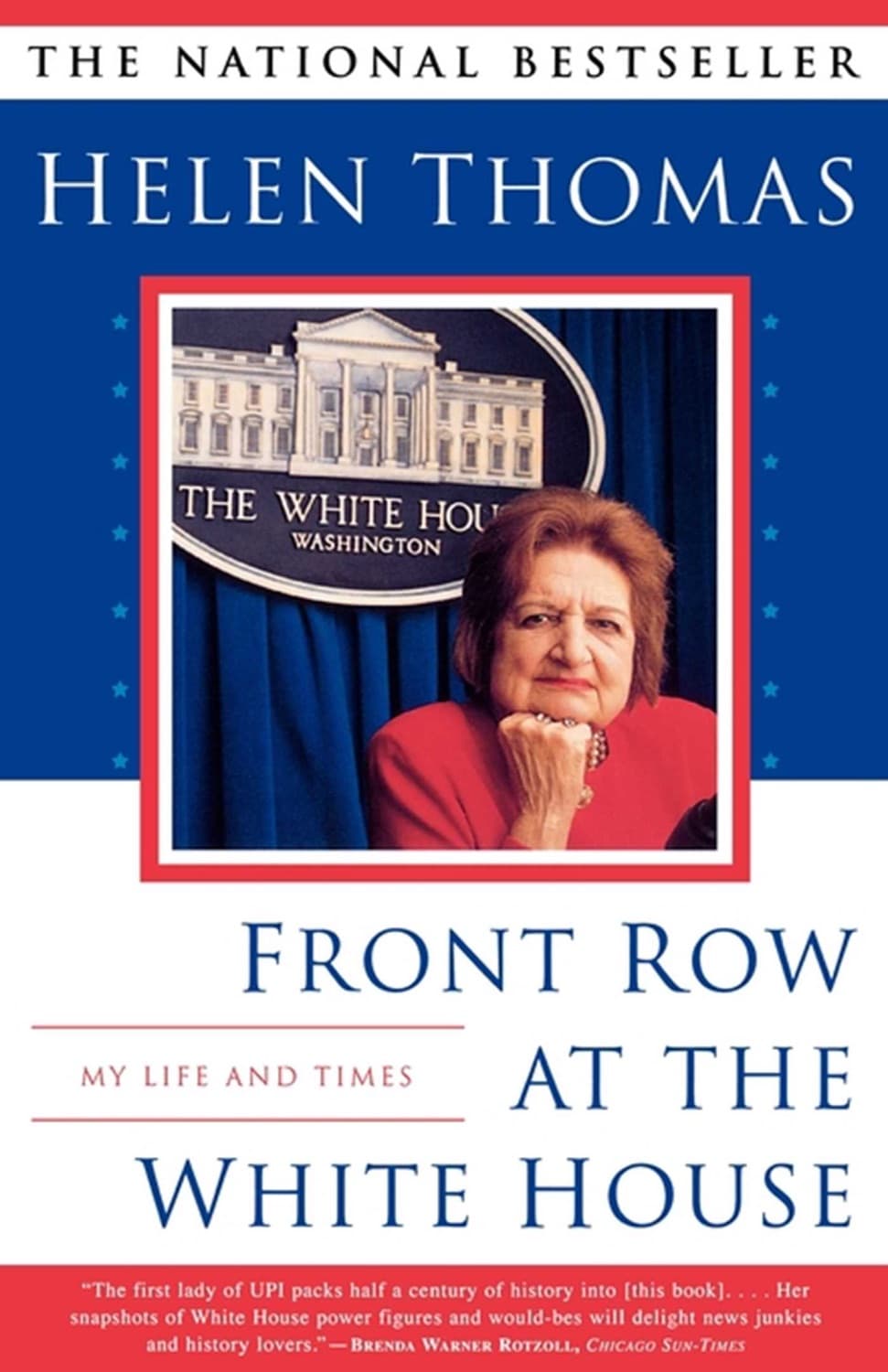
Front Row at the White House
Helen Thomas
Front Row at the White House makes proximity to power feel like a test of patience, accuracy, and courage under performative pressure.
Accuracy beats access in the long run.
Thomas offers the correspondent’s daily labor: reading cues, insisting on clarity, and navigating officials who manage information as theater. If you want journalism memoirs that show how trust is earned in high-stakes rooms, this delivers.
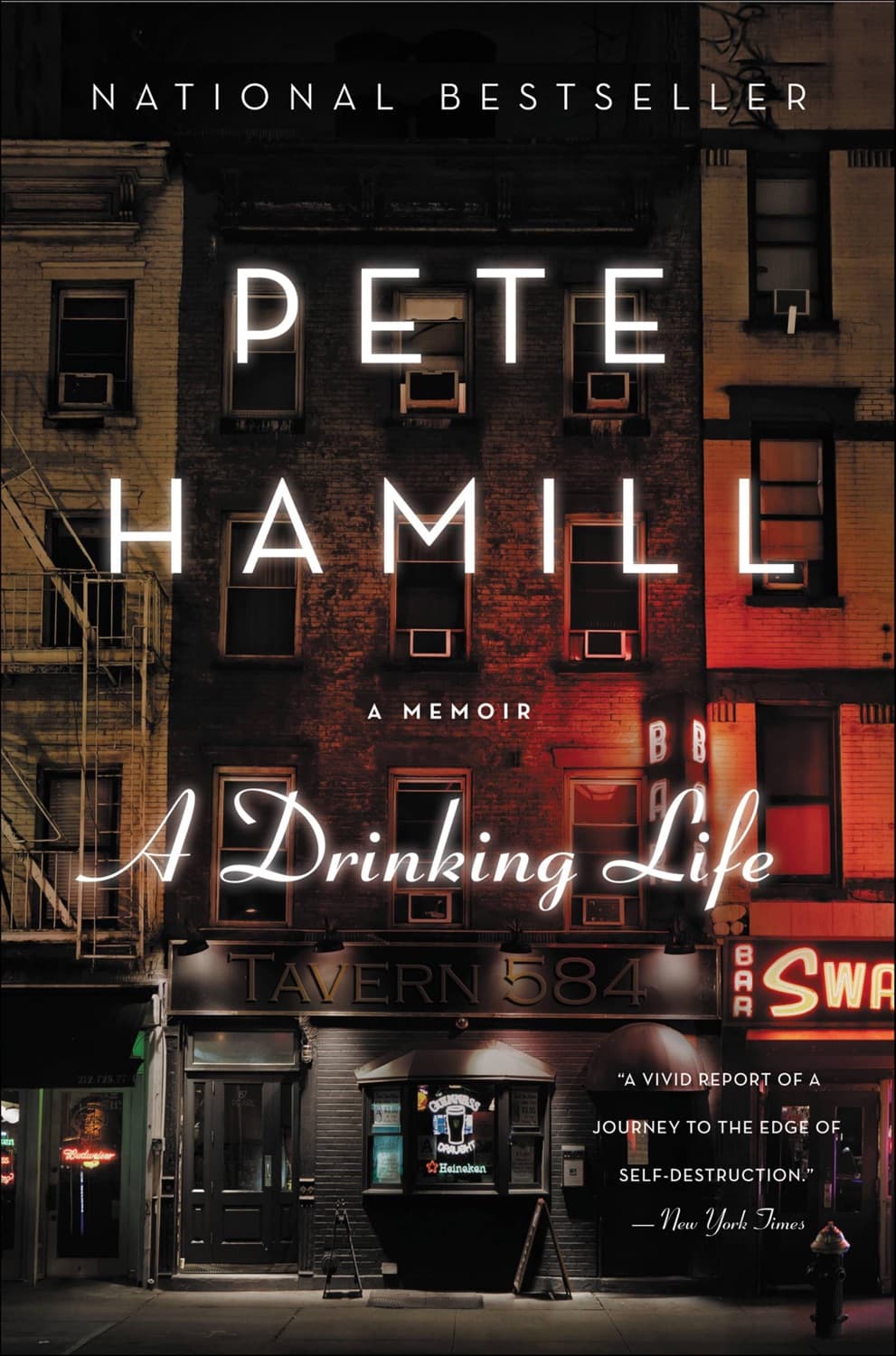
A drinking life
Pete Hamill
A drinking life shows newsroom life through the lens of class and longing, where the bottle and the deadline both demand honesty.
Craft grows from the life you refuse to romanticize.
Hamill’s memoir blends craft, social mobility, and the emotional weather behind reporting. For journalism memoir readers, it connects writing to lived conditions, making the work feel less like a job and more like a way of seeing.
When you report, you also interpret and expose.
Front Row at the Trump Show
Jonathan Karl
Front Row at the Trump Show makes modern political journalism feel like triage: verify, contextualize, and keep your standards steady when spectacle is constant.
Context is the antidote to manufactured urgency.
Karl’s account brings a veteran correspondent’s habits to the era of rapid-fire claims and strategic distractions. For memoir readers, it emphasizes process and calibration: how a reporter stays credible when the environment punishes patience.
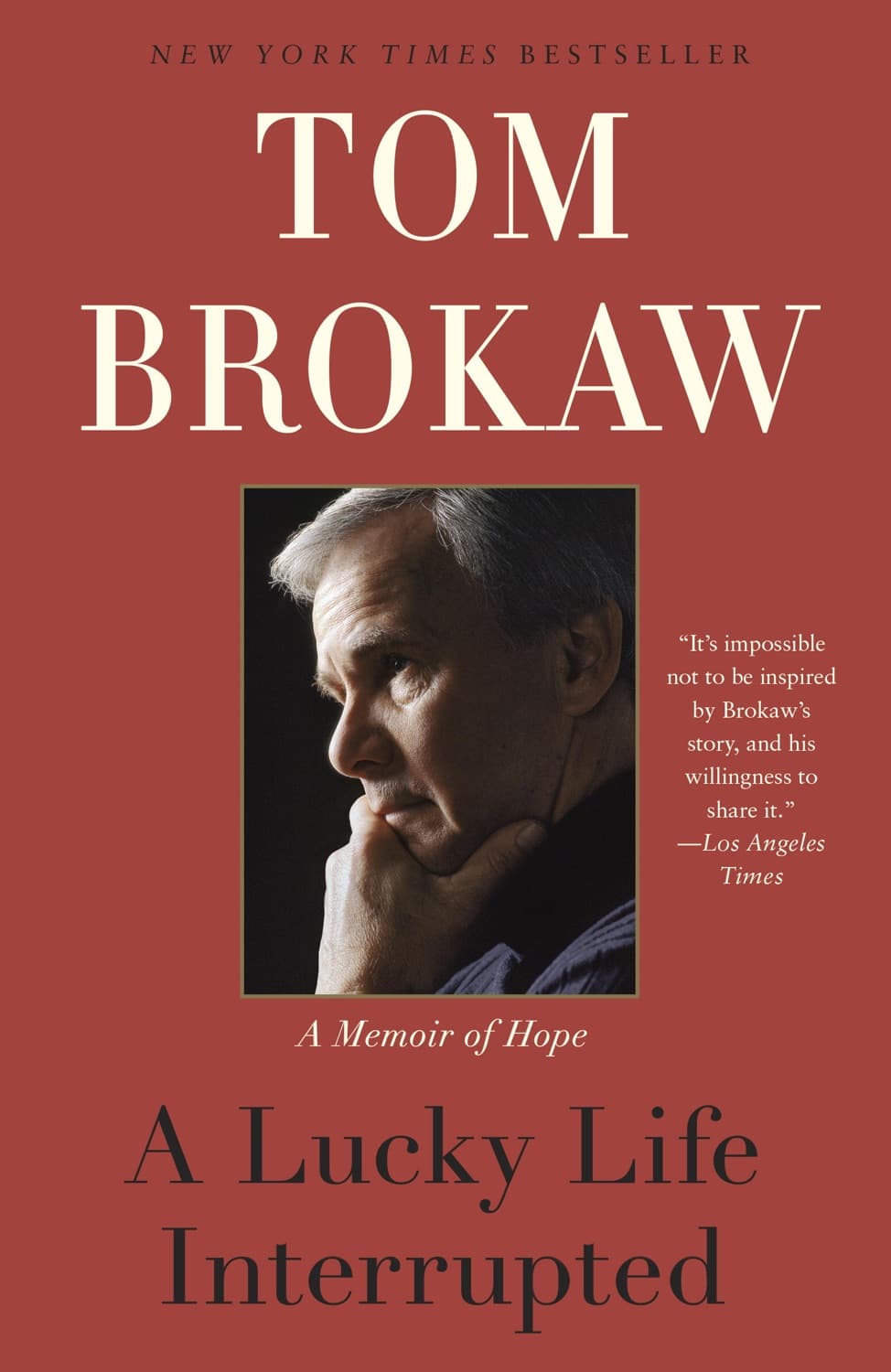
A lucky life interrupted
Tom Brokaw
A lucky life interrupted treats broadcast journalism as a vocation, then tests that identity with the grief, resilience, and memory work that follows.
A public career meets a private life, and both shape the next story.
Brokaw’s memoir is grounded in the human side of reporting: the long relationships with events and people, and the private cost of being a public witness. For journalism memoir readers, it offers a calmer, reflective counterpoint to newsroom adrenaline, centered on meaning after the headlines.
Can we tailor this list for you?
Type your question in the bar below and the AI will tailor a fresh set of picks just for you.