Best Books for Aspiring Journalists
Journalism craft books for aspiring journalists: Zinsser’s On Writing Well sharpens clarity, while The Elements of Journalism gives you a verification-and-purpose backbone.
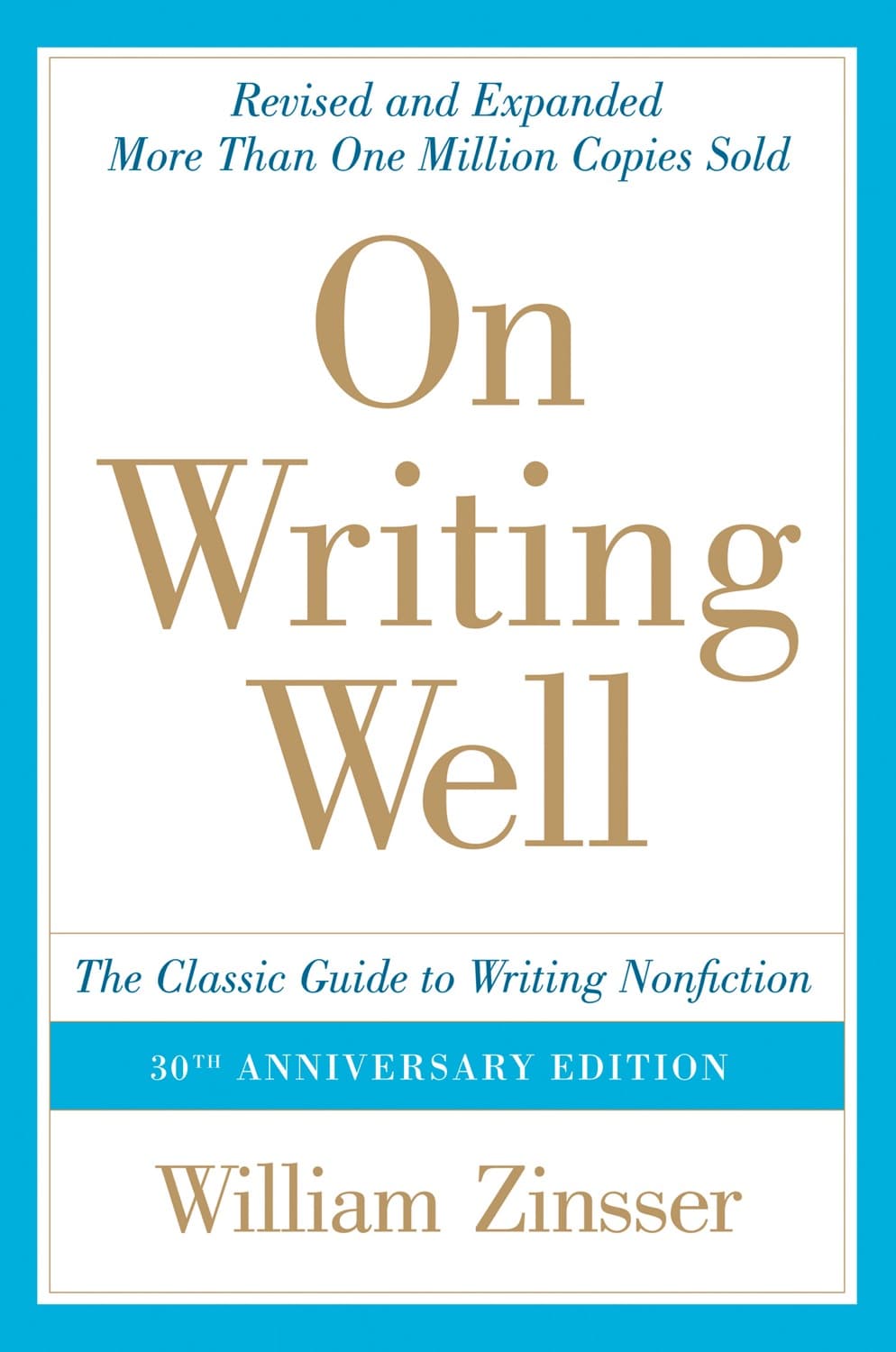
On Writing Well
William Zinsser
Zinsser turns newsroom habits into plain-language instincts: fewer qualifiers, tighter verbs, and sentences that do the work.
Cut what doesn’t add meaning
It doesn’t just tell you to write clearly; it teaches how to notice muddiness as you draft. That matters for aspiring journalists because clean nonfiction is how accuracy gains authority and readers trust your reporting.
The Elements of Journalism
Bill Kovach, Tom Rosenstiel
It defines journalism by its public purpose: verify first, interpret with discipline, and stay accountable to citizens.
Truth is the foundation
This book gives you a compass when stories get noisy: verification, independence, and what journalists owe the public. For an aspiring journalist, it becomes a filter for sourcing choices and editorial pressure, not just an ethics lecture.
Writing Tools
Roy Peter Clark
Writing Tools gives you a working toolkit of moves you can apply to reporting, drafts, and revisions without losing your facts.
Use leads that promise what follows
Clark focuses on technique: how to structure details, strengthen leads, and shape voice while keeping nonfiction honest. It helps aspiring journalists translate raw reporting into readable narratives without turning analysis into invention.
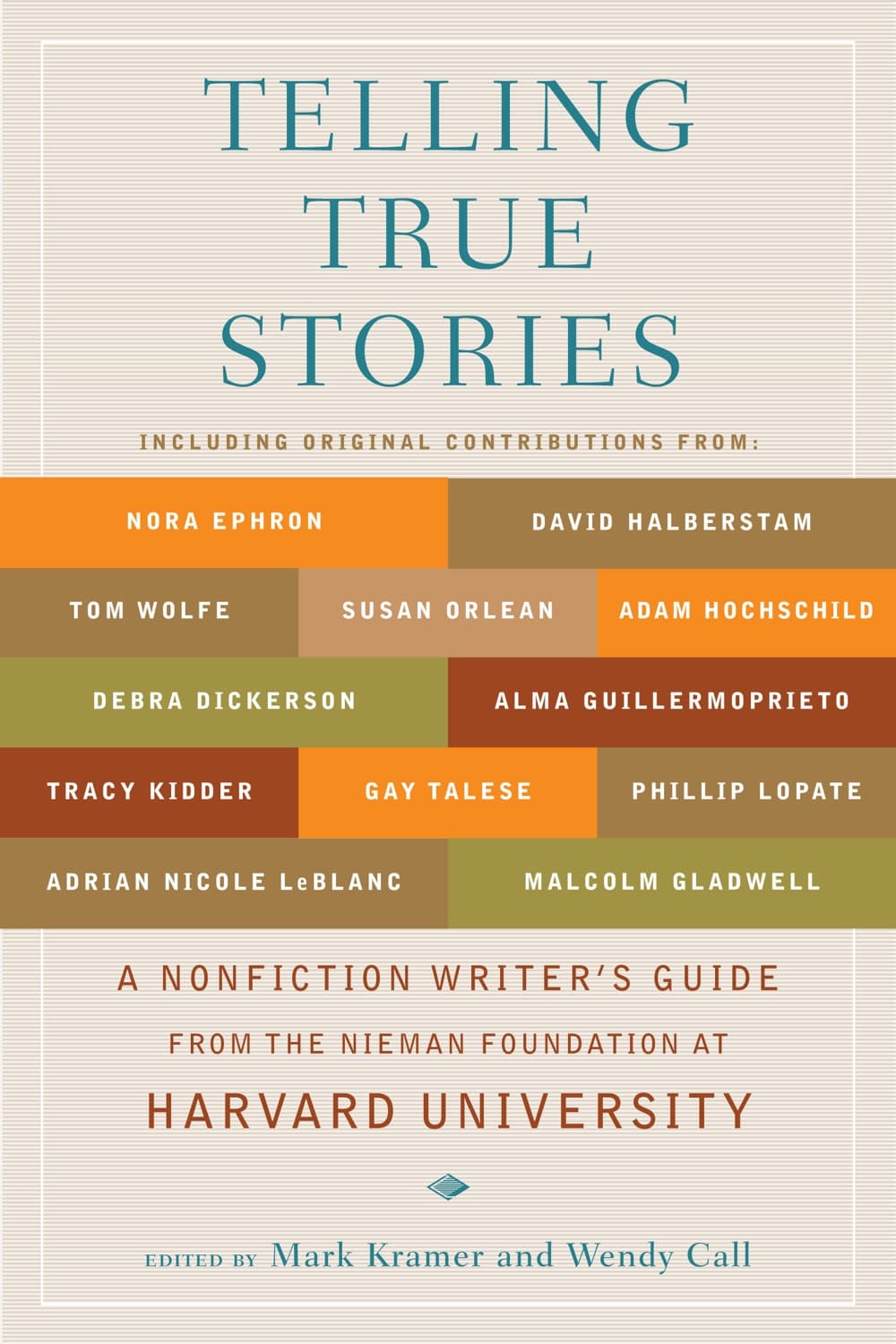
Telling true stories
Kramer, Mark
This anthology makes narrative journalism feel teachable: craft comes from technique, not charisma.
Scene is a truth instrument
It shows how master practitioners build scenes, use perspective, and handle truth inside story form. Aspiring journalists benefit because it links storytelling choices directly back to accuracy and lived detail.
The New New Journalism
Robert Boynton
Boynton gathers top reporters’ reflections on reporting and immersion, revealing how narrative craft grows out of labor, not style.
Process creates perspective
Instead of treating storytelling as decoration, it shows process: how interviews become structure and reporting decisions become meaning. That’s exactly the transformation aspiring journalists need: from writing ambition to reporting craft.
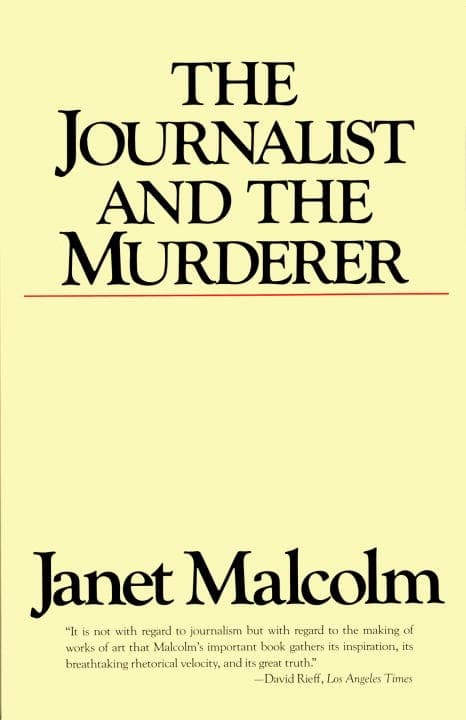
The journalist and the murderer
Janet Malcolm
Malcolm turns a real case into a meditation on the moral tightrope of interviewing and publishing.
Questions change the subject and the reporter
This sharp, unsettling work forces you to think about consent, motive, and how subjects and journalists shape each other. For aspiring journalists, it’s a reality check that ethics is not a footnote but the story’s invisible engine.
Truth is the foundation
Investigative Reporter's Handbook
Brant Houston, Investigative Reporters & Eds.
It turns investigation into a workflow: records, sourcing, documentation, and verification treated as steps, not vibes.
Always document your proof trail
If you want to do reporting beyond press releases, this gives practical methods for building evidence and managing risk. Aspiring journalists benefit most when they’re learning how to keep claims anchored to documents and corroboration.
The News About the News
Leonard Downie, Jr., Robert G. Kaiser
It explains why news looks the way it does: institutional incentives, editorial routines, and newsroom constraints shape every story.
Institutions shape narratives
Knowing the system helps aspiring journalists place their work in context, anticipate pressures, and understand what can warp coverage. This isn’t craft alone; it’s professional literacy for anyone trying to report with their eyes open.
Can we tailor this list for you?
Type your question in the bar below and the AI will tailor a fresh set of picks just for you.