Best Microhistory and Single-Object History Books
Microhistory takes a single object, commodity, or moment and follows its thread until it explains the whole world. These books prove that salt, a color, a fish, or one volcanic eruption can carry the history of empires, science, and trade. Each turns something small enough to overlook into a lens on everything around it.
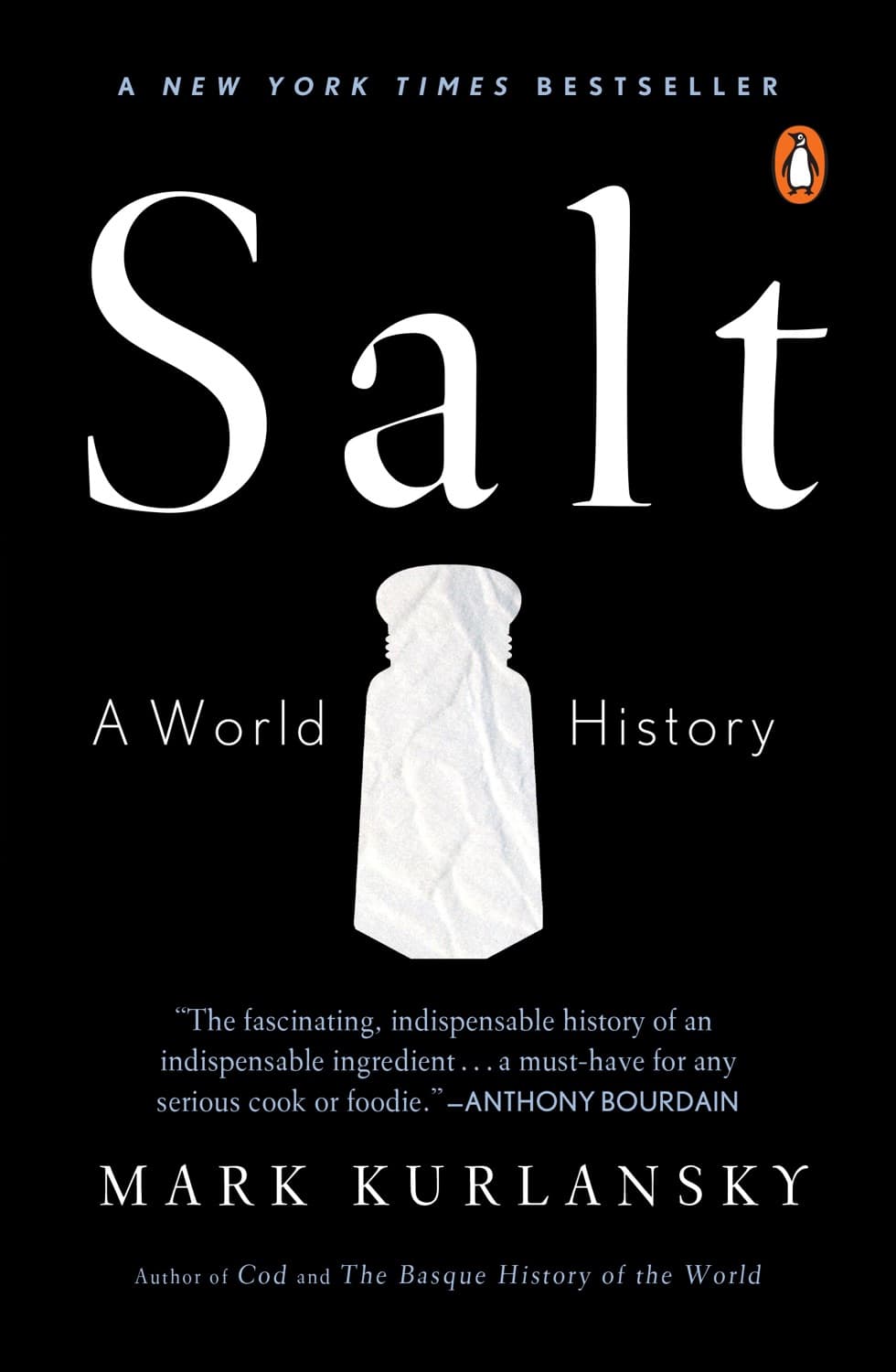
Salt
Mark Kurlansky
The mineral that built empires, funded wars, and mapped trade routes.
Before refrigeration, control of salt was control of survival, which is why governments taxed and fought over it for millennia.
Kurlansky follows salt across civilizations to show how a single seasoning shaped economies, provoked revolutions, and preserved the food that let cities grow, effectively defining the single-commodity microhistory that others now imitate.
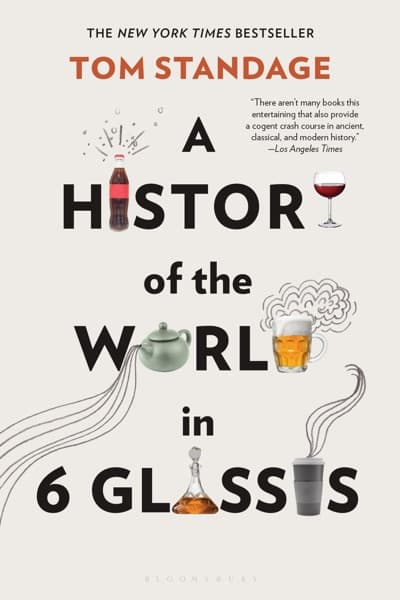
A History of the World in 6 Glasses
Tom Standage
Humanity told through beer, wine, spirits, coffee, tea, and cola.
Coffeehouses were the internet of the Enlightenment, where ideas exchanged over a new drink reshaped politics and science.
Standage assigns each era its defining drink and traces how that beverage drove trade, colonization, and revolution, giving newcomers the cleanest demonstration of how the microhistory lens actually works across time.
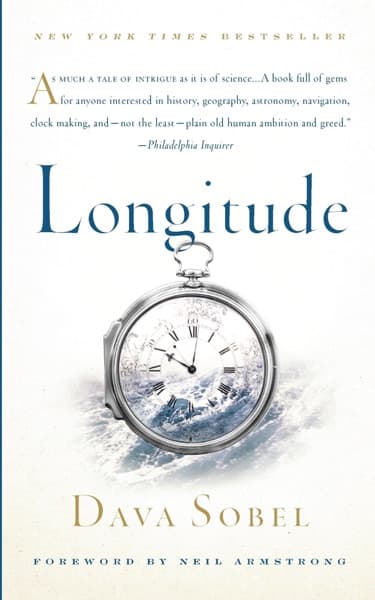
Longitude
Dava Sobel
The clockmaker who solved the deadliest problem in navigation.
The solution was not astronomy but engineering: a clock accurate enough to keep home time on a rolling ship for months.
Sobel turns the search for a way to measure longitude at sea into a gripping account of John Harrison's marine chronometer, showing how one instrument and one stubborn inventor rewrote the safety of global travel.
The Botany of Desire
Michael Pollan
Four plants, and the human desires they quietly domesticated.
The plants may have domesticated us as much as we domesticated them, exploiting our cravings for sweetness, beauty, and intoxication.
Pollan flips the usual story by asking how the apple, tulip, cannabis, and potato used human wants to spread themselves, turning a book about gardening into a meditation on coevolution and who is really in control.
The Disappearing Spoon
Sam Kean
The periodic table retold as a cabinet of human obsession and folly.
Gallium melts at body heat, so a spoon cast from it vanishes in hot tea, the prank that gives the book its name.
Kean walks element by element through the tales behind each square of the periodic table, weaving chemistry into stories of poison, money, war, and scientific rivalry that make the chart feel alive rather than memorized.
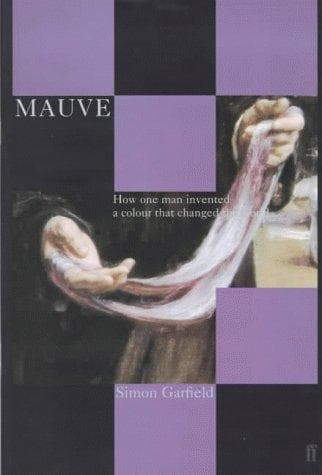
Mauve
Simon Garfield
How an accidental purple dye launched the modern chemical industry.
The search for artificial quinine failed, but the purple sludge left behind seeded synthetic chemistry and modern pharmaceuticals.
Garfield tells how eighteen-year-old William Perkin, hunting for a malaria cure, stumbled onto the first synthetic dye and founded an industry, showing that a single color transformed fashion, chemistry, and even medicine.
Coffeehouses were the internet of the Enlightenment, where ideas exchanged over a new drink reshaped politics and science.
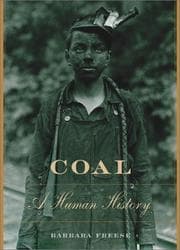
Coal
Barbara Freese
How a black rock powered the modern world and warmed its climate.
The soot of early industrial cities grew so thick that London's coal smogs killed thousands, a preview of the true cost of cheap energy.
Freese traces coal from Roman Britain through industrial England to modern China, showing how one fuel drove the Industrial Revolution, built and broke empires, and set in motion the climate crisis we now confront.
The Pencil
Henry Petroski
The humble pencil as a masterclass in engineering and industry.
Graphite was long mistaken for a kind of lead, which is why we still call the pencil's carbon core its lead.
Petroski uses the pencil to explore how everyday objects are designed, manufactured, and improved, turning a tool most people never think about into a window on the whole discipline of engineering and mass production.
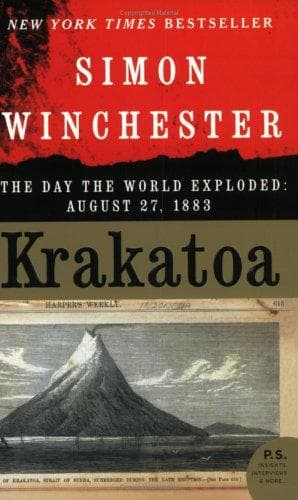
Krakatoa
Simon Winchester
The 1883 eruption that was heard around the planet.
The blast was heard nearly 3,000 miles away, and its dust reddened sunsets around the world for years afterward.
Winchester zooms into a single volcanic explosion to explain plate tectonics, colonial Indonesia, and the birth of global news, showing how one catastrophic day rippled through science, politics, and the atmosphere itself.
Can we tailor this list for you?
Type your question in the bar below and the AI will tailor a fresh set of picks just for you.