Best Books on Incident Response for CISOs
Incident Response for CISOs needs more than checklists: The Practice of Network Security Monitoring (Richard Bejtlich) and Incident Response & Computer Forensics (Jason T. Luttgens, Matthew Pepe) turn SOC activity into executive-grade decisions and accountable response.
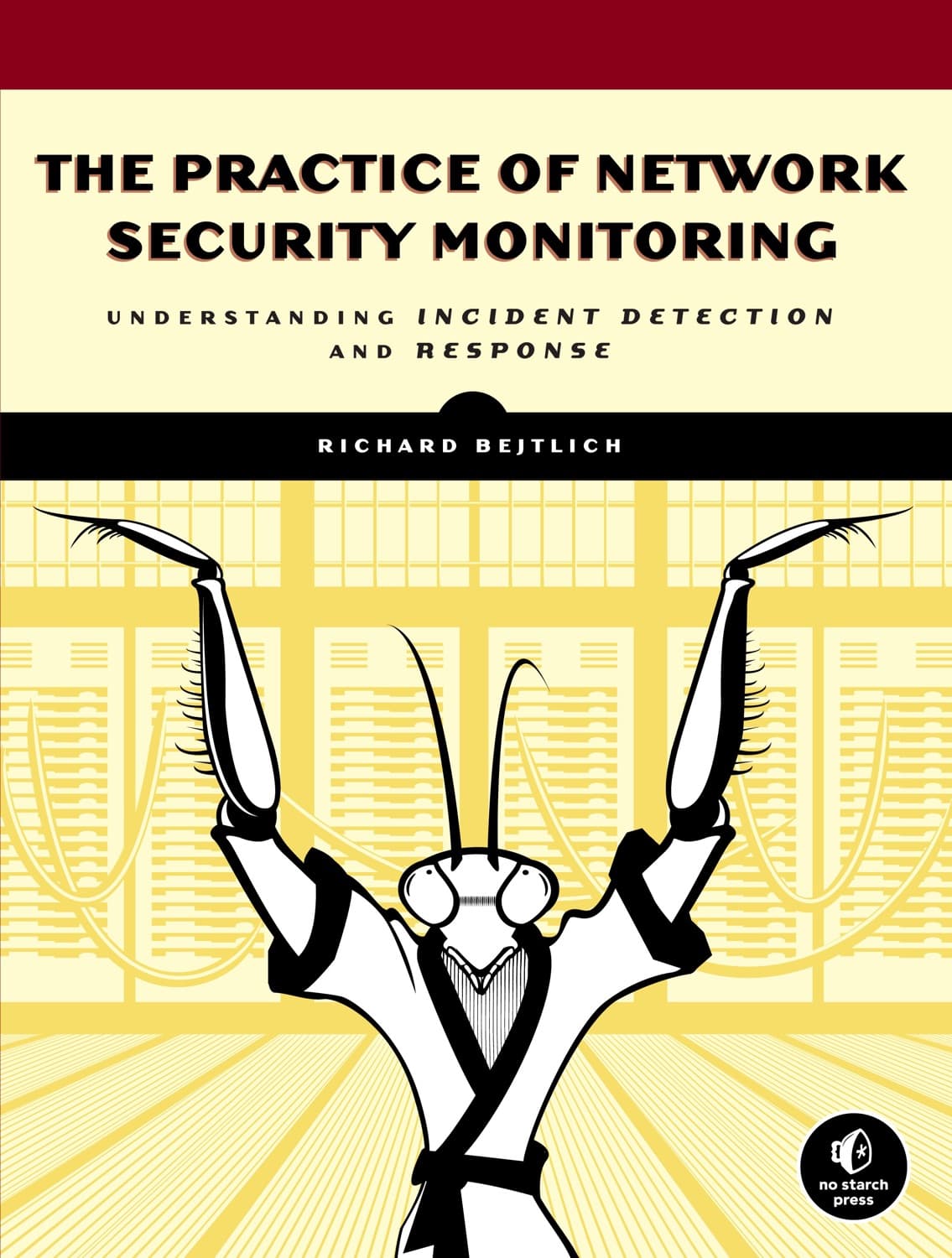
The Practice of Network Security Monitoring
Richard Bejtlich
After finishing Bejtlich, network incidents stop being “alerts” and start being observable sequences you can verify, escalate, and learn from.
Telemetry first: observe, then decide, then act
It builds a detection-and-response foundation that translates raw network evidence into decisions SOC leaders can defend to executives. That matters for CISOs because incident response hinges on what you can substantiate, not what you can claim.
Incident Response & Computer Forensics, Third Edition
Jason T. Luttgens, Matthew Pepe
You come away with a defensible incident-handling workflow that keeps evidence, scope, and communications aligned from triage to recovery.
Incident response is a lifecycle, not a single play
This is a standard reference for preparation, triage, containment, eradication, and recovery, with the forensics mindset baked into response. For a CISO, that reduces the most dangerous failure mode: responders improvising while legal, audit, and business impact collide.
The Modern Security Operations Center
Joseph Muniz
Muniz reframes the SOC as a capability you can measure and mature, so incident response quality stops depending on who is on shift.
Treat the SOC as an operating model, not a ticket queue
It is tightly connected to building and operating a SOC that can actually execute response. For CISOs, that turns incident response from an emergency process into a managed program with clearer accountability and escalation paths.
Blue Team Handbook: Incident Response Edition
D. W. Murdoch, Don Murdoch Gse
You’ll leave with a practical incident-handling cadence that makes response actions feel repeatable, not improvisational.
Triage drives containment: decide scope before action
As a concise field guide, it focuses on the day-to-day workflow of incident response and the decisions responders must make under pressure. For busy CISOs, it helps you sanity-check whether the SOC playbooks you inherit are operationally coherent.
Crafting the InfoSec Playbook
Jeff Bollinger, Brandon Enright, Matthew Valites
Instead of treating incidents as pure tech problems, the playbook builds a governance system that keeps response aligned with risk and leadership expectations.
Define roles and decision rights before the incident
It offers an exec-friendly way to mature security programs, including planning and response accountability. For CISO incident response, that is the missing layer: who owns decisions, what “good” looks like, and how readiness is demonstrated.
The Art of Memory Forensics
Andrew Case, Michael Hale Ligh, Jamie Levy, Aaron Walters
Memory forensics changes how you investigate: you stop guessing from artifacts and start retrieving ground truth from running systems.
Volatility-style thinking: acquisition, analysis, validation
This technique reference helps CISOs understand what deep investigation can reach, and where it can fail. That matters when response requires credible scope, attribution support, and evidence that stands up during executive scrutiny and potential legal review.
Incident response is a lifecycle, not a single play
The CISO Evolution
Matthew K. Sharp, Kyriakos Lambros
CISO responsibilities become more than “security decisions”: you learn how to evolve governance, accountability, and response readiness as your organization grows.
Response accountability is a leadership function, not a team-only task
It is executive-focused on leadership and how to operationalize security outcomes, which directly affects incident response effectiveness. For CISOs, it helps you translate response capability into governance that survives org change and scaling pressure.
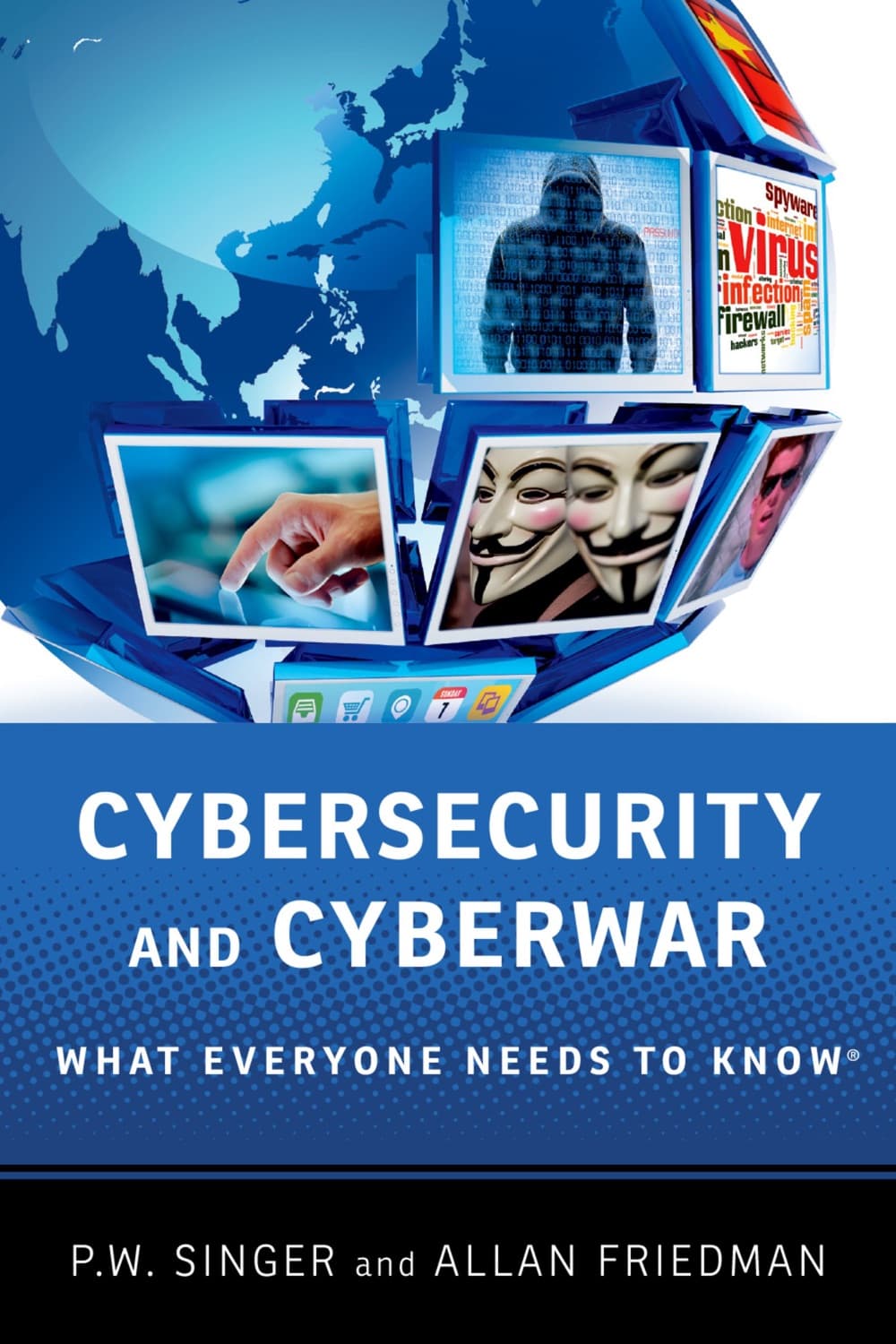
Cybersecurity and Cyberwar
P.W. Singer, Allan Friedman
You gain a strategic lens for why incidents escalate: cyber operations, deterrence, and national-risk framing reshape what “incident response” can mean.
Cyber incidents can be instruments of coercion, not just breaches
While not a runbook, it gives context useful to CISOs who must manage incidents alongside political risk and broader cyber threats. That helps when your response posture needs to account for adversary motives and escalation dynamics beyond your environment.
Can we tailor this list for you?
Type your question in the bar below and the AI will tailor a fresh set of picks just for you.