Best Books on Aspiring CISOs
Aspiring CISOs need more than tactics: they need risk language, executive alignment, and security culture. Matthew K. Sharp and Kyriakos Lambros’ The CISO Evolution grounds that leadership shift with modern scope.
The CISO Evolution
Matthew K. Sharp, Kyriakos Lambros
Finishing The CISO Evolution pushes you to think like an executive first: security becomes an enterprise leadership function, not a checklist of controls.
CISO scope evolves: lead change, not just controls.
It reframes the CISO role around evolving responsibilities, how the business expects decisions, and how you lead across teams and time horizons. That matters for aspiring CISOs who need a realistic lens for what the job really becomes over time, not just what the job covers.
CISO Desk Reference Guide
Bill Bonney, Gary Hayslip, Matt Stamper
CISO Desk Reference Guide turns governance, metrics, and board communication into a usable reference you can apply when the stakes are immediate.
Use metrics that support board-level decisions.
Rather than staying at the concept level, it gives concrete artifacts and decision areas across the core CISO domains. That helps aspiring CISOs build credible programs and explain risk and progress to executives without hand-waving.
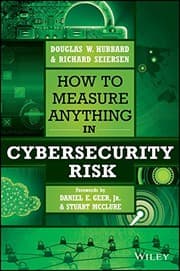
How to Measure Anything in Cybersecurity Risk
Douglas W. Hubbard, Richard Seiersen
This book changes your posture from debating risk to quantifying it, so cybersecurity conversations stop stalling on opinions.
Measurement reduces argument driven by intuition.
It equips you with the measurement mindset needed to produce defensible risk numbers and justify tradeoffs. For aspiring CISOs, that shift is crucial because credibility often hinges on how well you can measure, not just how well you can secure.
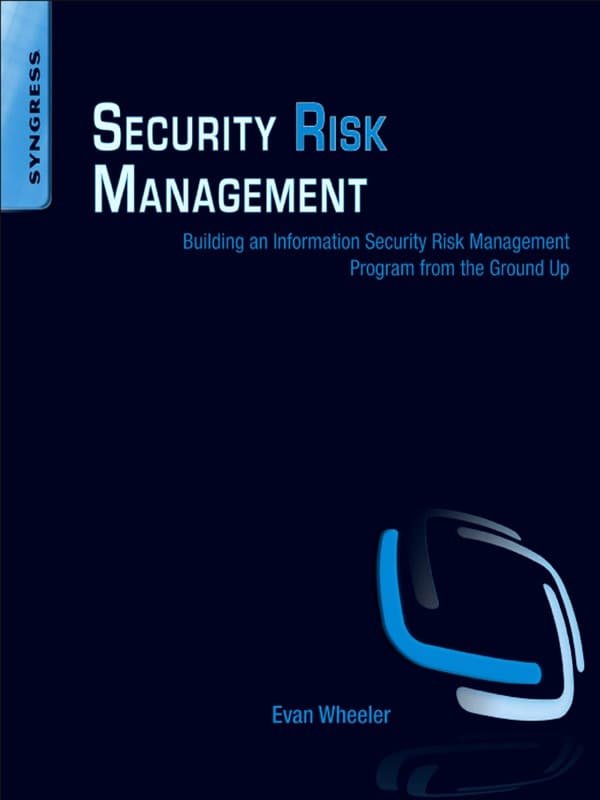
Security risk management
Evan Wheeler
Security risk management helps you see security decisions as structured tradeoffs, where program design follows from risk choices.
Risk decisions drive program design.
It grounds risk thinking in practical decision making, showing how to design and operate a risk management approach rather than treat risk as a one-time exercise. Aspiring CISOs benefit because the role demands turning risk logic into an operating program.
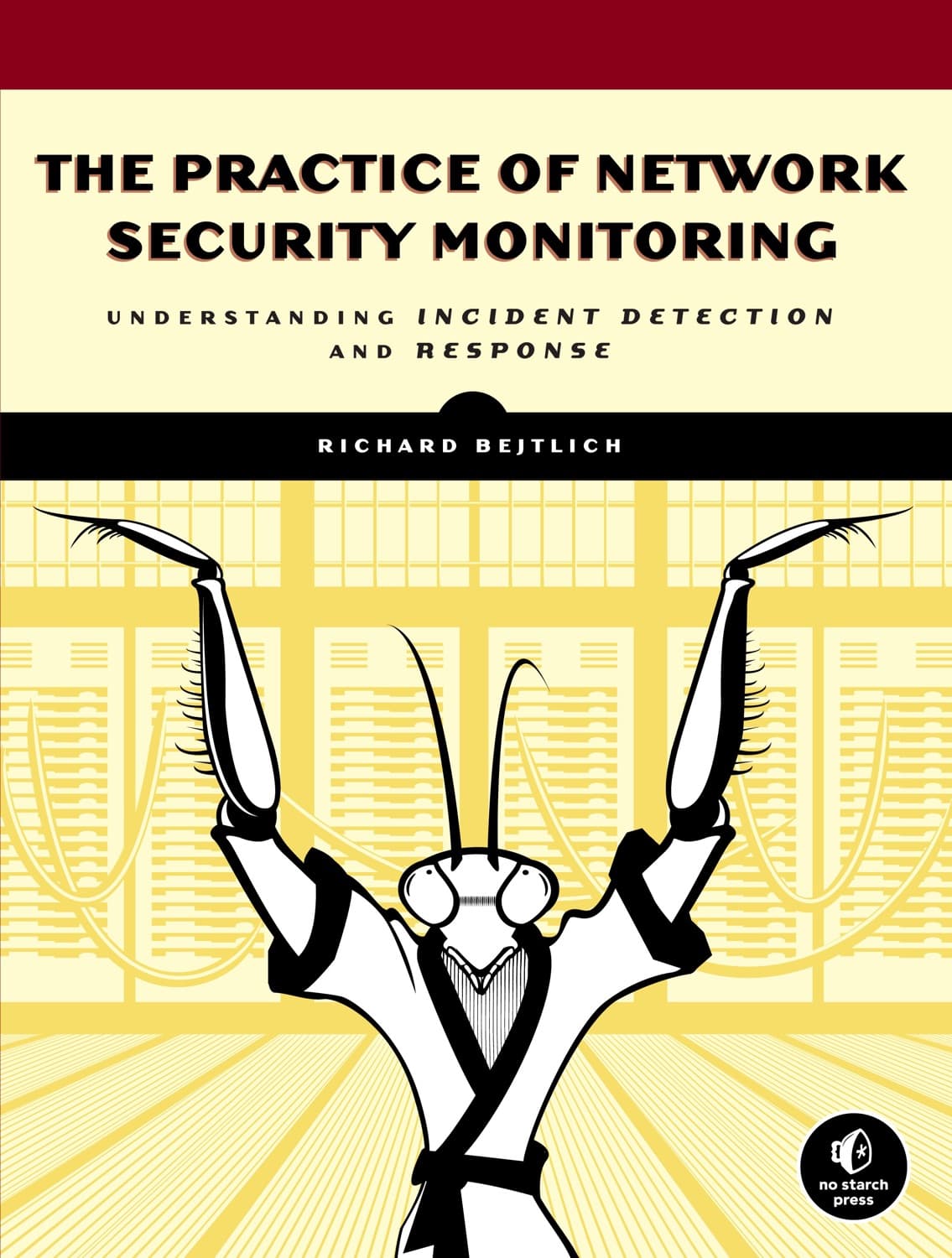
The Practice of Network Security Monitoring
Richard Bejtlich
The Practice of Network Security Monitoring forces a reality check: good security leadership starts with knowing what you can detect, measure, and improve.
Detection maturity underpins security claims.
It builds the operational detection foundation that many aspiring CISOs overlook when they jump straight to governance and strategy. That matters because effective CISO leadership still depends on translating real monitoring outcomes into risk reduction and priorities.
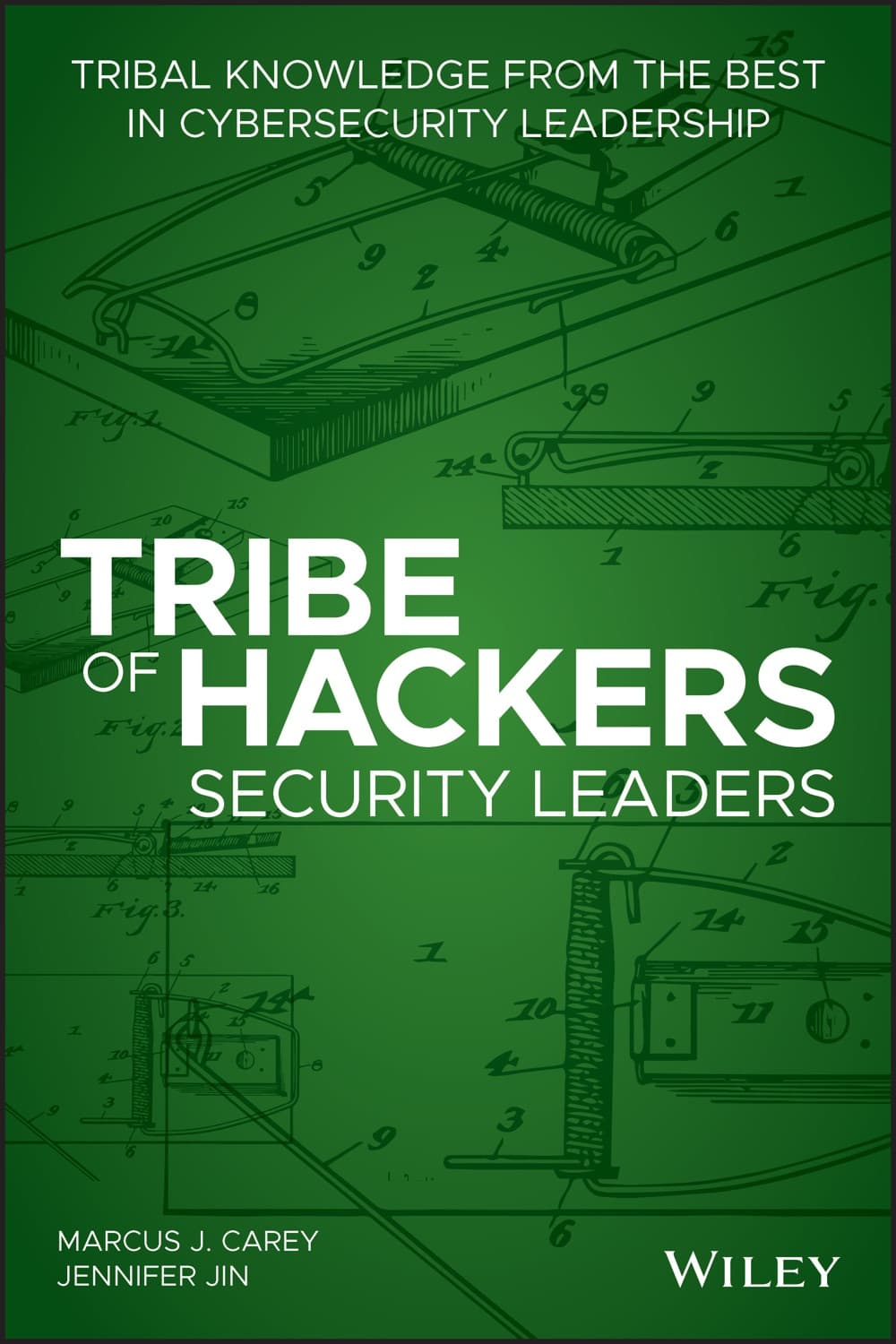
Tribe of Hackers Security Leaders
Marcus J. Carey, Jennifer Jin
Tribe of Hackers Security Leaders reframes career growth as leadership practice: build teams, communicate, and steer technical choices with context.
Security leadership is shaped through influence.
By collecting lessons from experienced security leaders, it gives aspiring CISOs a usable path for developing influence, resilience, and judgment. That helps when the transition is less about learning tools and more about handling people, priorities, and complex tradeoffs.
Use metrics that support board-level decisions.
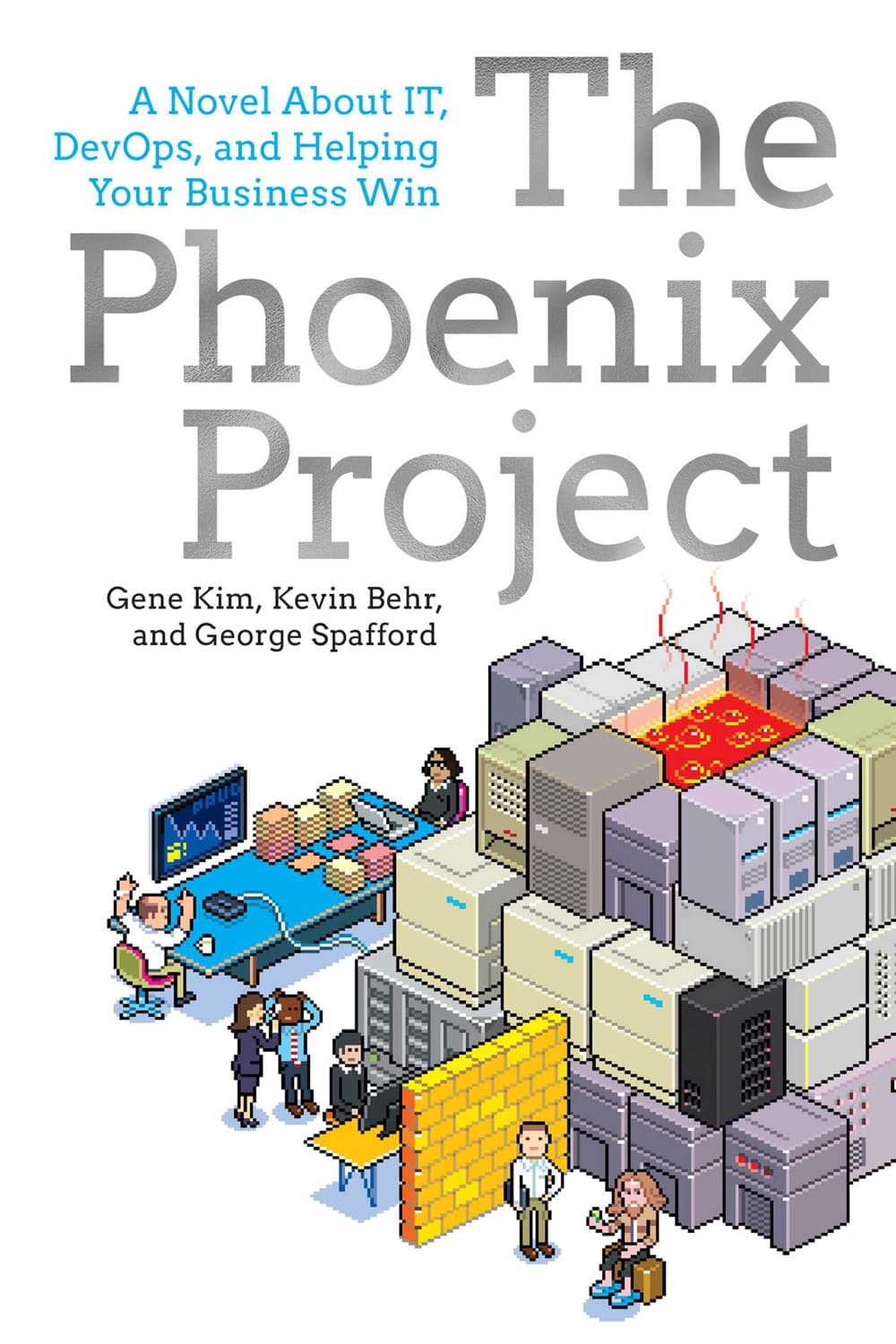
The Phoenix Project
Gene Kim, Kevin Behr, George Spafford
The Phoenix Project makes IT constraints feel tangible, so cyber and operations leadership align around flow, priorities, and outcomes.
Work flows reveal where leadership must intervene.
Even though it is a story, it teaches how operational bottlenecks and execution realities shape executive decisions. Aspiring CISOs benefit because the best security programs must fit how organizations actually deliver and respond under pressure.
The Security Culture Playbook
Perry Carpenter, Kai Roer
The Security Culture Playbook turns culture into something you can run: habits, reinforcement, and ownership that stick beyond posters and policies.
Culture is built with reinforcement loops.
It focuses on human-centered security program design, helping you build alignment across teams and reduce friction when implementing controls. For aspiring CISOs, culture is often where strategy succeeds or fails, and this gives concrete ways to operationalize it.
Security Risk Assessment Handbook
Douglas Landoll
Security Risk Assessment Handbook gives you a structured way to assess risk so decisions become repeatable, comparable, and defensible.
Repeatable assessment yields defensible decisions.
It lays out core concepts and methods for enterprise risk assessment that underpin many CISO activities. Aspiring CISOs need this foundation so their risk assessments are usable by leadership and not just a documentation exercise.
Cybersecurity and Cyberwar
P.W. Singer, Allan Friedman
Cybersecurity and Cyberwar expands your threat lens from “incidents” to strategic contest, shaping how you interpret policy and intent.
Strategy and policy shape security priorities.
It provides a broad view of the political and strategic landscape that influences security priorities and decision making. That matters for aspiring CISOs because effective leadership requires understanding why threats, rules, and tradeoffs look different at the national and organizational level.
Can we tailor this list for you?
Type your question in the bar below and the AI will tailor a fresh set of picks just for you.