Best Books on GDPR and Privacy for Security Leaders
GDPR and privacy for security leadership means translating legal duties into controls you can defend: The EU General Data Protection Regulation (GDPR) by Kuner, Bygrave, and Docksey anchors compliance decisions, while Privacy Engineering by Ian Oliver turns privacy-by-design into system reality.

Privacy in the Age of Big Data
Theresa M. Payton, Theodore Claypoole
Big data privacy becomes an organizational risk problem, not a consent form problem.
Risk framing beats vague “privacy best practices”
This book frames privacy through governance and cyber risk so security leaders can communicate impact, tradeoffs, and responsibilities across teams. It is especially useful when privacy harm shows up as collection, retention, and secondary use across systems and analytics pipelines.
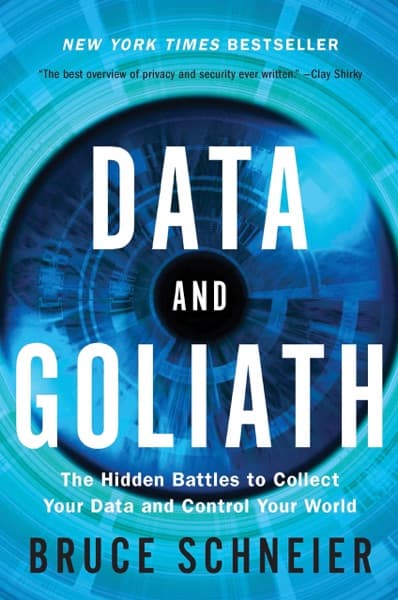
Data and Goliath
Bruce Schneier
Surveillance stops being an abstract debate and becomes an engineering and policy tension security can measure.
Power grows from data hoarding and lack of accountability
Schneier explains what mass data collection does to societies and individuals, which helps security leaders anticipate privacy expectations and backlash. When GDPR discussions turn contentious, the book gives language to explain why certain data practices raise systemic risk.

Privacy Engineering
Ian Oliver
Privacy-by-design turns from a mandate into repeatable engineering patterns you can apply to systems.
Design for minimization, then prove it in the system
This bridges security and privacy engineering so leaders can oversee controls like data minimization, purpose limitation, and safer defaults. It helps translate GDPR obligations into practical design choices across identity, monitoring, logging, and data processing.
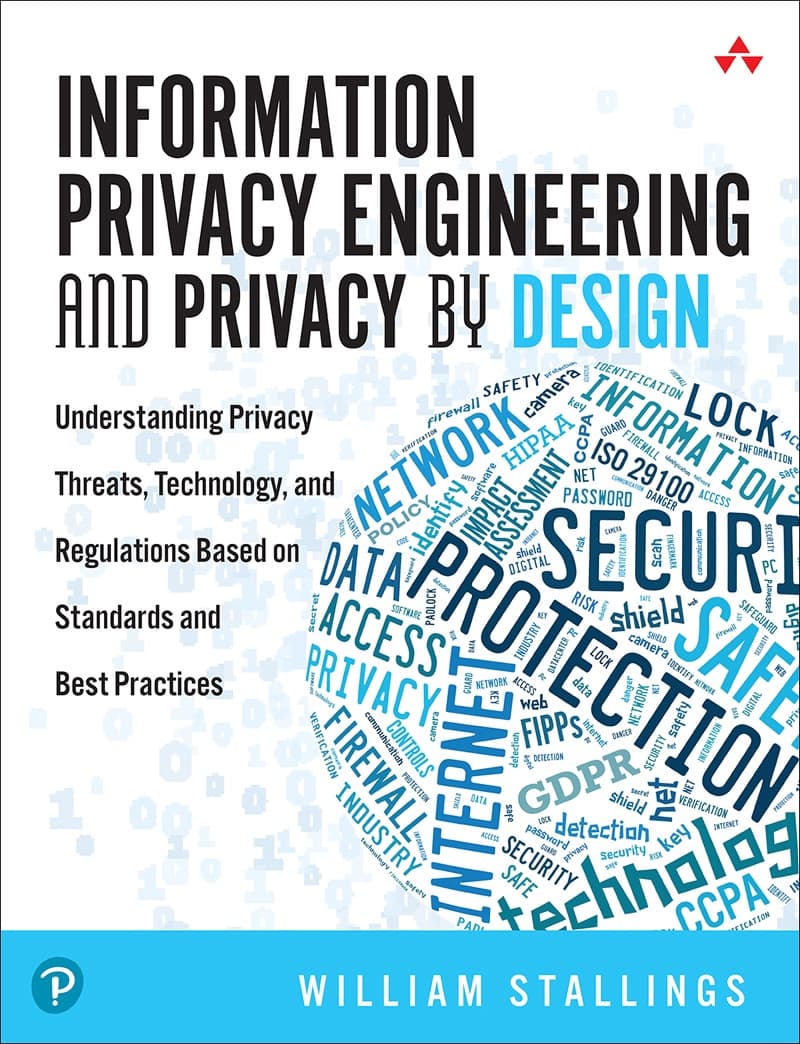
Information Privacy Engineering and Privacy by Design
William Stallings
Privacy controls become architecture: decisions about collection and retention are treated as system requirements.
Treat privacy as requirements, not downstream paperwork
It offers an operational framework for embedding privacy protections into enterprise architecture, which is where security leaders have the most leverage. For GDPR programs, this supports turning policy intent into measurable controls and durable engineering constraints.
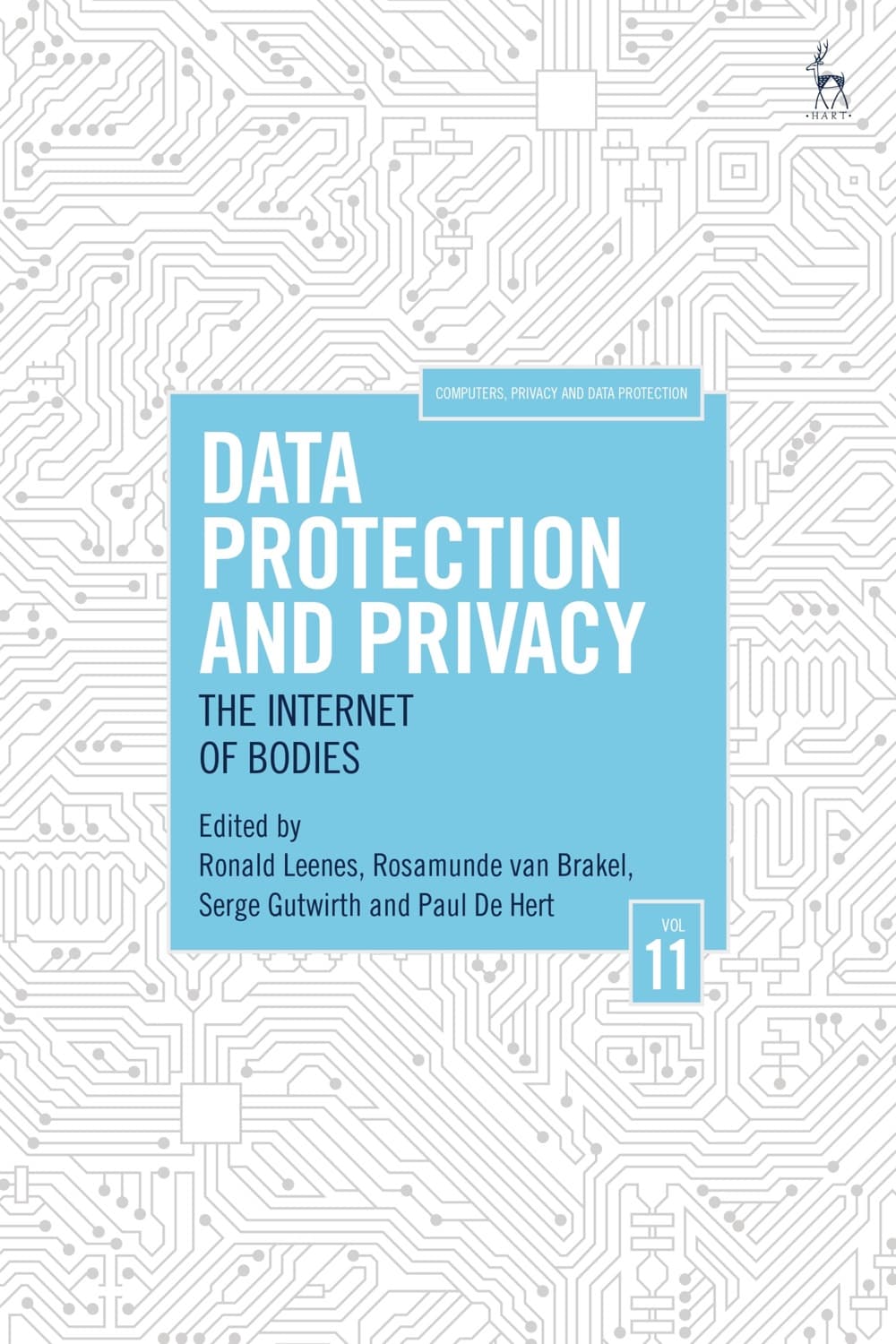
Data Protection and Privacy, Volume 11
Ronald Leenes, Rosamunde van Brakel, Serge Gutwirth, Paul De Hert
Privacy stops being a single rule set and becomes a structured field of governance, risk, and technology.
Governance and risk are inseparable from technical privacy design
This scholarship helps security leaders reason about how privacy duties interact with institutions and emerging tech, not just compliance checklists. It is valuable when your organization faces novel processing, platform risk, or enforcement uncertainty and needs rigorous conceptual grounding.

Privacy in Context
Helen Nissenbaum
Privacy becomes about appropriate information flows, not merely whether data was disclosed.
Assess appropriateness of information flows by context norms
Nissenbaum’s framework gives security leaders a way to evaluate harms and legitimacy when GDPR debates hinge on context: what data, for which purposes, under what expectations. That lens strengthens privacy reasoning in DPIAs, incident narratives, and cross-functional disagreements.
Can we tailor this list for you?
Type your question in the bar below and the AI will tailor a fresh set of picks just for you.