Best Books on Financial Modeling
Financial Modeling, fourth edition by Simon Benninga to Investment Banking by Joshua Rosenbaum and Joshua Pearl: these picks push you from spreadsheet mechanics to valuation decisions, with model design rigor and real-world workflows.
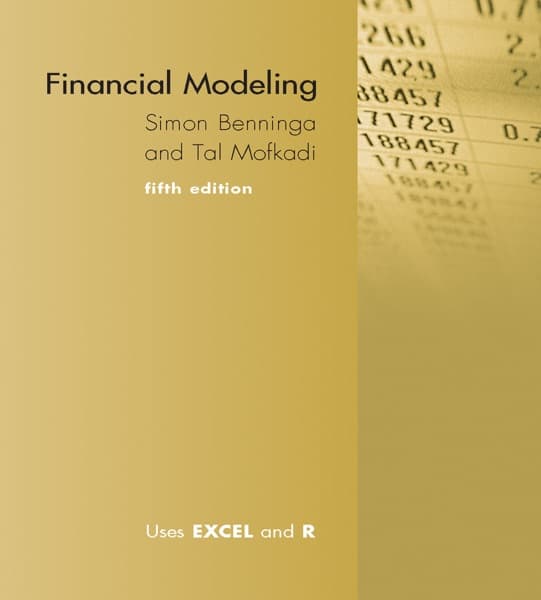
Financial Modeling, fourth edition
Simon Benninga
Benninga turns financial modeling into a repeatable decision process, not a spreadsheet exercise.
Keep inputs, calculations, and outputs clearly separated.
It teaches the core mechanics of spreadsheet based valuation and modeling fundamentals, with enough structure to help you avoid common build errors. That matters when “financial modeling” means producing outputs you can defend, not just numbers you can compute.
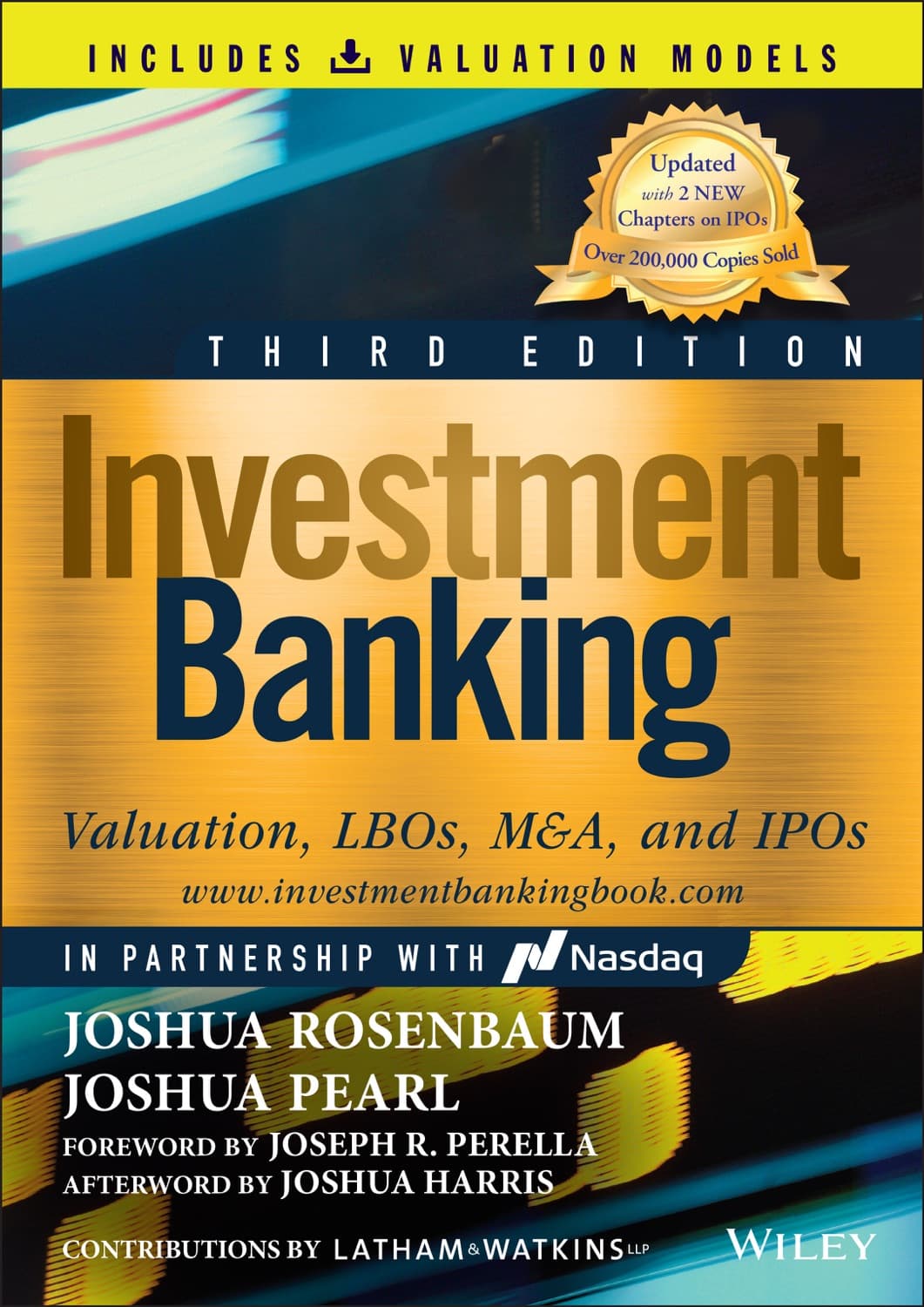
Investment Banking
Joshua Rosenbaum, Joshua Pearl
Investment Banking by Rosenbaum and Pearl makes valuation modeling feel like a craft with recognizable deliverables.
Build models backward from valuation outputs.
It emphasizes the industry workflow that connects the three statement story to valuation, so your model becomes a communication tool. That is exactly what’s missing when modeling books stop at formulas and never show how bankers use the model.
Financial Modeling and Valuation
Paul Pignataro
Pignataro’s approach forces your inputs to earn their place, then flows them to valuation outcomes.
Model drivers first, then map them to statements.
The step by step “Wall Street style” modeling helps you move from statements through valuation with fewer gaps between steps. If your goal is practical financial modeling for real cases, the throughline to valuation outputs is the value.
Best Practices for Equity Research (PB)
James Valentine
Valentine reframes modeling as part of the equity research workflow: forecasts become arguments.
Forecasts should directly support your thesis.
It links forecasting and modeling to how research is actually produced, so the model supports the written thesis. For financial modeling, that means learning not just how to build, but how to tie outputs back to investment research work.
Principles of Financial Modelling
Michael Rees
Rees helps you stop trusting fragile models by teaching transparency and structure as first principles.
Make assumptions explicit and traceable.
This is the go to framework for robust model design, where auditability and clarity are treated as capabilities, not nice to haves. That matters when financial modeling errors come from structure as much as from arithmetic.
Building Financial Models
John S. Tjia
Tjia shows how to build models you can actually use in business decisions, not just admire for layout.
Design for usability before adding complexity.
It’s a classic hands on guide to constructing usable models, which helps you translate theory into practical spreadsheet behavior. For financial modeling, usefulness and correctness are the real transformation: cleaner models produce better decision inputs.
Build models backward from valuation outputs.
Corporate and Project Finance Modeling
Edward Bodmer
Bodmer treats corporate and project finance models as integrated systems, where schedules and assumptions must align.
Align cash flow timing with financing and constraints.
It targets advanced modeling where the details matter, especially when corporate and project finance meet real constraints. If your financial modeling goal is more than one valuation snapshot, this guides the architecture of integrated models.
Financial Forecasting, Analysis, and Modelling
Michael Samonas
Samonas connects forecasting choices to model outputs so your model reflects how performance actually changes.
Forecast with drivers, not guesses.
It offers a practical overview of forecasting and modeling techniques used in finance settings, emphasizing analysis alongside construction. That helps when financial modeling feels disconnected from assumptions and you want the model to represent real drivers.
Business Analysis & Valuation
Krishna G. Palepu, Paul M. Healy
Palepu and Healy make valuation feel grounded in the quality of the underlying financial analysis.
Let accounting quality shape your valuation assumptions.
This integrates statements into valuation focused financial models, which is the bridge many beginners never learn. If you want financial modeling to start with business reality and end with defensible valuation, this is the connective tissue.
Can we tailor this list for you?
Type your question in the bar below and the AI will tailor a fresh set of picks just for you.