Best Books on Capital Allocation
Capital allocation books that actually change how you judge reinvestment and shareholder returns: The Outsiders, The Essays of Warren Buffett, and Giroux’s Capital Allocation. Each trains a different lens on where capital should go.
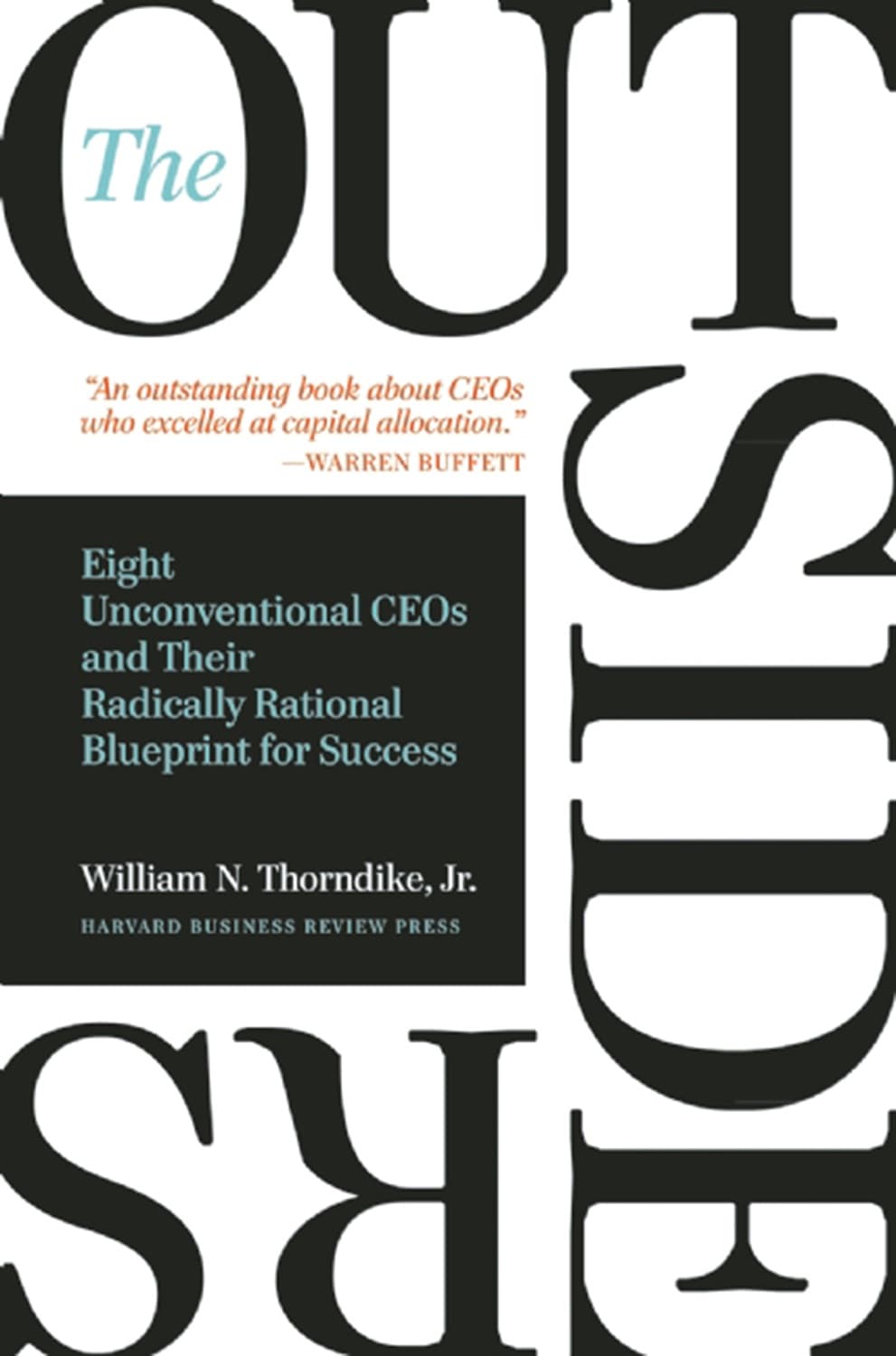
The Outsiders
William N. Thorndike Jr.
After The Outsiders, capital allocation stops being a buzzword and becomes a behavioral pattern you can spot: exceptional leaders consistently reinvest, resist ego deals, and compound outcomes.
Great allocators treat capital like a scarce, evolving asset
Thorndike distills real CEO decisions into repeatable lessons about capital deployment under uncertainty. That matters for capital allocation because you learn to look past narratives and ask what managers actually do with money across cycles.
Capital Allocation: Principles, Strategies, and Processes for Creating Long-Term Shareholder Value
David R. Giroux
Giroux gives capital allocation a workflow: define value creation, align incentives, and run decisions through shareholder-value logic instead of internal momentum.
Use shareholder value logic to test every allocation choice
This book builds a practitioner-focused framework for corporate and portfolio allocation decisions. It fits the topic directly, helping you translate the abstract goal of “good allocation” into assessable principles and processes.

The Essays of Warren Buffett
Lawrence A. Cunningham, Warren E. Buffett
Buffett’s essays turn capital allocation into a discipline of probabilities: repurchase and reinvestment decisions are framed around durability of advantage, not accounting optics.
Only buy or deploy at a price that makes sense with probabilities
These are primary-source ideas on reinvestment, acquisitions, and shareholder returns. For capital allocation, that means you learn the mental rules Buffett uses to decide when capital earns above-average returns and when to protect the shareholder from overpaying.
Quality of Earnings
Thornton L. O'glove
Quality of Earnings teaches you to distrust reported results and verify whether management’s “investment story” is backed by cash reality you can model.
Map earnings back to cash: follow the quality, not the headline
Capital allocation is only as good as the performance it’s buying, and O’glove’s approach helps you judge what’s real. That matters because bad allocation often hides inside earnings quality issues, not just in strategy.
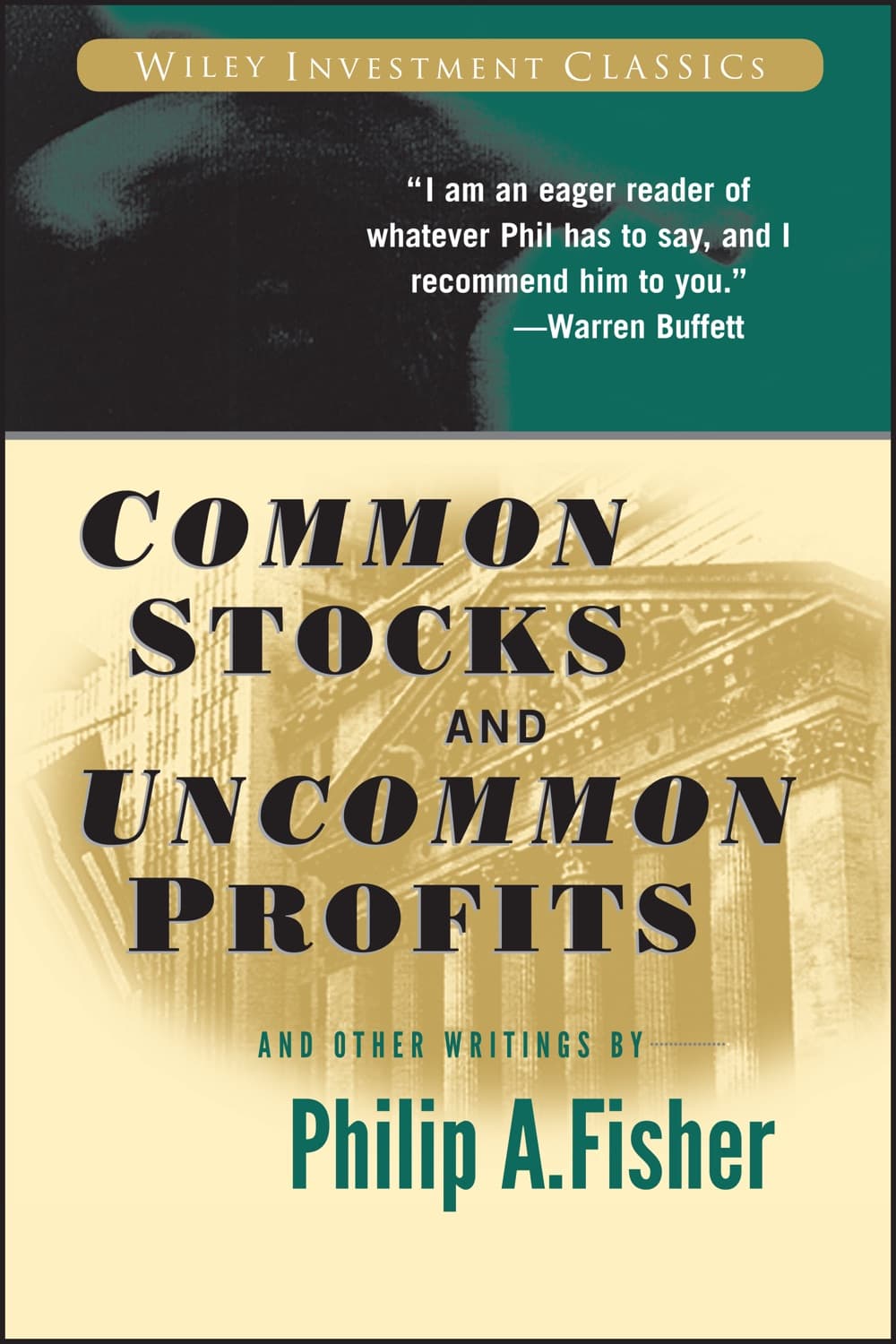
Common Stocks and Uncommon Profits
Philip A. Fisher
Fisher reframes capital allocation as management’s execution of profitable reinvestment over time, not a one-off call on a single deal.
Exceptional businesses can reinvest at attractive returns for years
The lens emphasizes how skilled management grows through reinvestment decisions that compound. For capital allocation, you gain criteria for assessing whether a company can continually redeploy capital into opportunities that actually work.

Poor Charlie’s Almanack
Charles T. Munger
Munger’s mental models shift capital allocation from tactics to thinking: you become harder to fool by common decision errors that wreck deployment of money.
Incentives drive outcomes: audit what decision-makers actually want
While not a spreadsheet guide, it equips you with disciplined ways to evaluate trade-offs, incentives, and cognitive traps tied to reinvestment and acquisitions. That directly supports better capital allocation because most allocation failures start as predictable thinking failures.
Use shareholder value logic to test every allocation choice
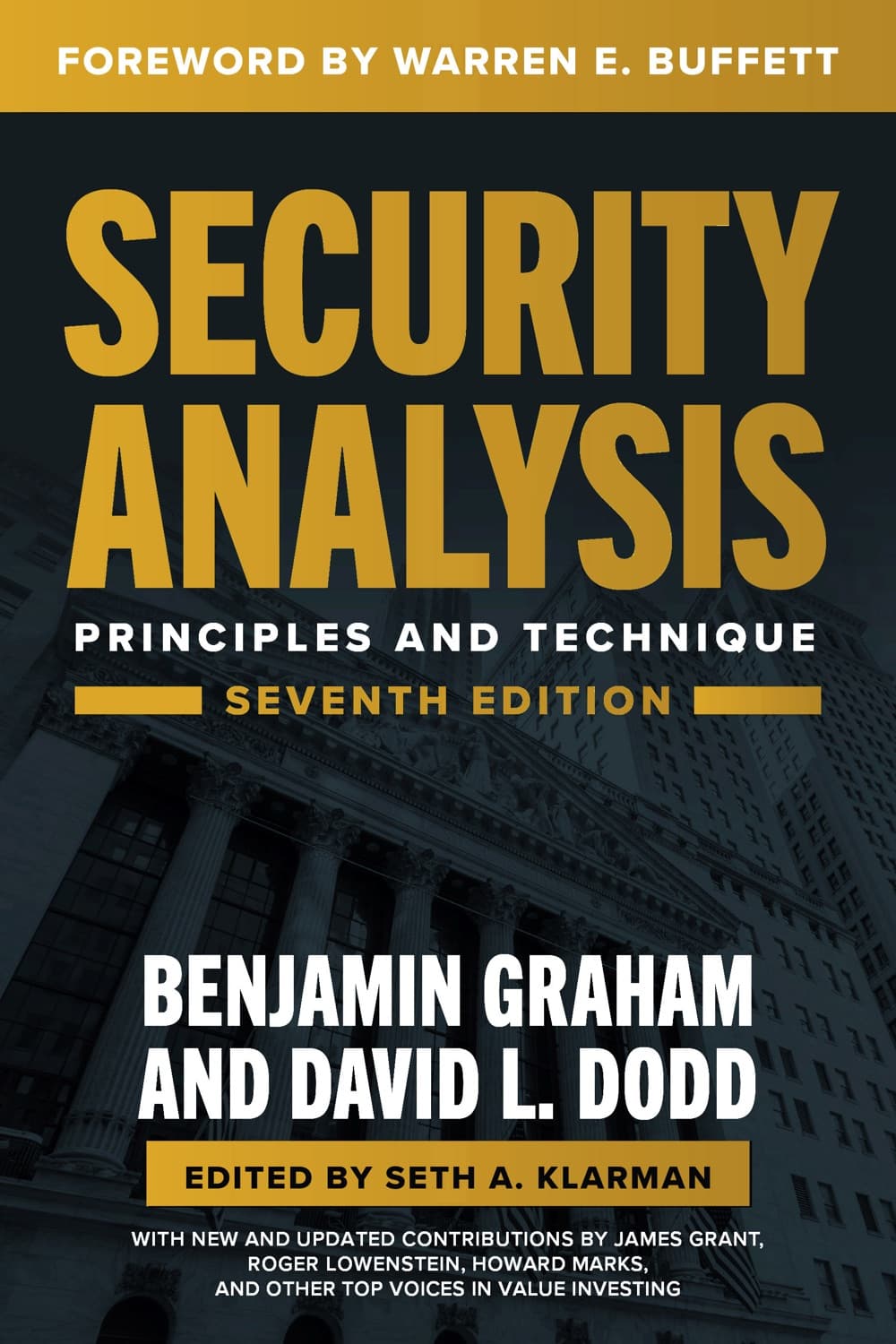
Security Analysis
Benjamin Graham, David Dodd, David Dodd, Seth Klarman
Security Analysis makes capital allocation feel measurable: you learn to ask whether the business earns returns that justify the price and the redeployment of shareholder money.
Margin of safety protects capital allocation decisions from optimism
Graham-style valuation disciplines help you evaluate where management should invest or return capital, not just what the market price is. That matters for capital allocation because it gives you a grounded way to judge intrinsic value, margins of safety, and capital effectiveness.
Corporate Valuation for Portfolio Investment
Robert A. Weagley
Weagley connects valuation to allocation discipline, pushing you to see how the market’s assumptions about reinvestment and growth shape the investment case.
Reinvestment expectations are embedded in valuation outcomes
This lesser-known text links corporate valuation reasoning with portfolio decisions. For capital allocation, it helps you distinguish between “growth that creates value” and growth that merely consumes capital, a key distinction in allocating funds.
Competition Demystified
Bruce C. N. Greenwald, Judd Kahn
After Competition Demystified, you view capital allocation through durability: you fund projects that fit the competitive realities that let value compound.
Choose reinvestment based on competitive constraints, not forecasts alone
Greenwald and Kahn’s framework clarifies where businesses can reinvest profitably and where competitive forces cap returns. That matters because capital allocation is fundamentally about expected future returns under competitive pressure.

Berkshire Hathaway Letters to Shareholders
Warren Buffett
Berkshire letters make capital allocation practical: you watch Buffett consistently prefer durable economics, sensible buyback logic, and acquisitions only when prices and incentives align.
Buybacks are evaluated like acquisitions: at sensible prices
These primary letters show how reinvestment and shareholder returns evolve with conditions. For capital allocation, it’s invaluable because you can compare Buffett’s stated principles to real decisions across time and cycles.
Can we tailor this list for you?
Type your question in the bar below and the AI will tailor a fresh set of picks just for you.