Best World Cup Tactics Books
Football tactics history, traced from formations to strategy: Jonathan Wilson's Inverting the Pyramid and Michael Cox's Zonal Marking map how the World Cup game evolved, with Soccernomics and The Numbers Game adding the data behind the decisions.
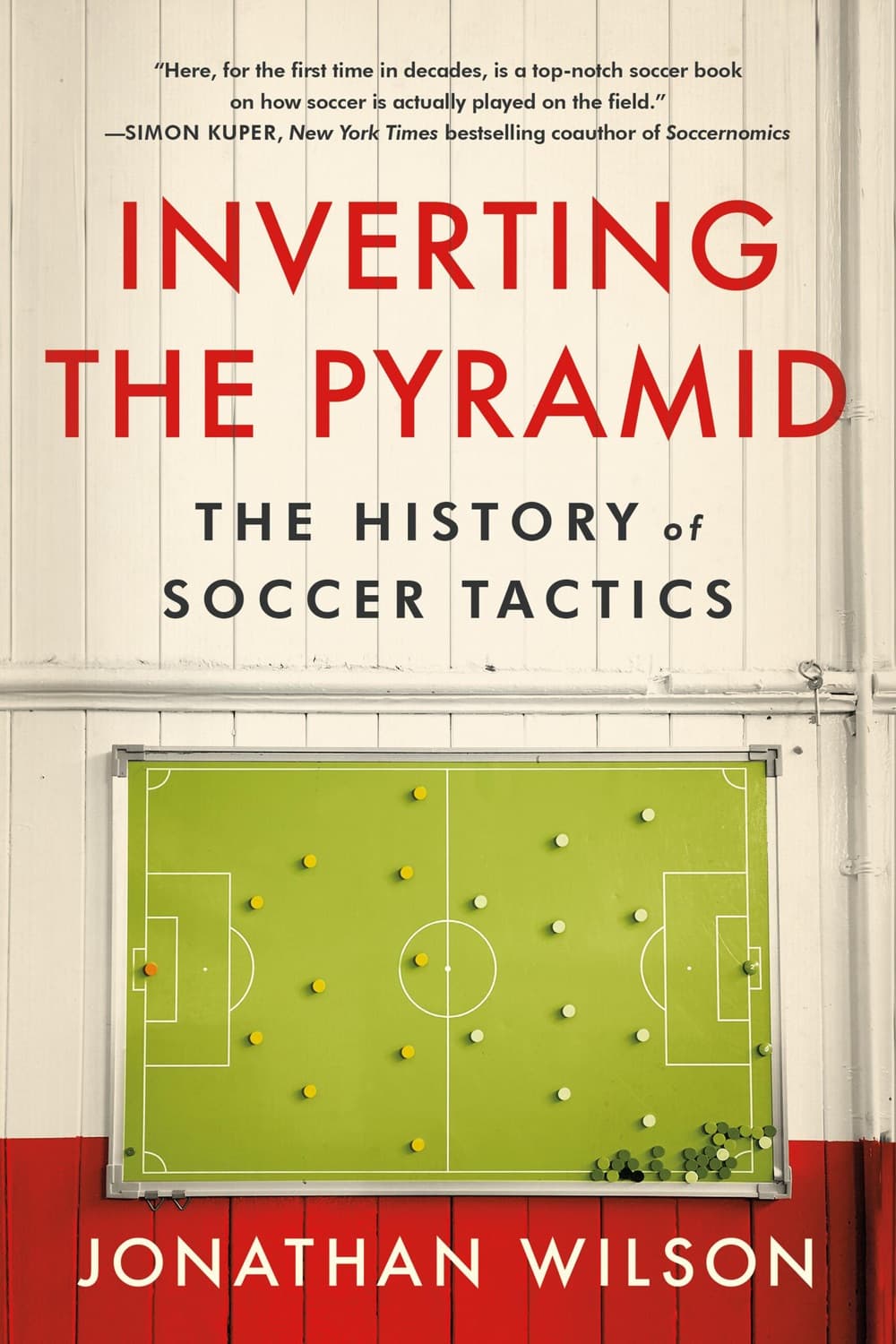
Inverting the Pyramid: The History of Football Tactics
Jonathan Wilson
After Inverting the Pyramid, you will recognize tactical “inventions” by how they break a team’s original geometry, not by names on a formation card.
Tactics evolve by solving problems, then exporting the solution.
Wilson turns tactical history into a cause-and-effect story: systems emerge from problems teams had to solve, and the World Cup becomes a recurring proving ground. It helps for World Cup history because it gives you a shared vocabulary to compare eras without getting stuck in team-specific myths.
Zonal Marking: The Making of Modern European Football
Michael Cox
Zonal Marking helps you spot why space, not man-to-man pride, became the organizing principle of modern defenses.
Defenses coordinate space, then trust the triggers.
Cox explains the tactical evolution that shaped how teams defended and attacked on the international stage. For World Cup tactics history, it is especially useful because tournament football rewards patterns of zoning under pressure, and this book gives you the map to see them.
How to Watch Football
Ruud Gullit
By the end of How to Watch Football, you will start predicting tactical adjustments based on body shape and role behavior, not just the scoreline.
Watch roles and distances before you name the formation.
Gullit makes “tactics watching” practical: you learn how roles and spacing change when a team shifts shape, presses, or counters. That matters for World Cup history because it lets you rewatch classic tournaments with fresh eyes and notice what the tactics are actually doing.
The Numbers Game
Chris Anderson, David Sally
The Numbers Game shows how the best teams often accept tradeoffs, then win by choosing the right risk profile.
Look at shot quality and risk, not goals alone.
This book translates performance data into tactical tradeoffs, which fits World Cup history where teams repeatedly gamble on structure, tempo, and shot quality. It matters because it helps you evaluate “great” tournaments as tactical decisions, not just dramatic narratives.
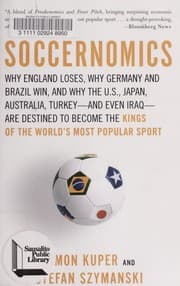
Soccernomics
Simon Kuper, Stefan Szymanski
Soccernomics changes how you think about national teams by treating the World Cup like a giant experiment in incentives and talent distribution.
Football outcomes often follow incentives more than slogans.
Kuper and Szymanski broaden the lens beyond tactics to the forces that shape them, including player pipelines and economic pressure. For World Cup tactics history, that context helps explain why certain tactical trends took hold in some countries and not others.
Brilliant Orange
David Winner
Brilliant Orange makes you see Dutch football as a training system of ideas that kept surviving because it was adaptable under tournament stress.
A style survives when it is teachable and flexible.
Winner connects culture, coaching practices, and tactical experimentation, then shows how those ideas echoed in World Cup performances. It matters for tactics history because it ties the “why” behind systems to the people and philosophy that could sustain them.
Defenses coordinate space, then trust the triggers.

The Glory Game
Hunter Davies
After The Glory Game, you will realize many “tactical moments” are really cultural choices about courage, pace, and who gets trusted on the ball.
Tactics reflect culture as much as coaching manuals.
Davies gives an observational view of football eras that helps you feel how tactics were lived, not just designed. For World Cup history, it supports a deeper reading of tactical shifts by grounding them in the atmosphere and social logic of each period.
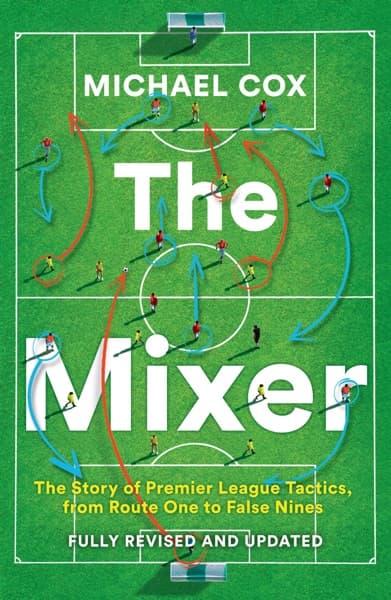
Mixer
Michael Cox
The Mixer teaches you to spot when a team stops being “a system” and starts acting like a problem-solver with interchangeable roles.
False nines succeed when roles blur the press.
Michael Cox traces English tactical evolution in a way that clarifies what tournament football adopted from league trends and vice versa. That matters for World Cup history because it links the tactical ideas you see on TV to the competitive pressures that refined them.
Das Reboot
Raphael Honigstein
Das Reboot shows how Germany rebuilt tactical thinking after failure, turning process into a competitive weapon rather than a slogan.
Rebuild the process, then the results follow.
Honigstein focuses on reinvention and the decisions behind it, which helps explain why certain German approaches became visible on the world stage. For World Cup tactics history, it gives you a concrete model for how tactical dominance is manufactured: with structure, measurement, and ruthless iteration.
The Ball is Round
David Goldblatt
The Ball is Round makes World Cup tactics feel inevitable, because it shows how migration, politics, and invention shaped how football was taught and played.
Global football history explains why tactics travel.
Goldblatt’s global history adds the background that tactics history often misses: how football ideas travel, remix, and harden into recognizable national styles. It matters for World Cup history because tournament tactics are never purely sporting; they are the product of who learned the game, where, and under what pressures.
Can we tailor this list for you?
Type your question in the bar below and the AI will tailor a fresh set of picks just for you.