Best World Cup Biographies
The World Cup as biography: Jimmy Burns and Guillem Balague chase the contradictions of Maradona, Pelé tells his own story, and Nick Szczepanik's Pulp Football follows the World Cup-era personalities through a narrative, personality-driven lens.
Pulp Football
Nick Szczepanik
By treating 1970s World Cup teams like tabloid heroes, it makes football history feel like a case file you cannot stop reading.
Tournament stories are power stories: read the headlines as evidence.
Pulp Football follows the World Cup-era personalities through a narrative, personality-driven lens rather than tidy dates and results. That storytelling focus fits biography-world-cup history readers who want human stakes behind each tournament moment.
Pelé
Pelé, Orlando Duarte, Alex Bellos
You get Pelé’s own life story alongside the World Cup pressure cooker, where genius is constantly tested by politics and expectation.
Greatness is rehearsed under the weight of expectation.
This is firsthand biography anchored in the World Cup star’s lived experience, so each tournament becomes more than spectacle. For your theme, it keeps the emotional center on a player’s development while still explaining the era that shaped his legend.
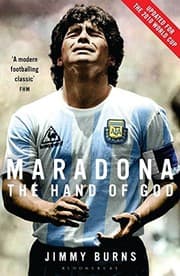
Maradona
Jimmy Burns
Burns turns Maradona’s World Cup arc into a story of contradictions: genius and damage unfolding on the biggest stage.
A player’s myth grows from both skill and scandal.
The biography stays readable and character-forward, but it also situates Maradona inside the social temperatures of Argentina and beyond. That matters for World Cup history readers because it explains why certain matches feel like national turning points.
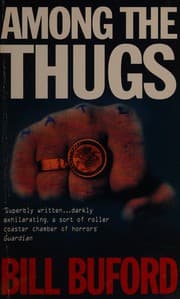
Among the thugs
Bill Buford
It uses football hooliganism to show how crowds manufacture identity, meaning, and belonging during major tournament moments.
Crowds write personal identity on public streets.
Instead of focusing only on famous players, Buford treats football culture around big events as a biography in group form. That gives you a surprising World Cup-history angle where the “who” is a community, not just a star.
Brilliant Orange
David Winner
Winner makes Dutch football culture feel like a World Cup myth with a beginning, middle, and permanent aftertaste.
A national style is an inherited worldview.
This book broadens “World Cup history” beyond the winners by tracing how a national style, schooling, and temperament create a recognizable story. It pairs well with biographies because it shows the ecosystem a legend grows inside.
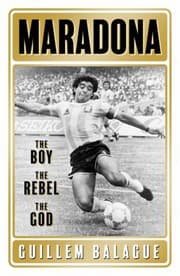
Maradona
Guillem Balague
Balague treats Maradona as a national symbol, showing how his World Cup moments hardened into political and cultural meaning for generations.
A champion becomes a symbol that outlives his body.
This biography leans into the depth of a World Cup legend and the long echo his career left behind. It fits biography world cup history readers who want both the person and the wider national story that person activated.
Can we tailor this list for you?
Type your question in the bar below and the AI will tailor a fresh set of picks just for you.