Best Narrative Books on the World Cup
You want narrative World Cup history: these picks balance crowd-level storytelling with cultural context, so the tournament feels alive beyond dates and scores.
Extra Time
Kevin Sampson
After finishing, World Cup obsession reads like a cultural habit: Sampson traces how fans, media, and money train your attention before you even watch a match.
History is trained by media, money, and ritual.
Sampson builds football history through vivid lived-in detail, not timelines, so the World Cup becomes part of a larger social machine. That lens helps you see why “the tournament” feels bigger than sport in modern fandom.
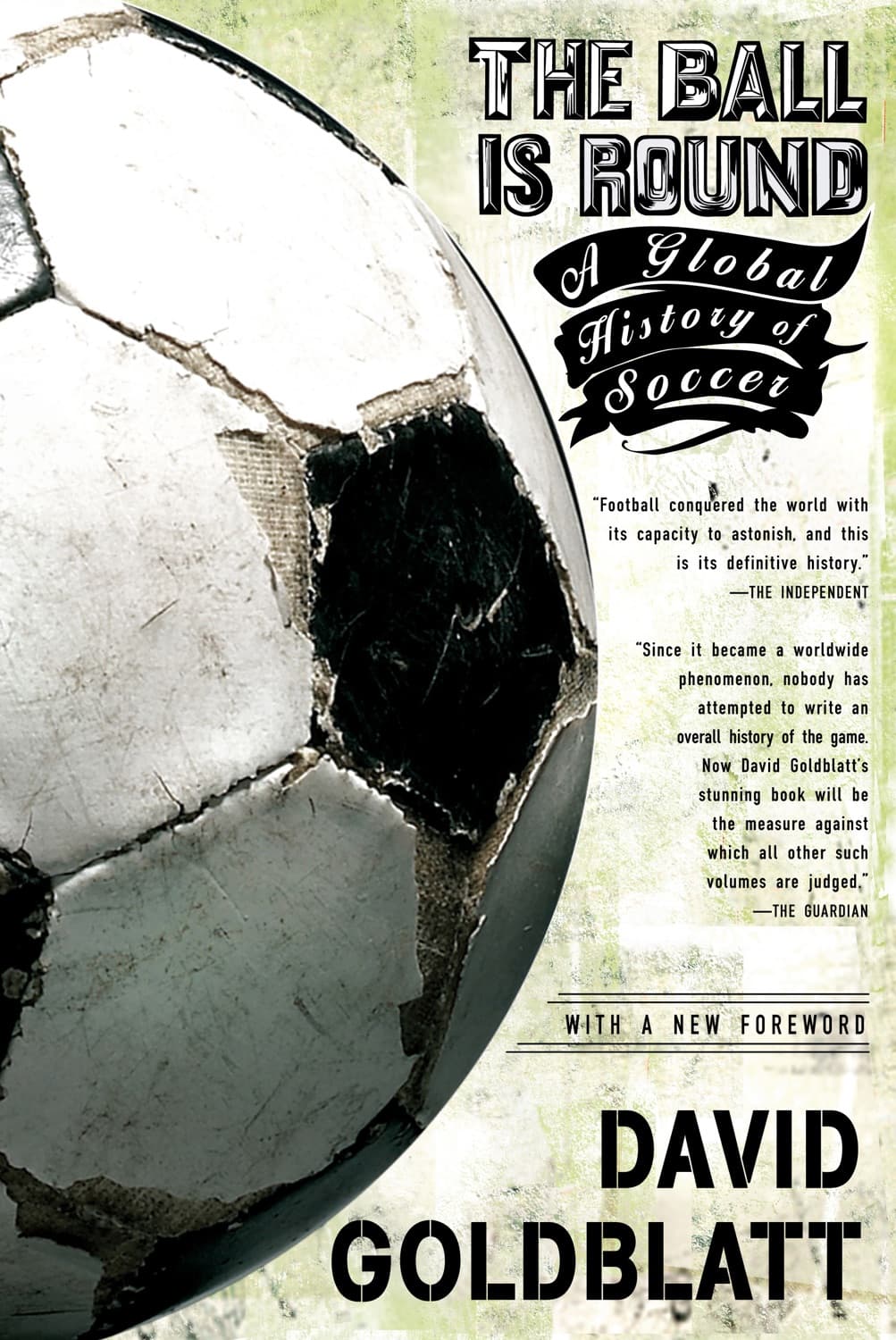
The Ball is Round
David Goldblatt
Goldblatt makes the World Cup feel like a shifting world map: each era changes not just teams, but the rules of belonging.
Follow the ball to follow power.
This narrative history gives the World Cup substantial weight while keeping the wider game in view. It matters if you want “World Cup history” to include class, empire, economics, and migration, not only match results.
Thirty-One Nil
James Montague
You come away knowing tournament stakes through specific routes and setbacks, as if the World Cup were a series of lived missions rather than a schedule.
Geography turns rivalry into plot.
Montague’s travel-reporting voice turns international football into story-driven context, letting nations and players show up through encounters. For World Cup history, this makes the dramatic tension feel immediate, not museum-like.
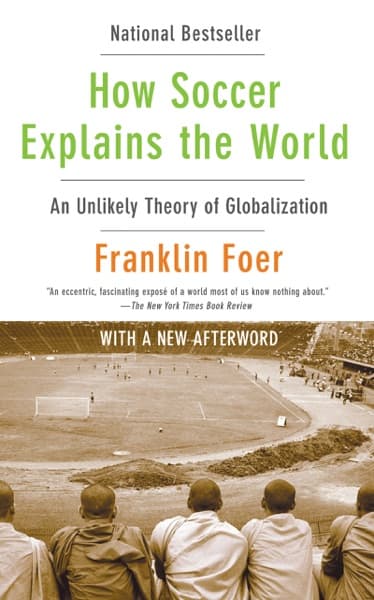
How Soccer Explains the World
Franklin Foer
Foer reframes football as a portable explanation of politics: countries export ideology through leagues, chants, and rivalries.
Tactics mirror national character and conflict.
He links national football to real governance and identity, so World Cup moments become case studies in how societies narrate themselves. That approach fits your “narrative history” goal when you want meaning that extends beyond the pitch.
The Miracle of Castel di Sangro
Joe McGinniss
The story of a small club turns the World Cup mindset inside out: hope, humiliation, and tactics collide until the season feels like a tournament dream.
Tournament drama scales down to any pitch.
Though it focuses on a club, it teaches you how football generates myths and pressure the same way big tournaments do. That emotional mechanics helps you read World Cup history with clearer instinct for why shocks happen and why people remember them.
Angels with Dirty Faces
Jonathan Wilson
Wilson shows how national styles recycle through generations, so the World Cup becomes a relay race of ideas rather than isolated finals.
Tactics are political inheritance.
He intertwines tactics, history, and politics, with World Cup drama as a recurring pressure point. For narrative world cup history, this gives you a sharper understanding of why certain teams, formations, and attitudes keep returning.
Follow the ball to follow power.
Brilliant Orange
David Winner
Winner makes Dutch football history read like a World Cup prequel: ideas about total football ripple into the tournament’s most iconic eras.
A country’s style is its long memory.
It’s not just “World Cup facts,” it’s a narrative about systems, leadership, and style that shaped how tournaments played out. That makes it ideal if your goal is to understand the World Cup through the rise and fall of national football identities.
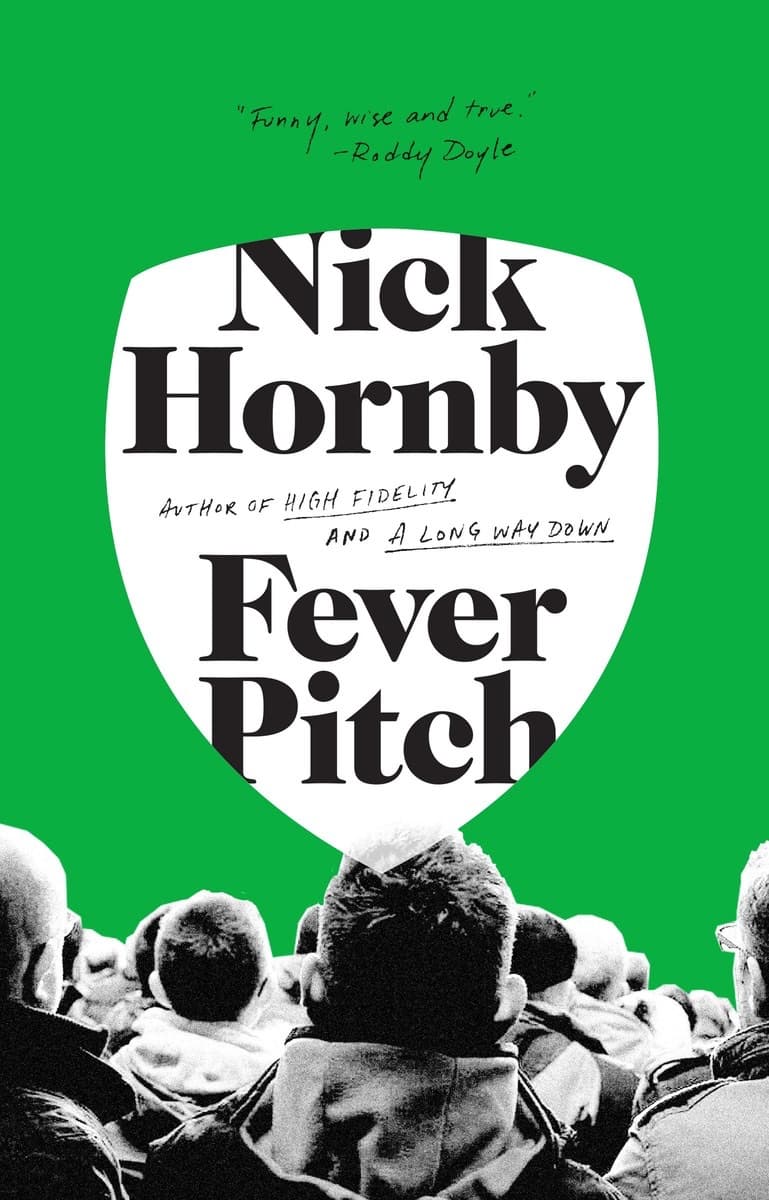
Fever Pitch
Nick Hornby
Hornby turns fandom into autobiography you can feel: after, the World Cup isn’t distant history, it is the same itch of desire and disappointment.
Fandom is a story you live inside.
Fan psychology is the core engine here, so you learn how obsession works emotionally. That matters for narrative World Cup history because it explains why tournaments create identity, then haunt it.
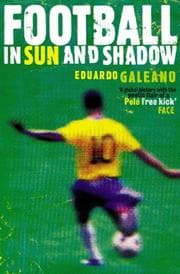
Football in Sun and Shadow
Eduardo Galeano
Galeano’s vignettes make the World Cup feel like shared folklore: myths, betrayals, and miracles keep mutating across generations.
Every World Cup becomes a legend machine.
His lyrical, fragment-based approach reframes football history as memory and myth, where World Cup eras become symbols as much as events. That helps if you want narrative history with emotional resonance, not only chronology.
Can we tailor this list for you?
Type your question in the bar below and the AI will tailor a fresh set of picks just for you.