Best Books on Startup Frameworks
Startup frameworks and canonical startup stories pair naturally: Eric Ries’ The Lean Startup teaches learning loops, while The Hard Thing About Hard Things focuses on Ben Horowitz's own entrepreneurial story. Together they keep “what to do” tied to “what happened.
The Lean Startup
Eric Ries
After The Lean Startup, “MVP” stops meaning a small product and starts meaning a disciplined learning experiment with metrics that can actually steer decisions.
Validated learning beats opinions
Ries turns startup uncertainty into a repeatable system: build-measure-learn with clear hypotheses and validated learning, not vibes. That framework locks your startup story to cause-and-effect, so iteration becomes evidence-based.
Zero to One
Peter Thiel, Blake Masters
Zero to One reframes startups as the art of creating something new, not scaling something obvious, by forcing a choice between progress and imitation.
Monopoly is the goal
Thiel’s argument for monopolies and breakthrough thinking gives your strategy a north star for what kind of company you are building. It complements “execution” frameworks by making the founding story about differentiation from day one.
The Hard Thing About Hard Things
Ben Horowitz
It replaces motivational startup tales with a plain-language playbook for the moments founders fear most: firing, pivots, and leadership under stress.
Prepare for the hard choice
Horowitz writes from operator reality, translating painful decisions into frameworks you can reuse when the stakes are real. For “startup stories,” it makes the narrative lesson practical: how to think when things break.
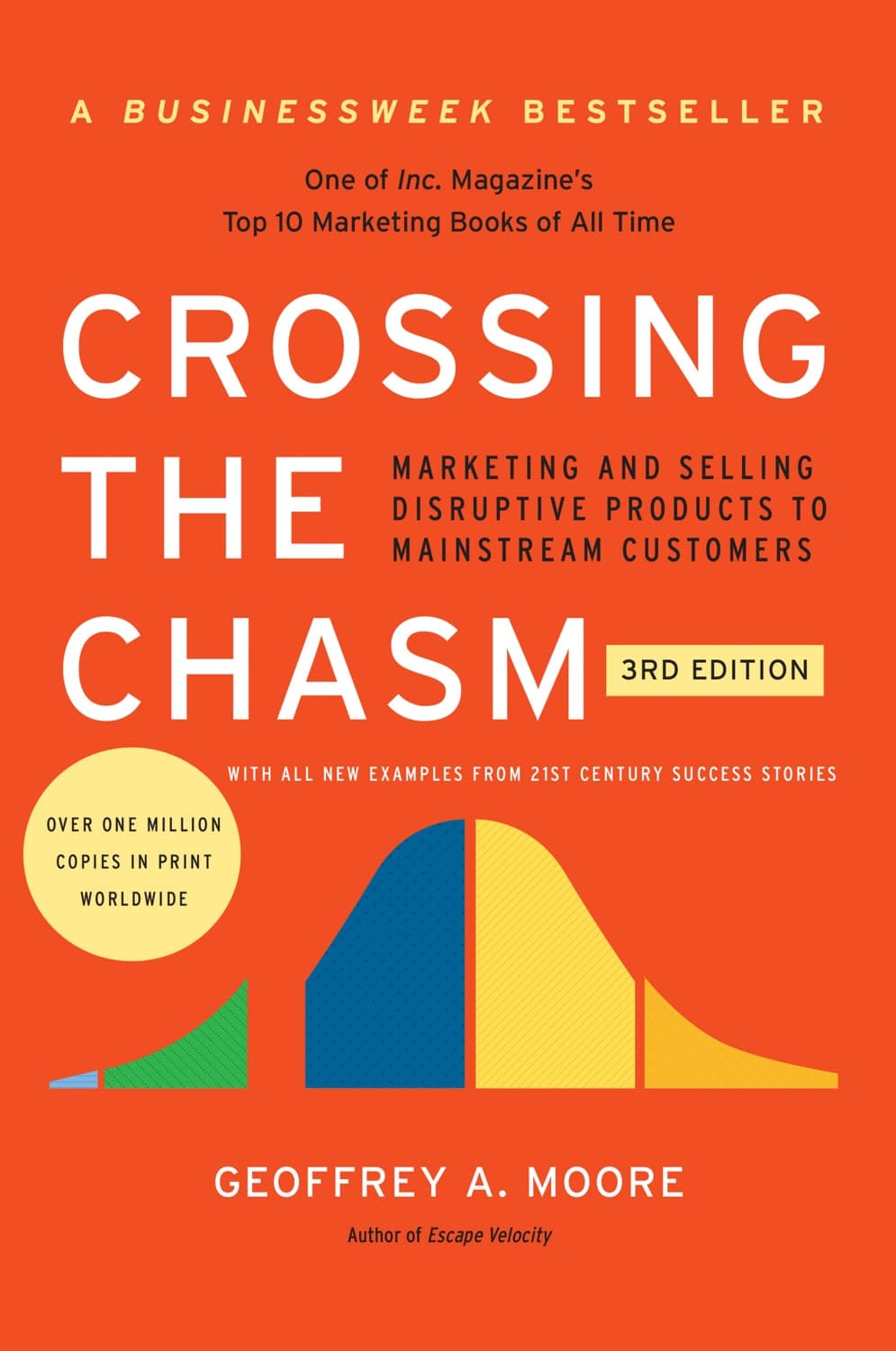
Crossing the Chasm
Geoffrey A. Moore
Crossing the Chasm changes go-to-market from “get users” to “win a segment,” by explaining why early adopters do not predict mainstream demand.
Sell to a beachhead, not everyone
Moore’s model teaches how to structure the story you tell customers and the product positioning that makes adoption spread. It matters for canonical startup stories because it exposes the hidden reason many launches stall.
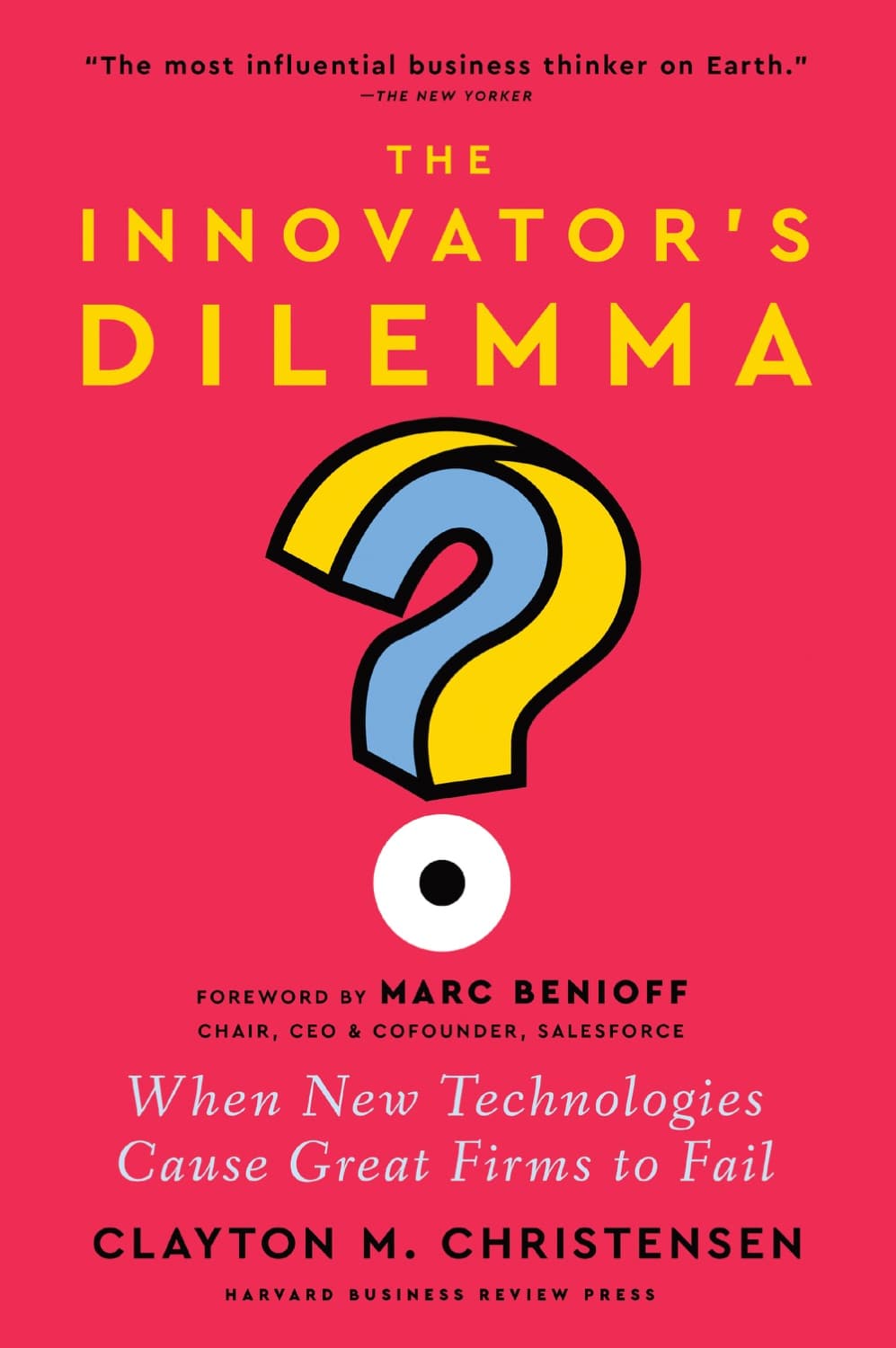
The Innovator's Dilemma
Clayton Christensen
After The Innovator's Dilemma, “disruption” stops being a buzzword and becomes a pattern: incumbents rationally miss what threatens them.
Disruptions start low-end or new-market
Christensen’s theory gives you a lens to interpret startup-versus-incumbent stories, including why the “best-run” companies can still lose. It also sharpens strategy by clarifying which kinds of entrants succeed and why.
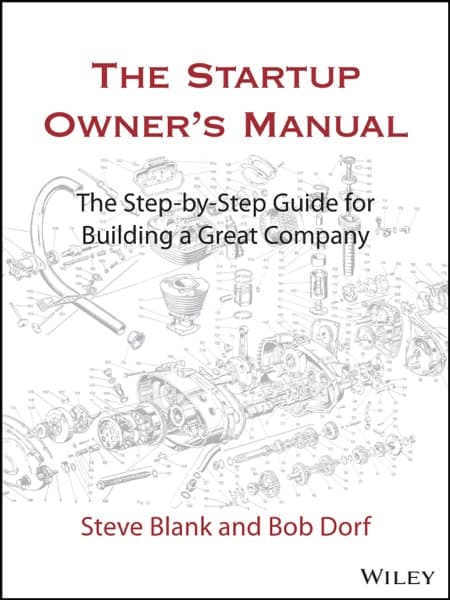
The Startup Owners Manual
Steve Blank and Bob Dorf
The Startup Owners Manual turns chaos into a process: customer discovery and validation become repeatable steps, not mysterious founder instinct.
Search is a process, not a feeling
Blank and Dorf formalize customer development so your startup story revolves around evidence about users, not just building. It strengthens the narrative by showing how founders learn before scaling.
Monopoly is the goal

Venture deals
Brad Feld
Venture Deals makes fundraising legible by translating term sheets and VC behavior into the incentives that shape every negotiation.
Term sheets are incentive contracts
Feld gives you the framework to understand the “why” behind investor moves, which changes how you tell and evaluate your startup story. Instead of treating capital as luck, you see mechanics: structure, control, and risk.

Founders
Jimmy Soni
The Founders turns PayPal-level history into a repeatable lens on how founders assemble teams, navigate power, and build at speed without losing direction.
History is a decision map
Soni’s narrative approach makes canonical startup history easy to apply: you track decisions and tradeoffs rather than just absorbing slogans. It complements framework books by showing how strategy and execution collide in real founder arcs.
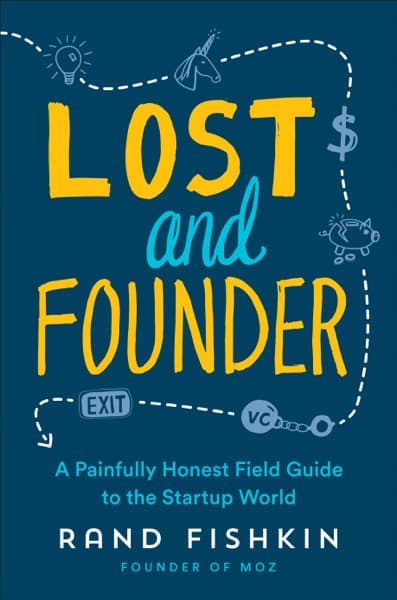
Lost and Founder
Rand Fishkin
Lost and Founder reframes startup growth as a systems problem, exposing how founder psychology, hiring, and narrative control affect outcomes.
Culture and incentives compound
Fishkin’s candid account supplies modern startup realism, including fundraising stress and organizational strain, which many classic guides gloss over. It makes your framework study more honest because it shows where frameworks do and do not protect you.
Can we tailor this list for you?
Type your question in the bar below and the AI will tailor a fresh set of picks just for you.