Best Books on Bootstrapped Startup Stories
Bootstrapped startup canon: The Lean Startup, Rework, and Chris Guillebeau’s The $100 startup teach the same lesson through different lenses: how to learn fast without cash-burn fantasies.
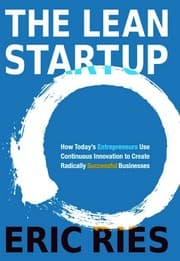
The Lean Startup
Eric Ries
You stop treating a startup idea like a guess and start treating it like a testable experiment, with learning built into every decision.
Validated learning replaces opinions with experiments.
It turns lean, resource-constrained building into a repeatable method, anchored in how early companies survive uncertainty. That fits bootstrapping because capital limits force clarity on what you can validate, what you can postpone, and what you can measure.
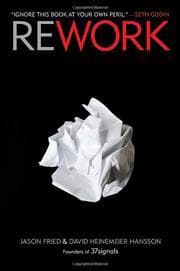
Rework
Jason Fried, David Heinemeier Hansson
It makes “typical startup” assumptions feel optional, pushing focus on shipping, simplicity, and profitable momentum over hustle theatrics.
If it’s not working, change it now.
Rework extracts practical rules from Basecamp’s bootstrappy mindset, challenging plans, forecasts, and complexity that eat scarce time. It matters for bootstrappers because the book rewards constraints and questions the default path that requires outside money to feel meaningful.
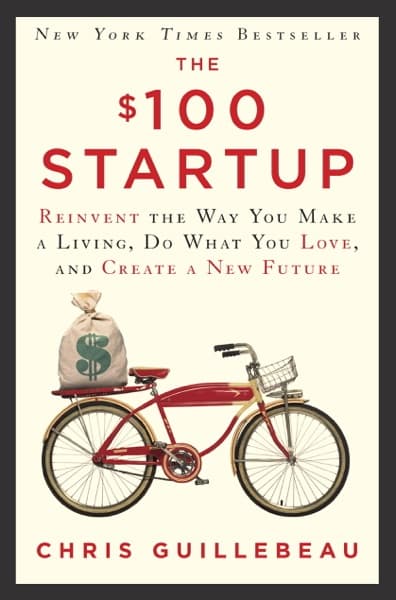
The $100 Startup
Chris Guillebeau
It reframes entrepreneurship as something you can validate with modest commitments, turning “someday” into repeatable customer-facing work.
Sell first: revenue is the validation.
The $100 startup gathers examples where founders start lean and sell quickly, emphasizing independence and resilience over big launches. For bootstrappers, it offers a mindset for using small bets to discover what sticks.
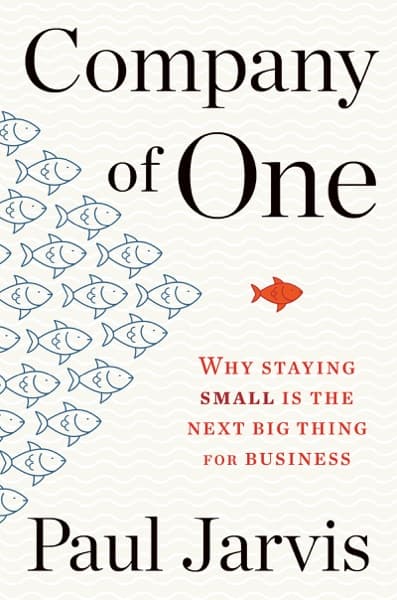
Company of One
Paul Jarvis
It argues that a profitable, intentionally small business can be the whole strategy, not a phase before “real” scale.
Serve fewer clients better, to stay free.
Company of One gives bootstrappers permission to optimize for sustainable independence, craft, and customer value rather than venture-style growth targets. That shift matters when outside capital is off the table and your time is your most expensive asset.
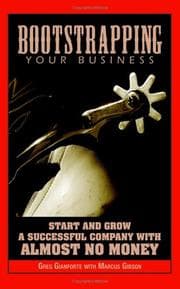
Bootstrapping Your Business
Greg Gianforte
It treats bootstrapping as a financial and operational discipline, where clarity about cash flow protects you from wishful planning.
Cash flow discipline beats optimism.
This book focuses directly on building without investment and making the business robust with limited resources. For a bootstrapped founder, that means fewer surprises and more confidence in how decisions translate into survival and stability.
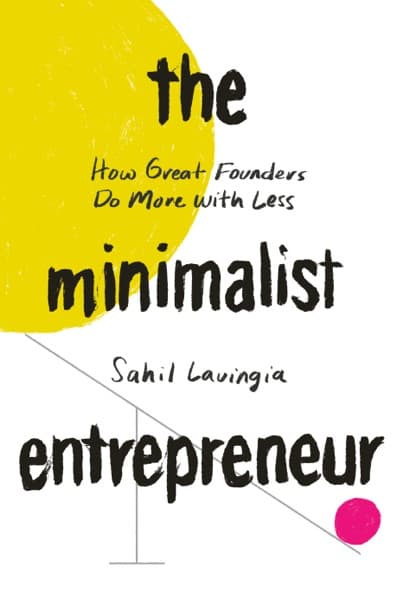
The Minimalist Entrepreneur
Sahil Lavingia
It pushes you to build with fewer moving parts so your business can run with less dependence on momentum, marketing tricks, and constant reinvention.
Remove work, keep value: fewer inputs.
The Minimalist Entrepreneur distills what worked for a modern bootstrap case, emphasizing value, focus, and sustainable execution. For bootstrappers, the appeal is practical: fewer distractions, clearer priorities, and less fragile growth behavior.
If it’s not working, change it now.
Anything you want
Derek Sivers
A tiny start can compound into a real business when you’re willing to sell, learn from customers, and keep improving instead of waiting for permission.
Treat selling and learning as the startup itself.
Sivers tells the CD Baby story in a way that makes bootstrapping feel achievable and specific, with decisions that map to daily execution. It helps bootstrappers because it emphasizes action, customer demand, and pragmatic iteration over grand strategy.
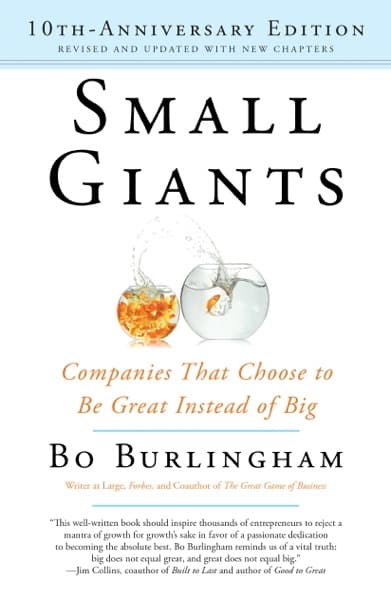
Small Giants
Bo Burlingham
It shows that staying independent is not a compromise, but a distinct operating philosophy that protects culture and customer trust.
Stay small by design, not by accident.
Small Giants contrasts hypergrowth narratives with companies choosing manageable scale and long-term profitability. For bootstrappers, it offers a blueprint for building companies that can last without needing external capital to justify existence.
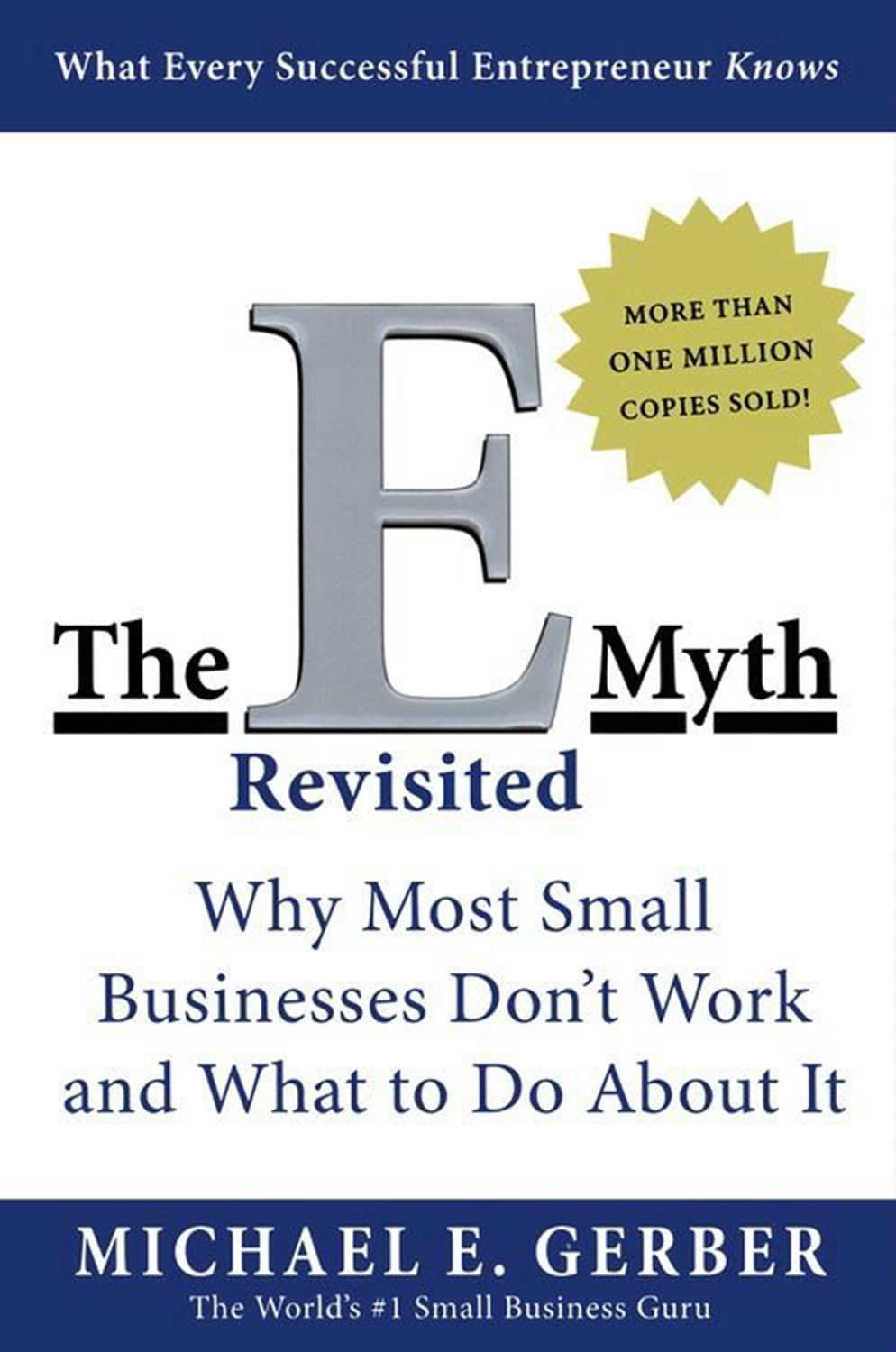
The E-Myth Revisited
Michael E. Gerber
It turns “being busy” into a management problem, shifting your goal from personal labor to a system that can run without you.
Work on the business, not just in it.
The E-myth revisited reframes small business success as productized processes and roles, not heroic founder effort. That’s crucial for bootstrapped startups because limited cash means you need repeatability early, not improvisation forever.
Can we tailor this list for you?
Type your question in the bar below and the AI will tailor a fresh set of picks just for you.