Best Case Studies Books on Startup Stories
Startup case-studies that became canonical: Ben Horowitz’s The Hard Thing About Hard Things for crisis leadership, plus founder memoirs and frameworks that explain how decisions compound over time.
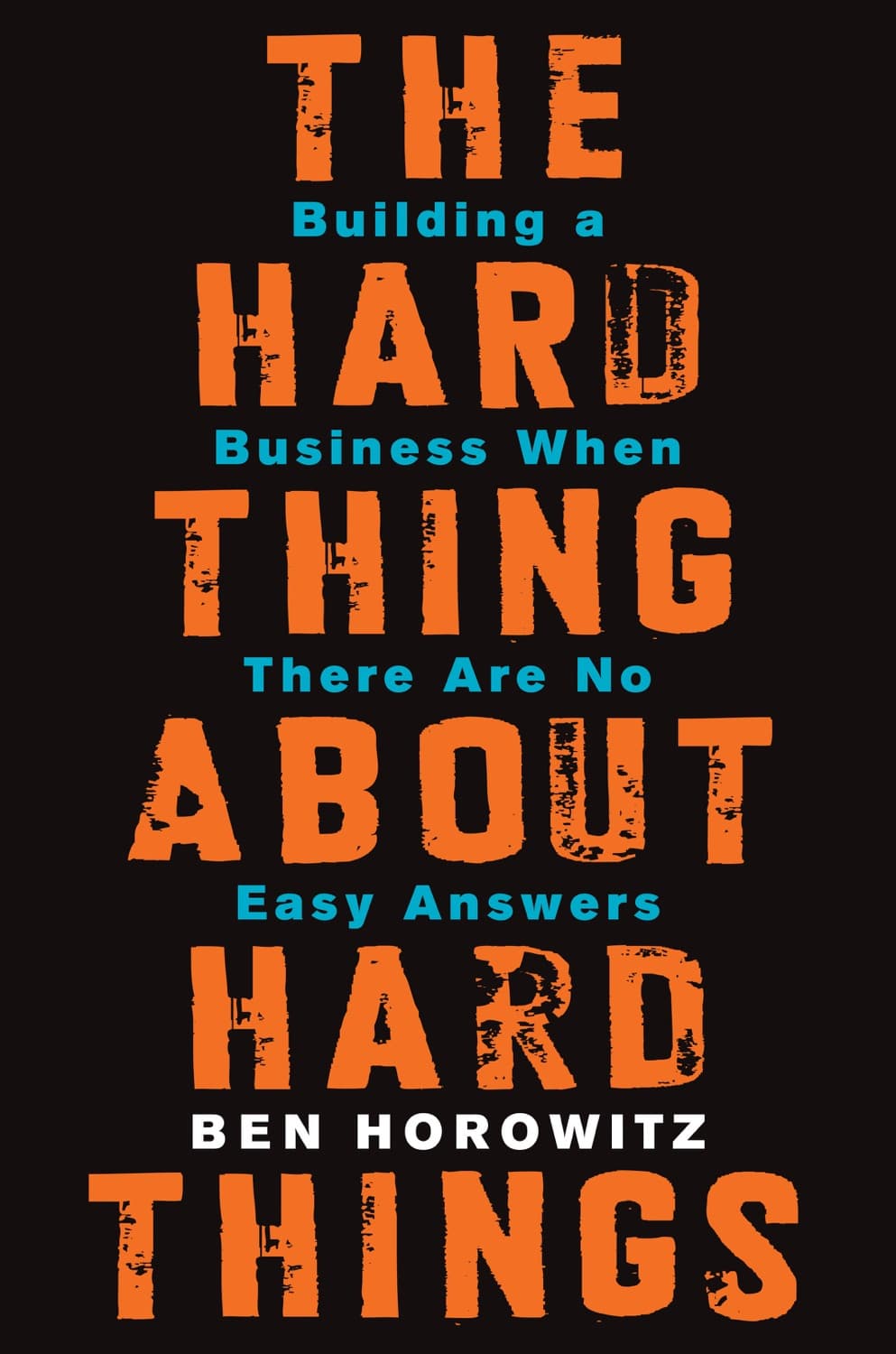
The Hard Thing About Hard Things
Ben Horowitz
Read the playbook for surviving bad news: strategy, people, and execution when nothing is working and you still have to decide.
When morale breaks, tactics and truth both matter.
Horowitz turns hard startup moments into decision rules you can reuse, especially around crisis leadership and uncomfortable people problems. That maps cleanly to “essential, canonical case studies” because it reads like operator notes from the center of collapse and recovery.
The Lean Startup
Eric Ries
Turns startup uncertainty into testable hypotheses so you stop debating opinions and start measuring learning.
Validated learning beats opinions and vanity metrics.
Ries reframes the “startup story” as an evidence loop: build, measure, learn, then pivot or persevere with receipts. That matters when you want widely recommended canonical cases where the method is as important as the anecdotes.
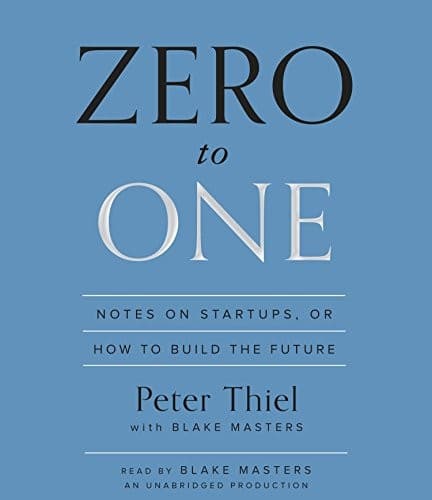
Zero to One
Peter Thiel, Blake Masters
Argues that progress is not scaling what exists but creating something new with defensible advantage.
A monopoly is the point, not a side effect.
Thiel’s case-driven thinking sharpens how you evaluate opportunities, competition, and why some companies escape commoditization. It complements “startup stories” by focusing on the strategic lens behind the narrative outcomes.
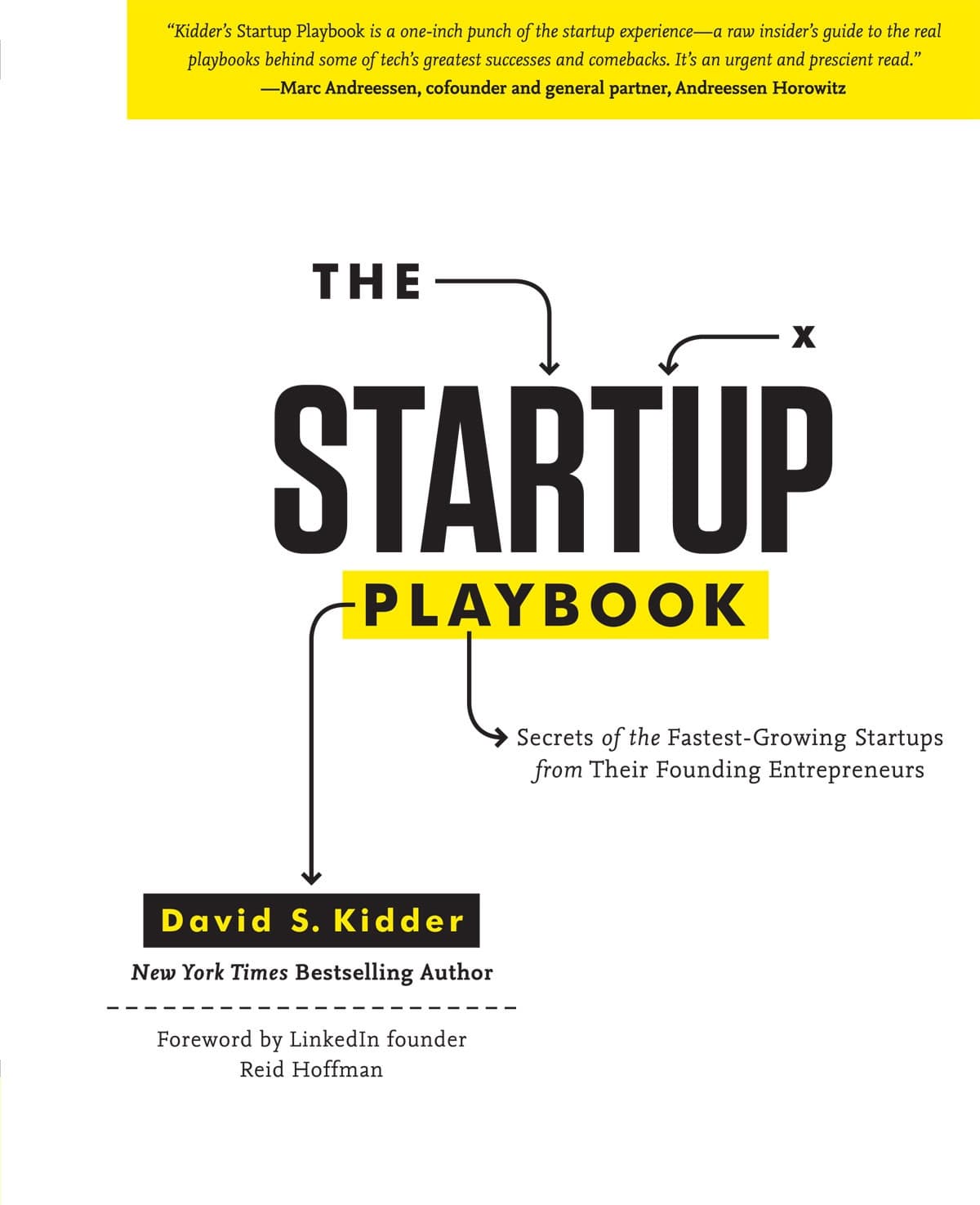
The Startup Playbook
David S. Kidder
Distills founder lessons into practical decision-making guidance across what actually derails early momentum.
Build distribution as a first-class product problem.
Kidder’s strength is extracting repeated patterns from many successful builders, so you get canonical case knowledge without needing a business school framework. That suits a search for essential, widely recommended startup case studies that still feel actionable.
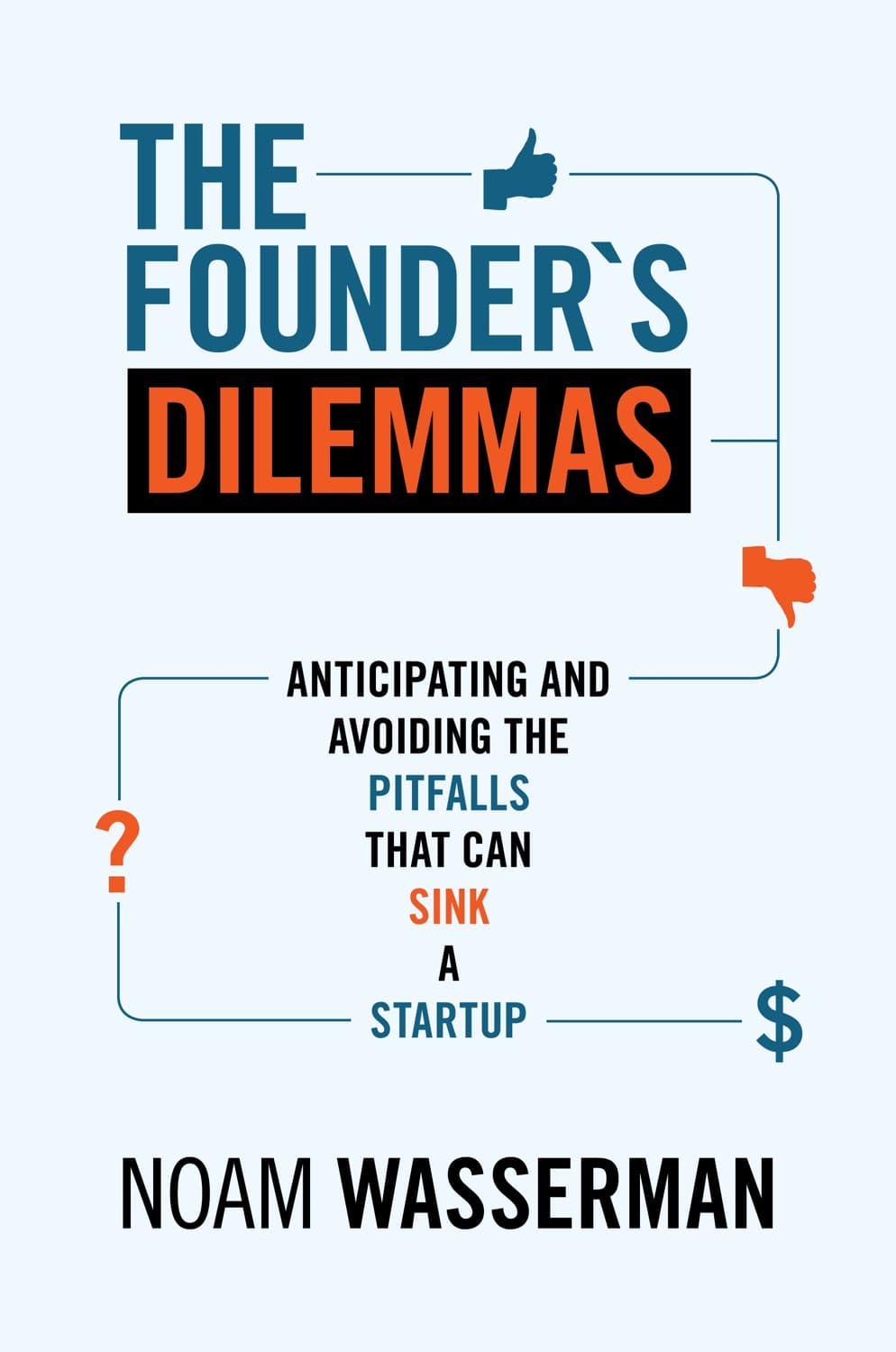
The Founder's Dilemmas
Noam Wasserman
Makes early-stage partnership decisions measurable, not just negotiable instincts.
Cofounder fit predicts friction, not just culture.
Wasserman uses research-backed startup cases to explain cofounder selection, equity choices, and early governance tradeoffs. That’s crucial if you want canonical stories where “why it worked” includes the human and ownership decisions that founders often underwrite poorly.
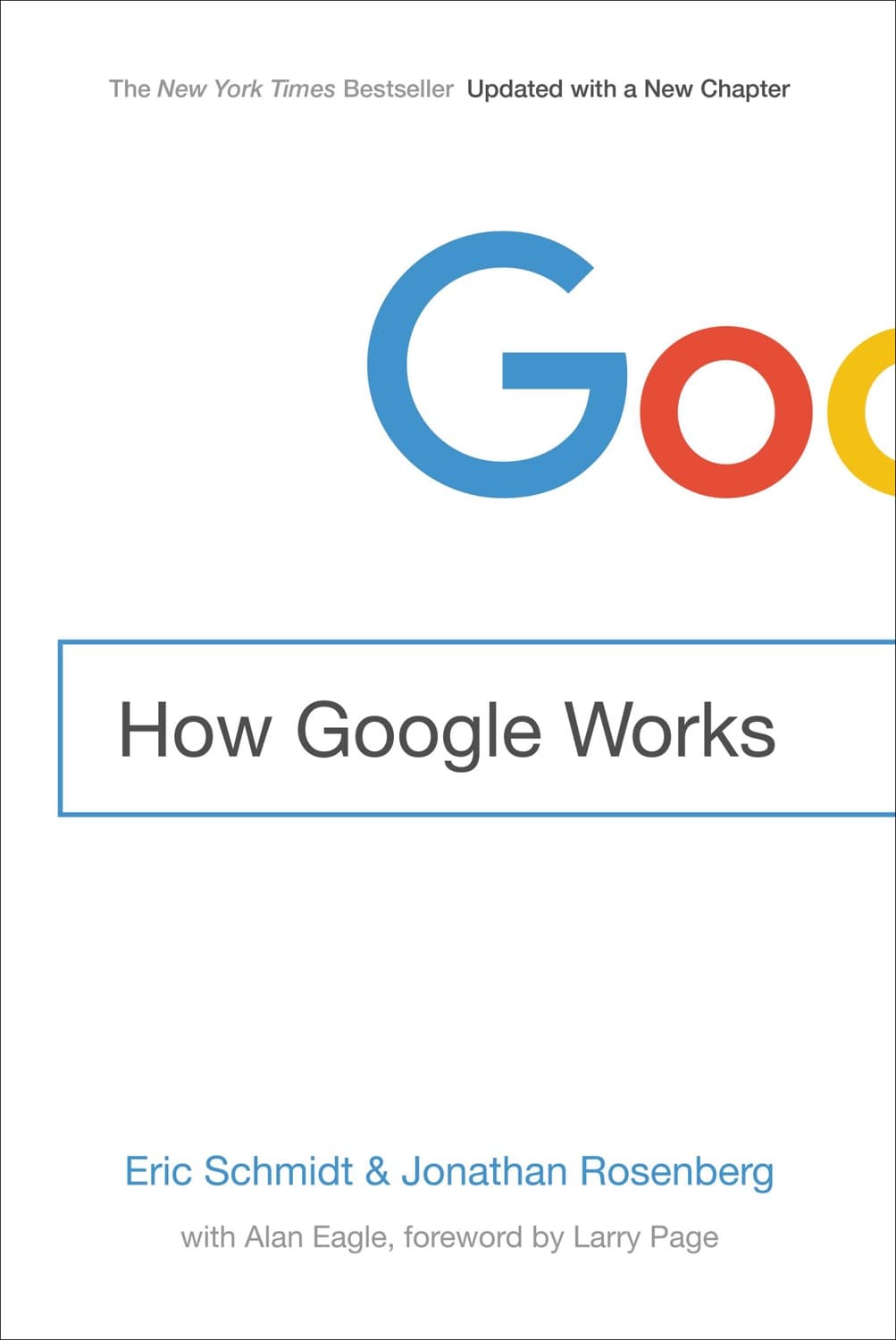
How Google Works
Eric Schmidt, Jonathan Rosenberg
Shows how a massive company still runs on founder-like questions: clarity, decision rights, and measurable focus.
Don’t confuse consensus with speed or quality.
The book offers widely cited case examples from Google’s growth, translating those experiences into leadership practices you can borrow for startups. It fits your “canonical case-studies” aim by treating company-building as a set of decisions, not just an inspirational arc.
Validated learning beats opinions and vanity metrics.
Lost and Founder
Rand Fishkin
A transparent startup story where the mistakes are named and the lessons follow the data, not the mythology.
The truth you avoid becomes the cost you pay later.
Fishkin recounts building, scaling, and the interpersonal and product choices behind growth, plus how pivots land when incentives are misaligned. It aligns with canonical case-study expectations because the narrative is specific and corrective, not just celebratory.
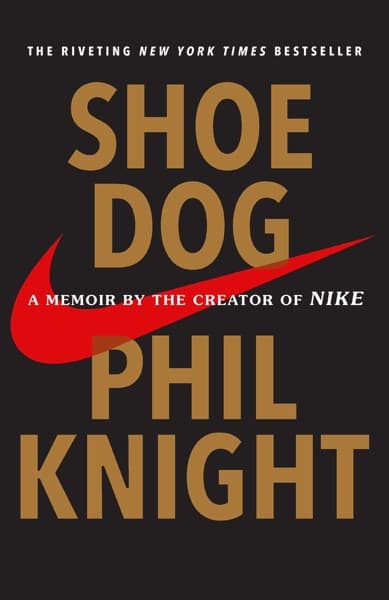
Shoe Dog
Phil Knight
A founder memoir that treats risk, debt, and obsession as the actual mechanics of building a brand into a company.
Survive long enough for the flywheel to turn.
Knight’s story provides a case-study lens on perseverance through capital constraints and market uncertainty, with decisions that feel grounded rather than theoretical. For “essential, widely recommended” startup storytelling, it delivers the emotional reality behind long timelines and imperfect outcomes.
Can we tailor this list for you?
Type your question in the bar below and the AI will tailor a fresh set of picks just for you.