Best Books on Nuclear History
Nuclear history runs from the Manhattan Project to Chernobyl, and these books trace it: Richard Rhodes on the bomb's invention, Kai Bird and Martin J. Sherwin on Oppenheimer, John Hersey on Hiroshima, and Eric Schlosser on the arms race that followed.
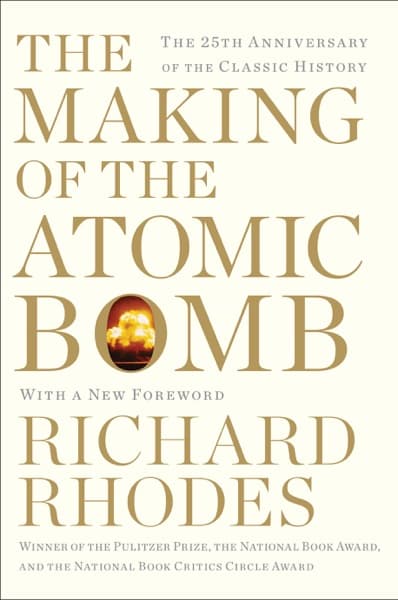
The Making of the Atomic Bomb
Richard Rhodes
The full arc of the bomb, from a thought on a London street corner to the flash over Hiroshima.
The bomb began as physics, not a weapons program.
Richard Rhodes traces the physics, the people, and the politics of the Manhattan Project across four decades, weaving science and biography into one continuous narrative. It teaches how an idea became a weapon, and works for readers who want the complete story in one volume.
American Prometheus
Kai Bird, Martin J. Sherwin
The physicist who led Los Alamos, then lost his security clearance to the politics he helped unleash.
Building the bomb and surviving its politics were separate battles.
Kai Bird and Martin J. Sherwin spent decades on this biography of J. Robert Oppenheimer, covering his rise, his role in the project, and his fall during the 1954 hearing. It is for readers who want the human cost of the bomb told through one complicated life.
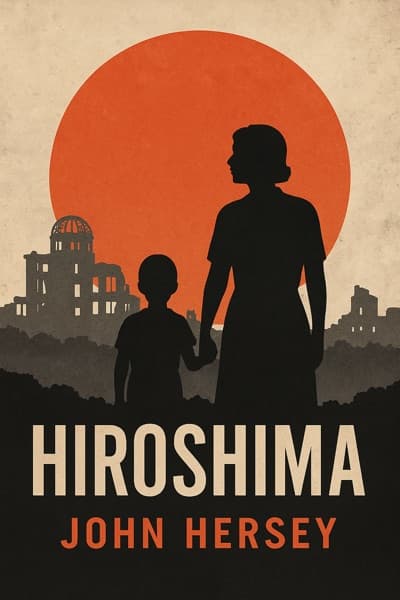
Hiroshima
John Hersey
Six ordinary people in Hiroshima on the morning the world changed, followed through the blast and the years after.
The bomb's history is also six survivors' ordinary mornings.
John Hersey's account first appeared in 1946 and put human faces on a weapon most readers knew only as a headline. It teaches what the bomb did at ground level, and is a short, direct entry point for anyone new to the subject.
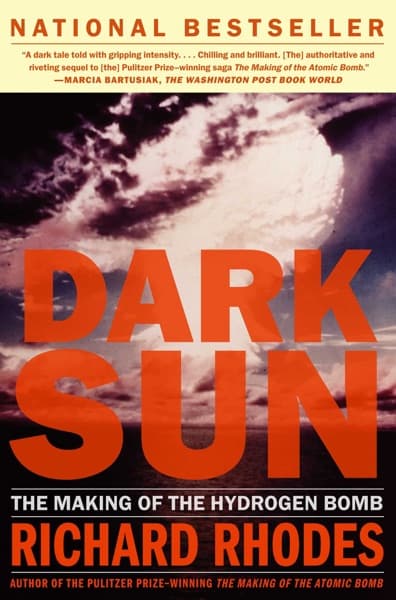
Dark Sun
Richard Rhodes
The hydrogen bomb, the Soviet race to catch up, and the spies who shortened the gap.
Espionage shaped the arms race as much as physics.
Richard Rhodes picks up where his first book ends, covering the thermonuclear weapon and the espionage that fed the Soviet program. It is for readers who want to understand how the arms race began and how fast it escalated.
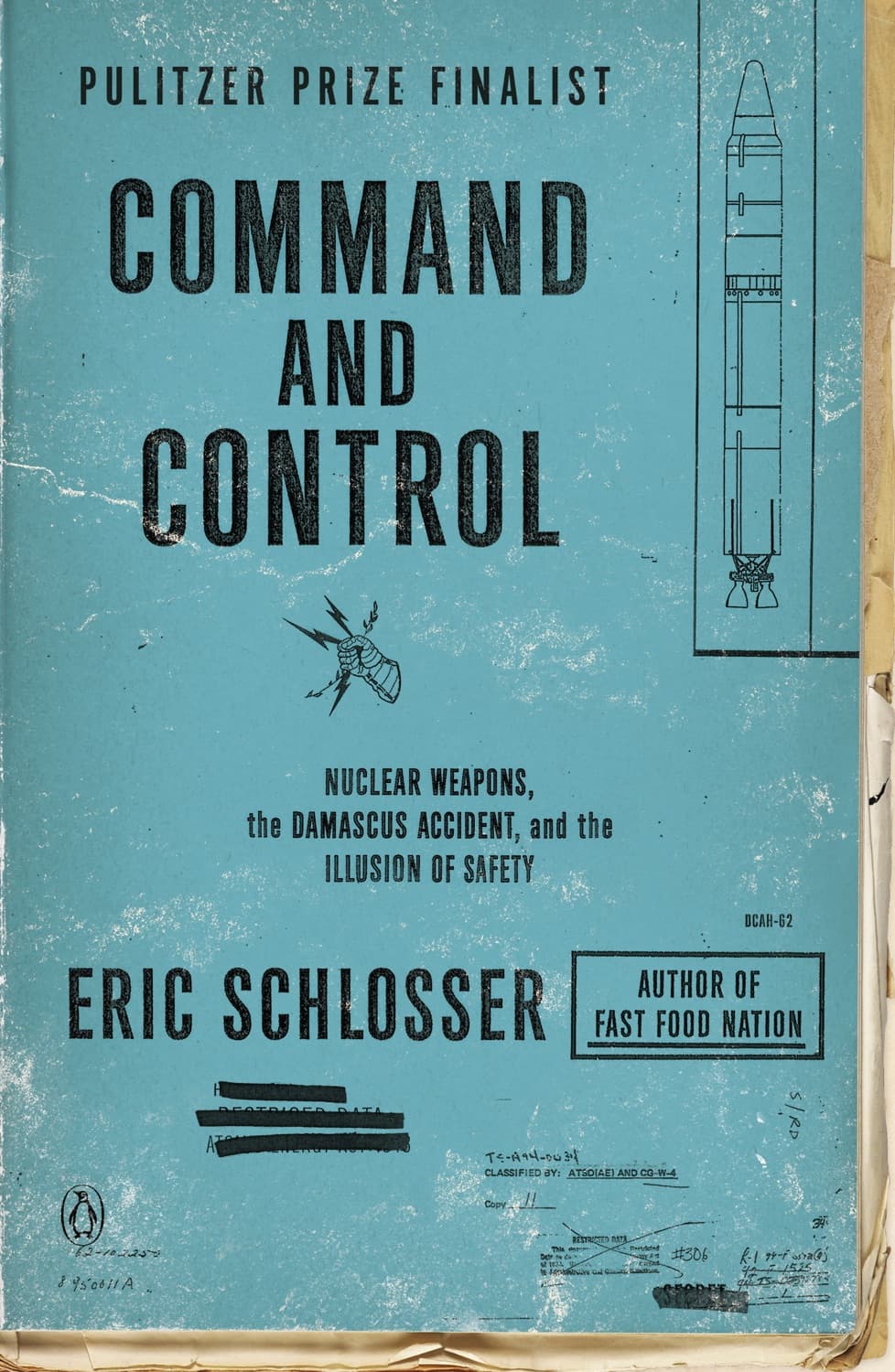
Command and Control
Eric Schlosser
A dropped socket in a Damascus missile silo becomes a window into how close nuclear safety runs to the edge.
The arsenal was nearly as dangerous to its owners.
Eric Schlosser pairs the story of a 1980 Titan II accident with a broader history of near-misses in the American arsenal. It teaches how managing thousands of weapons created its own dangers, and suits readers drawn to the engineering and the human error behind the Cold War.
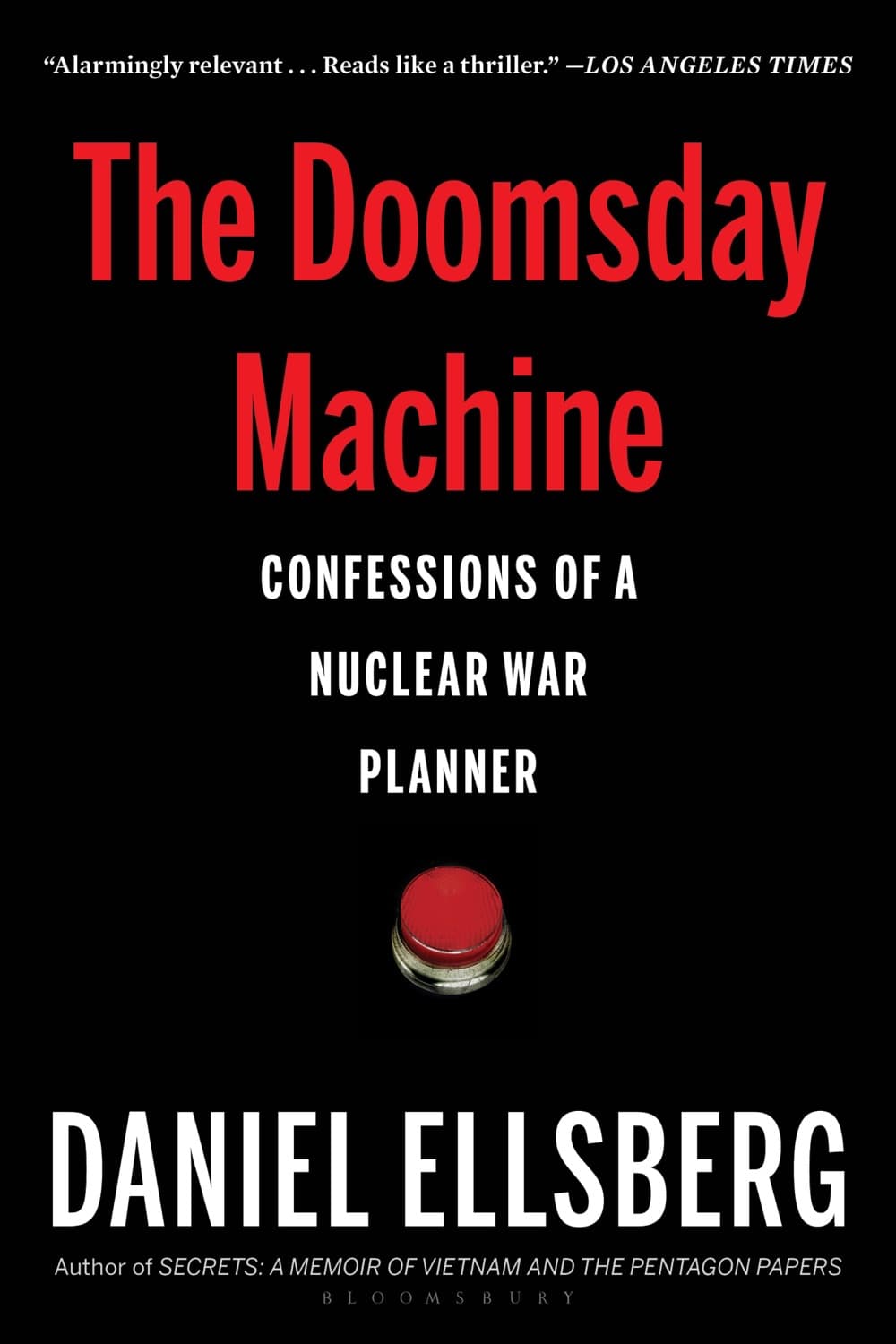
The Doomsday Machine
Daniel Ellsberg
A former insider explains how U.S. nuclear war plans were built to kill on a scale he found hard to believe.
War plans assumed casualties in the hundreds of millions.
Daniel Ellsberg drew on his work as a nuclear war planner to describe the doctrine and machinery of mutual destruction. It is for readers who want a firsthand account of how strategists actually thought about using these weapons.
Building the bomb and surviving its politics were separate battles.
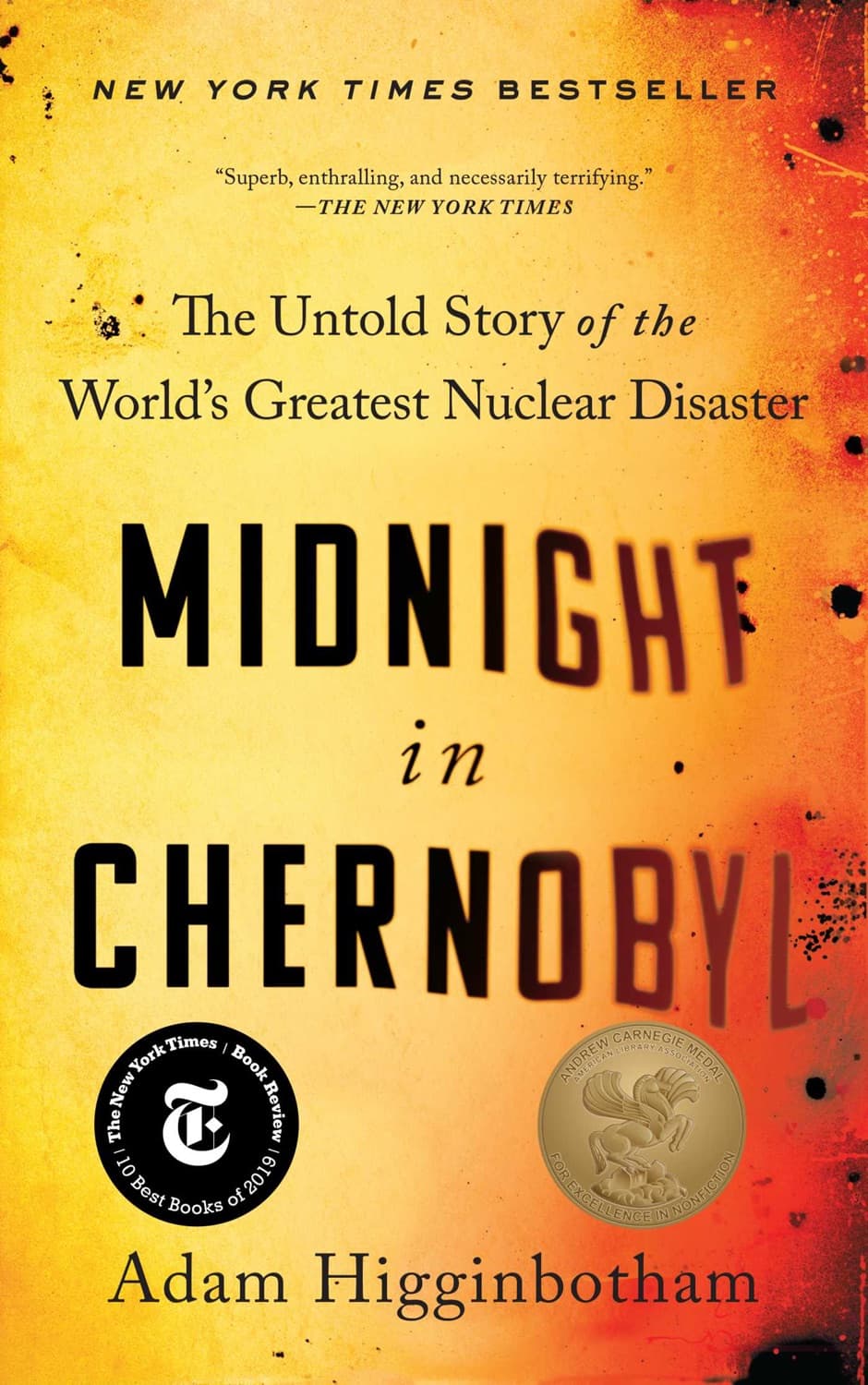
Midnight in Chernobyl
Adam Higginbotham
The 1986 reactor explosion at Chernobyl, reconstructed hour by hour from the control room outward.
Chernobyl was as much secrecy as it was physics.
Adam Higginbotham draws on years of interviews and archives to detail the accident, the cover-up, and the cleanup. It teaches how a flawed reactor and a closed system combined into disaster, and is for readers interested in nuclear power rather than weapons.
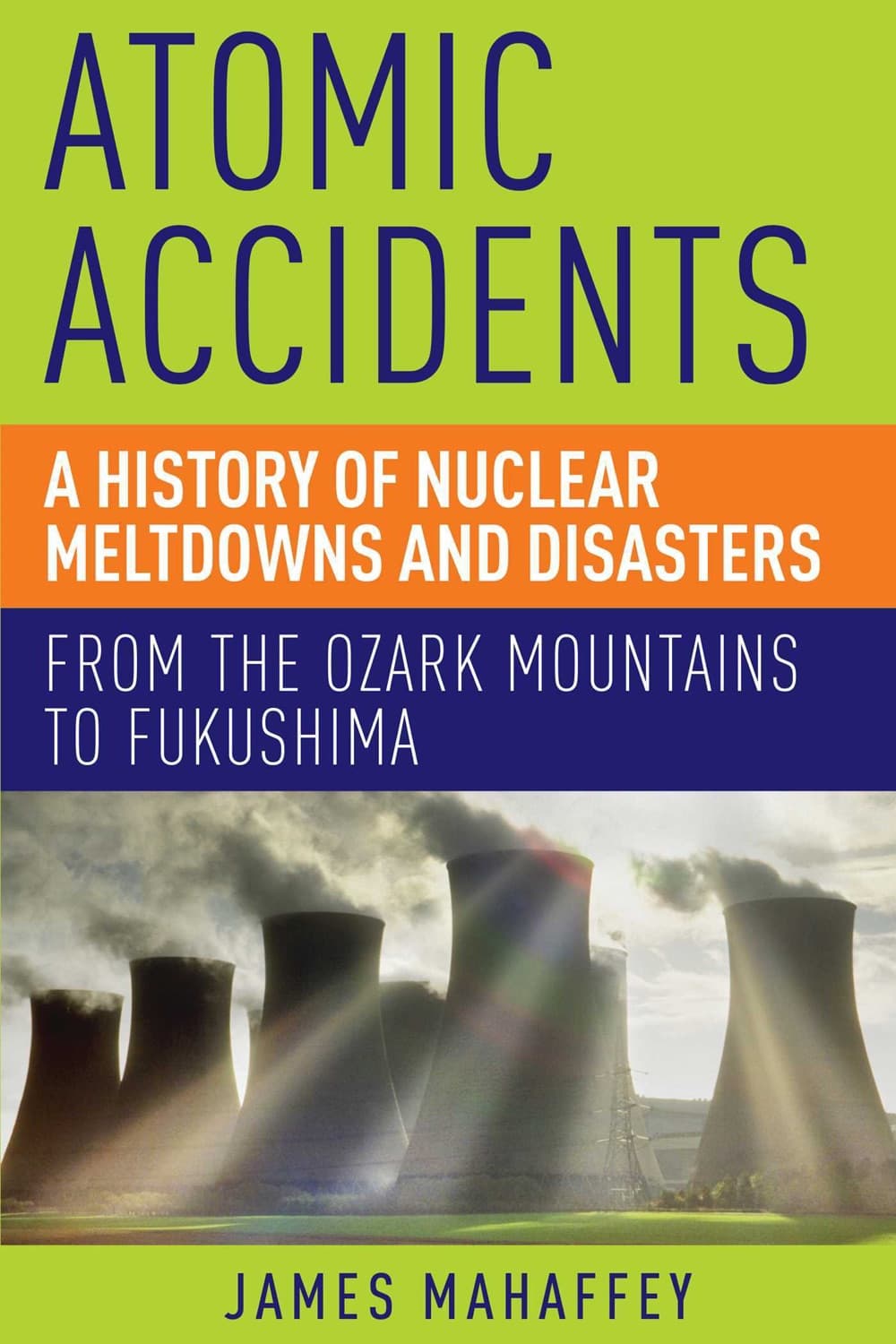
Atomic Accidents
James Mahaffey
A nuclear engineer walks through a century of meltdowns, criticality accidents, and near-disasters.
Most nuclear accidents trace back to human decisions.
James Mahaffey explains what went wrong at reactors and labs around the world, and why, in plain terms. It is for readers who want the technical side of nuclear power and weapons made understandable without a physics degree.
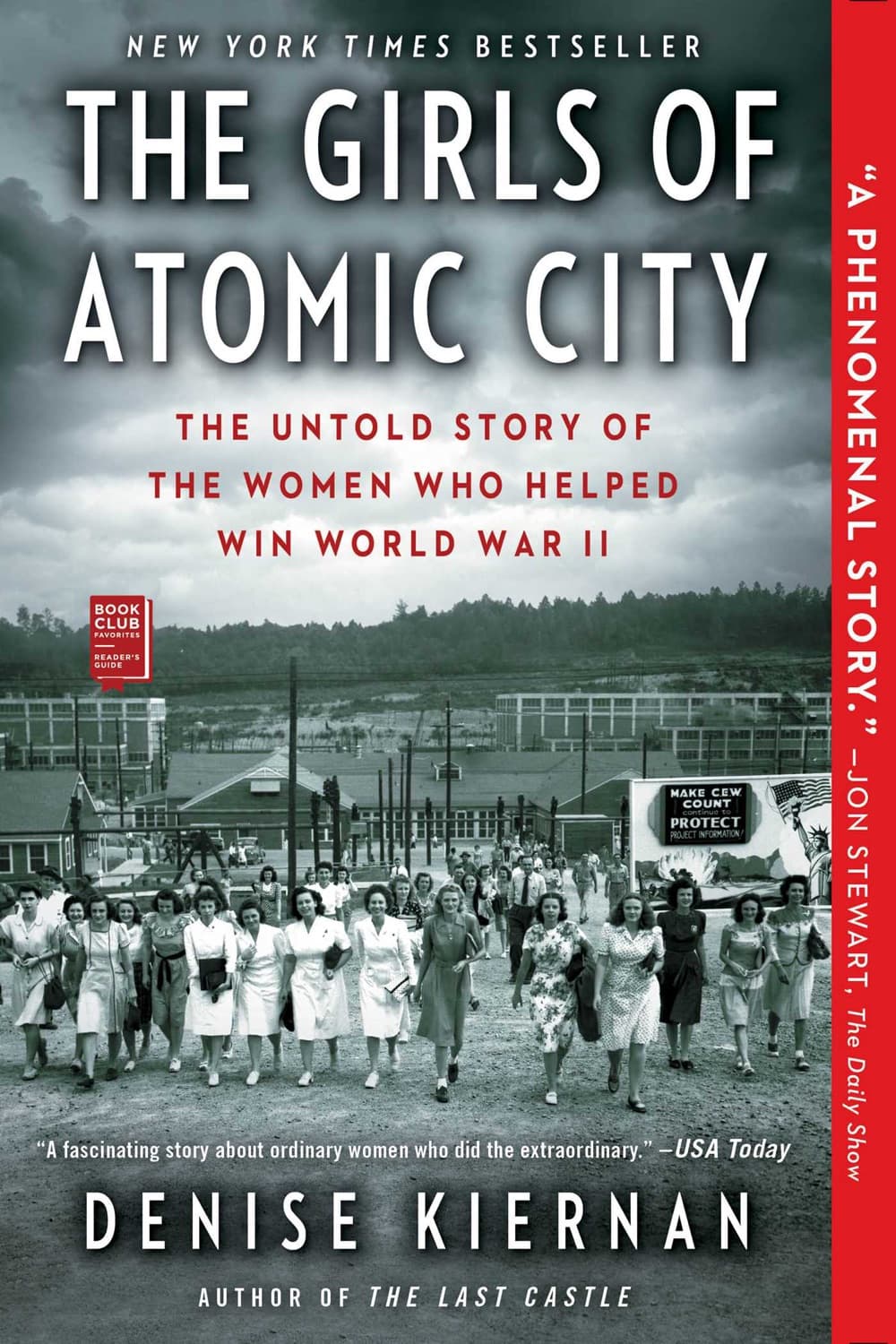
The Girls of Atomic City
Denise Kiernan
Thousands of young women worked at Oak Ridge enriching uranium without being told what they were building.
Most workers enriched uranium without knowing the goal.
Denise Kiernan tells the Manhattan Project from the secret city of Oak Ridge, through the women who staffed it under wartime secrecy. It teaches the labor and social history behind the bomb, an angle the famous accounts mostly skip.
Now it can be told : the story of the Manhattan Project
Leslie R. Groves
The general who ran the Manhattan Project tells it from the inside, in his own words.
The bomb was a logistics problem before a physics one.
Leslie R. Groves directed the project and later set down its administration, security, and decisions as he saw them. It is for readers who want a primary source from the man who managed the whole effort, useful read against the historians' accounts.
Can we tailor this list for you?
Type your question in the bar below and the AI will tailor a fresh set of picks just for you.