Best Books on India and Indian History
Indian history runs from ancient empires through colonial rule, Partition, and the world's largest democracy. Ramachandra Guha, Jawaharlal Nehru, William Dalrymple, and Yasmin Khan map the sweep, the rupture of 1947, and the politics that followed.
The Anarchy
William Dalrymple
How a private trading company conquered a subcontinent and answered to shareholders.
A corporation, not a crown, first conquered India.
William Dalrymple tells the rise of the East India Company from a London corporation to the ruler of much of India. It teaches how colonial control began as commerce backed by private armies, and suits readers who want the origins of British rule.
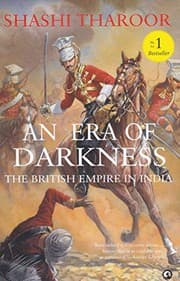
An Era of Darkness
Shashi Tharoor
A pointed accounting of what two centuries of British rule cost India.
Empire enriched Britain by impoverishing India.
Shashi Tharoor argues against the idea that colonialism benefited India, examining deindustrialization, famine, and extraction. It teaches the economic case in the colonialism debate and gives readers a sharp counterpoint to nostalgic histories of empire.
The discovery of India
Jawaharlal Nehru
India's first prime minister wrote his country's history from a British prison cell.
A founder imagined modern India before it existed.
Jawaharlal Nehru traces India's civilization, philosophy, and struggle for freedom while imprisoned in the 1940s. It teaches how the independence generation understood their own past, and is essential for seeing the nation it hoped to build.
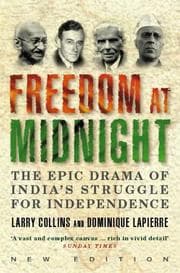
Freedom at Midnight
Larry Collins, Dominique Lapierre
The final year of the British Raj told as a sweeping, character-driven drama.
Independence and catastrophe arrived the same night.
Larry Collins and Dominique Lapierre recount the rush to independence and the partition of 1947 through Mountbatten, Gandhi, Jinnah, and Nehru. It teaches the human scale of those final months and remains the most accessible narrative of the handover.
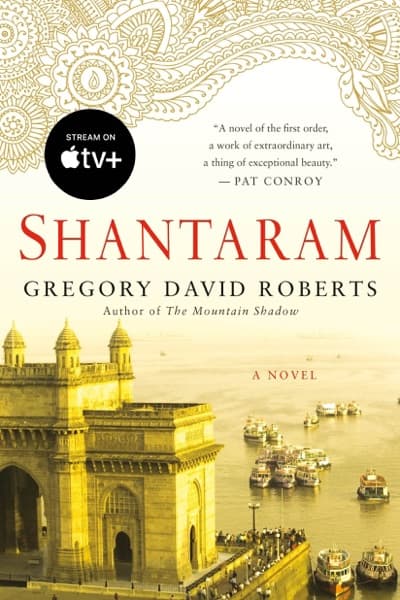
Shantaram
Gregory David Roberts
An Australian convict escapes a maximum-security prison and vanishes into the chaotic underworld of 1980s Bombay.
The true measure of a person is not what they achieve, but what they can endure for the people they love.
Shantaram is a towering achievement in atmospheric, experiential storytelling. Gregory David Roberts draws heavily on his own life as a fugitive, injecting the narrative with an undeniable visceral reality. The book acts as a masterclass in world building, pulling you directly into the heat, smells, and complex social codes of Bombay, from its tight knit slum communities to its criminal councils. It balances high stakes underworld adrenaline with profound philosophical depth, exploring love, loyalty, and the nature of evil. It is a massive, immersive journey that forces you to question what it means to be a good person when everything around you is broken.
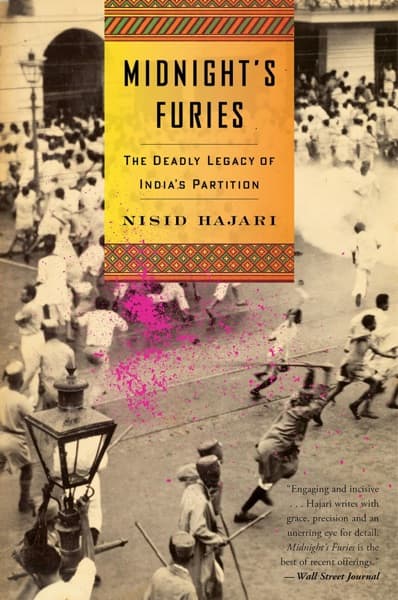
Midnight's Furies
Nisid Hajari
The bloodshed of 1947 and the enmity it hardened into between two nations.
1947's violence still shapes India and Pakistan.
Nisid Hajari traces the partition violence and the breakdown between Nehru and Jinnah that set India and Pakistan against each other. It teaches how the wounds of independence became a lasting rivalry, useful for understanding the region today.
Empire enriched Britain by impoverishing India.
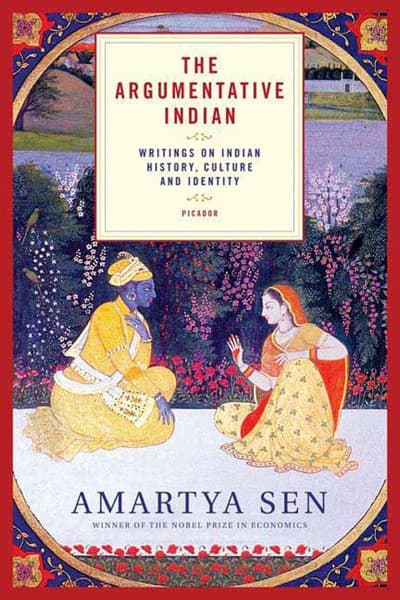
The Argumentative Indian
Amartya Sen
A Nobel economist makes the case for India's long tradition of debate and dissent.
India's democracy rests on a habit of argument.
Amartya Sen draws on history, culture, and identity to argue that argument itself is central to Indian society and democracy. It teaches a way of reading India's pluralism and politics, and suits readers interested in ideas over chronology.
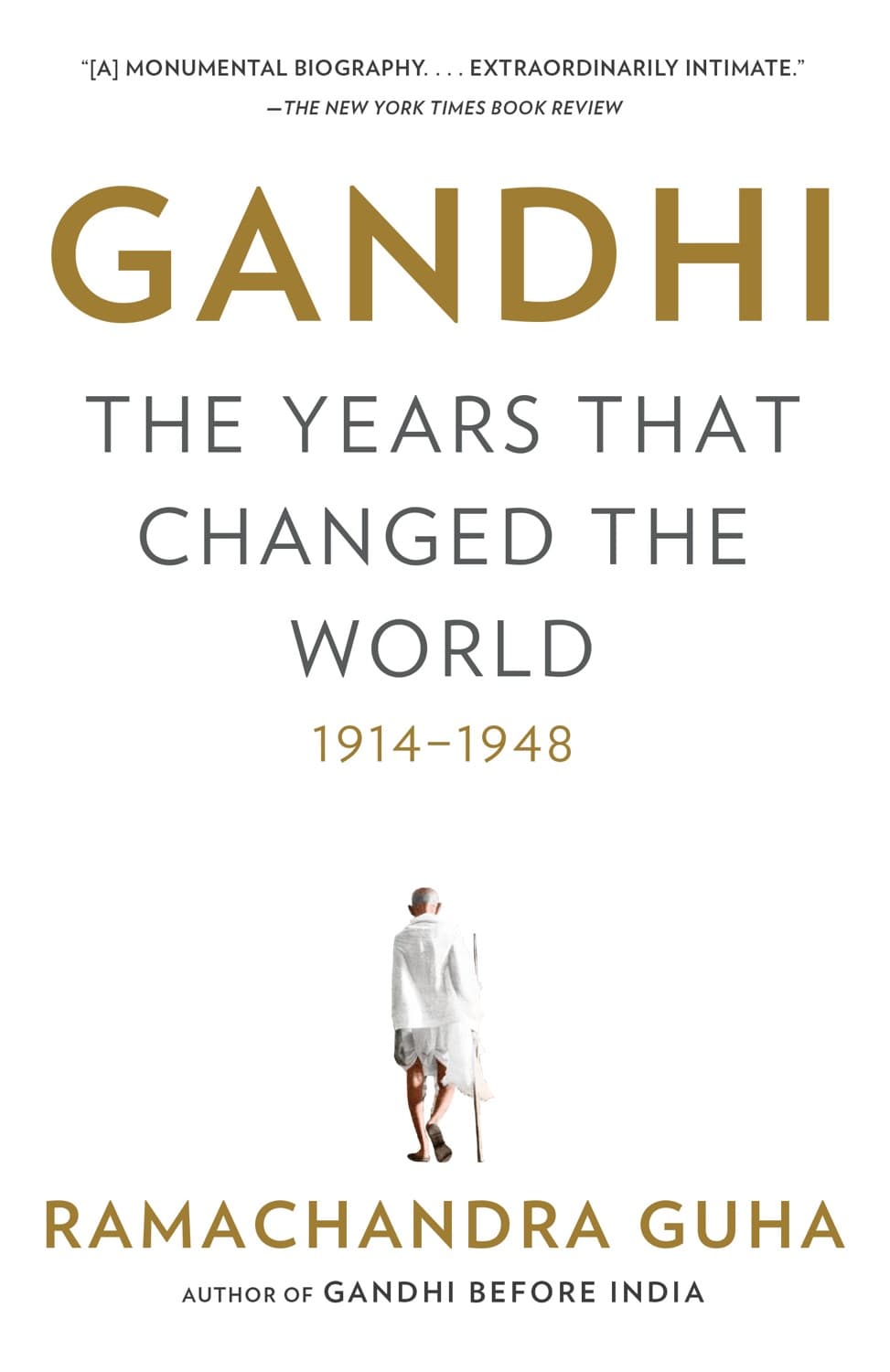
Gandhi 1914-1948
Ramachandra Guha
The decades when a London-trained lawyer became the conscience of a movement.
Gandhi's politics were forged in constant conflict.
Ramachandra Guha follows Gandhi from his return to India in 1914 through independence and his assassination in 1948. It teaches how the independence struggle was led and contested up close, and rewards readers who want depth on the man at its center.
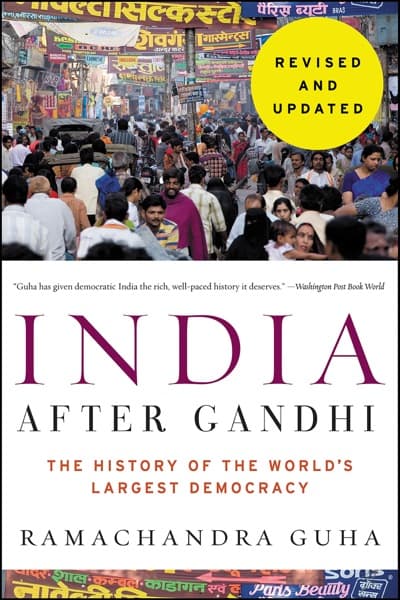
India after Gandhi
Ramachandra Guha
The story of how a poor, divided new country survived as a democracy.
India's survival as a democracy was never guaranteed.
Ramachandra Guha chronicles India from 1947 through its elections, conflicts, and reinventions across the decades that followed. It teaches the political history of the republic itself and is the natural anchor for understanding modern India.
Can we tailor this list for you?
Type your question in the bar below and the AI will tailor a fresh set of picks just for you.