Best Books on The Fed (Federal Reserve)
The Fed is easier to see clearly through William Greider’s Secrets of the Temple and Ben S. Bernanke’s The Federal Reserve and the Financial Crisis: power and tools in the same lens, with politics on full display.
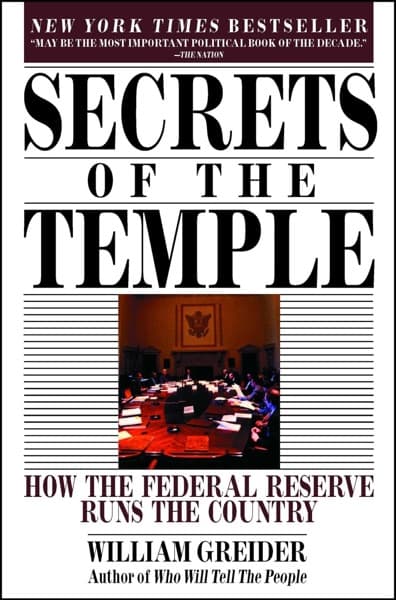
Secrets of the Temple
William Greider
Finish it with a mental model of the Fed as a political actor: decisions are never purely technical.
The Fed’s “independence” still runs through politics.
Greider builds the Fed’s story around power, incentives, and who pushes policy when stakes rise. That makes it ideal for understanding why the Fed’s choices feel like judgment calls, not just formulas.
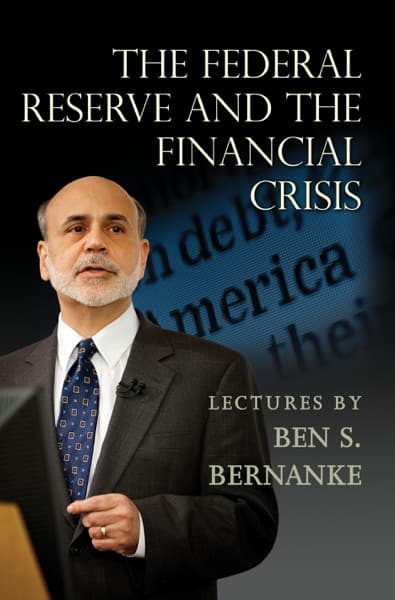
The Federal Reserve and the Financial Crisis
Ben S. Bernanke
You come away understanding the crisis as a sequence of Fed interventions where tools meet timing.
Crisis response is a toolbox plus a theory of the moment.
Bernanke explains how the Fed thought about its responsibilities and what its main instruments were meant to do during 2008. For Fed-focused reading, it’s the closest thing to an insider field manual without losing the stakes.
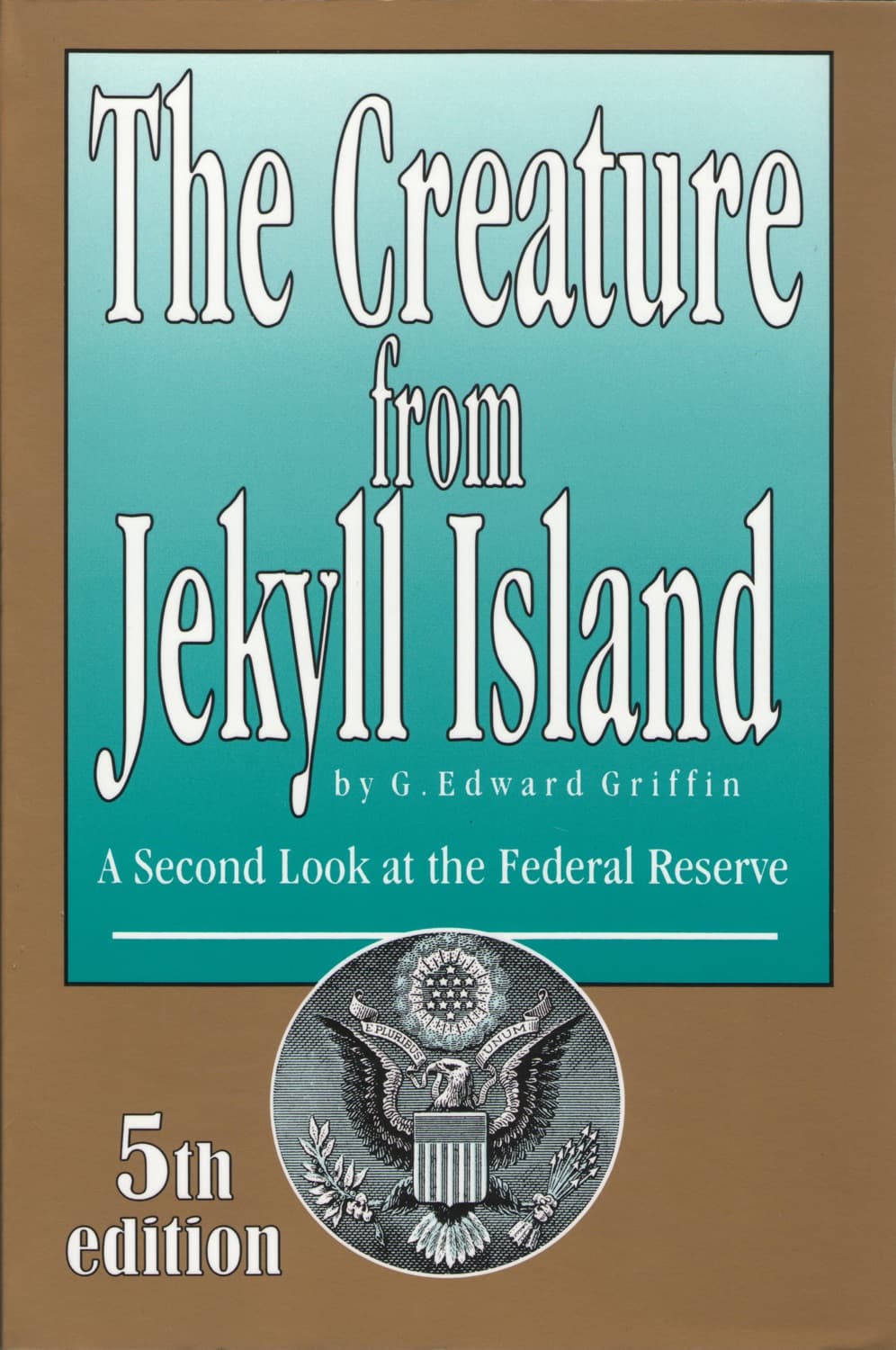
The Creature from Jekyll Island
G. Edward Griffin
Expect a sharp, conspiracy-tinged narrative that frames the Fed’s origin as deliberate capture, not inevitability.
It argues the Fed was designed to control money.
This is a polemical critique centered on how the Federal Reserve came to be, designed to provoke skepticism of official explanations. If you want the most aggressive dissenting perspective on the Fed’s origins, this delivers the attitude along with the argument.
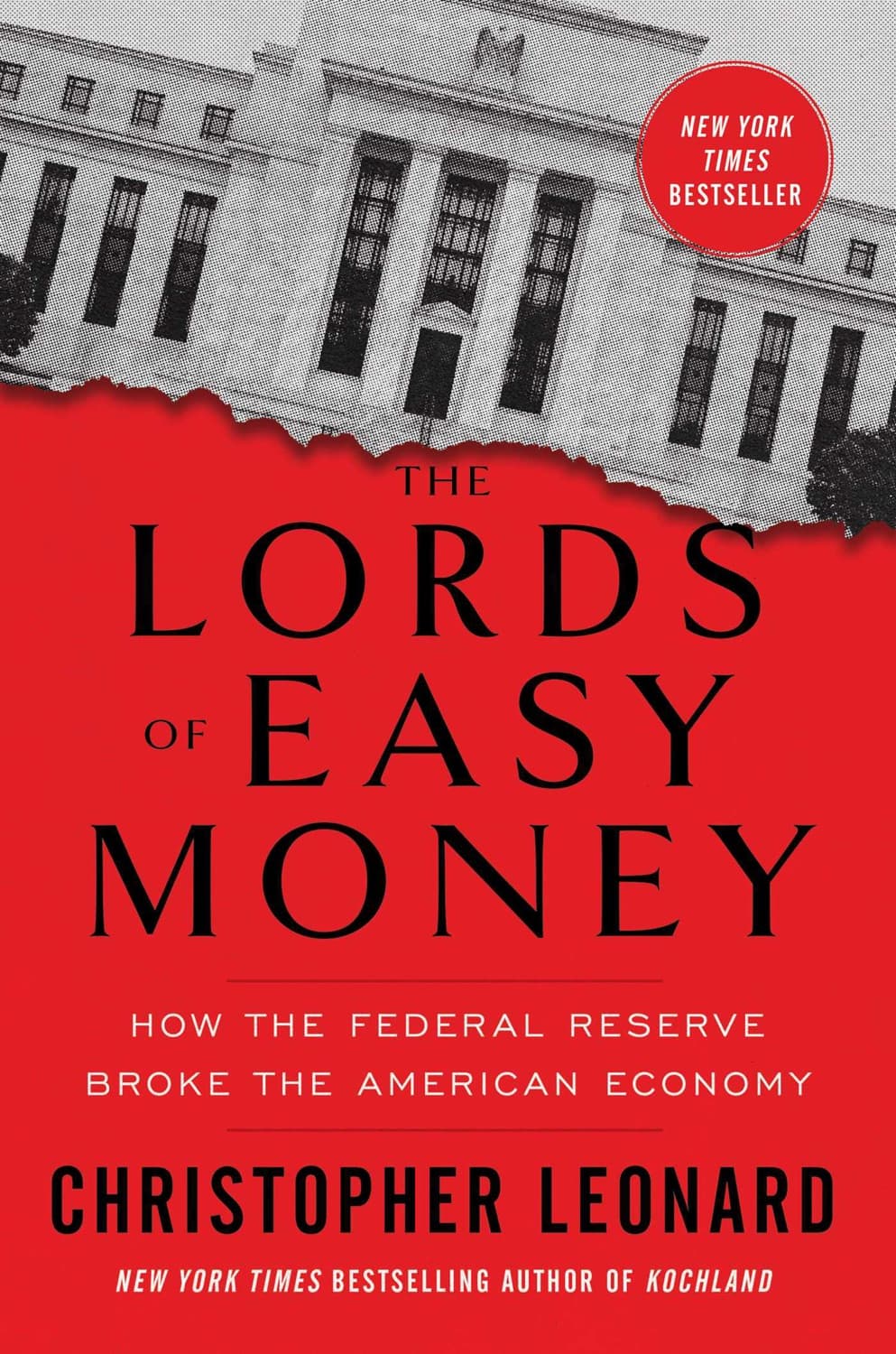
Lords of Easy Money
Christopher Leonard
By the end, quantitative easing reads less like a spreadsheet decision and more like a force that remaps markets’ incentives.
QE reshapes behavior by reshaping expectations.
Leonard tracks how QE spread, what it changed, and who bore the costs and benefits. That matters for the Fed because it connects Fed actions to long-run outcomes people actually feel.

A Monetary History of the United States, 1867-1960
Milton Friedman, Anna Jacobson Schwartz
You finish with an idea of monetary instability that turns many economic stories into stories about money.
Policy can turn recessions into disasters.
Friedman and Schwartz provide a long-run narrative linking monetary policy failures to real outcomes across eras, which makes the Fed’s later role easier to interpret. It’s foundational context for anyone trying to separate myths from patterns.
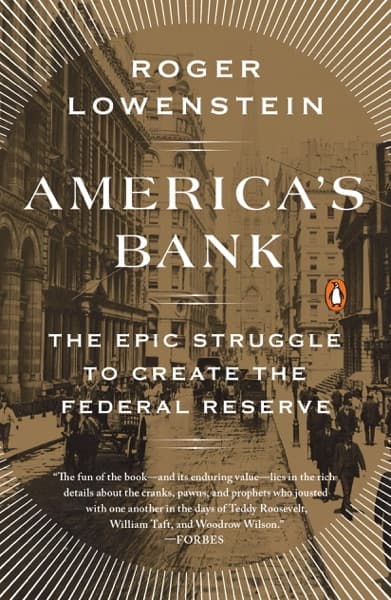
America's Bank
Roger Lowenstein
America’s Bank leaves you seeing the Fed’s creation as a compromise built to survive crises, not as a one-time invention.
The Fed was built to prevent panic cycles.
Lowenstein narrates the origins and early mission with a sense of how institutions are engineered under pressure. If you want to understand what the Fed was meant to do at the start, it grounds later debates in the original design.
Crisis response is a toolbox plus a theory of the moment.
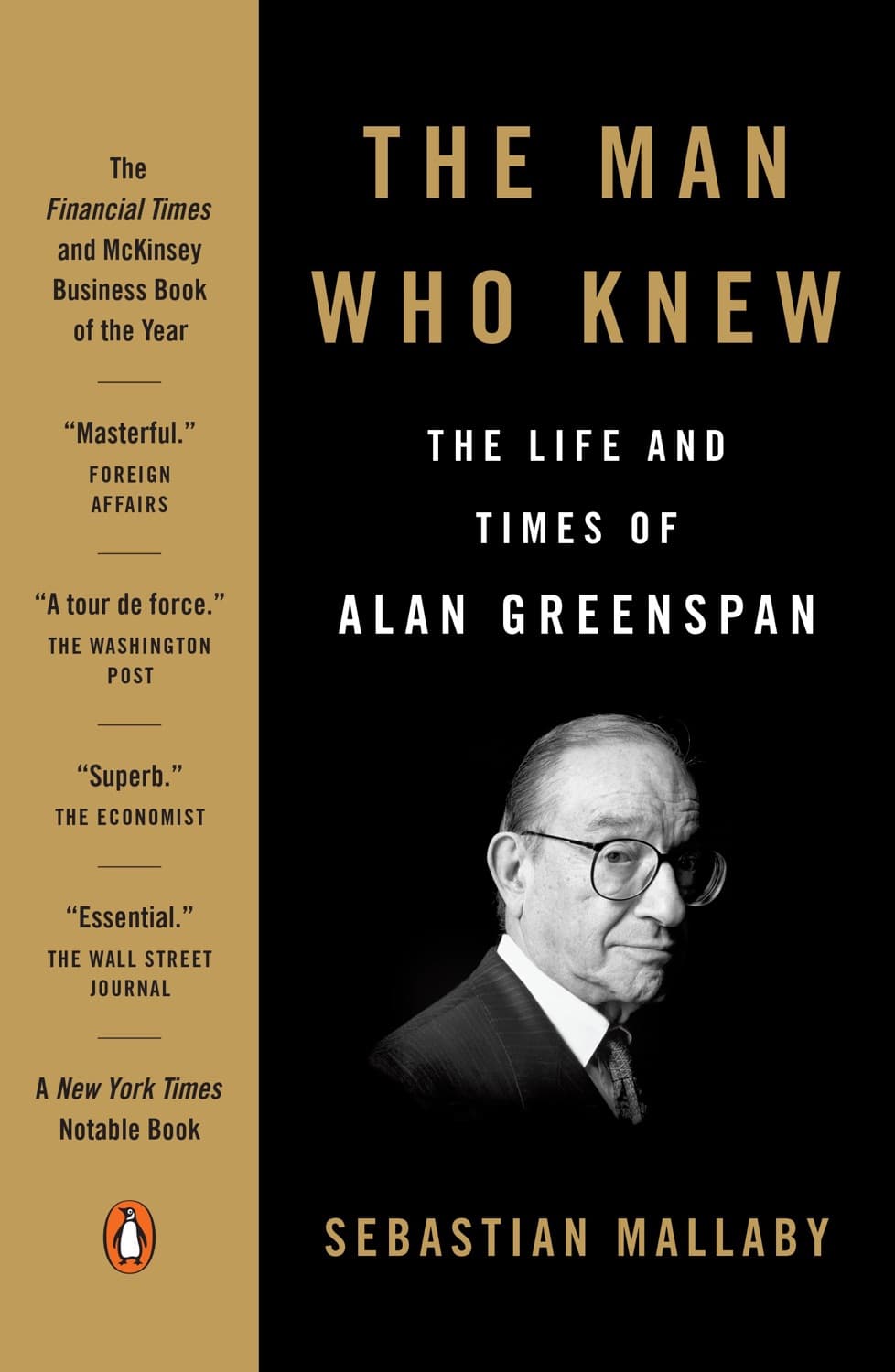
The Man Who Knew
Sebastian Mallaby
You walk away with Greenspan’s chairmanship as a case study in credibility, restraint, and the limits of foresight.
Central banking is partly persuasion under uncertainty.
Mallaby uses the Greenspan story to illuminate how the Fed thinks, communicates, and chooses trade-offs when the economy is under strain. It’s a biography that doubles as Fed literacy, not just personality history.
Central Banking 101
Joseph Wang
It changes how you read Fed headlines by translating technical moves into plain language mechanisms and consequences.
Rates, reserves, and expectations all matter.
Wang gives a beginner-friendly map of how central banks, including the Fed, operate and why certain tools get used. If Fed jargon has felt like fog, this is the clearest starting point before deeper narratives.
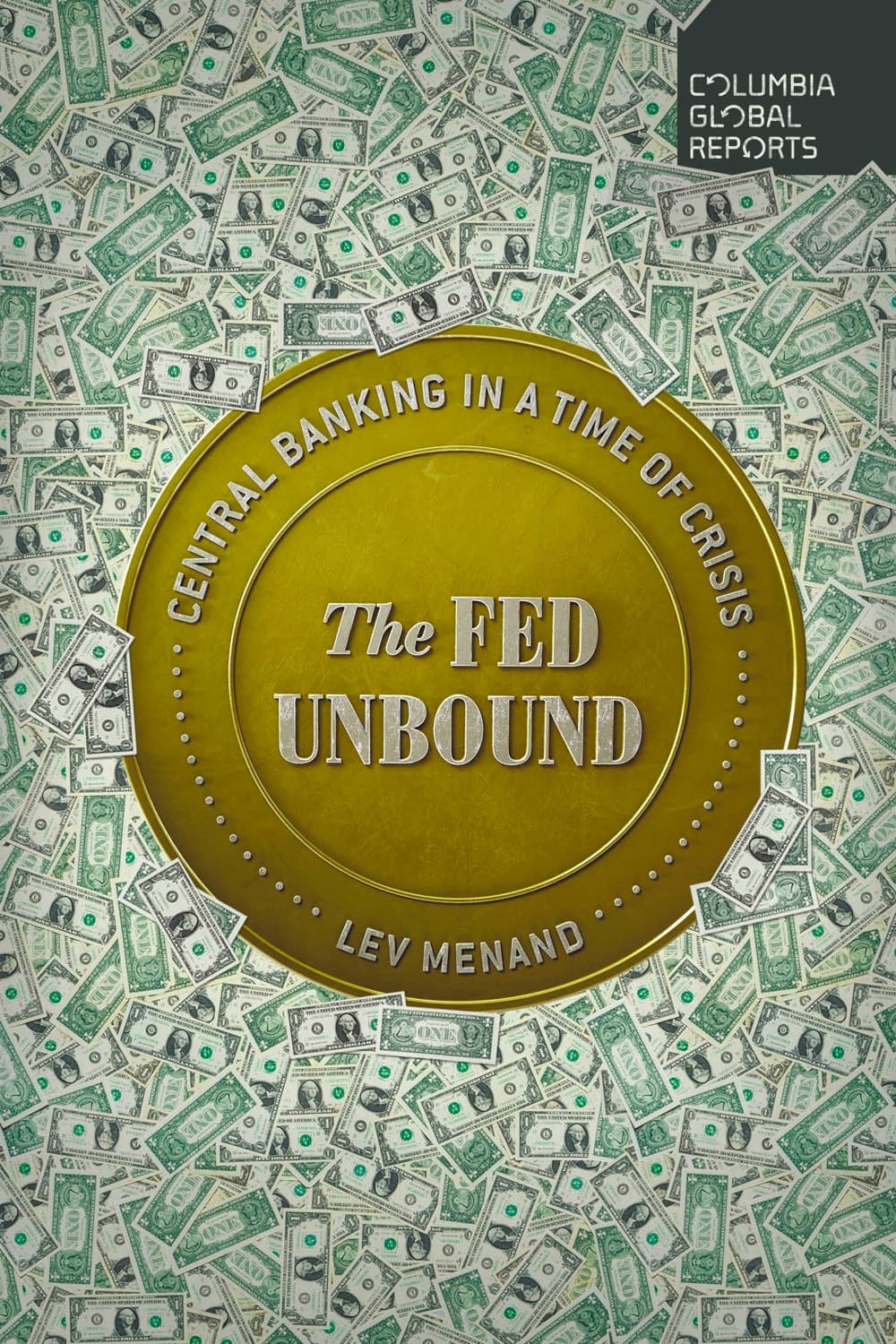
The Fed Unbound
Lev Menand
The big shift is recognizing how the Fed’s reach can expand beyond its original boundaries.
Institutional power needs institutional limits.
Menand focuses on the Fed’s evolving role and the constraints that should shape it, drawing attention to where power and legitimacy can drift. For readers tracking the Fed’s limits, this frames “what the Fed does” as a governance question.
The Only Game in Town
Mohamed A. El-Erian
You finish with a sharper sense that central banking has become the central narrator of modern finance.
Central banks became the default driver of markets.
El-Erian explains why the post-crisis system kept orbiting around policy, market liquidity, and risk-taking. For Fed-focused reading, it’s a perspective on how the Fed’s role reshaped the entire ecosystem, not just the economy.
Can we tailor this list for you?
Type your question in the bar below and the AI will tailor a fresh set of picks just for you.