Best Books on Economic Bubbles
Financial manias repeat with eerie consistency, from Dutch tulips to subprime mortgages. Kindleberger's Manias, Panics, and Crashes, Mackay's Madness of Crowds, and Galbraith's The Great Crash 1929 map how euphoria turns to collapse, and why investors keep falling for it.
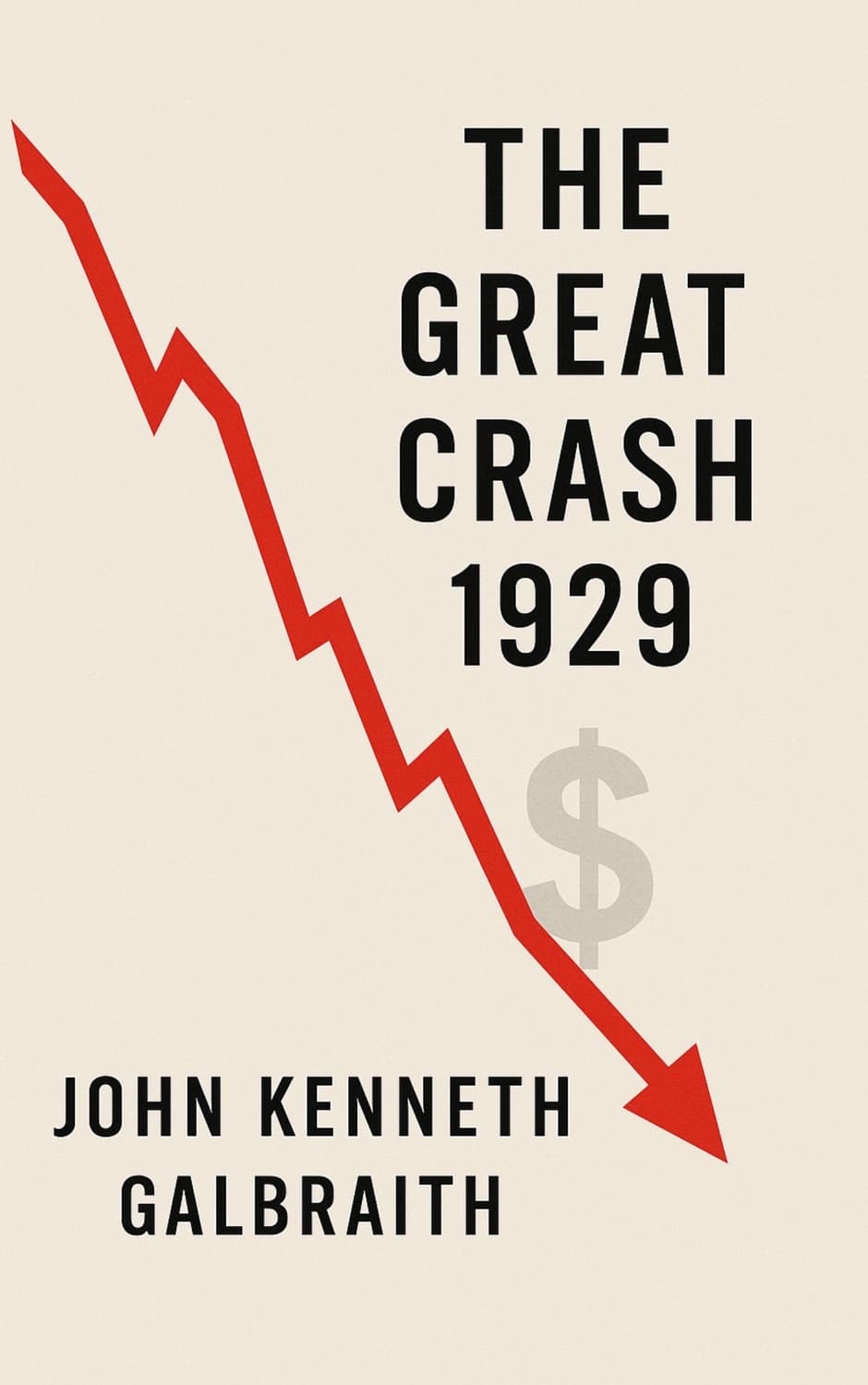
The Great Crash, 1929
John Kenneth Galbraith
A precise, often witty autopsy of the speculative frenzy that ended in October 1929.
Easy leverage and false confidence preceded the crash.
John Kenneth Galbraith reconstructs the margin-buying, investment trusts, and confident pronouncements that preceded the Wall Street crash. It is for anyone who wants to understand the mechanics and the mood of the bubble that defined the twentieth century.
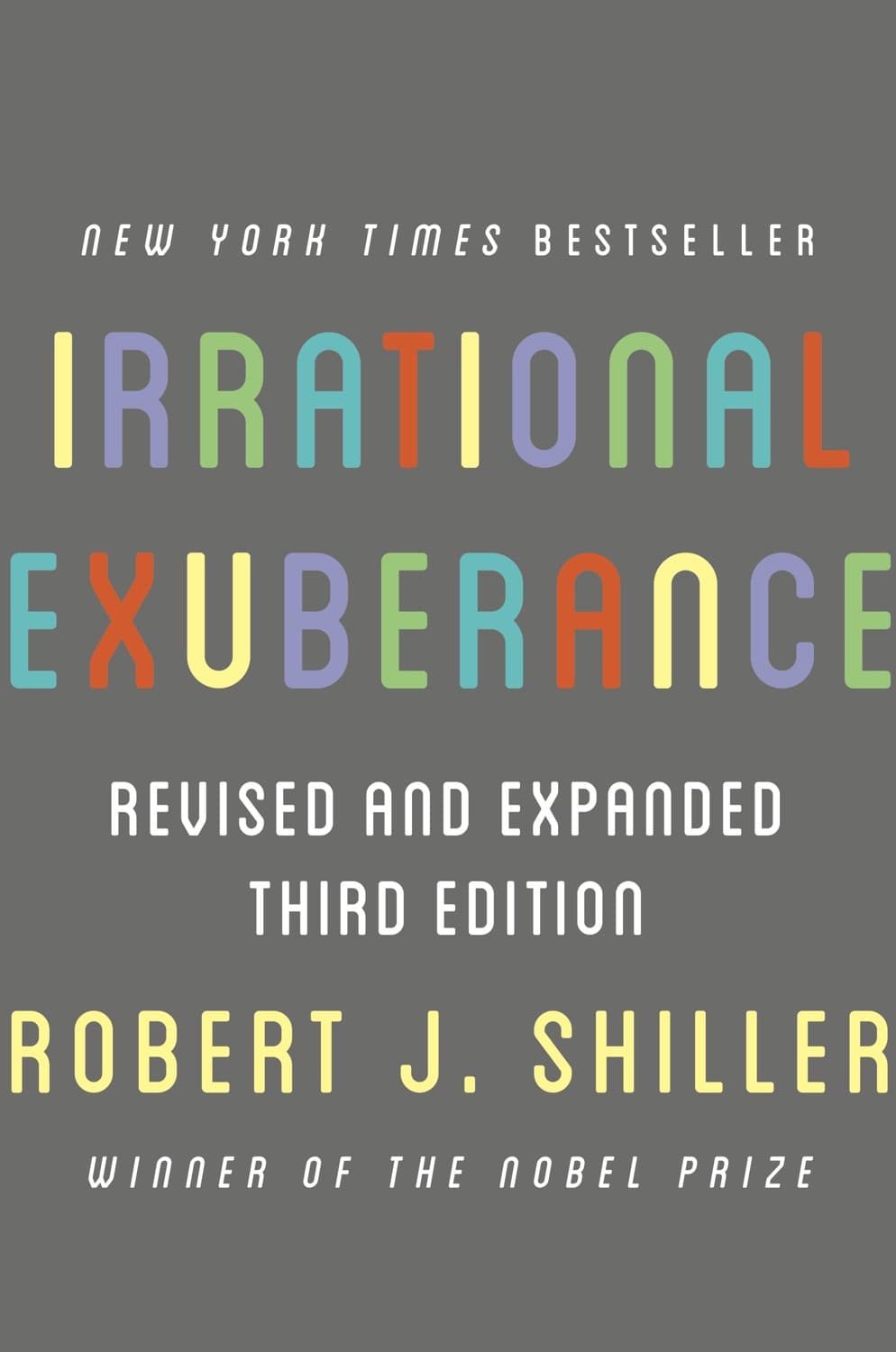
Irrational exuberance
Robert J. Shiller
Published as the dot-com bubble peaked, a data-driven warning that asset prices had detached from fundamentals.
Stories and feedback loops drive prices past value.
Robert J. Shiller marshals long-run market data and behavioral psychology to show how feedback loops and storytelling inflate prices. It suits readers who want the empirical and psychological case for why markets overshoot, later extended to the housing bubble.
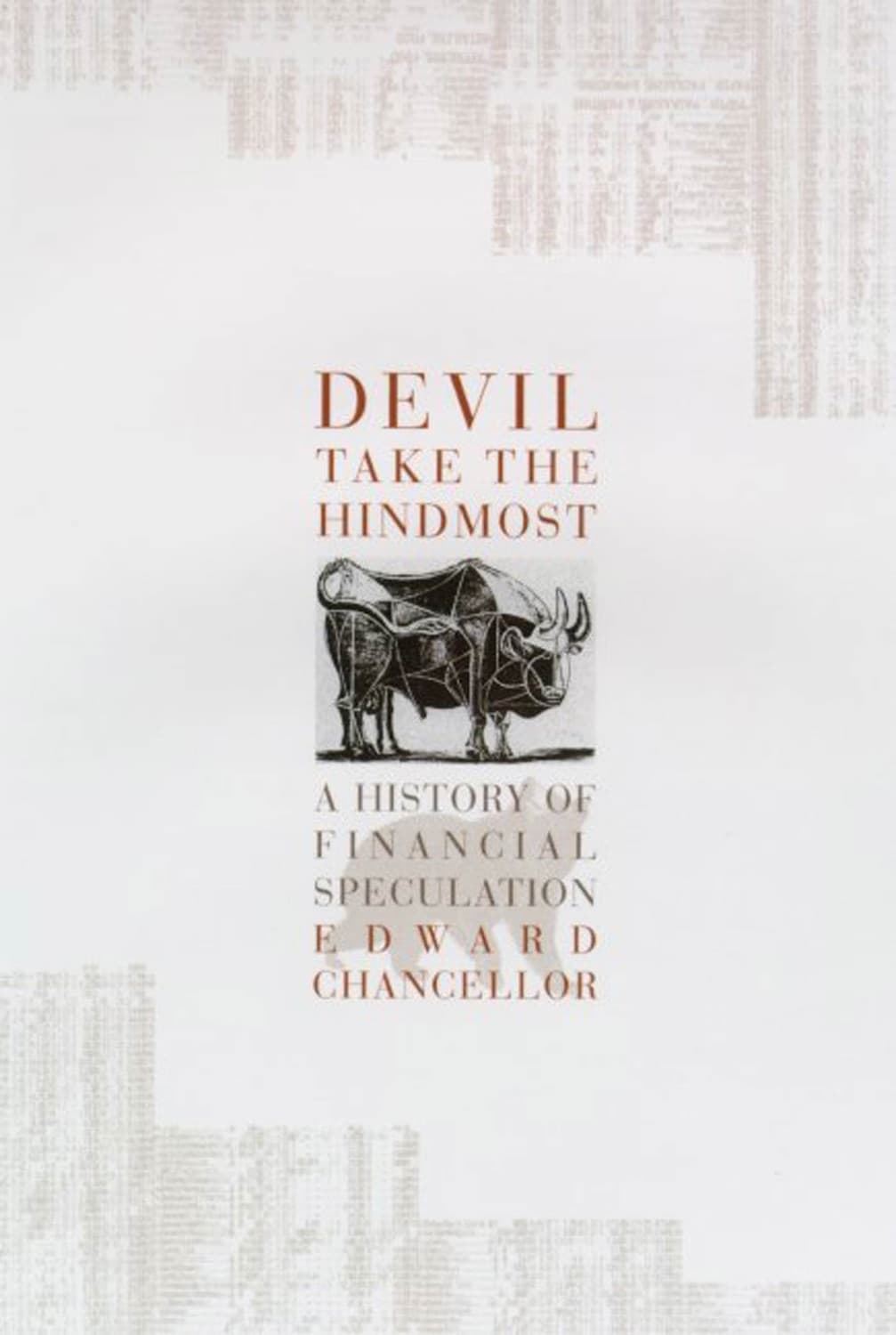
Devil Take the Hindmost
Edward Chancellor
A sweeping tour of speculation from ancient Rome through the railway mania to the 1990s.
Every era invents fresh reasons to speculate.
Edward Chancellor traces how the urge to gamble on markets has surfaced across centuries and cultures. It is for readers who want narrative breadth and a sense of how each era rationalized its own excess before the reckoning.
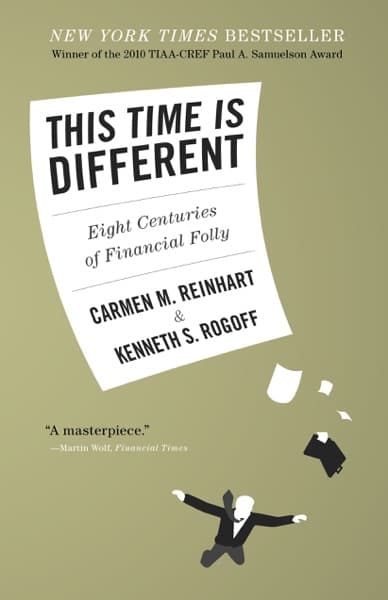
This Time Is Different
Carmen M. Reinhart, Kenneth S. Rogoff
Eight centuries of defaults, banking crises, and inflations gathered to puncture four dangerous words: this time is different.
Debt-fueled booms rhyme across centuries.
Carmen M. Reinhart and Kenneth Rogoff compile a vast dataset to show how debt buildups and crises rhyme across history. It is the quantitative reference for readers who want evidence that recent booms are rarely as novel as they feel.
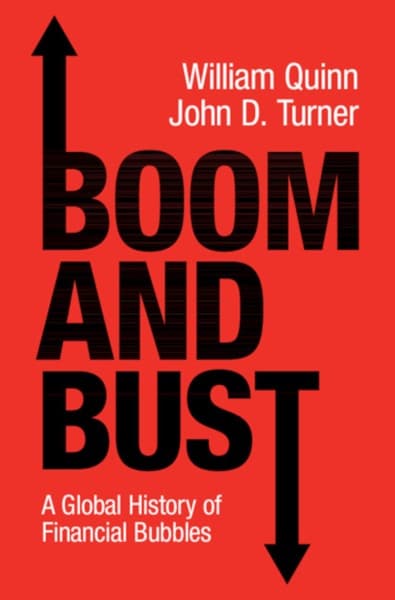
Boom and Bust
William Quinn, John D. Turner
A modern framework that treats bubbles like fires, needing fuel, oxygen, and a spark to ignite.
Bubbles need marketability, credit, and a spark.
William Quinn and John D. Turner survey bubbles from 1720 to Bitcoin using a clear three-part model of marketability, money and credit, and speculation. It is a strong recent synthesis for readers who want an analytical lens applied to many cases.
The big short
Michael Lewis, Francisco José Ramos Mena
The handful of outsiders who saw the subprime mortgage market for what it was and bet against it.
A few outsiders saw the subprime collapse coming.
Michael Lewis turns credit default swaps and collateralized debt obligations into a propulsive story about the 2008 housing bubble. It is the most accessible way to grasp how the crisis worked and who profited from spotting it early.
Stories and feedback loops drive prices past value.
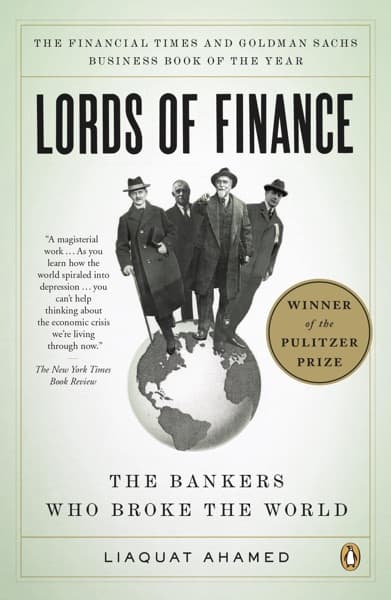
Lords of Finance
Liaquat Ahamed
Four central bankers and the gold-standard decisions that helped tip the 1920s boom into the Great Depression.
Central bank choices turned boom into depression.
Liaquat Ahamed follows the heads of the major central banks through the policy choices behind the interwar bubble and bust. It is for readers who want to see how monetary decisions and personalities shaped a global collapse.

Tulipmania
Anne Goldgar
An archival reexamination of the Dutch tulip craze that quietly dismantles much of the legend.
The tulip-mania legend is mostly later embellishment.
Anne Goldgar dug through court records and account books to show that 1630s tulip speculation was real but far smaller and less ruinous than the popular myth claims. It is for readers who want how a famous bubble story actually gets distorted over time.
Can we tailor this list for you?
Type your question in the bar below and the AI will tailor a fresh set of picks just for you.