Best Books on Putin
Steven Lee Myers’ The New Tsar and Catherine Belton’s Putin’s People map Vladimir Putin’s rise and the networks that sustain him: biography plus system-building, not just ideology.
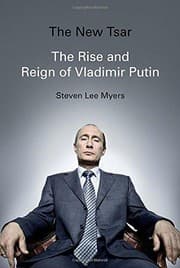
The New Tsar
Steven Lee Myers
Reading The New Tsar changes Putin from a news headline into a practiced system-builder: how alliances, security instincts, and ambition hardened into rule.
Putin consolidated power through security-linked loyalty networks.
Myers traces Putin’s ascent with concrete detail, showing the methods by which influence was accumulated and protected. For “best books about Putin,” it gives durable context for why his decisions repeat across crises.
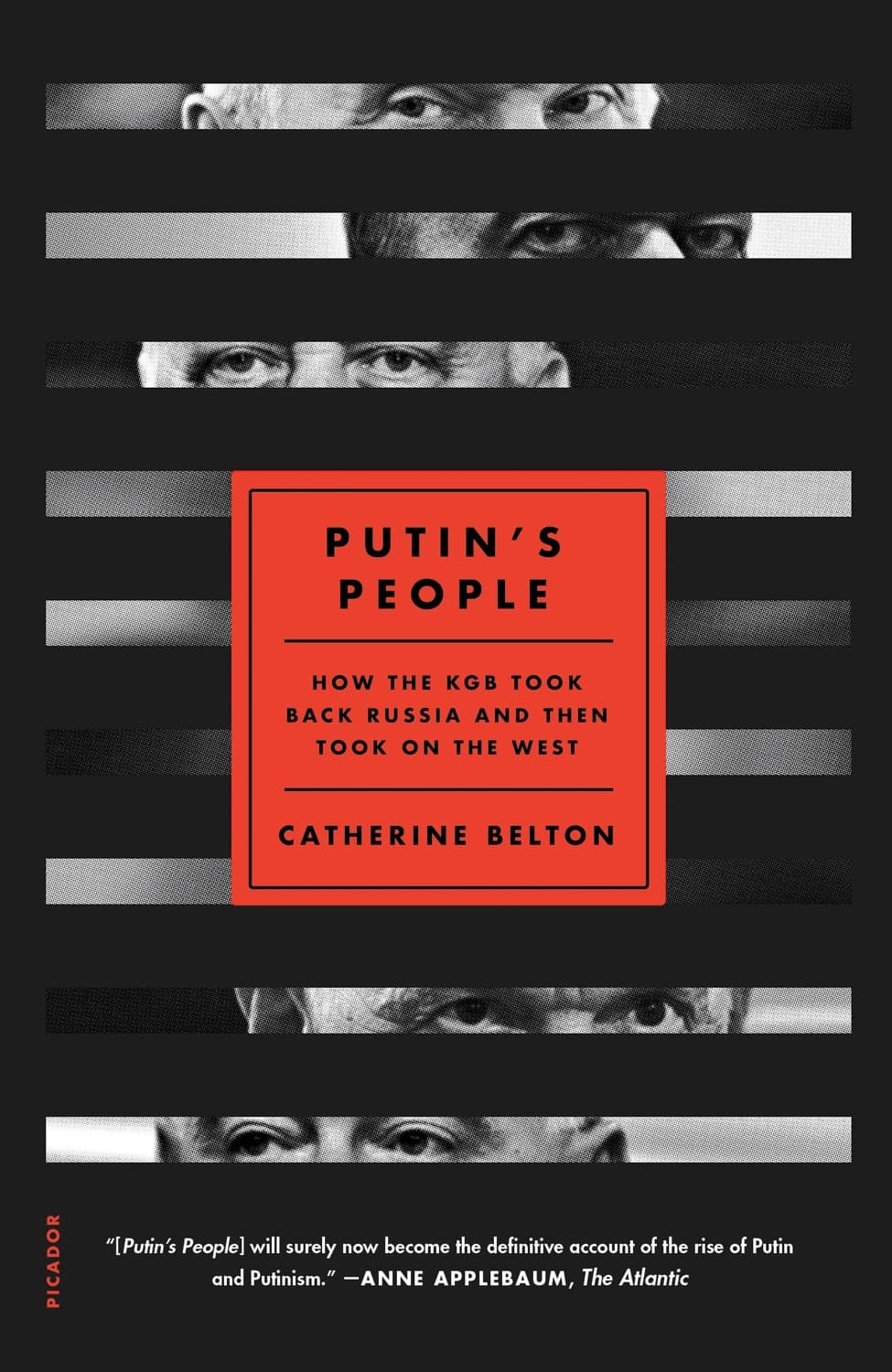
Putin’s People: How the KGB Took Back Russia and then Took on the West
Catherine Belton
Putin’s People turns “Putin’s worldview” into a set of practical pipelines: careers, patrons, and access that let the Kremlin reach into business and politics.
Career paths can be control mechanisms, not just resumes.
Belton focuses on the human networks around Putin, not just policy outcomes. That matters if you want to understand how his Russia recruits, coordinates, and escalates in ways that outlast any single scandal.
The man without a face
Masha Gessen, Marcos Pérez Sánchez, Juan Manuel Ibeas Delgado
The man without a face makes authoritarian consolidation feel less like a rupture and more like a craft: gradual moves that erase alternatives.
Authoritarianism works by narrowing reality until dissent costs everything.
Gessen’s portrait emphasizes how the state reshapes institutions and public life to keep power centralized. If your goal is “best books about Putin,” it helps explain the psychological and structural logic behind the persona.
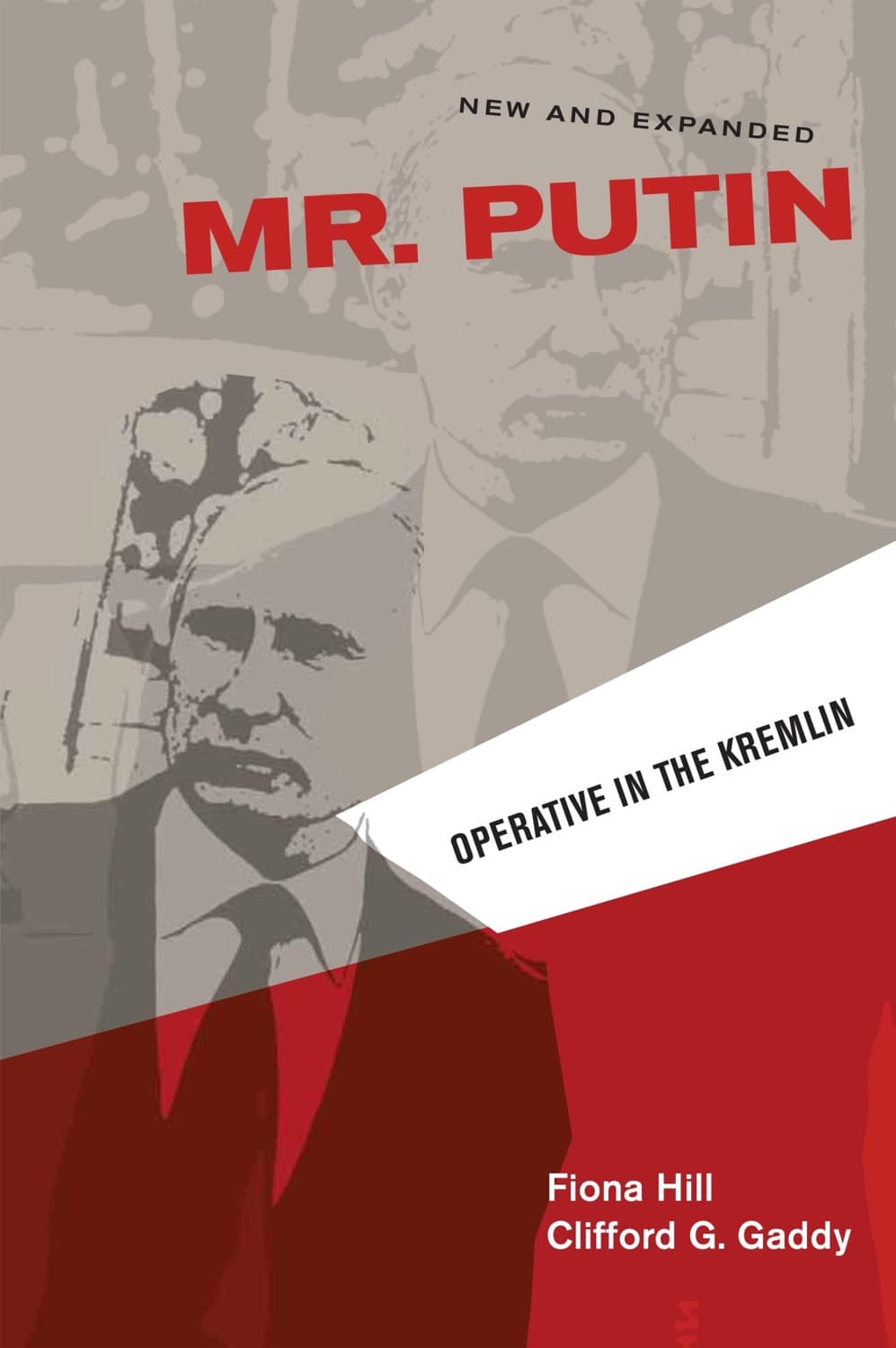
Mr. Putin
Fiona Hill, Clifford G. Gaddy
Mr. Putin reframes Russia’s leader as a strategist of incentives: what he rewards, what he punishes, and how he reads leverage.
Power follows incentives: the center rewards compliance and control.
Hill and Gaddy synthesize patterns in policy and statecraft into a clearer model of how power is managed. It is useful when you want to move from anger at events to understanding the decision logic behind them.
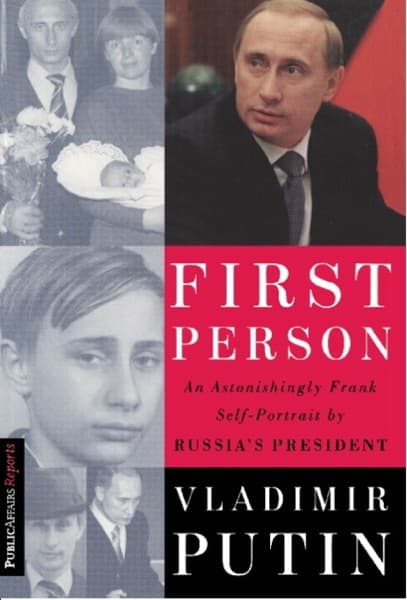
First Person
Vladimir Putin, Nataliya Gevorkyan, Natalya Timakova, Andrei Kolesnikov
First Person shows Putin in his own chosen light: a self-portrait built from themes, omissions, and carefully staged meanings.
Read tone and framing: self-presentation is a political tool.
Using Putin’s own interviews and language makes his image-making visible, which is essential when propaganda and narrative framing are part of how rule operates. It complements investigative accounts by letting you compare self-description to the broader record.
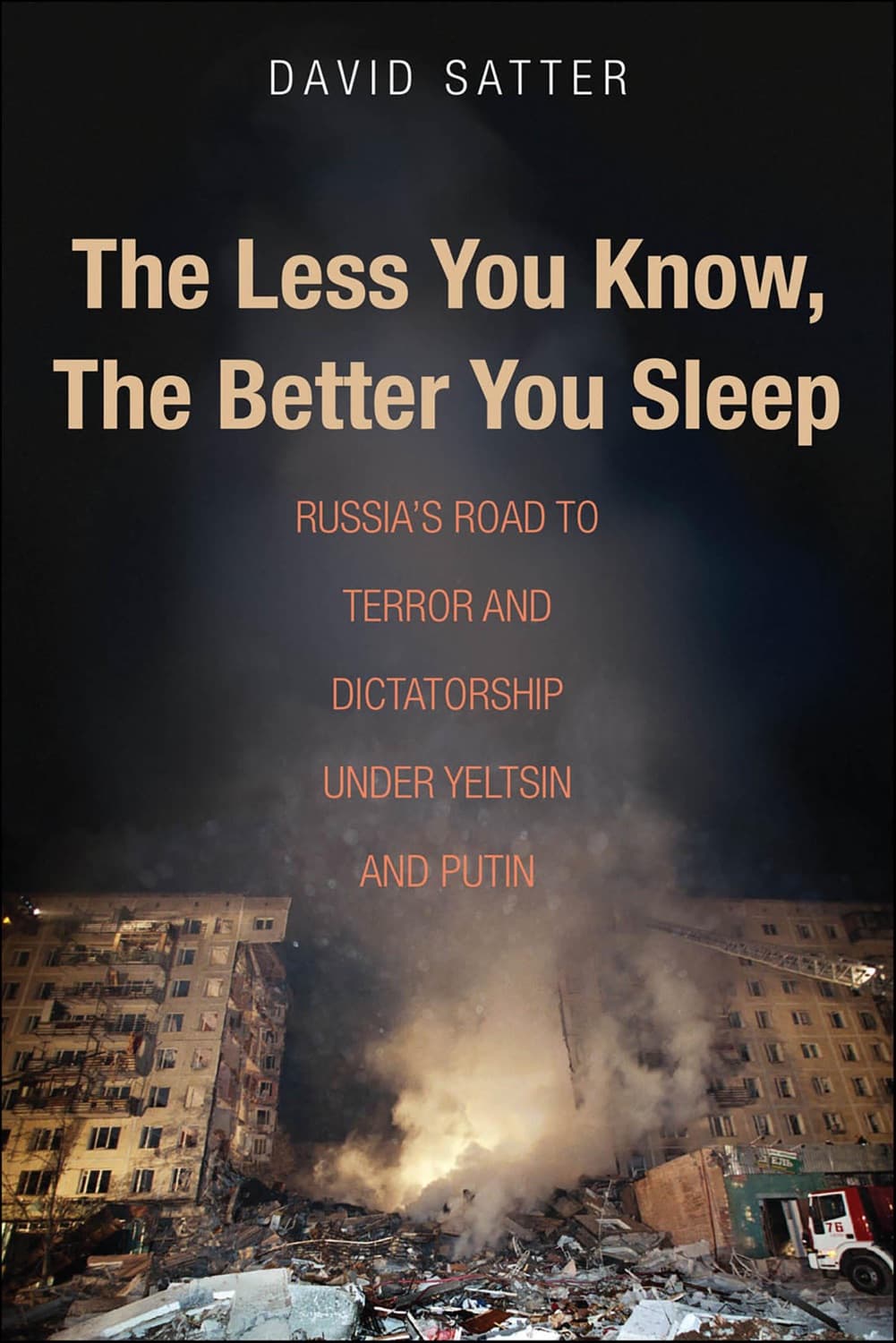
The Less You Know, the Better You Sleep
David Satter
The Less You Know, the Better You Sleep makes the post-Soviet transition feel like preparation for a security state, not a fresh start.
Insulation from truth can become governance.
Satter provides journalism-grade context for how Russia’s political economy and institutions became compatible with Putin’s system. For “best books about Putin,” it grounds the present in structural roots rather than personality alone.
Career paths can be control mechanisms, not just resumes.
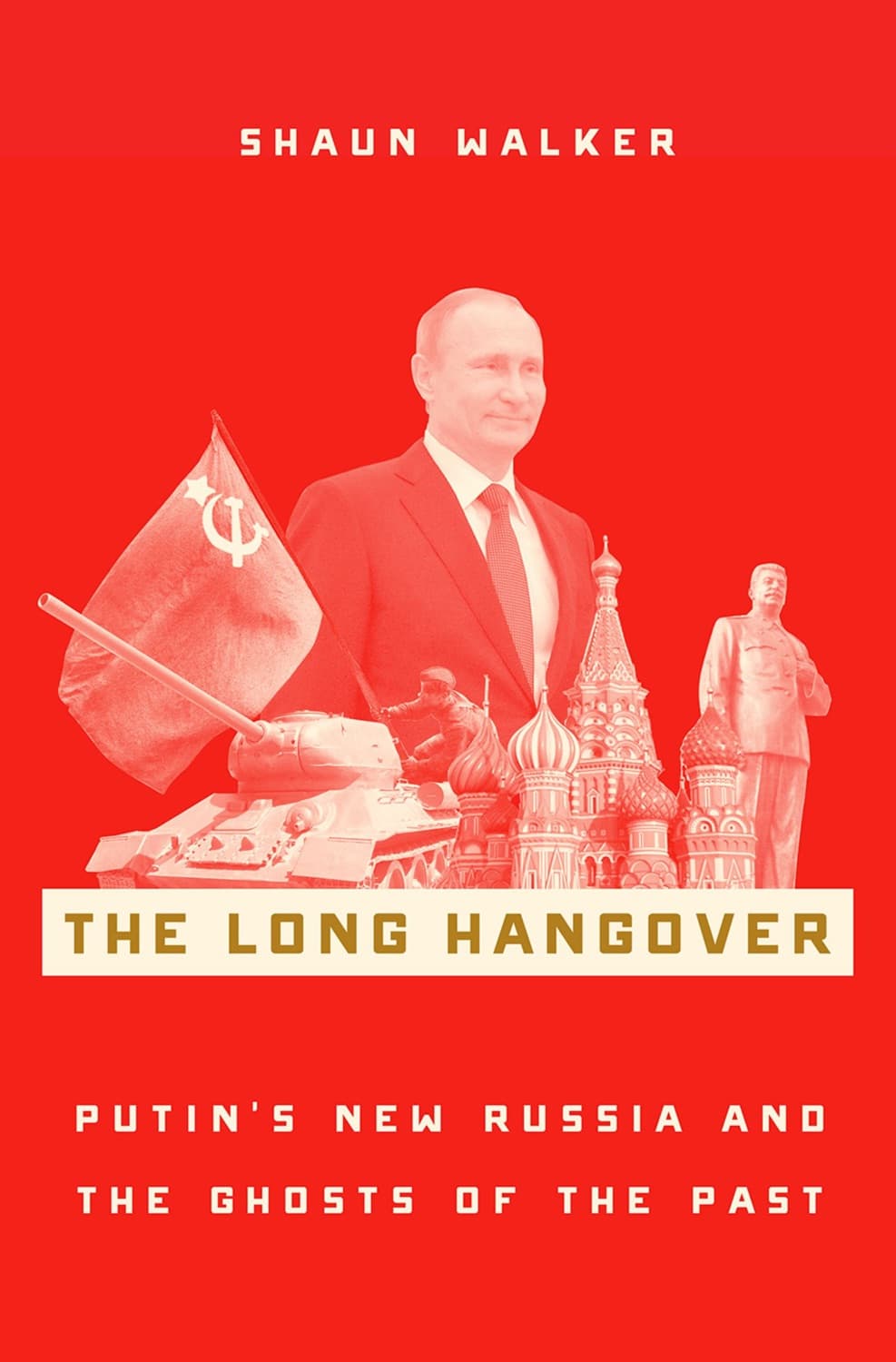
The Long Hangover
Shaun Walker
The Long Hangover links historical memory to contemporary politics, showing how the past is engineered into present permission structures.
Memory politics shapes legitimacy more than speeches do.
Walker’s angle helps you see Putin-era politics as a continuation of long-running narratives, resentments, and identity management. It fits the “best books about Putin” goal when you want deeper causes than policy briefs.
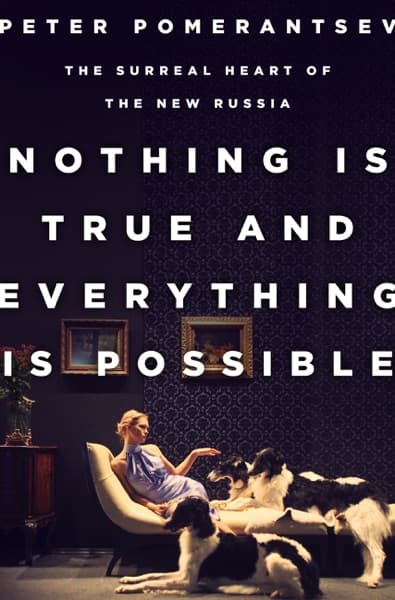
Nothing is true and everything is possible
Peter Pomerantsev
Nothing is true and everything is possible makes disorientation itself a weapon: spectacle and misinformation that scramble ordinary interpretation.
When truth fails, chaos can still persuade and control.
Pomerantsev focuses on media ecosystems and the emotional texture of power under Putin. If you are trying to understand how influence works, it explains why propaganda can function even when facts fail.
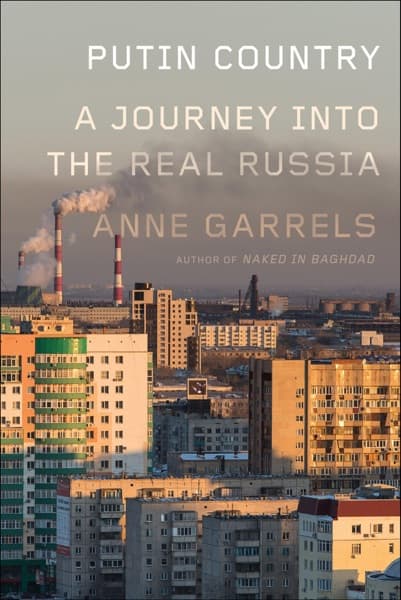
Putin Country
Anne Garrels
Putin Country shifts attention from Moscow to daily life, revealing how the regime’s logic lands in kitchens, workplaces, and silence.
Understanding fear includes listening to what people avoid saying.
Garrels practices on-the-ground reporting that shows how ordinary people navigate the constraints of Putin’s system. That makes the book valuable for “best books about Putin” because it connects power at the top to consequences on the street.
Can we tailor this list for you?
Type your question in the bar below and the AI will tailor a fresh set of picks just for you.