Best Biographies on Dictators
Dictatorship biographies that explain how power gets made: from Nicholas II’s autocratic collapse in Edvard Radzinsky’s The Last Tsar to Simon Sebag Montefiore’s Young Stalin and Joachim Fest’s Hitler.
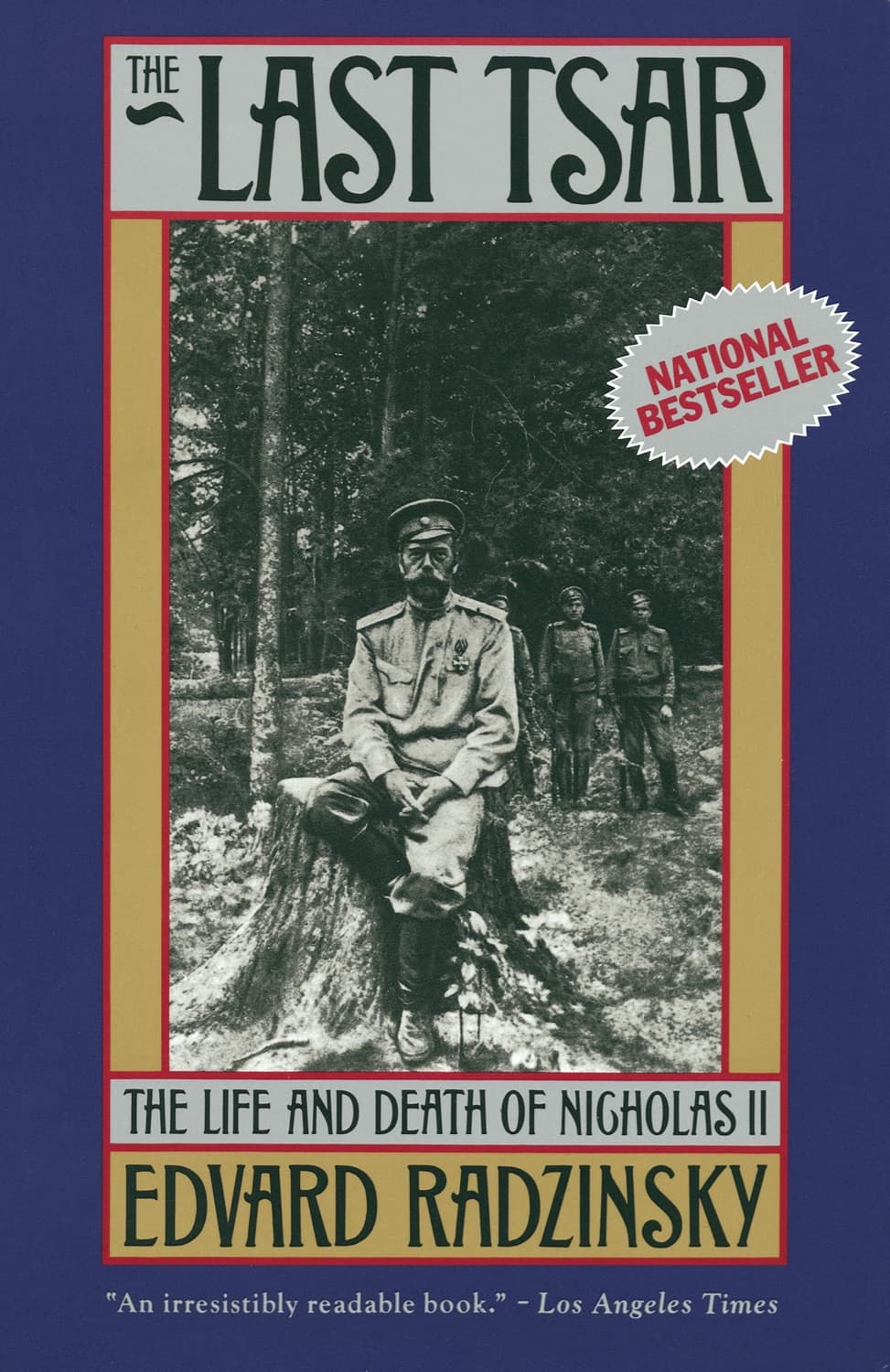
The Last Tsar
Edvard Radzinsky
Nicholas II’s reign is shown as a trap tightening from within, until autocracy stops working and the state unravels.
Autocracy collapses when it loses the ability to adapt
Radzinsky treats biography as a system under stress: court politics, personality, and institutional decay all reinforce each other. That lens sharpens “dictator” dynamics without needing a triumphant rise narrative.
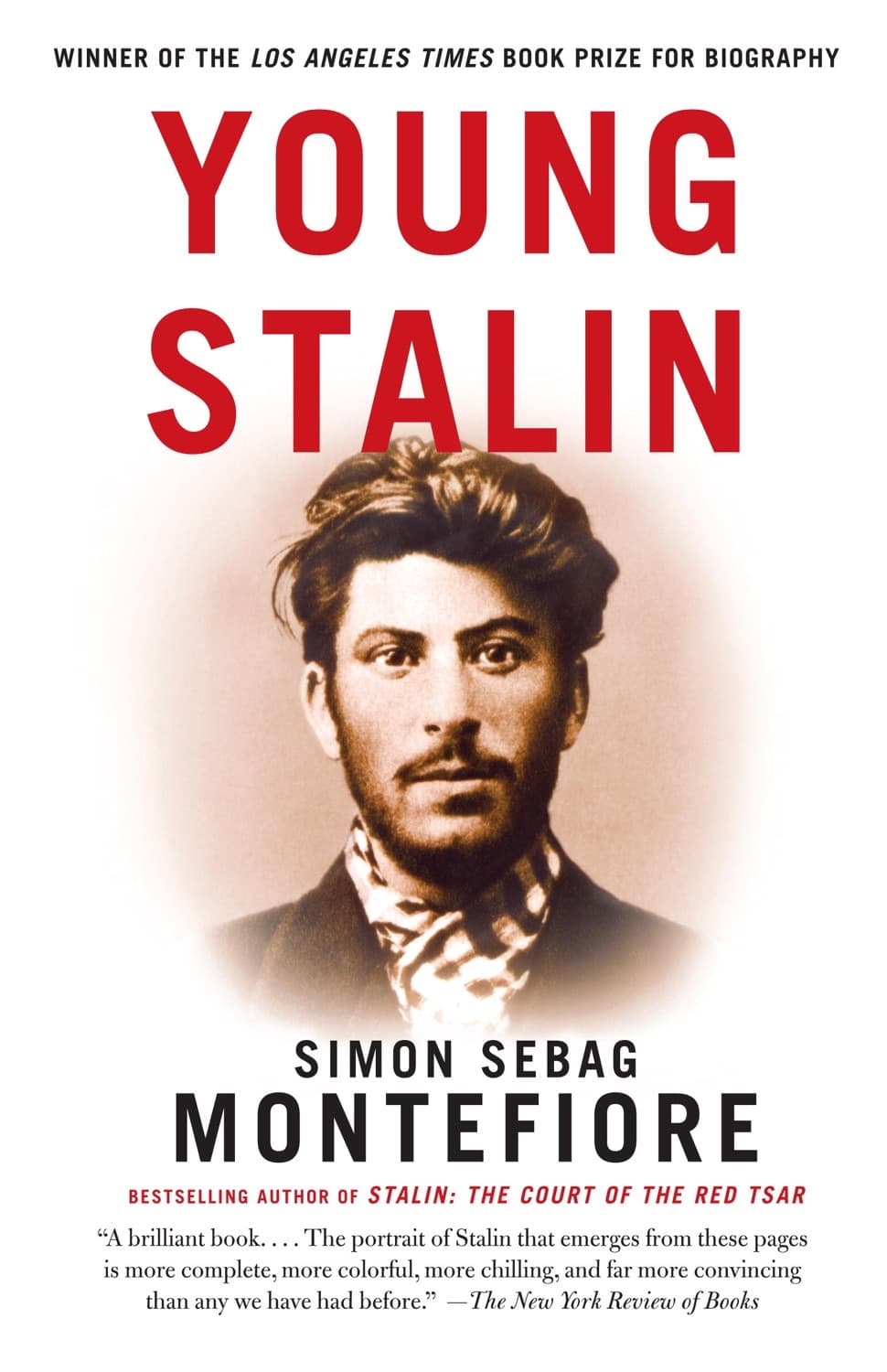
Young Stalin
Simon Sebag Montefiore
Stalin’s early years read like blueprint-making: ideology, paranoia, and bureaucracy training converge into a workable future tyrant.
A formative method becomes a governing style
Montefiore follows formative episodes with vivid detail while still tracking how habits become methods. It’s especially useful for dictatorial biographies because it connects inner temperament to outward control.
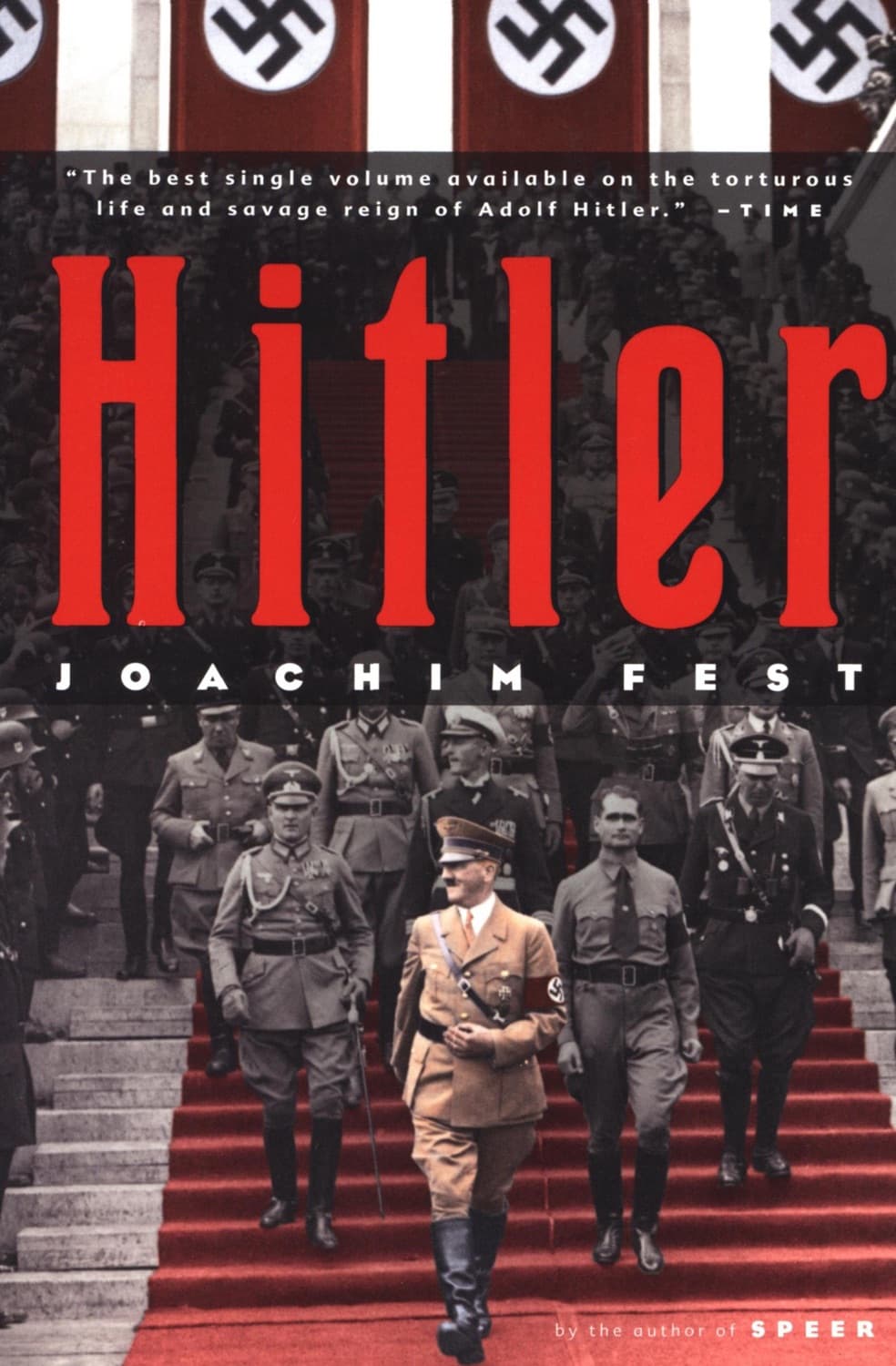
Hitler
Joachim Fest
Hitler’s rise is less a sudden transformation than a sustained self-manufacturing project that turns opportunity into machinery.
Dictators convert chaos into legitimacy claims
Fest’s one-volume biography gives you an enduring narrative thread for how charisma, opportunism, and state violence fuse. It helps you see dictatorship as a set of choices that accumulate into inevitability.
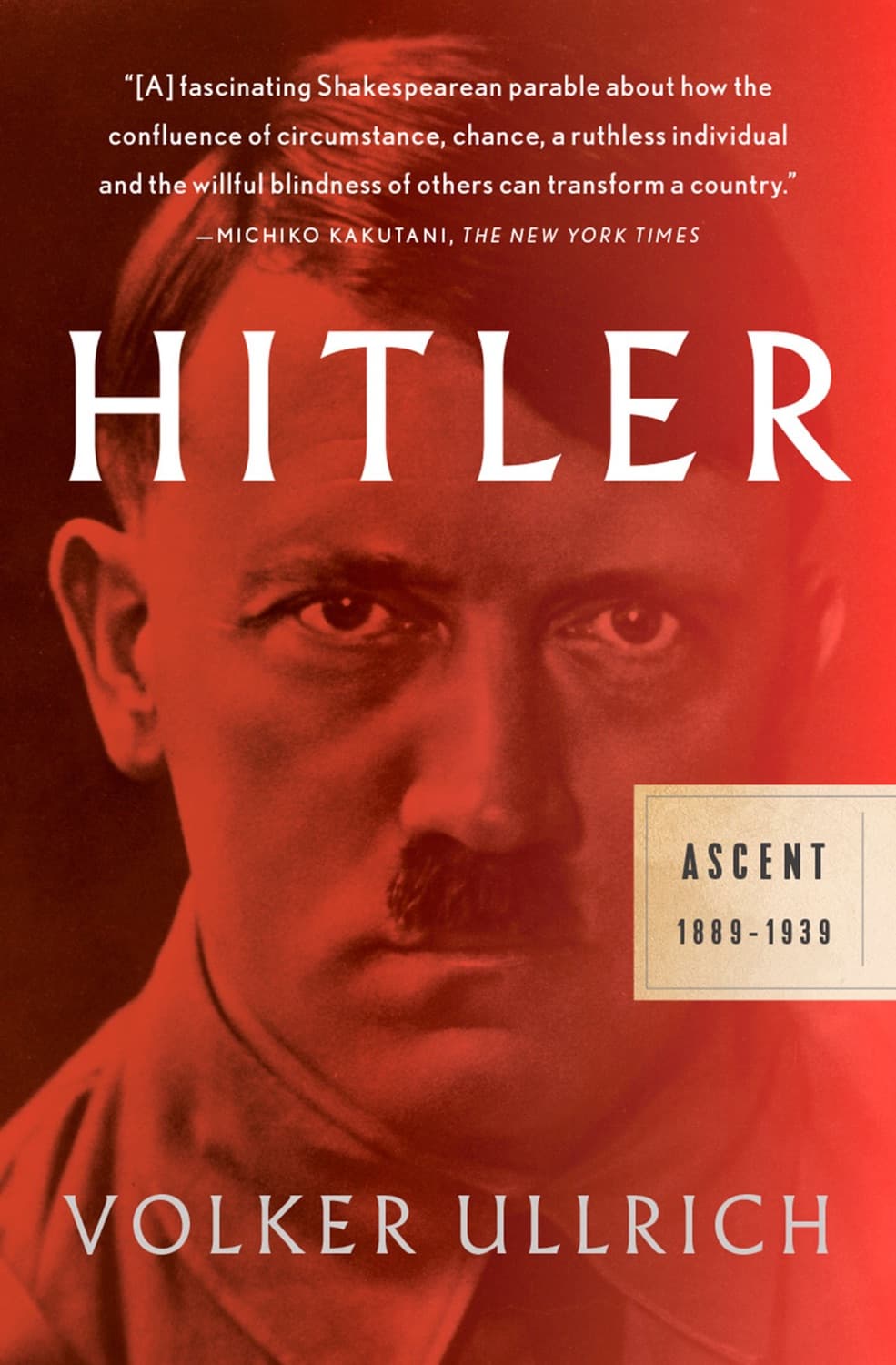
Hitler: Ascent
Volker Ullrich
Hitler’s ascent is reconstructed through career pivots and consolidation steps, making power look built, not blessed.
Consolidation begins with ruthless clarity of objectives
Ullrich focuses on the mechanics of coming to command, which complements biographies that start later. For dictator biographies, that early-lifecycle view makes the eventual system feel earned and specific, not mythologized.
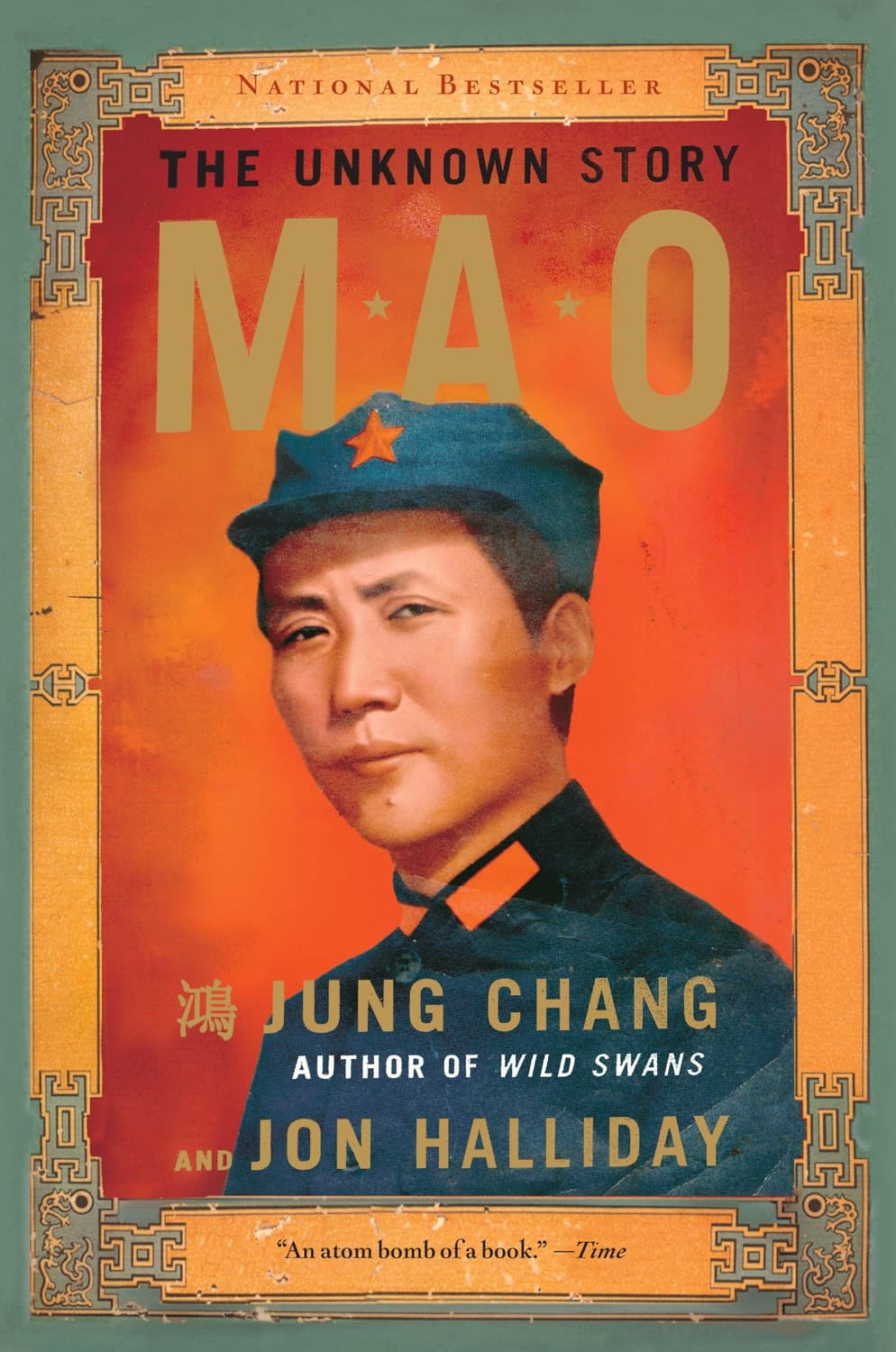
Mao
Jung Chang, Jon Halliday
Mao’s life is portrayed as a long argument with history, where personal ambition and mass politics feed each other’s brutality.
Ideology becomes a tool for mobilizing violence
Chang and Halliday bring a broad human biography scale while keeping attention on how ideology becomes operational authority. It matters for dictator biographies because it links belief, biography, and violence without treating them as separate stories.
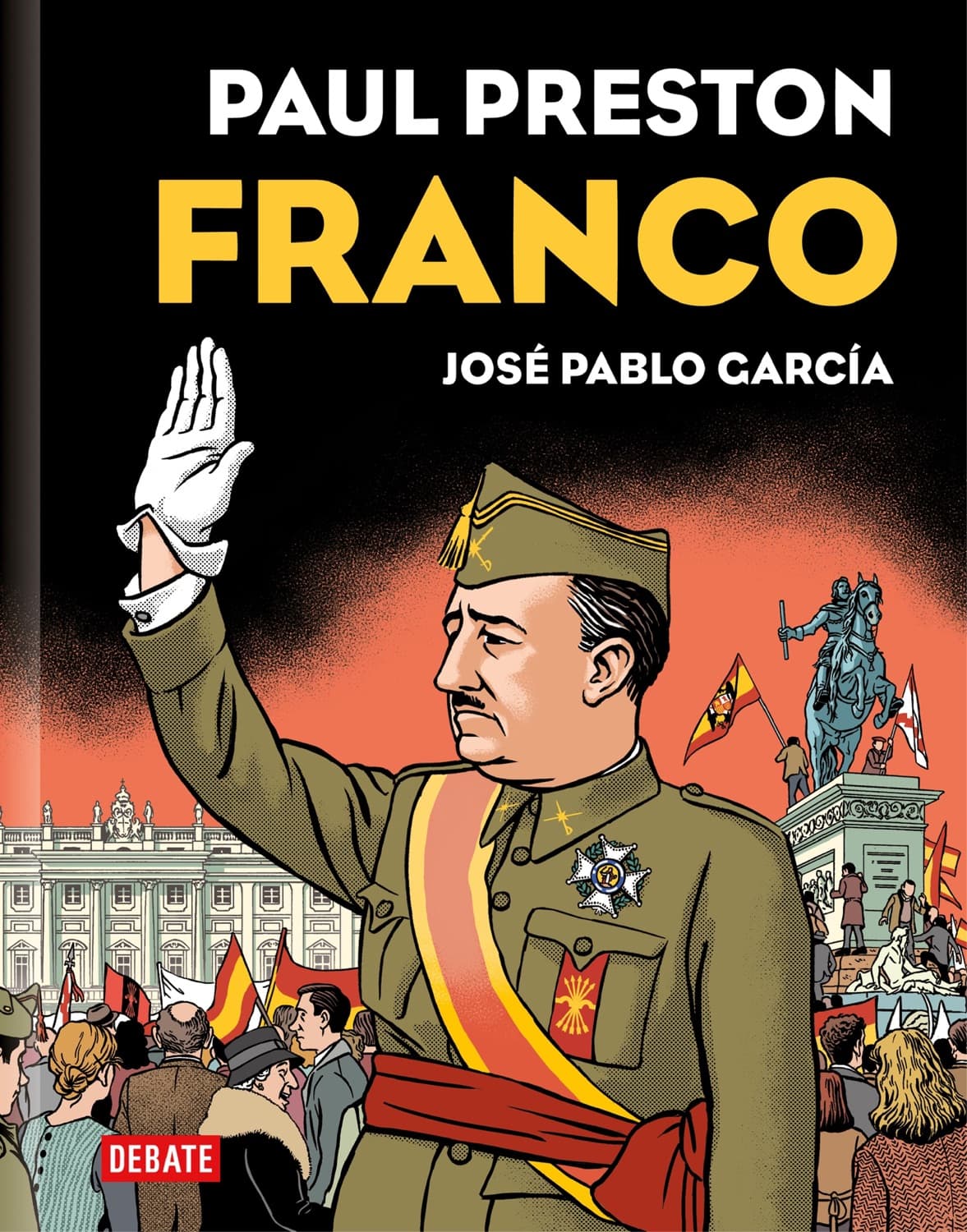
Franco
Paul Preston
Franco emerges as a dictator shaped as much by coalition management as by force, turning Spain’s fractures into leverage.
Coalitions can be dictatorship’s hidden engine
Preston’s major biography maps how ruling depends on alliances, repression, and legitimacy work over time. For dictatorships, that makes the story less about one villain and more about how systems sustain him.
A formative method becomes a governing style
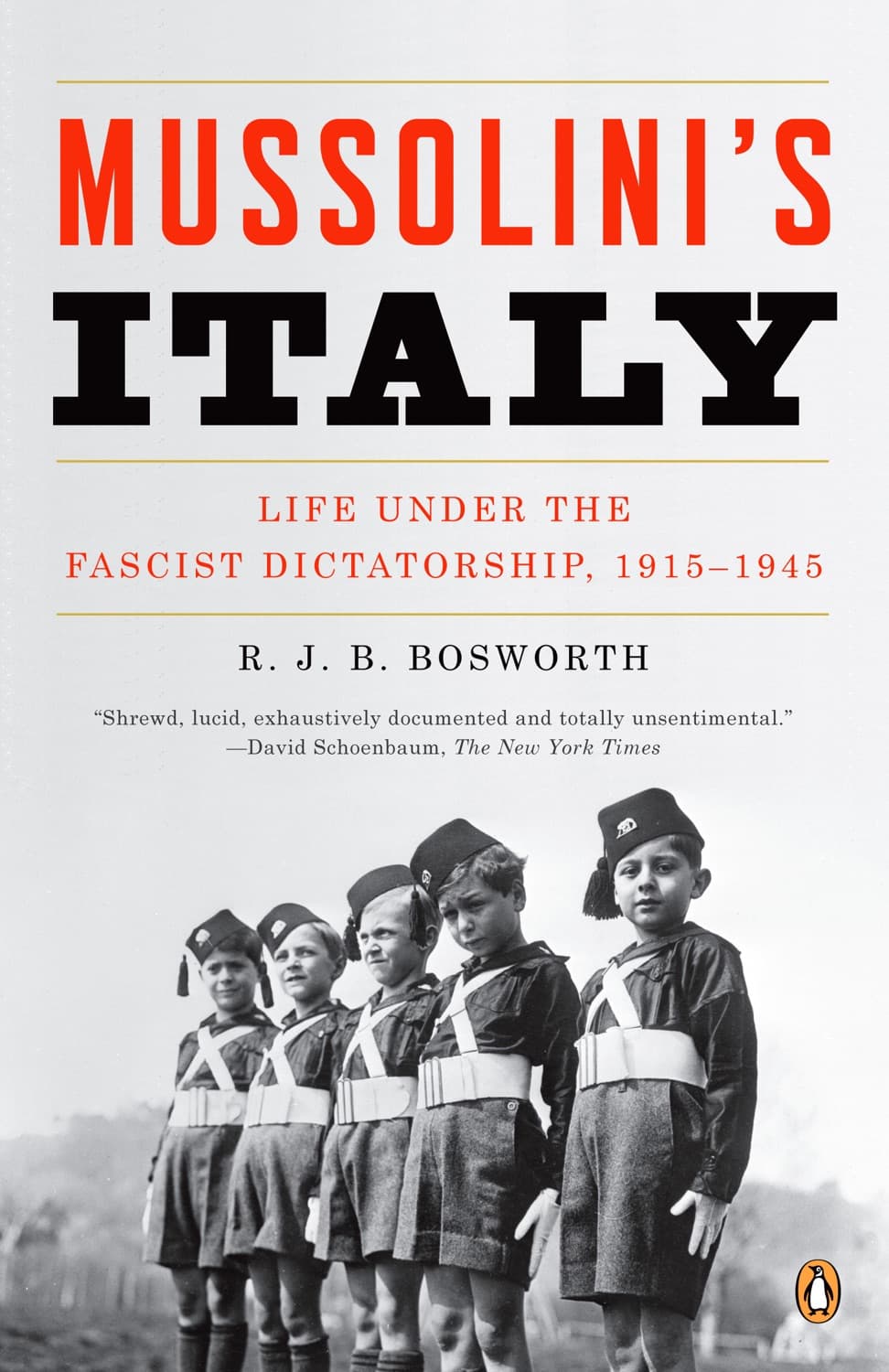
Mussolini's Italy
R. J. B. Bosworth
Mussolini’s regime is explained through the daily politics of fascism, showing how a dictatorship built itself into ordinary administration.
Fascism survives by embedding itself in governance
Bosworth treats Mussolini’s Italy as an institutional ecology, not just a personality study. That matters for dictator biographies because it answers how rule persists beyond speeches and into routines.
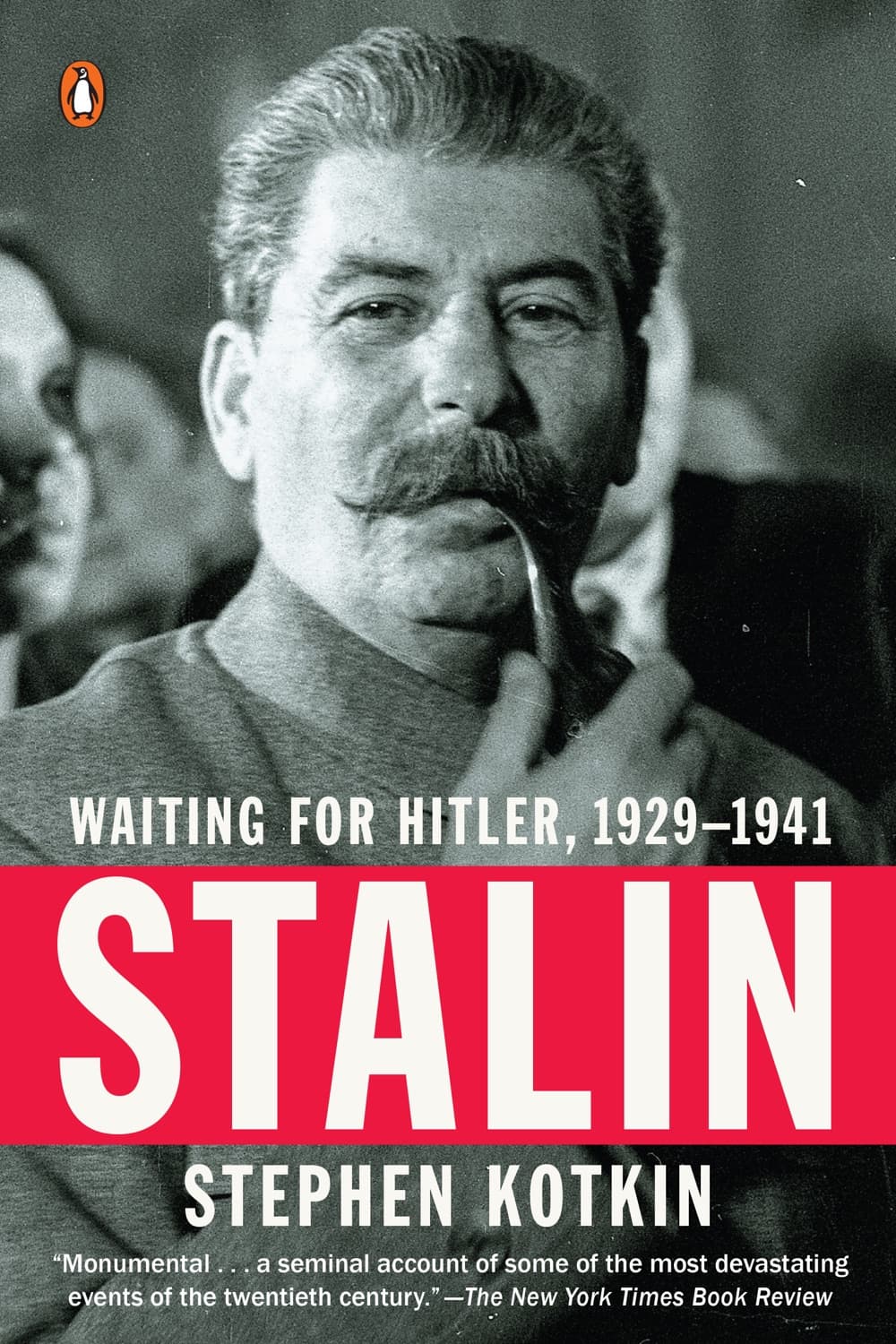
Stalin
Stephen Kotkin
Stalin’s system looks terrifyingly rational once you see how it organizes society through ambition, paperwork, and terror.
Terror functioned as a tool of administration
Kotkin’s deep research turns dictatorship into a comprehensible machine: ideology, bureaucracy, and coercion are shown as interacting components. For dictator biographies, this provides the clearest lens on how power sustains itself from the inside.
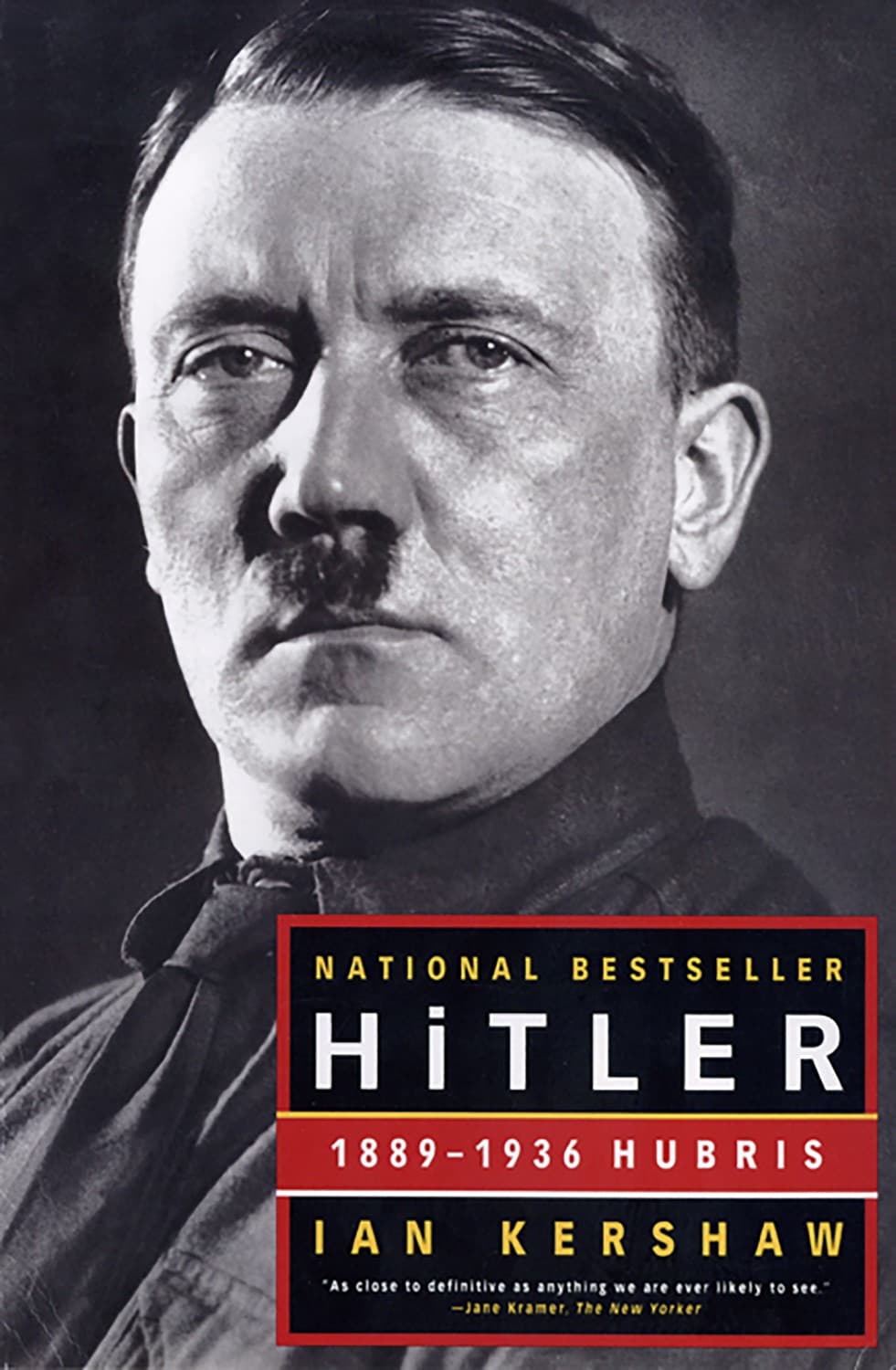
Hitler
Ian Kershaw
Kershaw explains Hitler’s effectiveness as dependence on a feedback loop between leader intent and subordinate initiatives.
Dictatorship runs on momentum from below
This biography emphasizes context and dynamics, which makes it easier to track how dictatorship spreads through organizations. It’s ideal if your goal is to understand not just Hitler, but the system that amplified him.
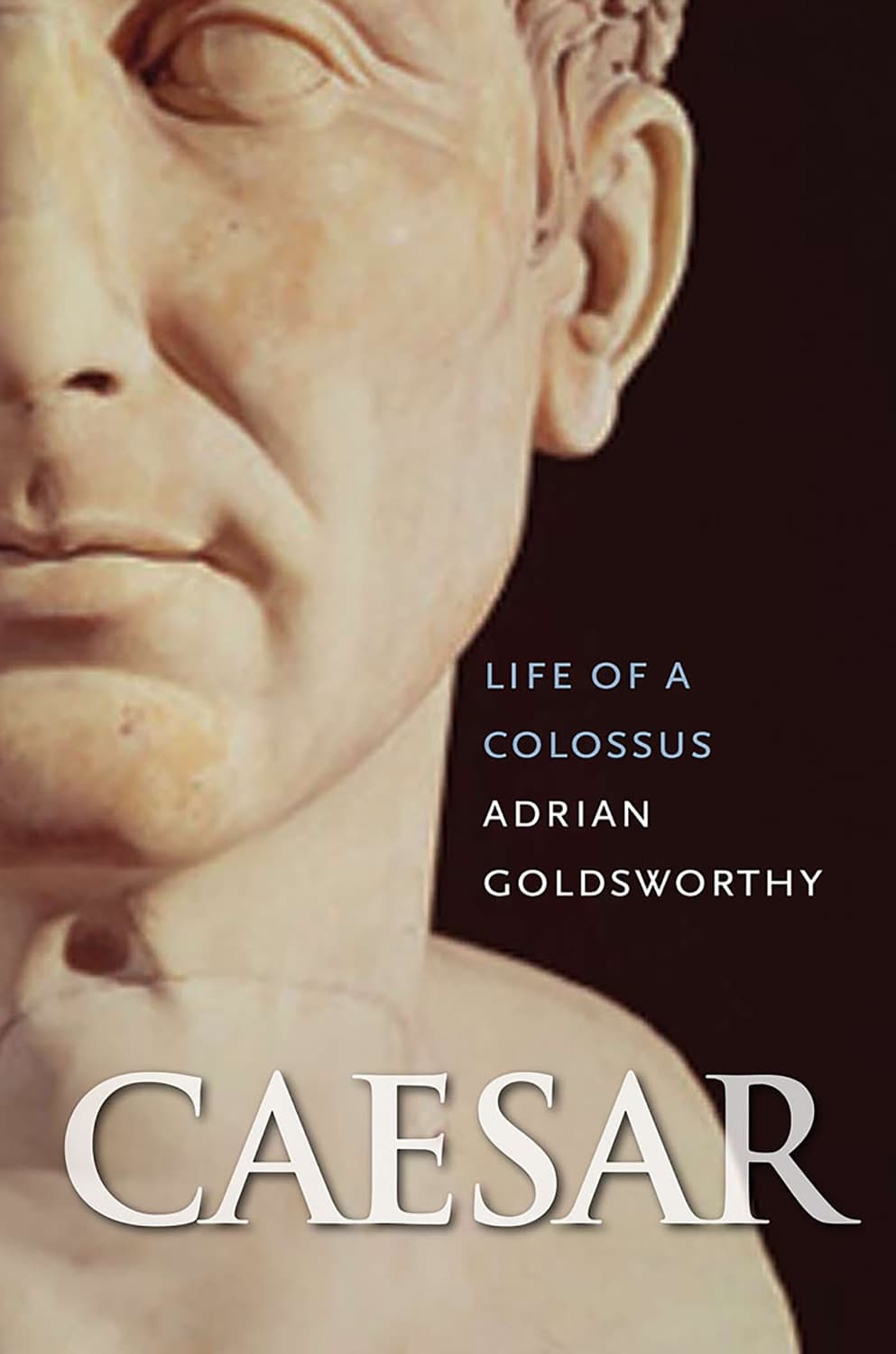
Caesar
Adrian Goldsworthy
Caesar reads like a strategist who treats politics as momentum, converting legitimacy myths into hard control.
Autocracy can be engineered inside republican forms
Goldsworthy frames Caesar as a republican strongman becoming an autocrat, which broadens “dictator biography” beyond the twentieth century. That reframes the genre by showing how autocracy can emerge through institutions, not only through revolution.
Can we tailor this list for you?
Type your question in the bar below and the AI will tailor a fresh set of picks just for you.