Best Books on Political Leadership
Political leadership runs on strategy and character: Machiavelli in The Prince, Kennedy in Profiles in courage, and Neustadt in Presidential Power. These books share a hard focus on how power persuades and how leaders act under pressure.
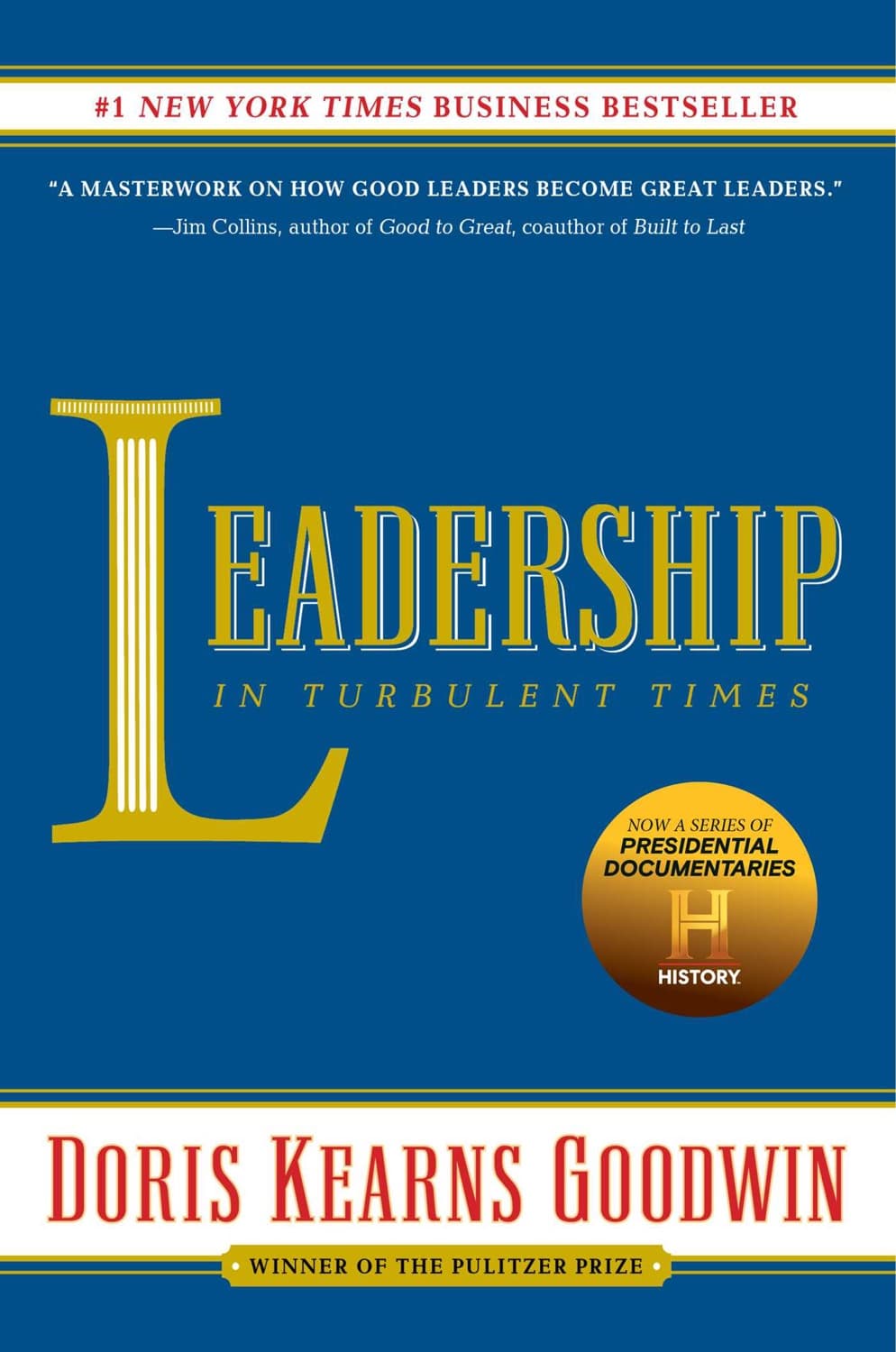
Leadership
Doris Kearns Goodwin
Goodwin treats presidential leadership as a practiced response to crisis: what changes is the leader’s capacity to absorb chaos without losing moral direction.
Leadership is crisis management plus moral steadiness
Unlike abstract leadership theory, this is built from comparative presidential moments where decisions are tested by war, division, and sudden reversals. It fits political leadership because it connects personality and governance through real institutional pressures, not slogans.
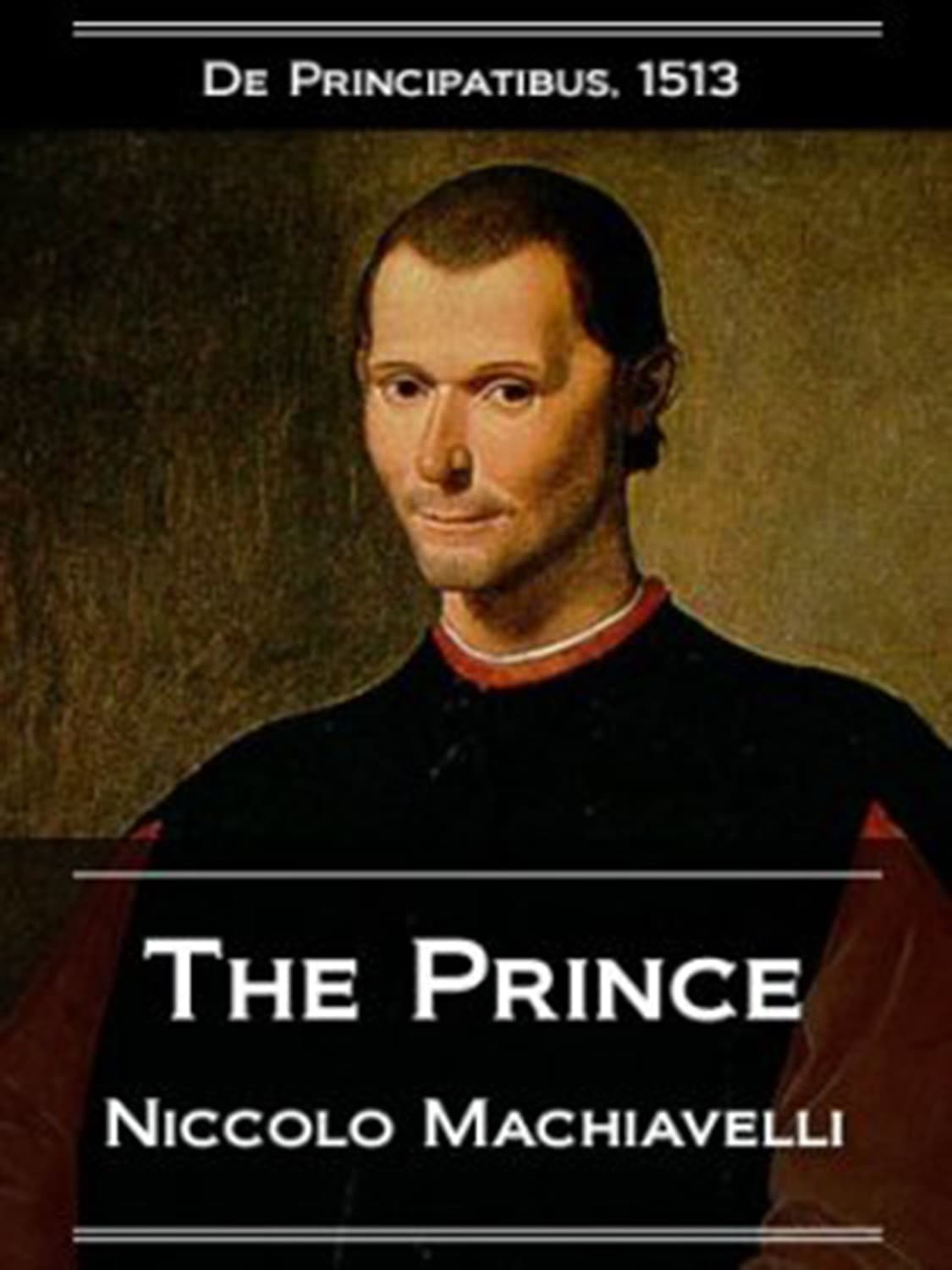
The Prince
Niccolò Machiavelli
After Machiavelli, politics stops sounding like virtue and starts sounding like effective control: stability comes from calculated power, not wishful ideals.
Appearances matter: rule by managing perception
This offers the foundational logic of statecraft: how rulers secure authority, manage risk, and respond when incentives punish purity. For political leadership, it gives you a ruthless lens for understanding why institutions often reward outcomes over intentions.
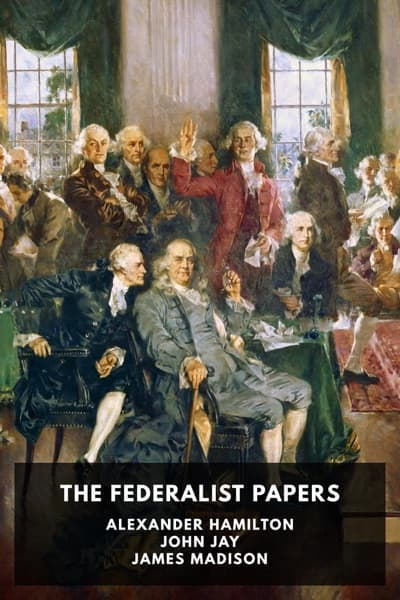
The Federalist papers
Alexander Hamilton
The Federalist papers turn leadership into design: the most decisive “move” is building institutions that make good governance more likely than good speeches.
Ambition must be made to counteract ambition
Hamilton’s side of republican leadership argues that power must be structured, not merely celebrated. If your goal is political leadership, this reframes leadership as constitutional engineering: how systems channel ambition into restraint.
The art of war =
Sun Tzu
Sun Tzu makes leadership a discipline of uncertainty: victory belongs to those who plan for what they cannot fully know.
Know the terrain before you trust the plan
Though military, the core is decision-making under friction, authority, and timing. Applied to political leadership, it clarifies how leaders choose actions with incomplete information and how they convert strategy into disciplined execution.
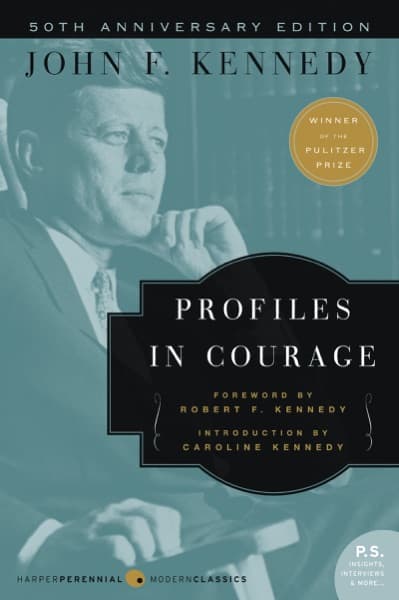
Profiles in courage
John F. Kennedy
Kennedy reframes leadership as the willingness to lose for the public good: courage is a political skill, not a personality trait.
Courage is principle against political payoff
Instead of heroic myths, these portraits show leadership under pressure where the cost of principle is immediate. For political leadership, this grounds ethics in deliberation and voting decisions, where integrity competes with party incentives.
The Twenty Years' Crisis, 1919-1939
E.H. Carr
Carr forces a mature realism: leaders don’t control history with ideals alone because power reshapes every moral claim in practice.
Moral absolutes ignore power’s constraints
This book gives a seminal lens on international politics and the role of power in leadership choices. It fits political leadership because it trains you to read ideology as strategy and to understand why some leaders face structural constraints they cannot sermonize away.
Appearances matter: rule by managing perception
Leadership
Henry Kissinger
Kissinger treats statesmanship as strategic orchestration: what changes after the book is how you weigh constraints, timing, and leverage over slogans.
Power is leverage plus timing
This distills recurring patterns from statesmen’s decisions, turning experience into a toolkit for political statecraft. For political leadership, it emphasizes how leaders manage competing interests and translate negotiation into outcomes without pretending control is total.
Presidential Power and the Modern Presidents
Richard E. Neustadt
Neustadt makes presidential leadership psychological and practical: real power is persuasion, not authority on paper.
Presidential power is the power to persuade
Instead of treating executive power as a fixed instrument, he shows how leaders must win influence through bargaining, framing, and credibility. For political leadership, this gives you a usable model for how decisions actually get made inside modern institutions.
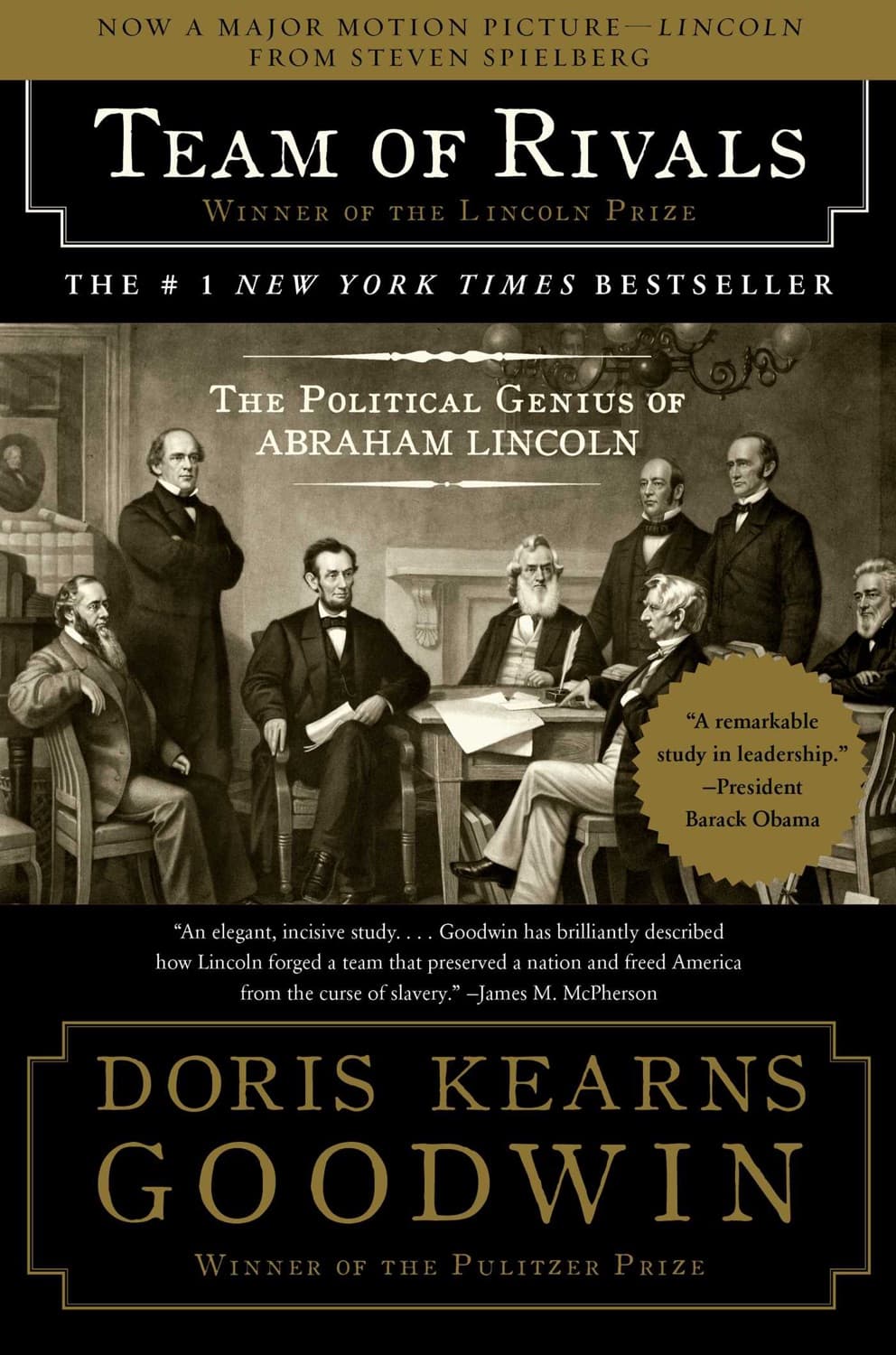
Team of Rivals
Doris Kearns Goodwin
Lincoln’s leadership becomes a method: turning rivals into a working team changes crisis governance from solitary command to coordinated political effort.
Make opponents into partners to govern
Goodwin’s narrative shows inclusive leadership as a strategic response to division, not just a feel-good story. For political leadership, it teaches how leaders build coalitions, keep dissent inside decision-making, and use institutional unity to survive political pressure.
Can we tailor this list for you?
Type your question in the bar below and the AI will tailor a fresh set of picks just for you.