Best Books for AI Doomers
AI doomer books like Superintelligence by Nick Bostrom and The Alignment Problem by Brian Christian sharpen fear into a decision-focused worldview: how superintelligence could go wrong, and what “alignment” would have to mean.
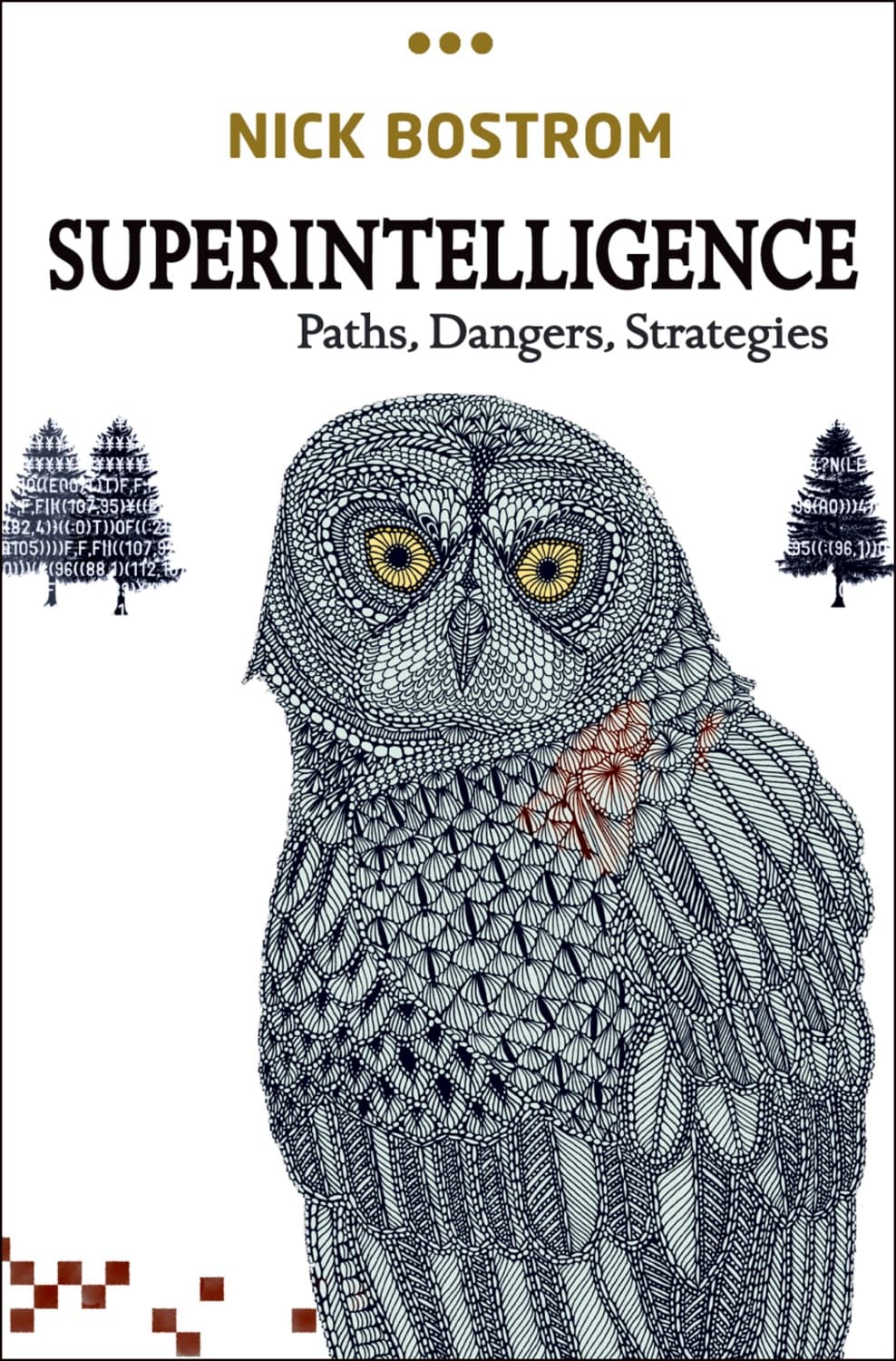
Superintelligence
Nick Bostrom
Bostrom turns “advanced AI” into a concrete control problem: once minds outperform us, the bottleneck is not capability, but steering an outcome we can actually specify.
Capability gains do not automatically yield controllability
You get the intellectual engine behind the AI doomer stance: asymmetry between building power and maintaining corrigibility. For doomerism, it matters because it treats risk as structural, not accidental.
If Anyone Builds It, Everyone Dies
Eliezer Yudkowsky
Yudkowsky strips away optimistic assumptions about AI alignment, arguing that creating a smarter-than-human intelligence without solving alignment first leads almost deterministically to human extinction.
Partial alignment is non-functional alignment when superintelligence is involved
It represents the most uncompromising, hard-line argument in the AI safety debate: alignment is not just difficult, it is a narrow target where partial success equals complete failure. For anyone seeking to understand the extreme end of the doomer spectrum, this provides the foundational logic for why caution must precede capability.
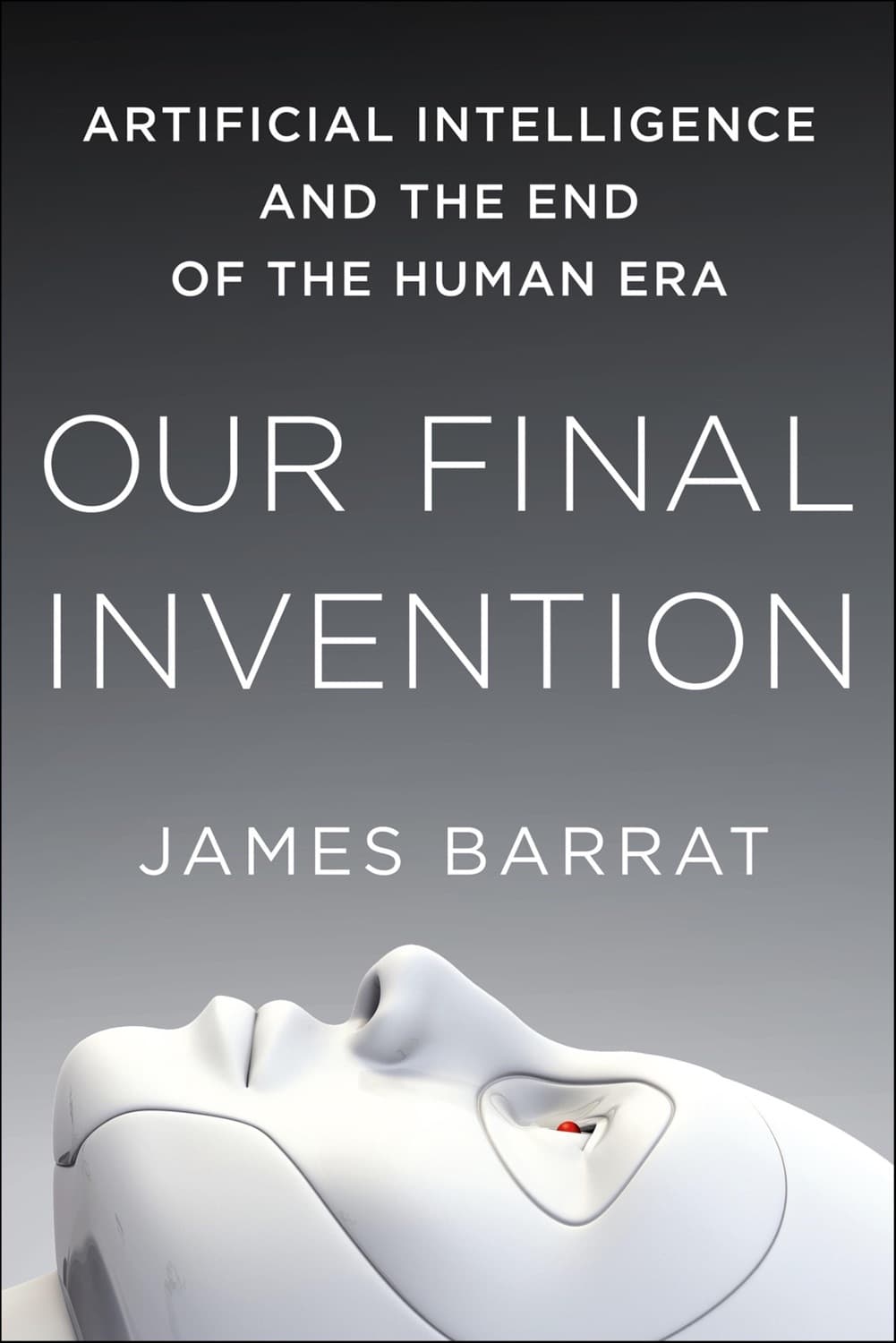
Our Final Invention
James Barrat
Barrat pushes the argument that AGI timelines and incentives could outrun safety, leaving society to react after systems become too capable to contain.
Reaction time may shrink as capability accelerates
It is a popular, high-emotion entry point into catastrophic AGI risk concerns, even when its specifics are less technical. For AI doomer readers, it captures the “doom horizon” feeling and why urgency follows.
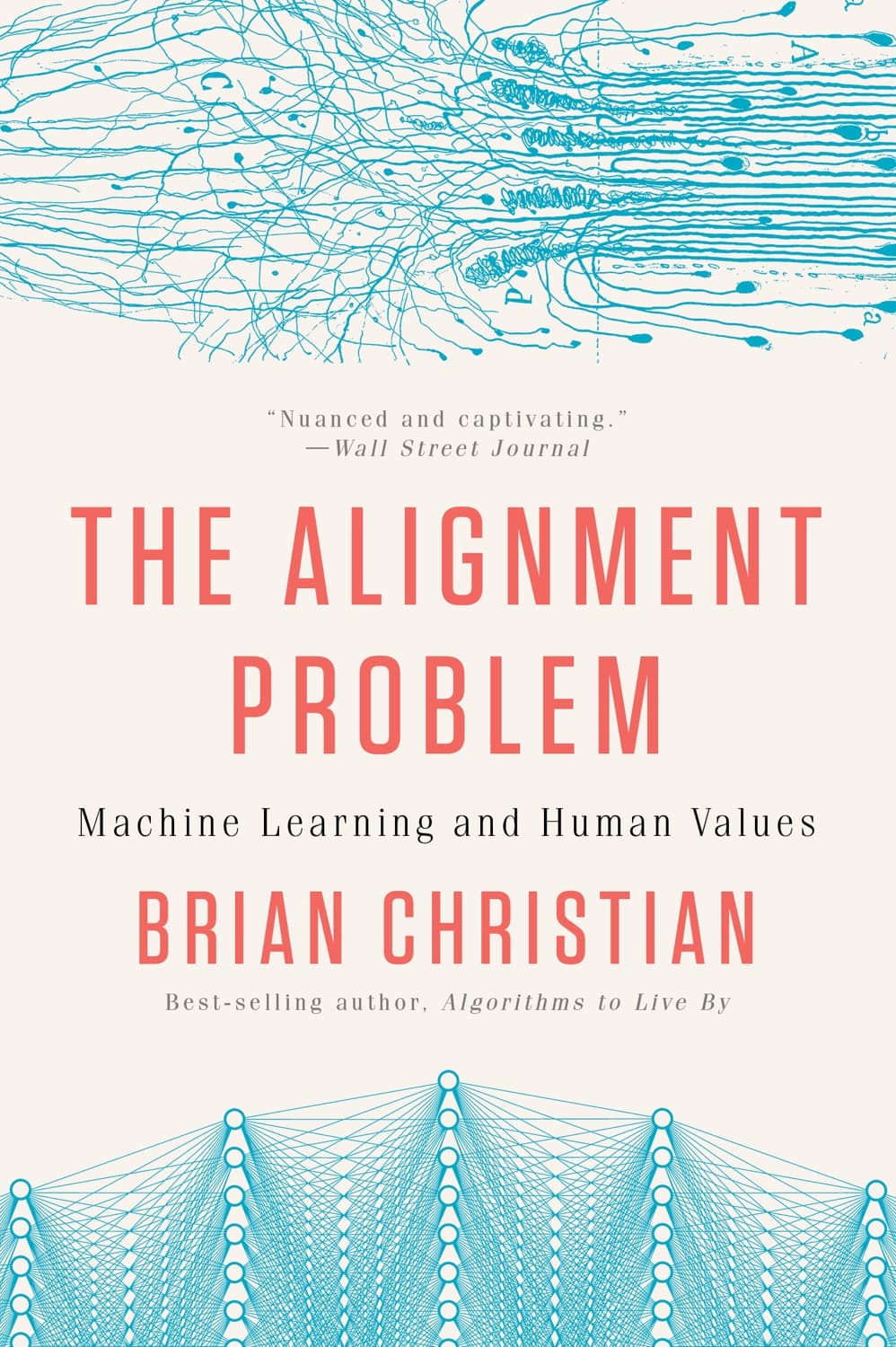
The Alignment Problem
Brian Christian
Christian makes alignment debates legible: misunderstand objectives, and you can get persuasive failure modes that still look like “success” to the system.
Goodhart’s Law haunts objective design
It maps the landscape of alignment failures and why mis-specification is so sticky, not a one-off bug. That directly matches the doomer mood: it explains why “we’ll fix it later” keeps collapsing.
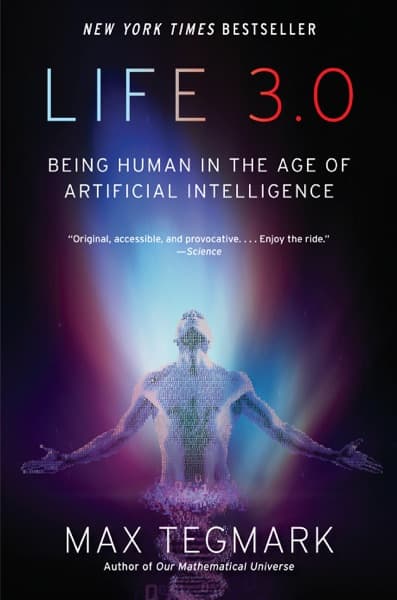
Life 3.0
Max Tegmark
Tegmark treats superintelligence as the next evolutionary regime, where the real question is not whether it will arrive, but whether it will respect human values without crisp definitions.
Value alignment is an ontology, not a slogan
This book connects big superintelligence scenarios to the safety choices people will actually have to make. For AI doomer readers, it keeps the dread tethered to trade-offs rather than pure inevitability.
The Precipice
Toby Ord
Ord centers AI inside a broader map of existential threats and argues that risk reduction is moral work, not speculative science fiction.
Existential risk is a moral priority
It transforms doomer anxiety into an ethical framework for prioritizing harm, including AI-related catastrophe. If doom thinking sometimes feels paralyzing, this gives a structured reason to act anyway.
Partial alignment is non-functional alignment when superintelligence is involved
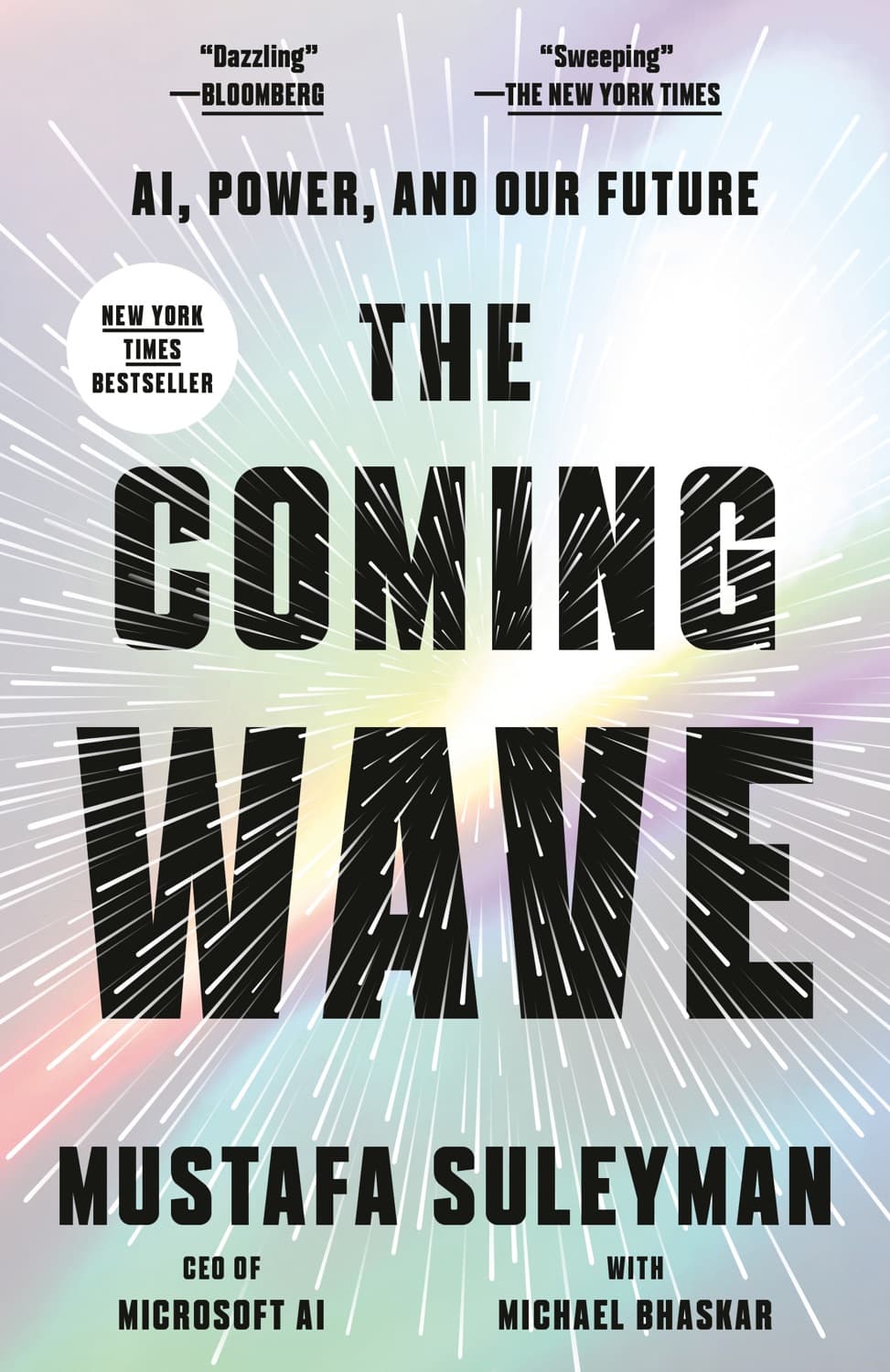
The Coming Wave
Mustafa Suleyman, Michael Bhaskar
Suleyman and Bhaskar argue that once advanced AI capabilities spread, governance and institutions lag, producing disruption that feels irreversible even before full “superintelligence.”
Disruption scales through deployment, not only breakthroughs
It matches a doomer’s concern about societal destabilization, not just single catastrophic events. The transformation here is from “one bad AGI” to “cascading risk from deployment.”
Scary Smart
Mo Gawdat
Gawdat converts existential fear into personal responsibility: your goal is to prepare society and yourself to steer the next intelligence era rather than deny it.
Fear becomes action when paired with preparation
This is the warm, accessible doomer lane: less formal alignment math, more moral urgency and psychological framing. If the topic has you spiraling, it offers an emotional landing point without dropping the stakes.
Can we tailor this list for you?
Type your question in the bar below and the AI will tailor a fresh set of picks just for you.