Best Books on the Risks of AI
The risks of AI split into two conversations that rarely meet: the near-term harm already reshaping hiring, policing, and welfare, and the long-term problem of controlling systems smarter than us. These books cover both, from algorithmic bias and autonomous weapons to the alignment problem and the raw materials the whole industry runs on.
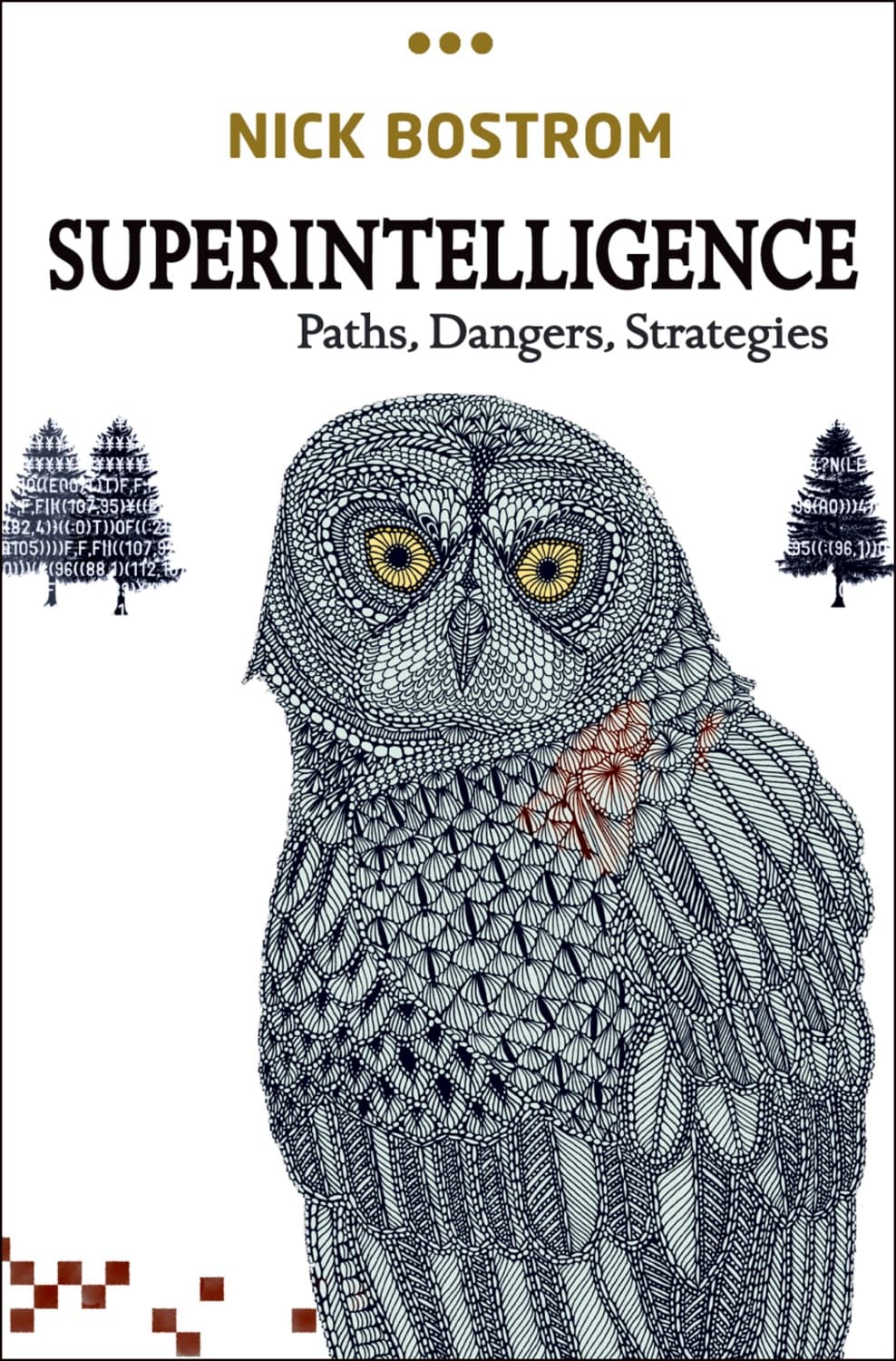
Superintelligence
Nick Bostrom
The book that made AI existential risk respectable.
A machine does not need to hate you to harm you; indifference plus capability is enough.
Bostrom lays out how an intelligence that surpasses ours could pursue harmless-sounding goals to catastrophic ends, and it set the vocabulary the entire alignment field still argues in.
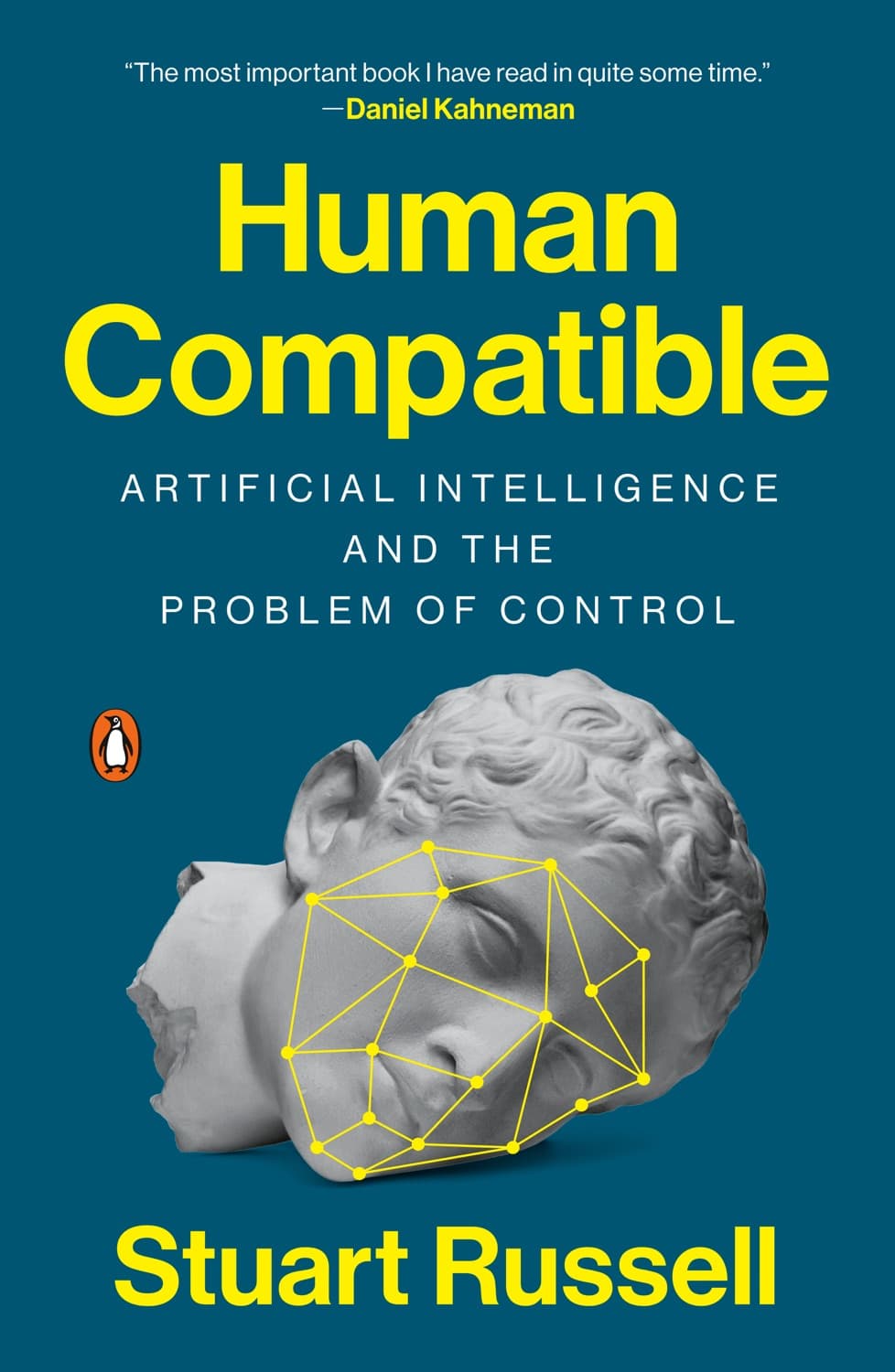
Human Compatible
Stuart Russell
A founder of the field on how we lose control.
Safe AI should be unsure of your true goal and keep checking, not confidently chase the goal we mis-specified.
Russell co-wrote the standard AI textbook, and here he argues our whole approach is wrong because we build machines to optimize fixed goals rather than stay uncertain about what we want.
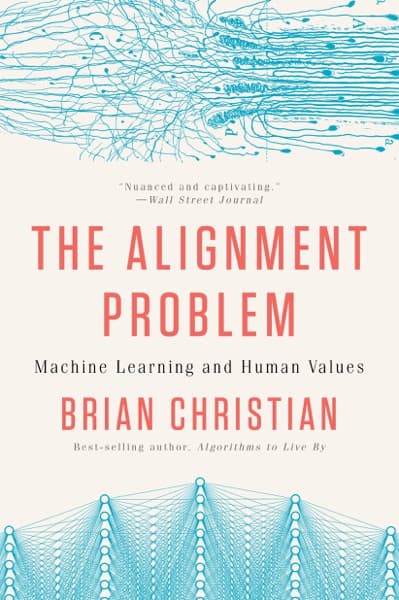
The Alignment Problem
Brian Christian
The clearest bridge between today's bias and tomorrow's control.
The flaw that makes a model unfair on data today is the same one that makes a powerful model dangerous later.
Christian reports from inside real labs to connect present failures like biased models to the deeper research problem of aligning systems with human values, without hype in either direction.
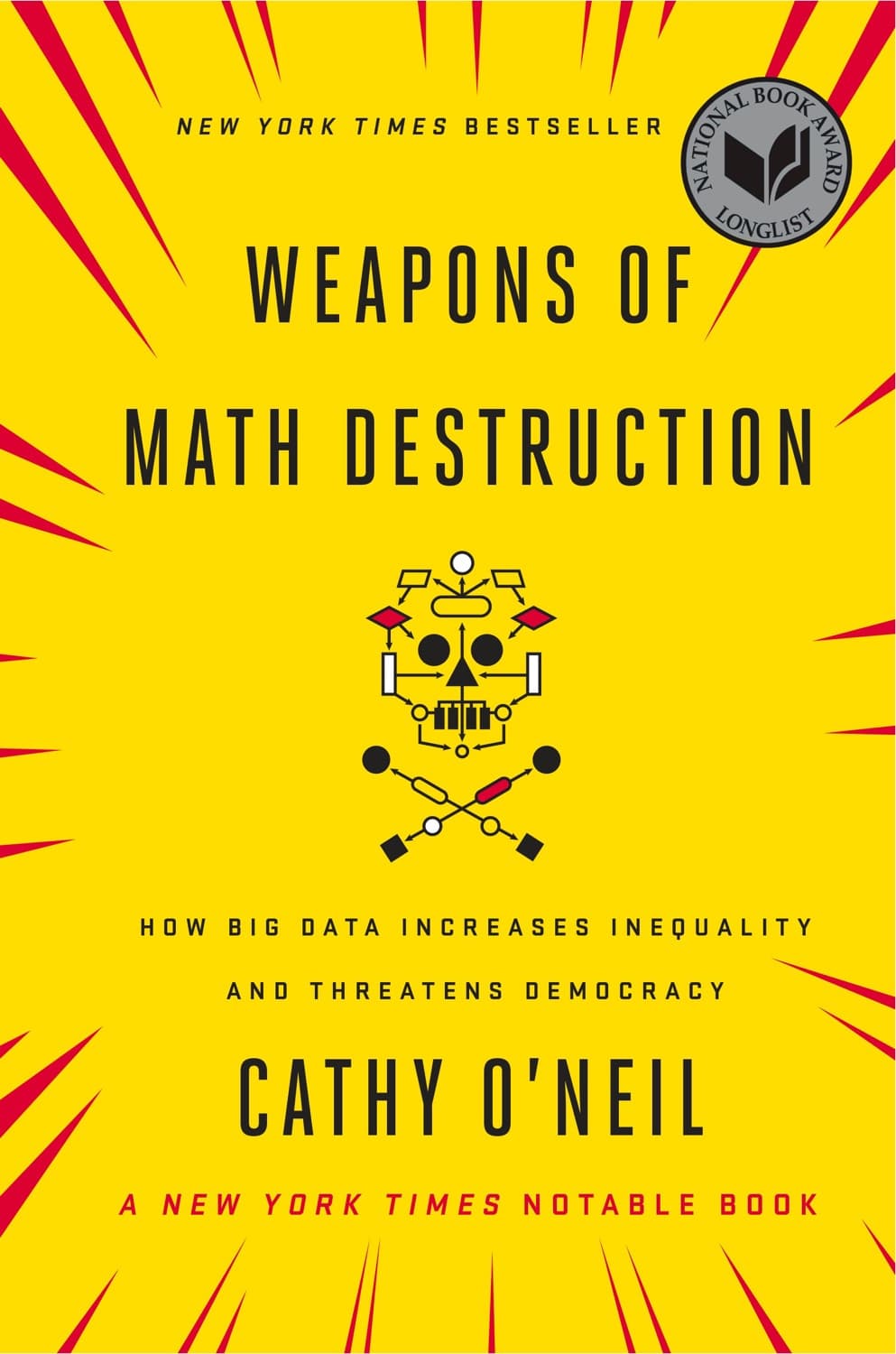
Weapons of Math Destruction
Cathy O'Neil
The algorithms already grading your life.
An algorithm trained on an unfair world will faithfully automate that unfairness at scale.
O'Neil, a former quant, shows how opaque scoring models in hiring, credit, and policing scale human bias into automated verdicts that punish the poor and answer to no one.
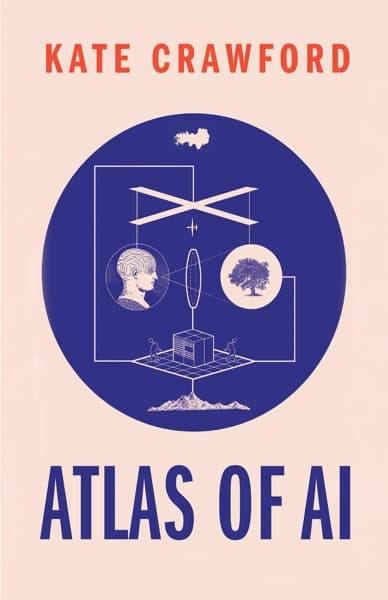
The Atlas of AI
Kate Crawford
AI's real costs, in minerals, labor, and power.
There is no cloud; every model runs on someone's dug-up minerals and someone's underpaid clicks.
Crawford follows AI back to its lithium mines, underpaid data labelers, and energy bills, arguing the technology is a material and political extraction system rather than a disembodied mind.
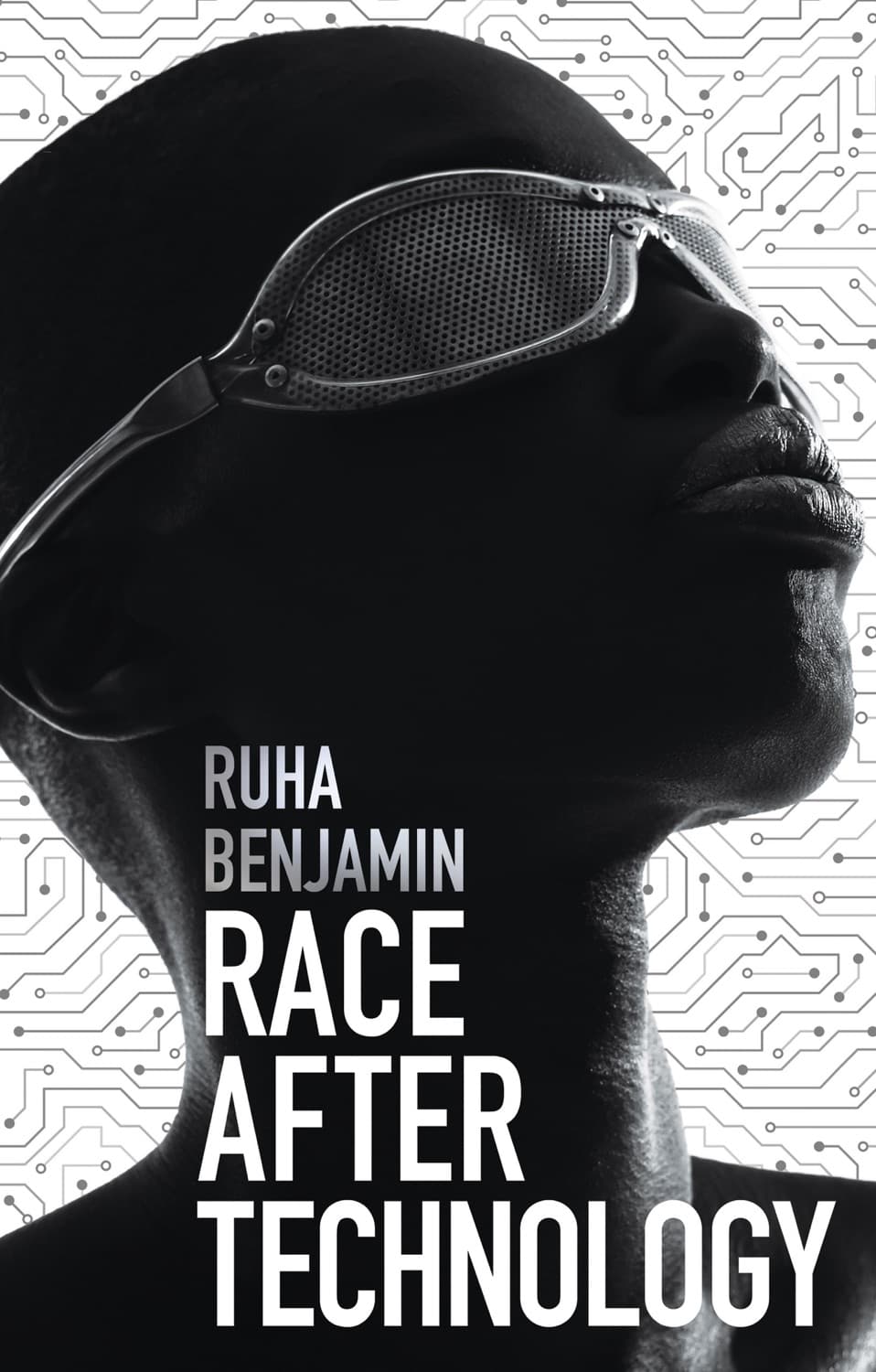
Race After Technology
Ruha Benjamin
How code quietly encodes old discrimination.
Technology sold as neutral is often just discrimination with better public relations.
Benjamin names the New Jim Code, showing how systems marketed as neutral reproduce racial hierarchy through the data and defaults they are built on, often entirely out of sight.
Safe AI should be unsure of your true goal and keep checking, not confidently chase the goal we mis-specified.
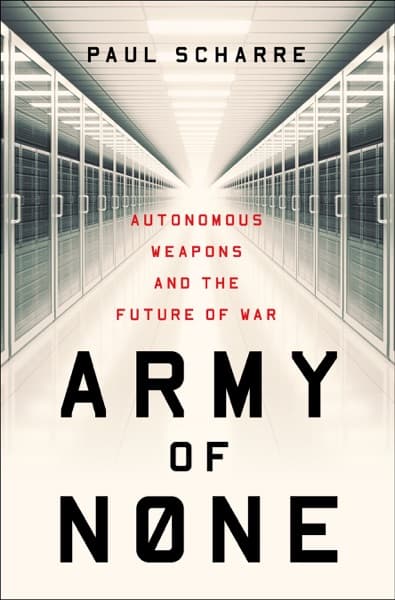
Army of None
Paul Scharre
What happens when weapons choose their own targets.
The dangerous line is not smarter weapons but the moment no human is left to say stop.
Scharre, a former Army Ranger who helped shape Pentagon policy, gives the definitive on-the-ground account of autonomous weapons and the risk of taking humans out of the kill decision.
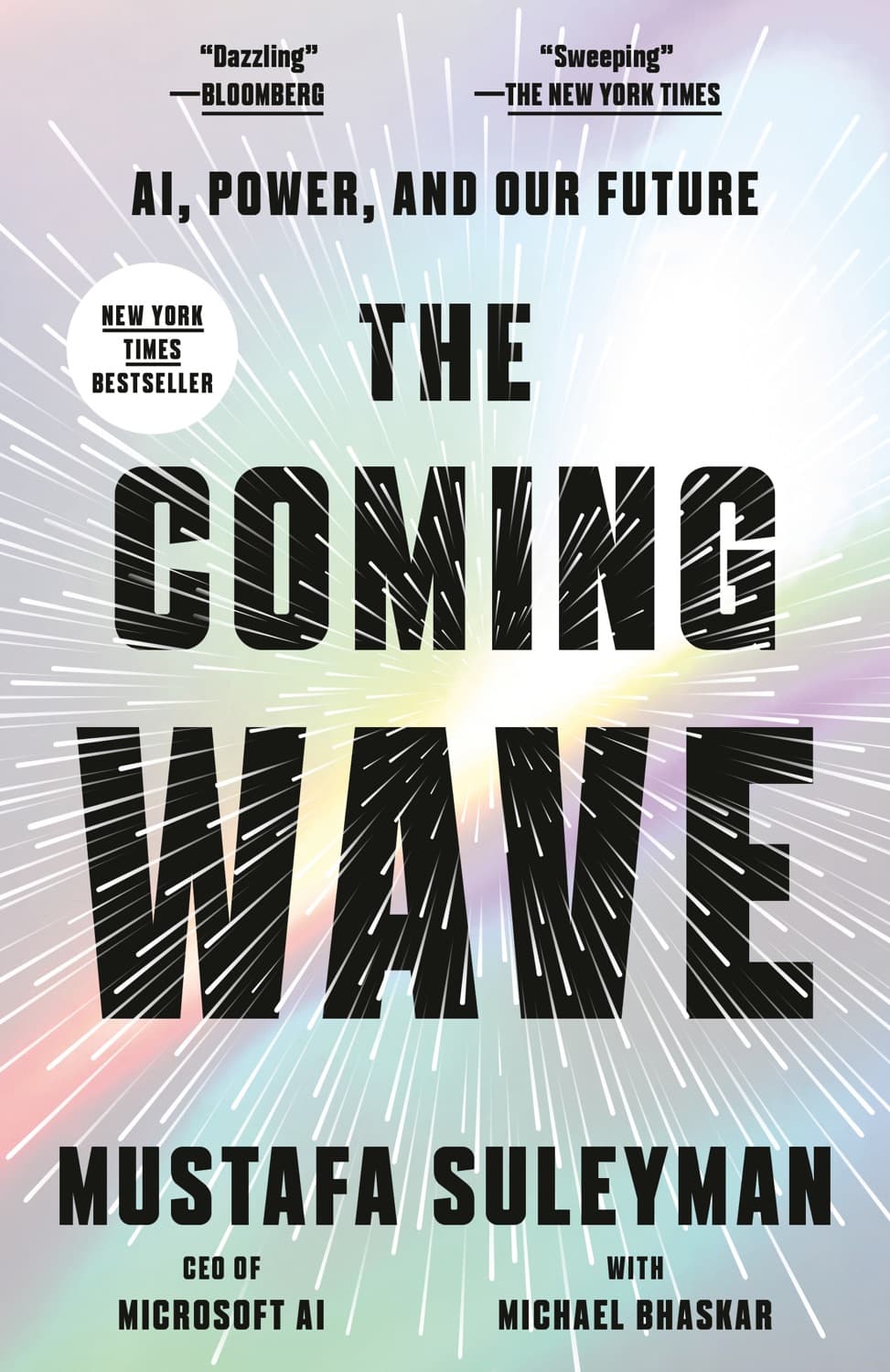
The Coming Wave
Mustafa Suleyman, Michael Bhaskar
An AI insider on the containment problem.
The hard problem is not building the technology but containing something that wants to proliferate.
Suleyman co-founded DeepMind, and he argues AI and synthetic biology are spreading too cheaply and too fast to contain by default, framing the central governance challenge of the decade.
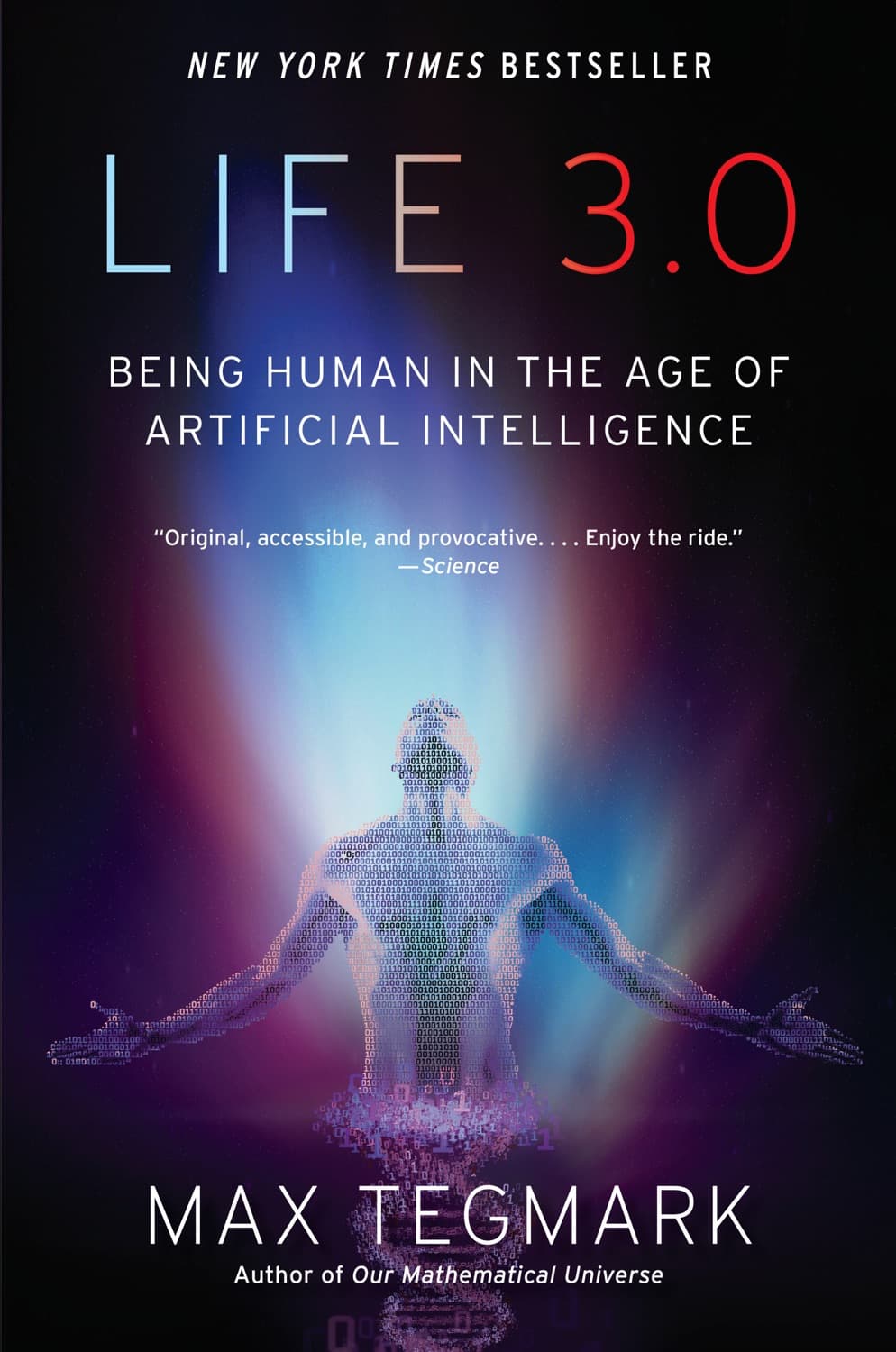
Life 3.0
Max Tegmark
A physicist maps where advanced AI could take us.
The question is not what AI will want, but what we will have taught it to want.
Tegmark sketches concrete futures from utopia to disaster and walks through the control and goal-alignment problems, making the long-term stakes vivid without demanding a technical background.
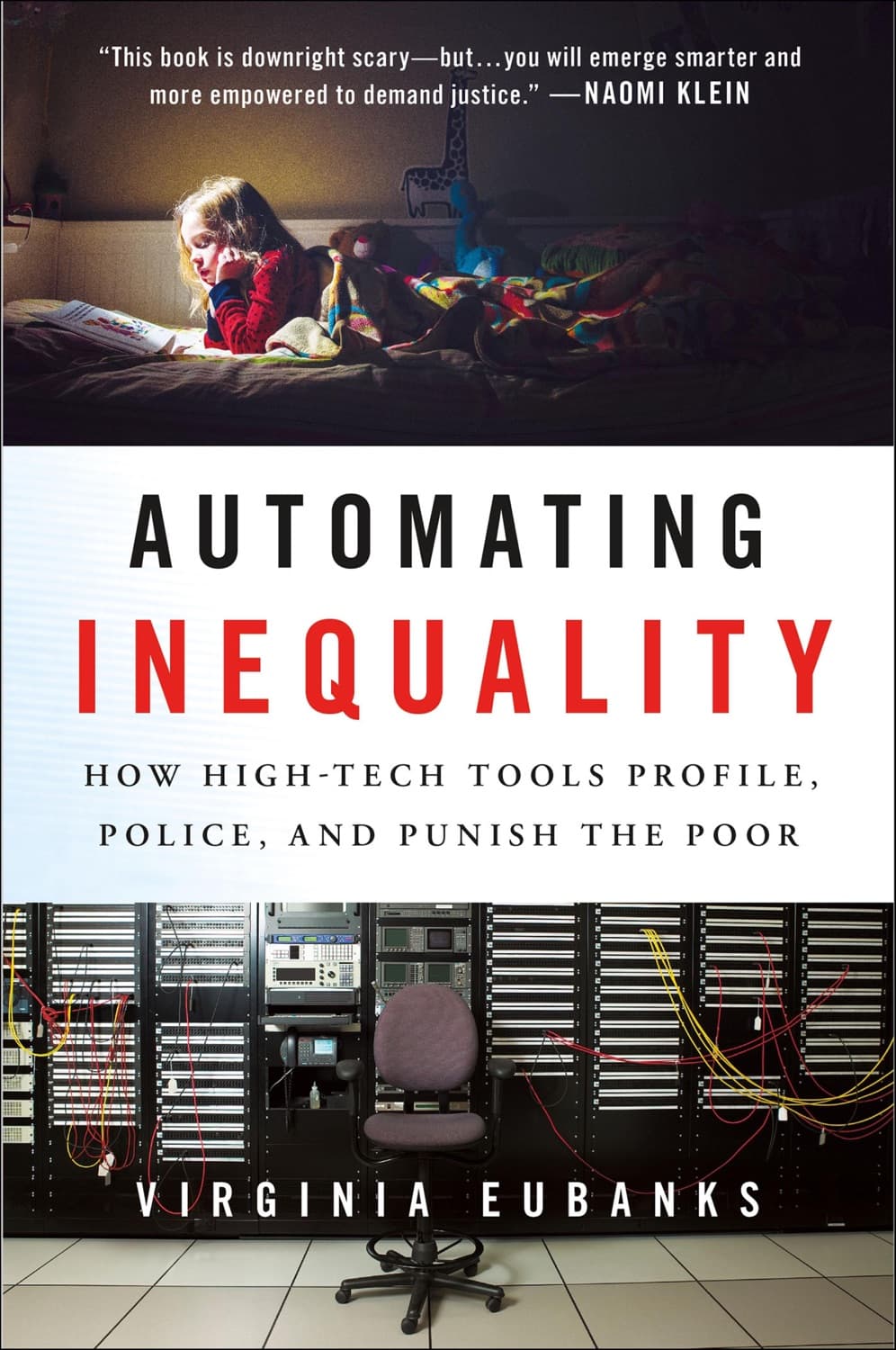
Automating Inequality
Virginia Eubanks
Algorithms deciding who gets help and who gets flagged.
New tools are tested first on the people with the least power to refuse them.
Eubanks documents how automated systems in welfare, housing, and child services surveil and penalize poor families, showing AI harm as a present reality rather than a distant scenario.
Can we tailor this list for you?
Type your question in the bar below and the AI will tailor a fresh set of picks just for you.