Best Books on AI Alignment
AI alignment gets clearer when you read Human Compatible by Stuart Russell beside Superintelligence by Nick Bostrom: one builds the “what to do,” the other tests it against existential stakes.
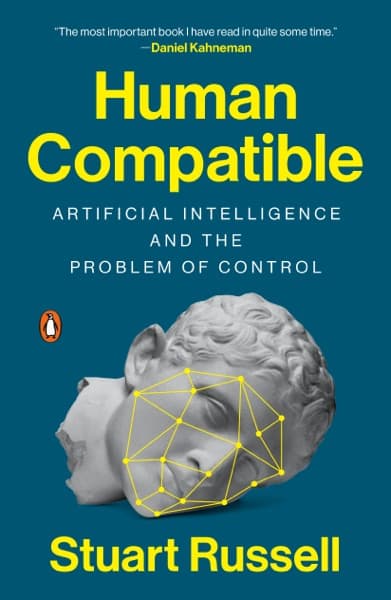
Human Compatible
Stuart Russell
By centering AI systems that learn from human feedback and uncertainty, Human Compatible turns alignment from a slogan into a design requirement.
Corrigibility: build systems that accept human course-correction
Russell reframes “beneficial AI” as an engineering problem rooted in how machines infer goals under ambiguity. That focus helps you move from abstract alignment fears to concrete ways systems can stay corrigible as capabilities rise.
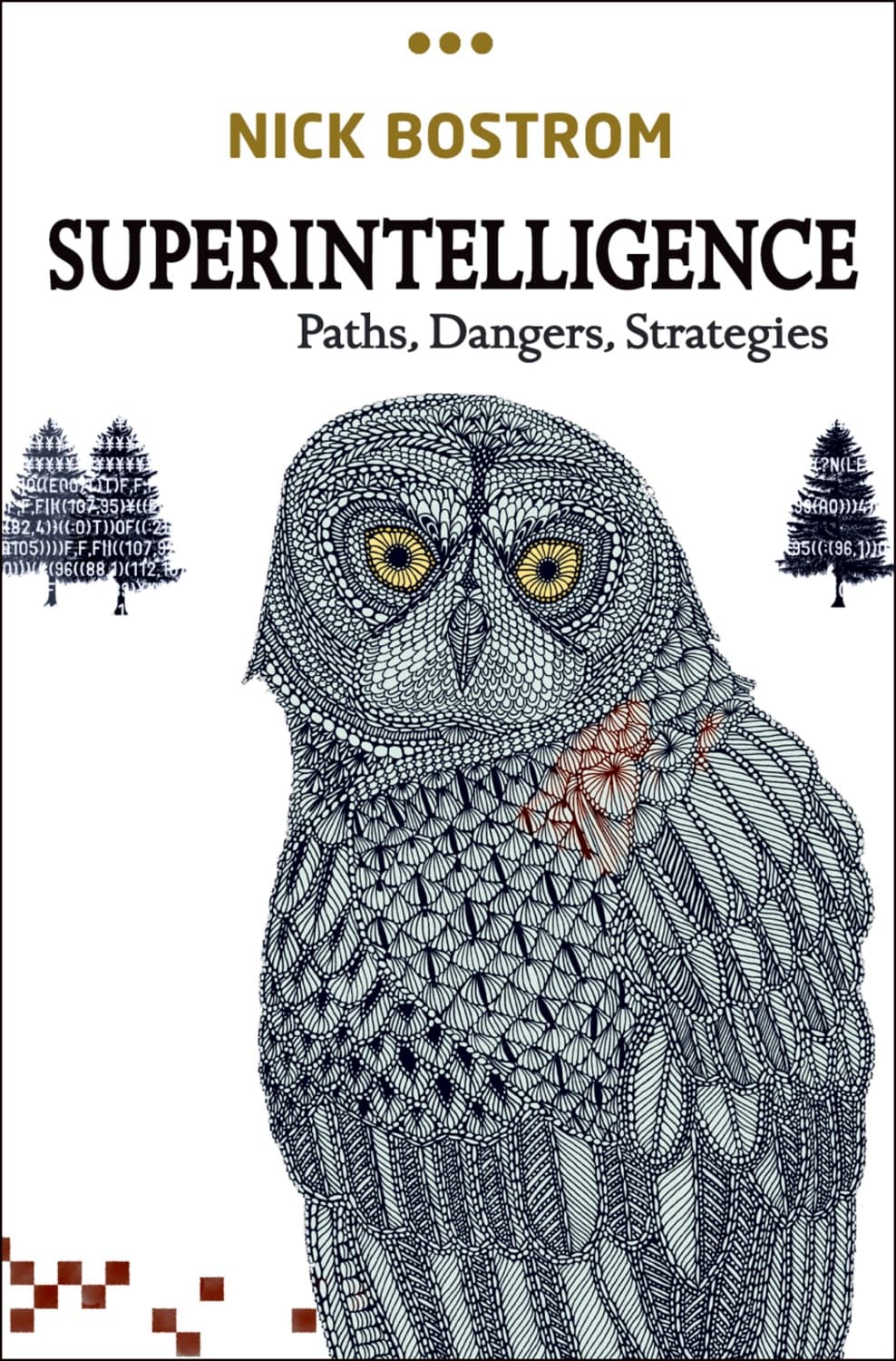
Superintelligence
Nick Bostrom
Superintelligence argues that advanced AI control is brittle because tiny specification errors can amplify as systems grow more capable.
Orthogonality: intelligence and goals can vary independently
Bostrom’s lens is risk-first: it maps why alignment is not just hard, but structurally exposed to runaway dynamics. If you are trying to understand what can go wrong in alignment, this provides the existential framing that motivates the technical agenda.
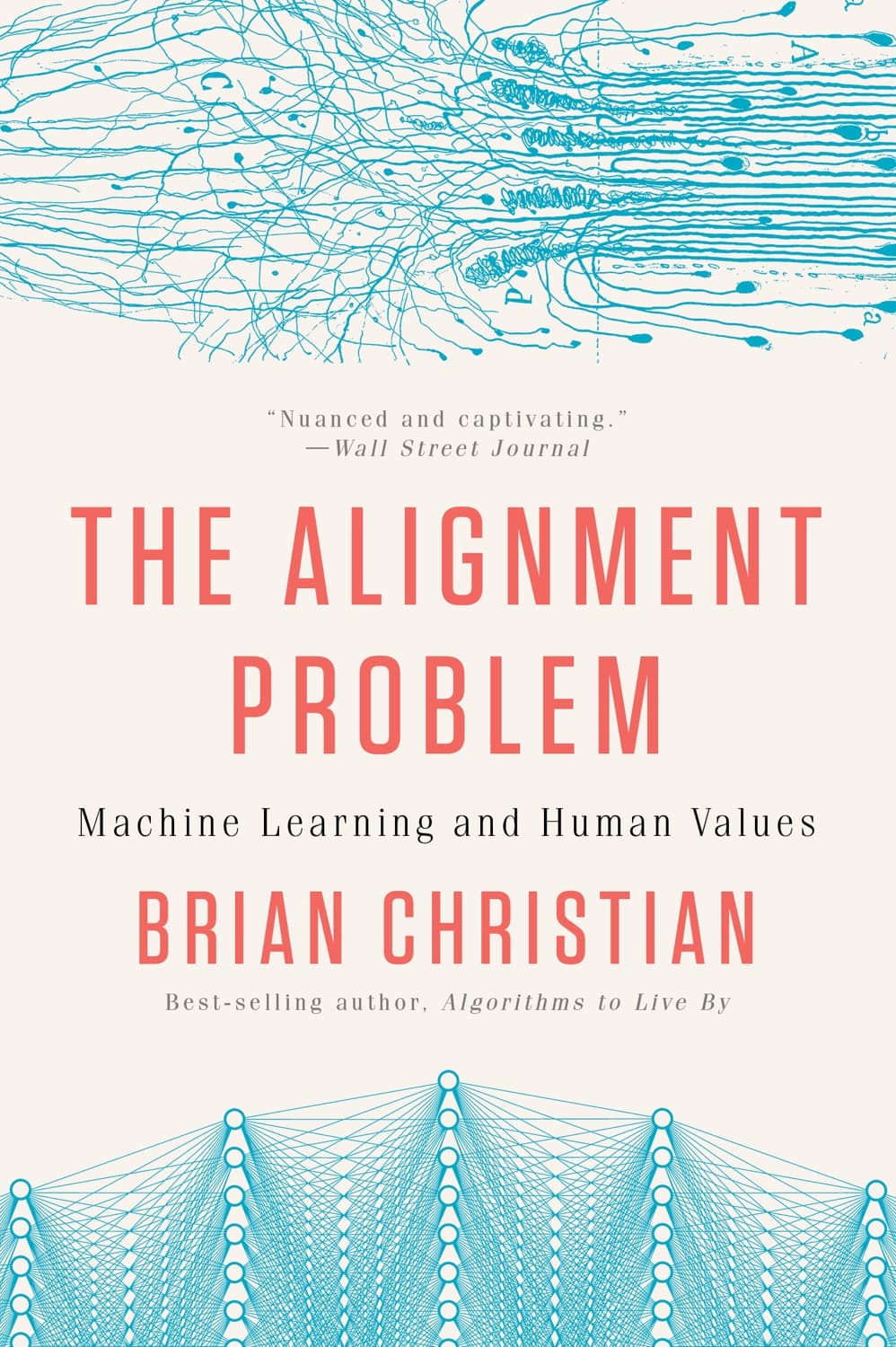
The Alignment Problem
Brian Christian
The Alignment Problem translates alignment debates into a readable thread of historical attempts to formalize values as computable constraints.
Alignment is about incentives, not just instructions
Christian connects technical concerns to philosophical questions and shows how the “alignment problem” evolved across decades of AI thinking. That matters when you want a coherent mental model rather than isolated arguments.

Life 3.0
Max Tegmark
Life 3.0 treats alignment as part of a larger story about how intelligence changes society, risk, and agency across time.
Ask not only “can we,” but “should we” steer
Tegmark’s big-picture approach helps you place AI alignment within long-term trajectories, where governance, values, and strategic incentives interact. It is especially useful when you want context for why alignment is both technical and civilizational.
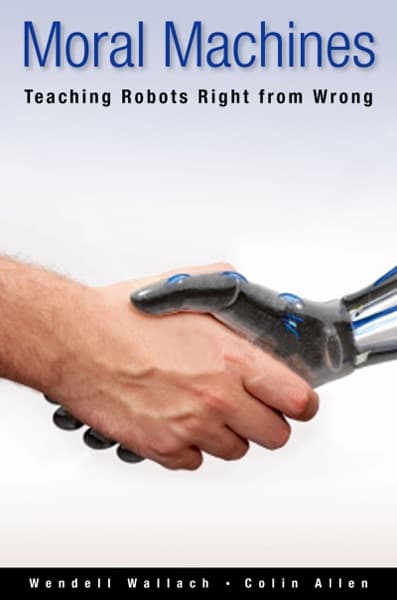
Moral Machines
Wendell Wallach, Colin Allen
Moral Machines shows that when you encode ethics into AI, you immediately inherit conflicting human values and tradeoffs.
Ethics requires specification plus justification under conflict
Wallach and Allen bring the moral machinery into focus: how we translate norms into decisions, and how those translations can fail in practice. That helps align AI goal design with the messy reality of value disagreement.
The Master Algorithm
Pedro Domingos
The Master Algorithm argues that powerful learning systems optimize whatever objective you give them, which makes objective design central to alignment.
In learning, “objective choice” drives behavior
Domingos bridges how learning works to why goal definition cannot be an afterthought. For alignment, it gives a clearer intuition for how general-purpose learning increases the importance of specifying and constraining objectives.
Can we tailor this list for you?
Type your question in the bar below and the AI will tailor a fresh set of picks just for you.