Best Books on Entrepreneurship in the AI Era
Entrepreneurship in the AI era needs two tools: fast learning and durable strategy. These essentials pair execution manuals like The Lean Startup with AI-native advantage thinking from Competing in the Age of AI.
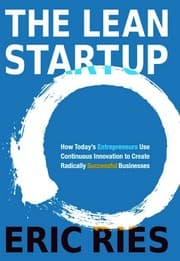
The Lean Startup
Eric Ries
After every experiment, you learn whether your AI product reduces uncertainty or just creates busywork.
Validated learning replaces vanity metrics
Ries turns startup chaos into a repeatable system for testing assumptions, which matters when AI models and customer outcomes are still unsettled. The lens shifts you from shipping features to validating learning.
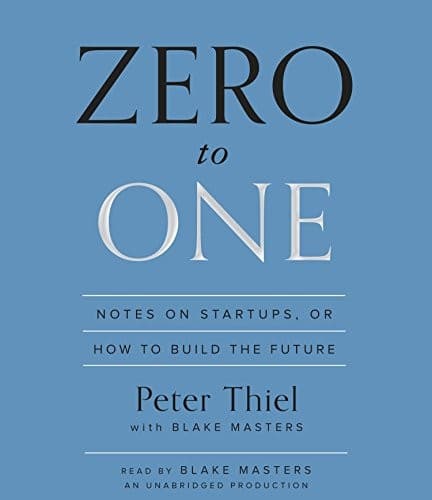
Zero to One
Peter Thiel, Blake Masters
The book pushes you to build something different enough to earn a monopoly, even when AI lowers the barrier to copying.
Monopolies emerge from breakthrough value
Thiel frames entrepreneurship as creating new markets rather than competing in existing ones. In an AI era full of imitators, that discipline helps founders pick defensible problems and avoid feature races.
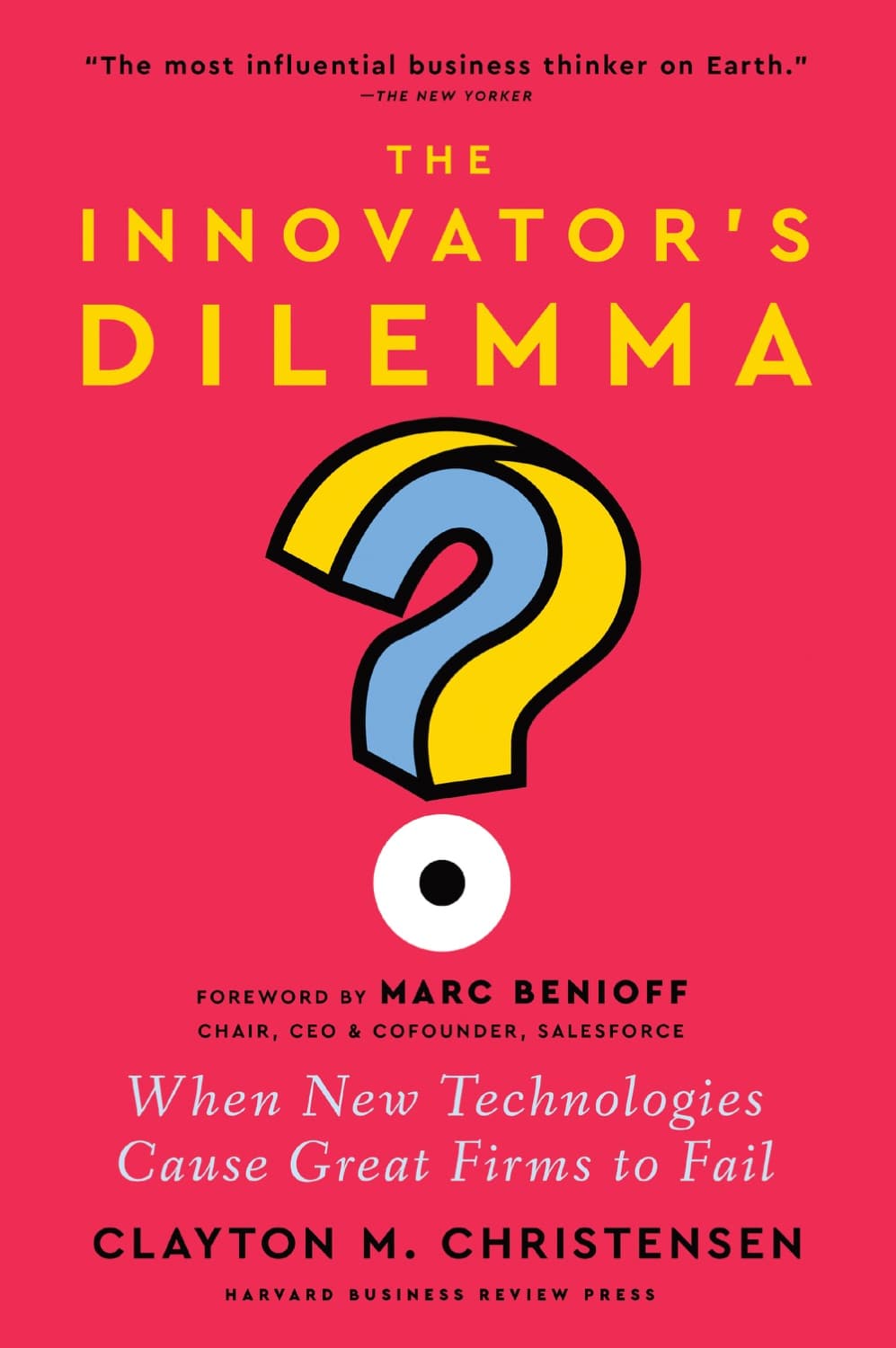
The Innovator's Dilemma
Clayton Christensen
Disruption often wins because it starts worse, then becomes good enough to replace incumbents.
Disruptions target low-end or new markets
AI accelerates that replacement cycle, especially when startups offer a new performance curve. This perspective helps founders and leaders design for adoption, not just technical superiority.
Competing in the Age of AI
Marco Iansiti, Karim R. Lakhani
AI advantage comes from redesigning operations and decision rights, not just deploying models.
Data and workflows power AI advantage
The authors map how AI-native firms create leverage through operating model choices. For entrepreneurs, it turns “use AI” into “build the system around AI” so the business improves with data and workflow integration.
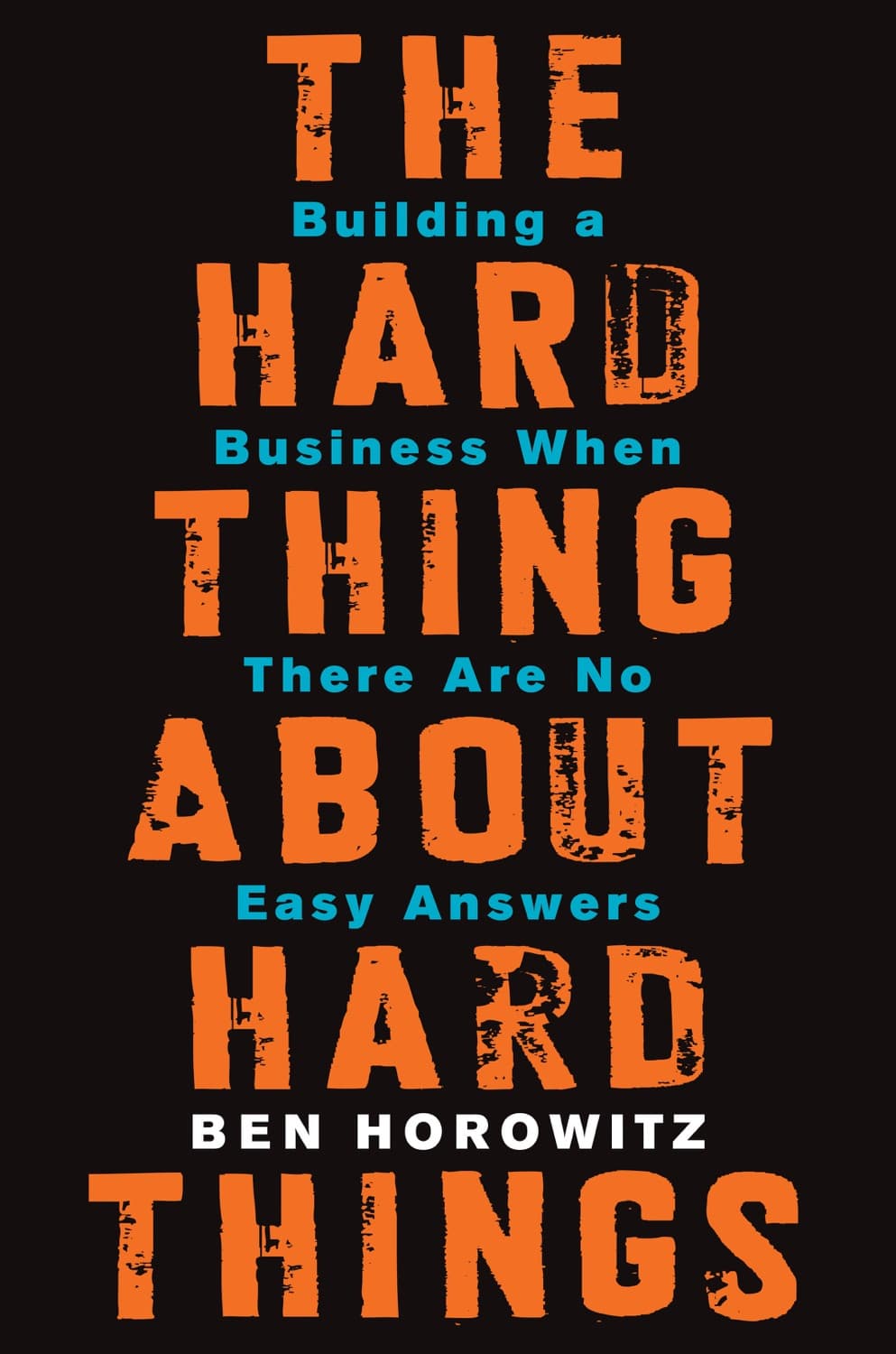
The Hard Thing About Hard Things
Ben Horowitz
It treats leadership as problem-solving under fire, not motivation speeches or strategy decks.
Great leaders create clarity during chaos
In the AI era, startups face volatility: model risk, talent churn, customer churn, and scaling pressure. Horowitz’s operating counsel strengthens your decision-making when the path is unclear and the stakes are existential.
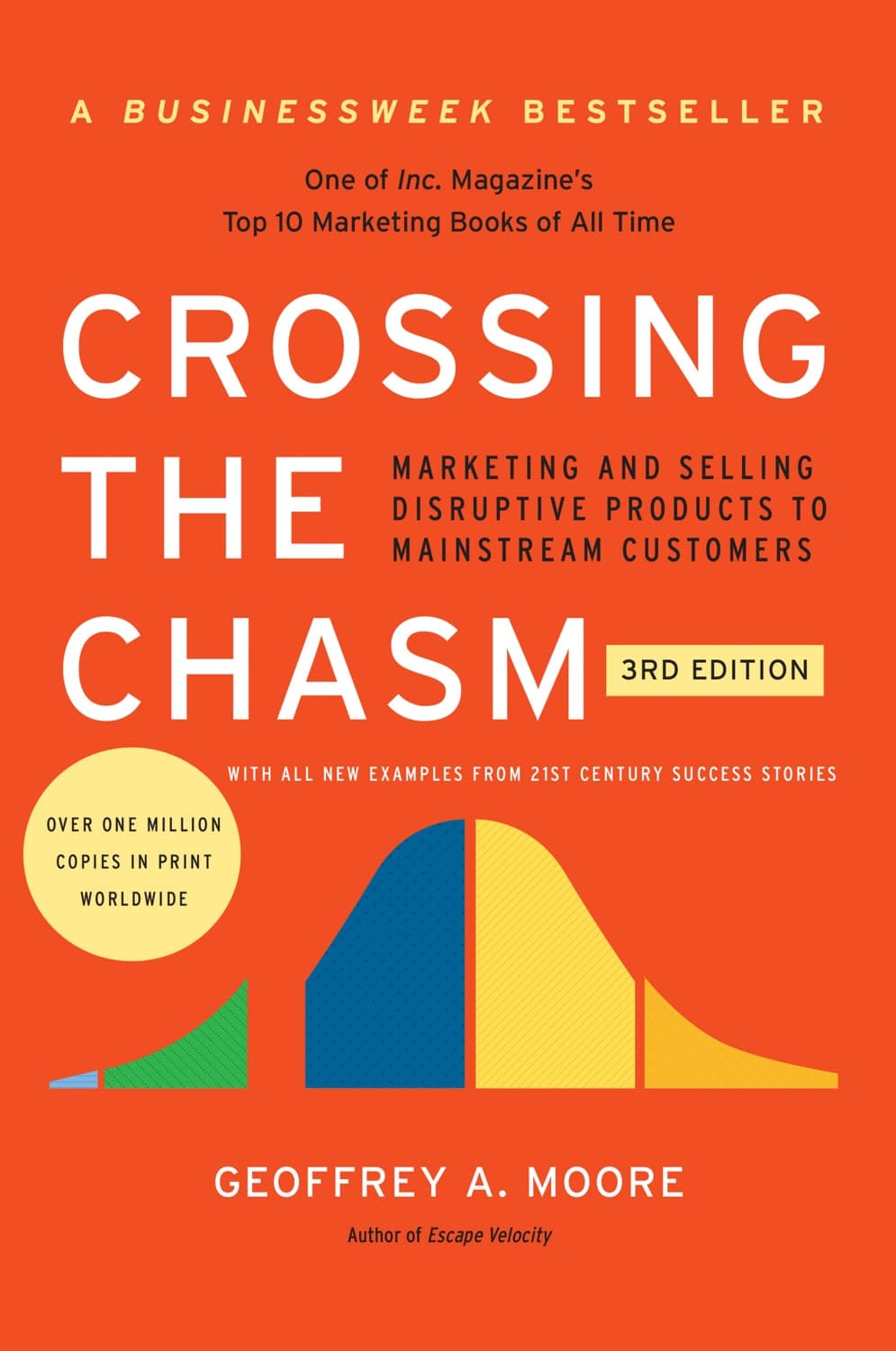
Crossing the Chasm
Geoffrey A. Moore
Breakthrough tech fails when it can delight early adopters yet still cannot win mainstream budgets.
Chasm crossing requires a beachhead
AI products frequently sit in that gap: proof-of-concept enthusiasm without adoption readiness. Moore’s framework helps founders craft a pragmatic path to the first mainstream customer segment.
Monopolies emerge from breakthrough value
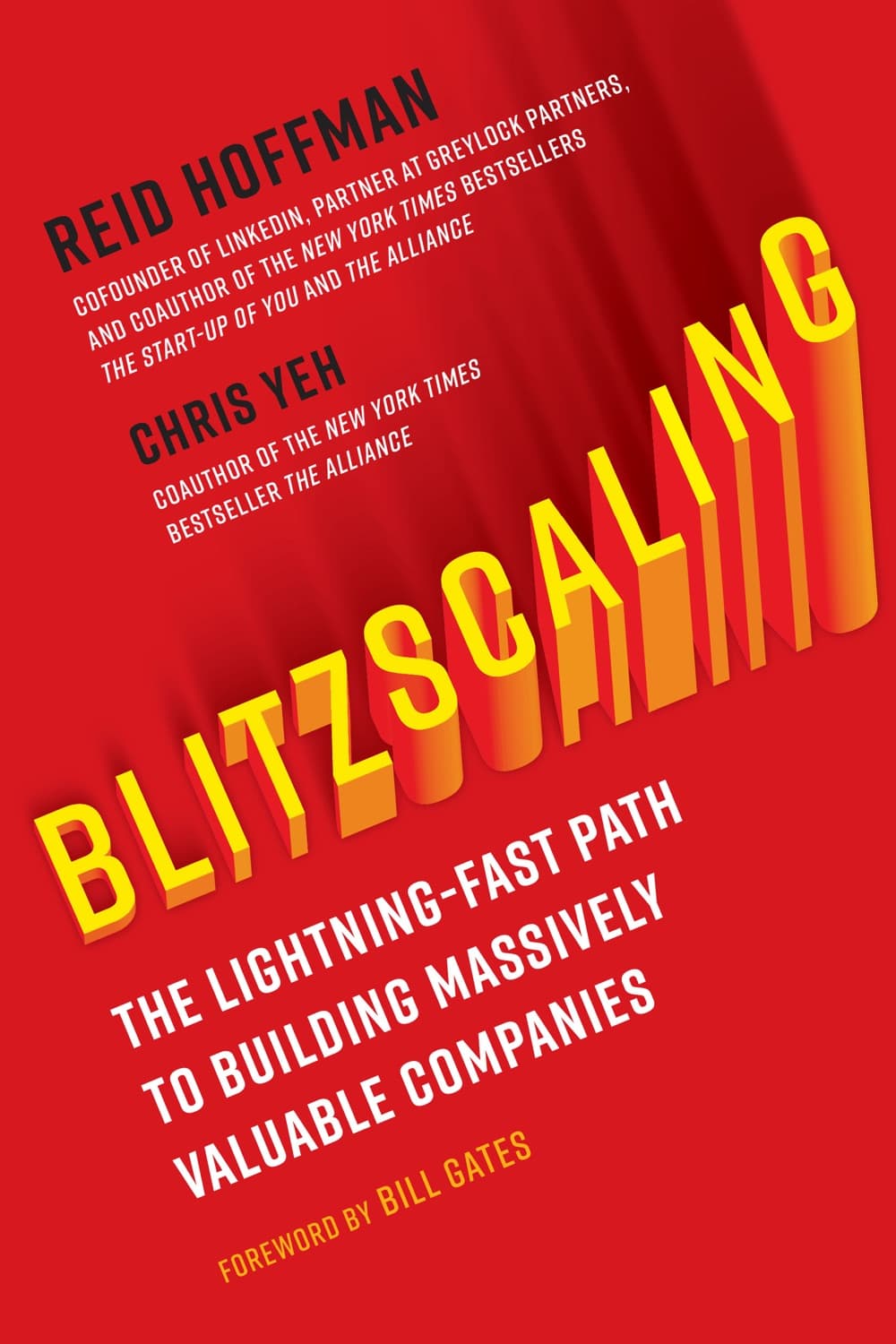
Reid Hoffman and Chris Yeh on Blitzscaling
Reid Hoffman
Blitzscaling argues that the goal is winning the market, not optimizing every decision for efficiency.
Speed can be a strategy, not a symptom
When network effects and timing dominate, AI marketplaces and platform distribution can reward speed and focus. This book sharpens your ability to choose when to grow aggressively versus when to slow down.
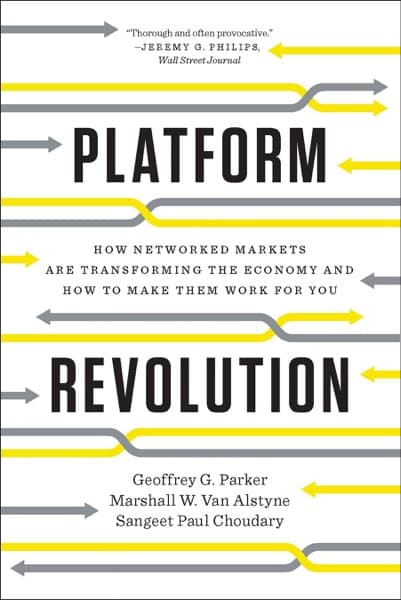
Platform Revolution
Geoffrey G. Parker, Marshall W. Van Alstyne, Sangeet Paul Choudary
Platforms turn complements into value, and governance decides whether the ecosystem compounds or collapses.
Multi-sided incentives drive platform success
In an AI ecosystem, your “product” often includes integrations, data flows, and partners. This book gives founders the platform mechanics to design incentives, rules, and adoption around AI-powered networks.
Can we tailor this list for you?
Type your question in the bar below and the AI will tailor a fresh set of picks just for you.