Best Books on Running and Meaning
Running and Meaning pairs practice with purpose: Haruki Murakami’s turns miles into solitude, while Born to Run and The Perfect Mile explain why striving keeps meaning alive.
What I Talk About When I Talk About Running
Haruki Murakami
Murakami makes long-distance running feel like a repeatable ritual for seeing clearly, even when nothing else changes.
Running is a private method for listening inward.
This is meditation without performance: the practice becomes a lens for time, loneliness, and focus. It fits Running and Meaning because it treats meaning as something you keep meeting, not something you arrive at.
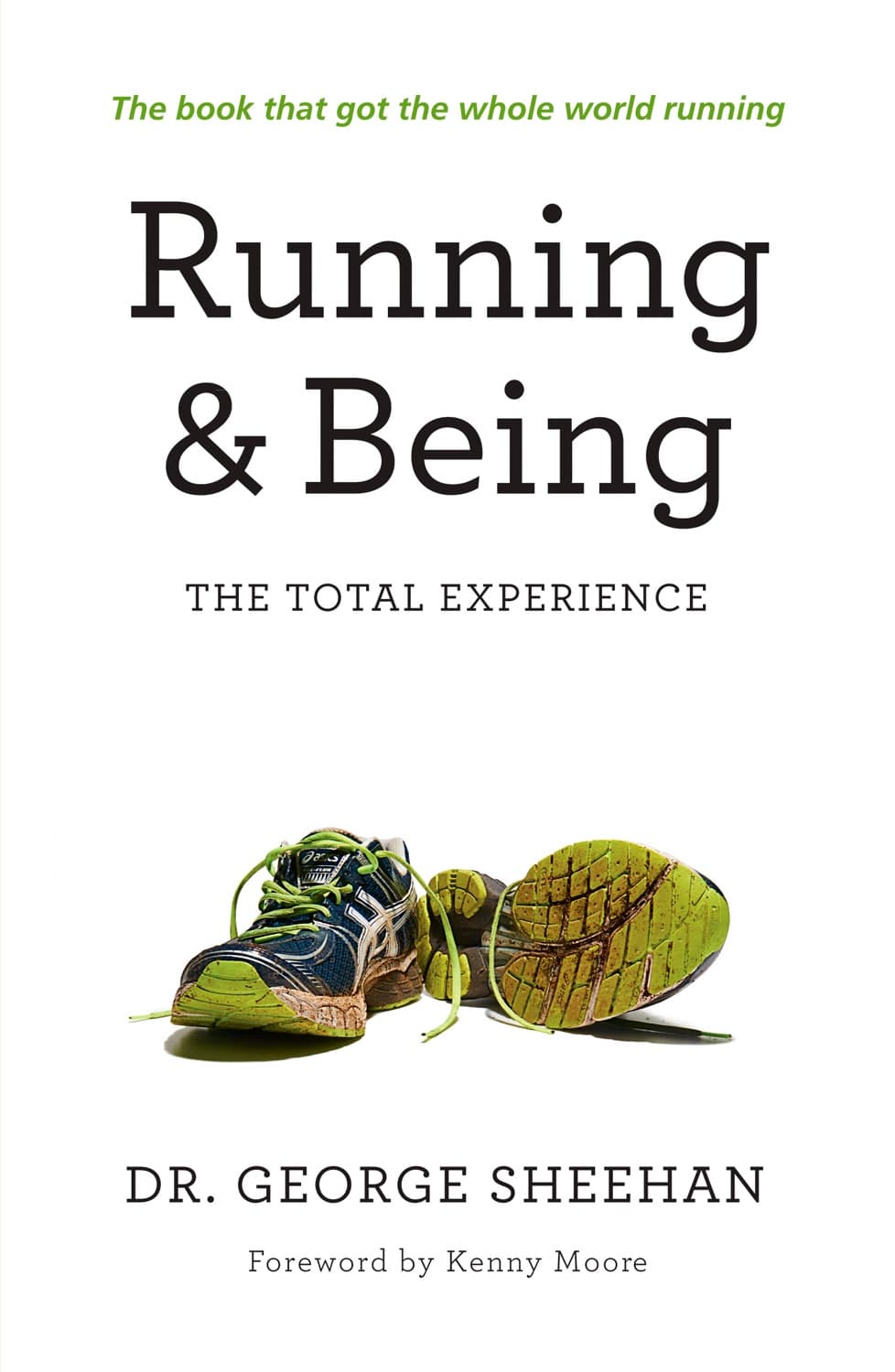
Running & Being
George sheehan
George Sheehan reframes running from training to identity: the miles are a language for how you live.
Running is participation in your own life, not escape from it.
Unlike motivational takes, this builds a coherent worldview around purpose, selfhood, and aging. It matches your theme by connecting what you do on the road to what you believe off it.
Born to Run
Christopher McDougall, Fred Sanders
Born to Run argues that humans are built to run, and that belief shifts from myth into lived possibility.
Your body is designed for running: your story can change with it.
It gives you meaning through investigation and narrative: why running persists, what it reveals, and how community and endurance shape identity. It fits Running and Meaning by showing purpose as something you discover by moving.
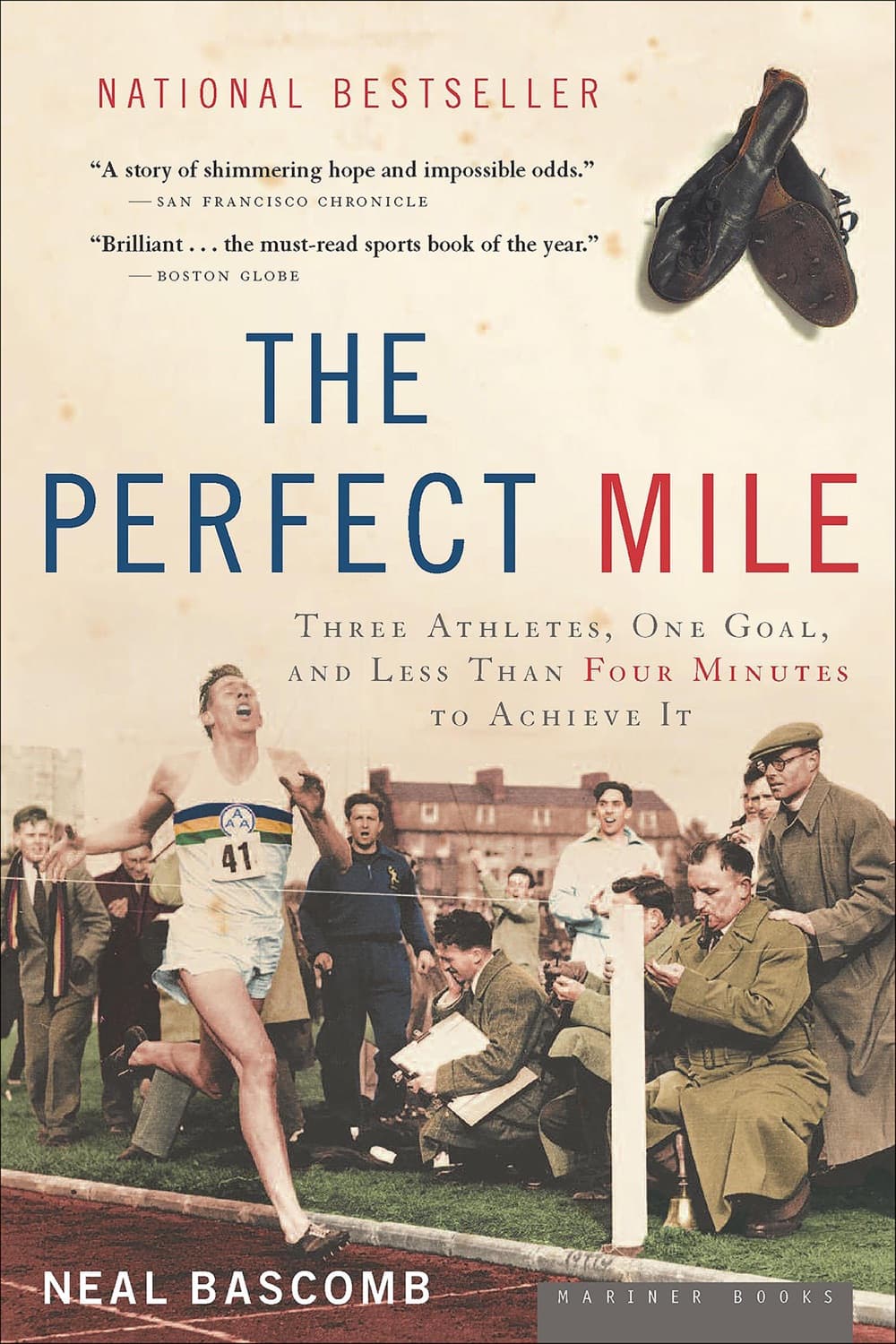
The Perfect Mile
Neal Bascomb
The pursuit of the mile record becomes a case study in obsession turning into transcendence.
A psychological barrier can be broken by a new strategy of belief.
This is running as meaning under pressure: ambition, fear, and belief all tighten into a single act. If your interest is why striving feels profound, this makes that emotional mechanism visible.
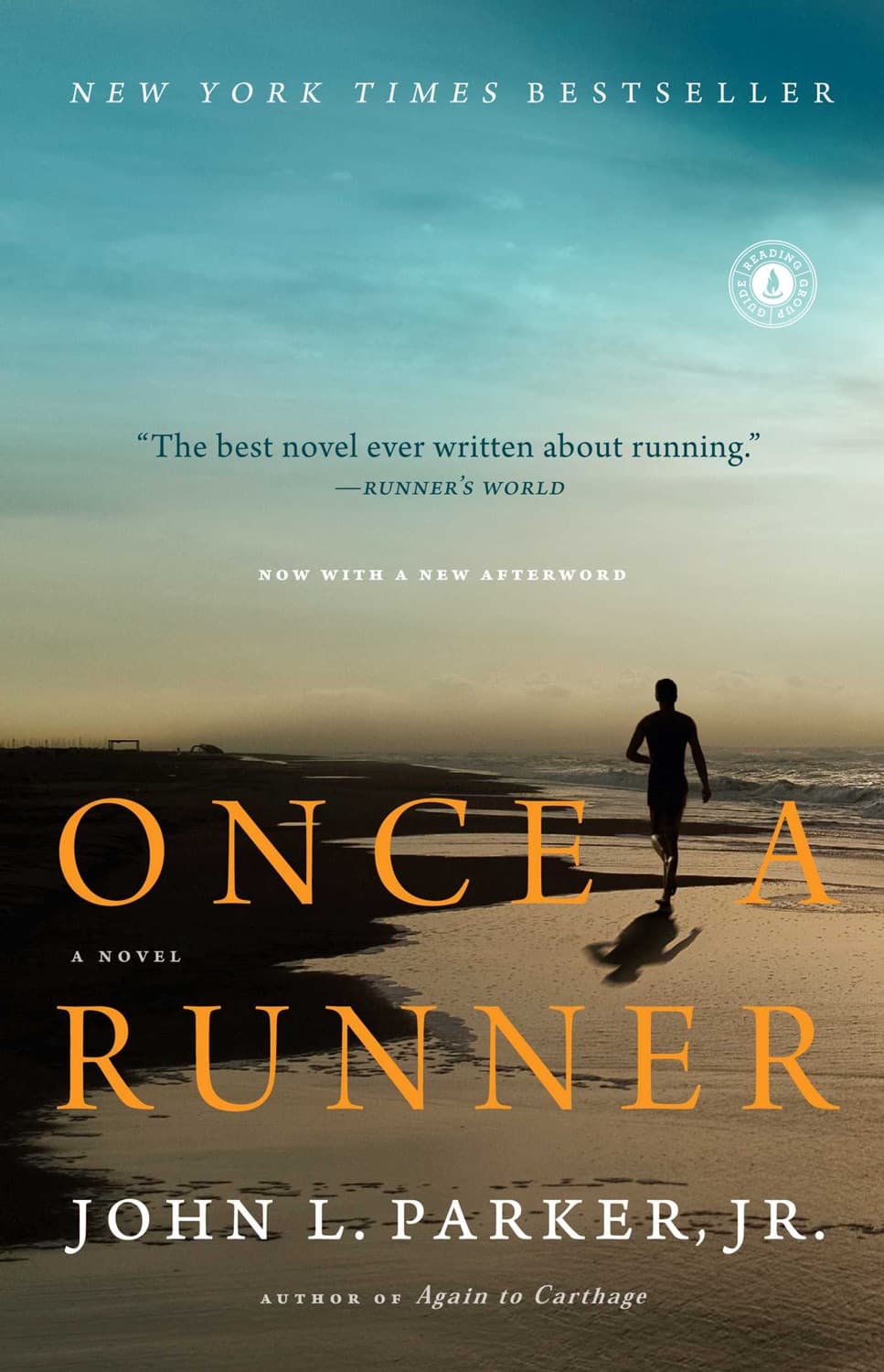
Once a runner
Parker, John L. Jr., John L. Parker, Jr.
Once a runner turns devotion into a double-edged identity: the things you sacrifice for speed also follow you home.
Devotion forges identity, then demands its price.
Meaning here is not inspirational. It is costly, intimate, and persistent, shaped by commitment to competition and what that commitment replaces. That aligns with Running and Meaning by treating purpose as both gift and trap.
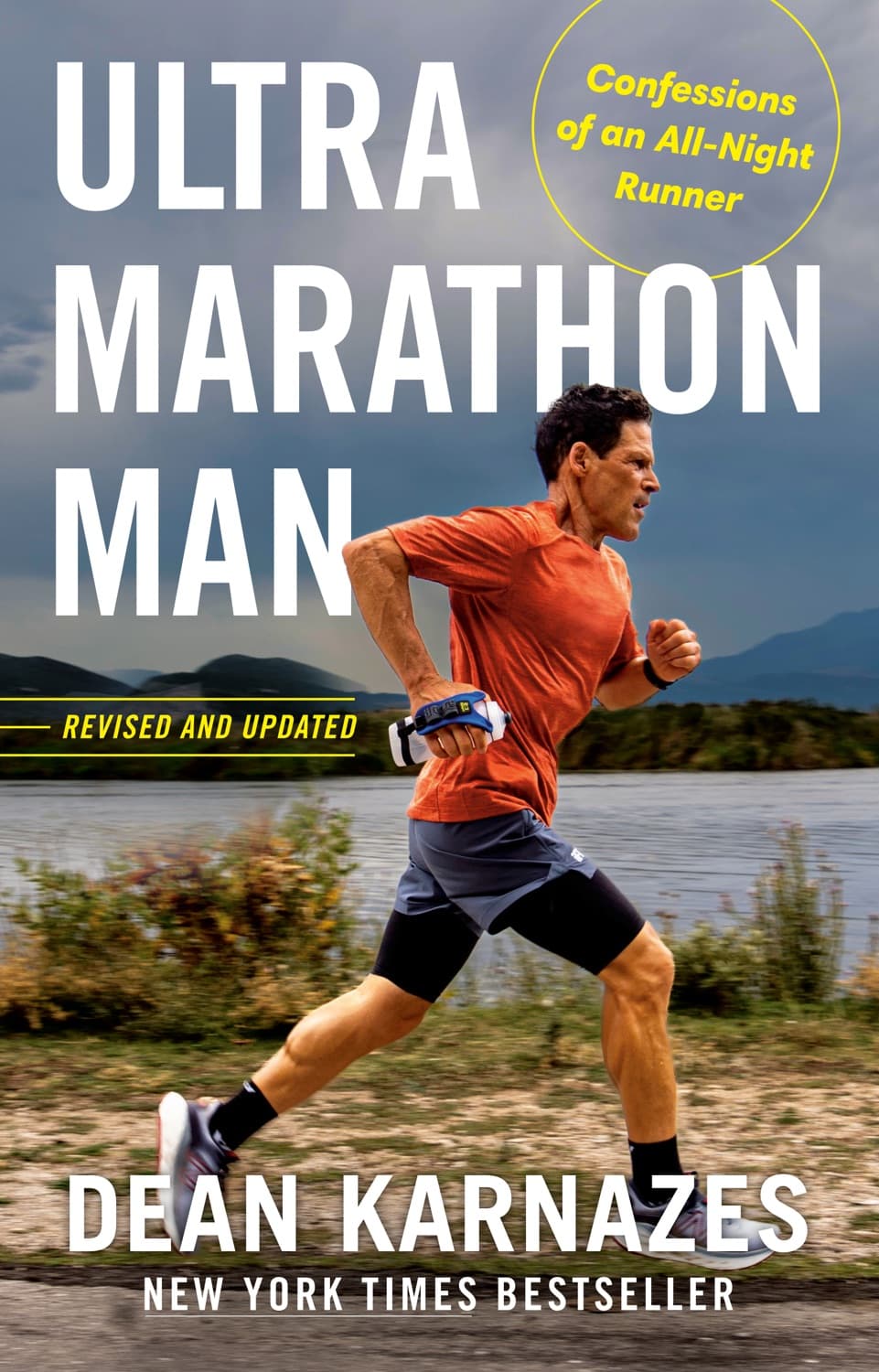
Ultramarathon Man
Dean Karnazes
Dean Karnazes pushes endurance into the realm of self-myth, insisting your limits are more psychological than physical.
Endurance becomes self-trust when you stop negotiating with fear.
This is a fast on-ramp to the meaning question: why keep going when no one is applauding. It fits Running and Meaning by connecting endurance to identity, risk, and the need to prove something to yourself.
Running is participation in your own life, not escape from it.
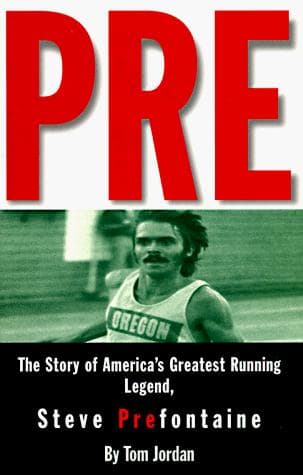
Pre
Tom Jordan
Pre treats running legacy like a quiet vow: purpose gets carried forward even when the body ages.
Legacy is what you keep choosing, not what you win.
It centers drive, memory, and the work of staying oriented. For Running and Meaning, it shows how meaning survives setbacks by changing what you aim at.
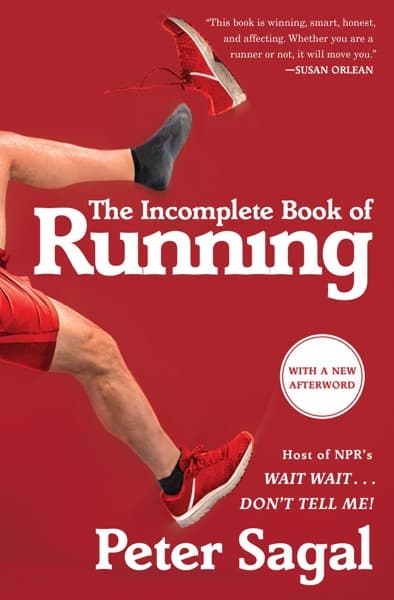
The incomplete book of running
Peter Sagal
Peter Sagal argues running matters most when life gets complicated and simple plans fail.
The point is returning to running, not getting it perfect.
The reflection is adult and unsentimental, treating running as a companion practice rather than a personal brand. That serves your theme by making meaning emerge from continuity, imperfect days, and staying in it.
A Runner’s High
Dean Karnazes
A Runner’s High links endurance to deeper feeling: the body’s long efforts can unlock a kind of clarity.
Meaning can arrive as altered perception, not just motivation.
Karnazes brings the meaning conversation back to lived experience, where endurance reshapes how you interpret yourself and the world. It matches Running and Meaning by showing why the practice can feel almost spiritual.
Can we tailor this list for you?
Type your question in the bar below and the AI will tailor a fresh set of picks just for you.