Best Books on 100-Mile Races
For 100-mile races, these titles tighten the lens on endurance reality: Relentless Forward Progress and Hal Koerner’s field guide translate ultrarunning know-how into race-day decisions, while Fixing Your Feet protects the one part that decides whether you keep moving.
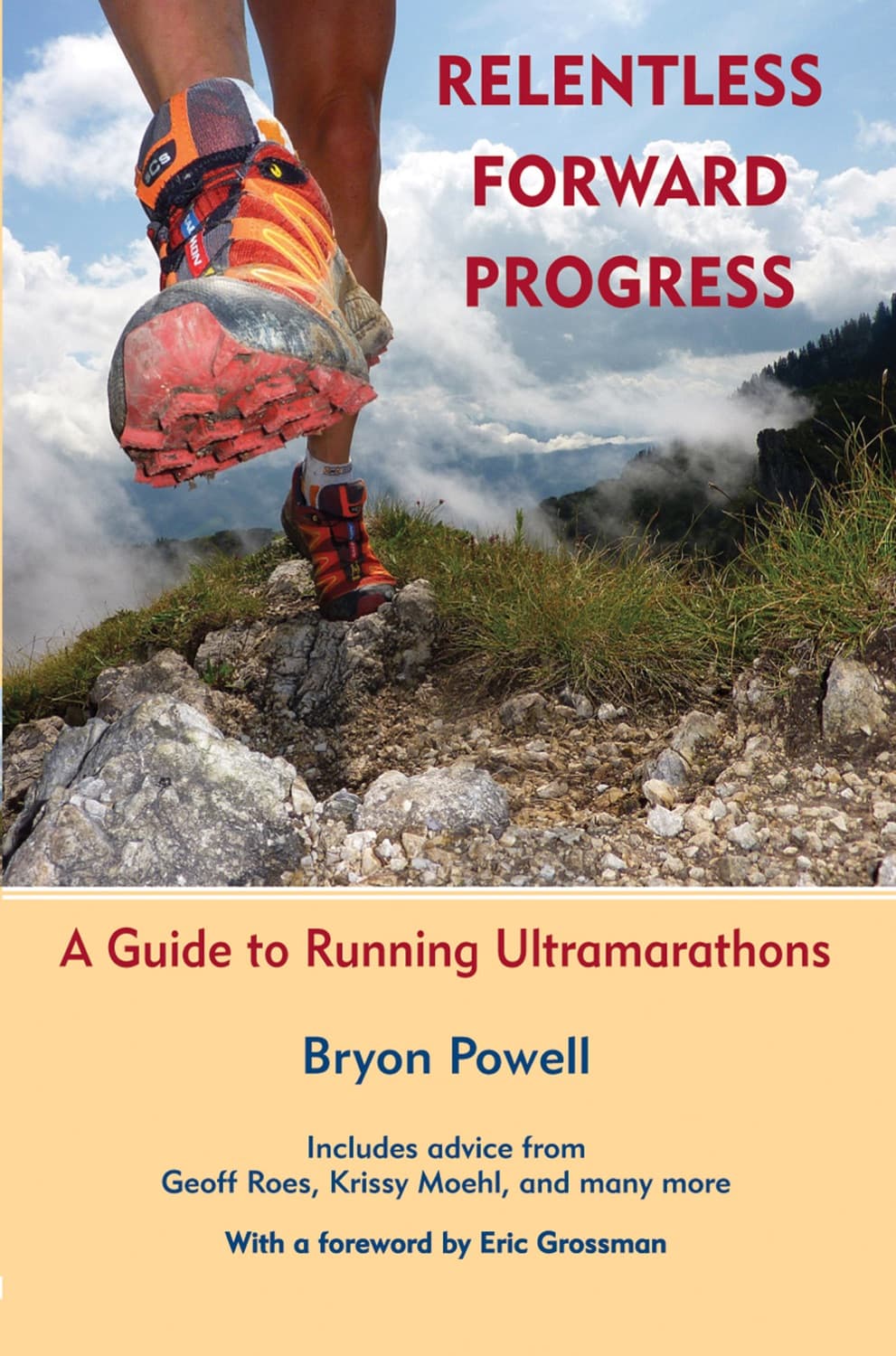
Relentless Forward Progress
Bryon Powell
You stop “hoping for motivation” and start running with a measurable system: process, habits, and decision-making built around finishing far races.
Progress is built by repeatable race-day decisions.
Powell’s approach treats 100-mile racing like a craft you can train, not a mystic test of willpower. It matters for 100-mile goals because it focuses on the mental and practical mechanics of staying effective when conditions degrade.
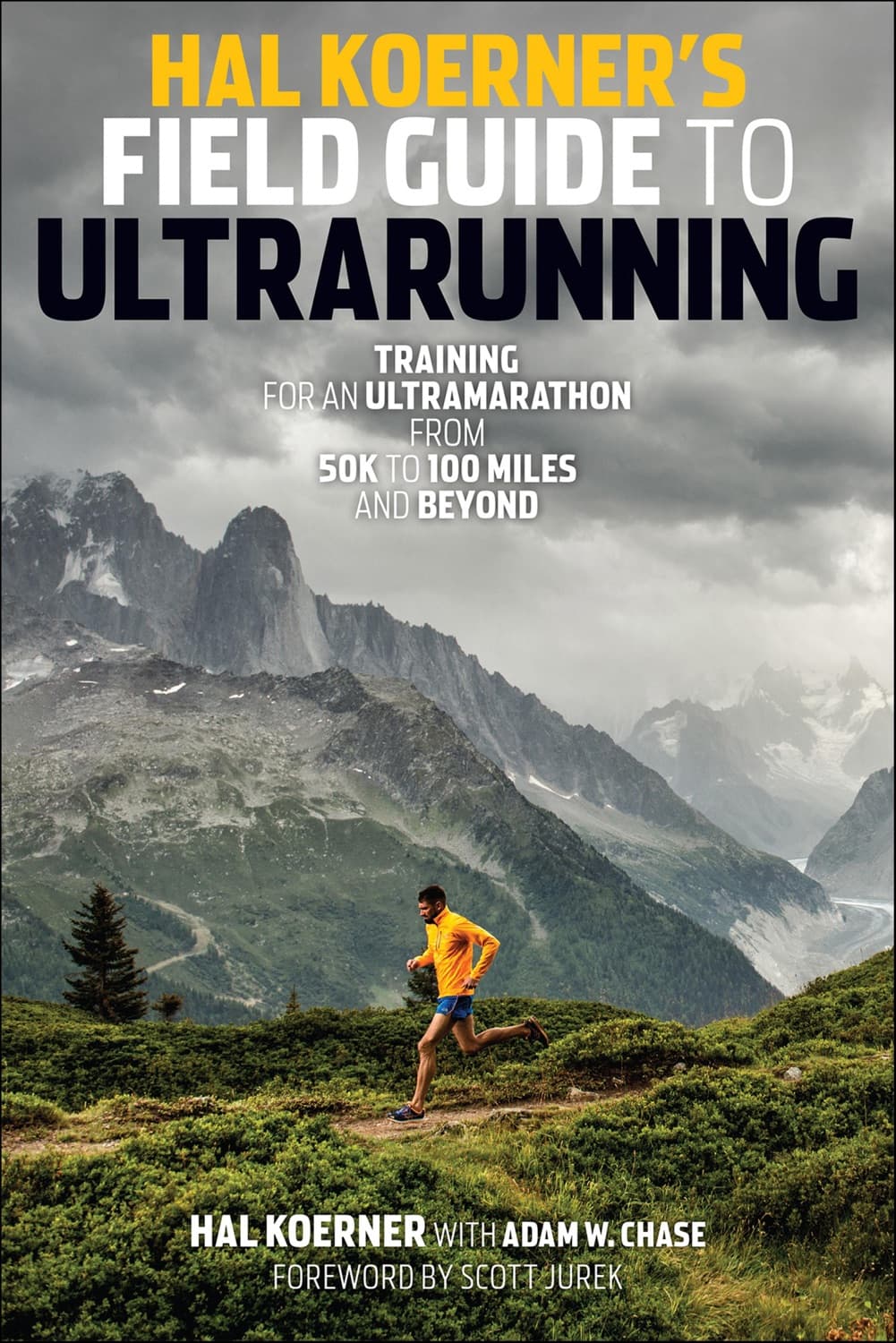
Hal Koerner's field guide to ultrarunning
Hal Koerner
Hal Koerner turns ultrarunning into a navigable skill set, so your race plan survives bad weather, weird pacing, and tough days.
Plan for failure modes, not ideal days.
This guide stands out for hands-on guidance across the details that decide long-race outcomes. For 100-mile races, that focus helps you translate training into concrete choices on terrain, nutrition timing, and logistics.
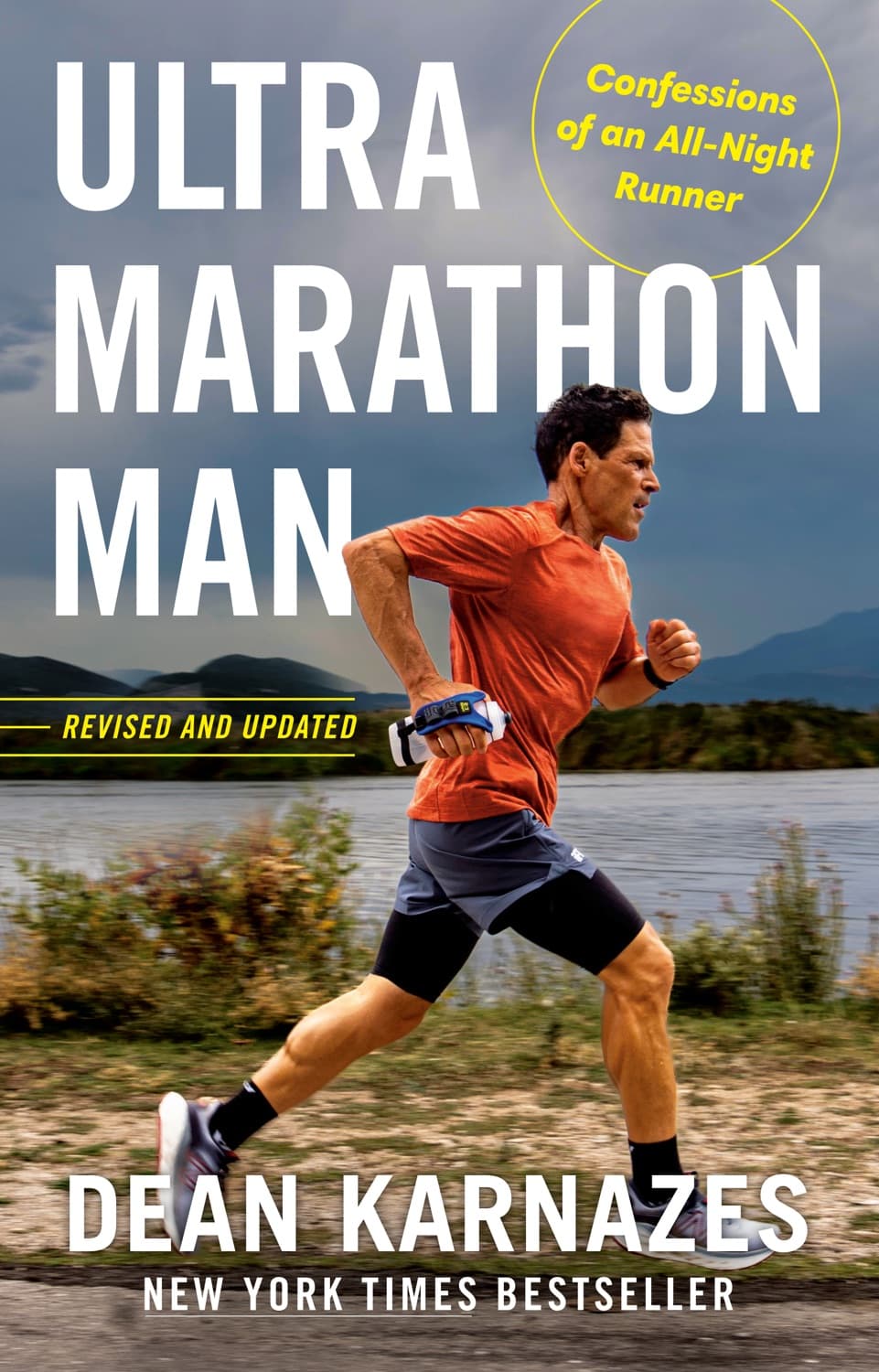
Ultramarathon Man
Dean Karnazes
You learn how far human persistence can stretch when discipline beats doubt for miles that stop feeling normal.
Persistence is a skill, not a personality trait.
Karnazes makes 100-mile racing emotionally legible: the temptations, the staying power, and the personal meaning of moving through discomfort. It helps if your goal is to build belief and resilience before you tackle the training details.
Training Essentials for Ultrarunning- Second Edition
Jason Koop, J. I. m. Rutberg, Corrine Malcolm
Your training stops being guesswork and becomes a usable framework for long-race demands: build, sharpen, and protect your body.
Train the system: intensity, volume, recovery.
This book differentiates generic fitness from ultrarunning-specific preparation, including how to think about stress and recovery. For 100-mile targets, the value is building a plan you can adjust without losing coherence.
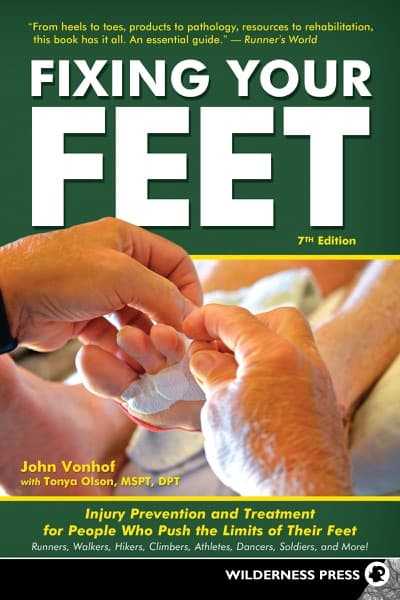
Fixing Your Feet
John Vonhof
Most 100-mile DNFs are solvable: Vonhof reframes foot problems as preventable engineering, not random bad luck.
Heat plus friction creates hotspots: manage both.
Where many endurance books inspire, this one drills the practical steps that keep you moving when blisters and hotspots escalate. For 100-mile races, foot care becomes a race strategy because comfort drives all other pacing decisions.
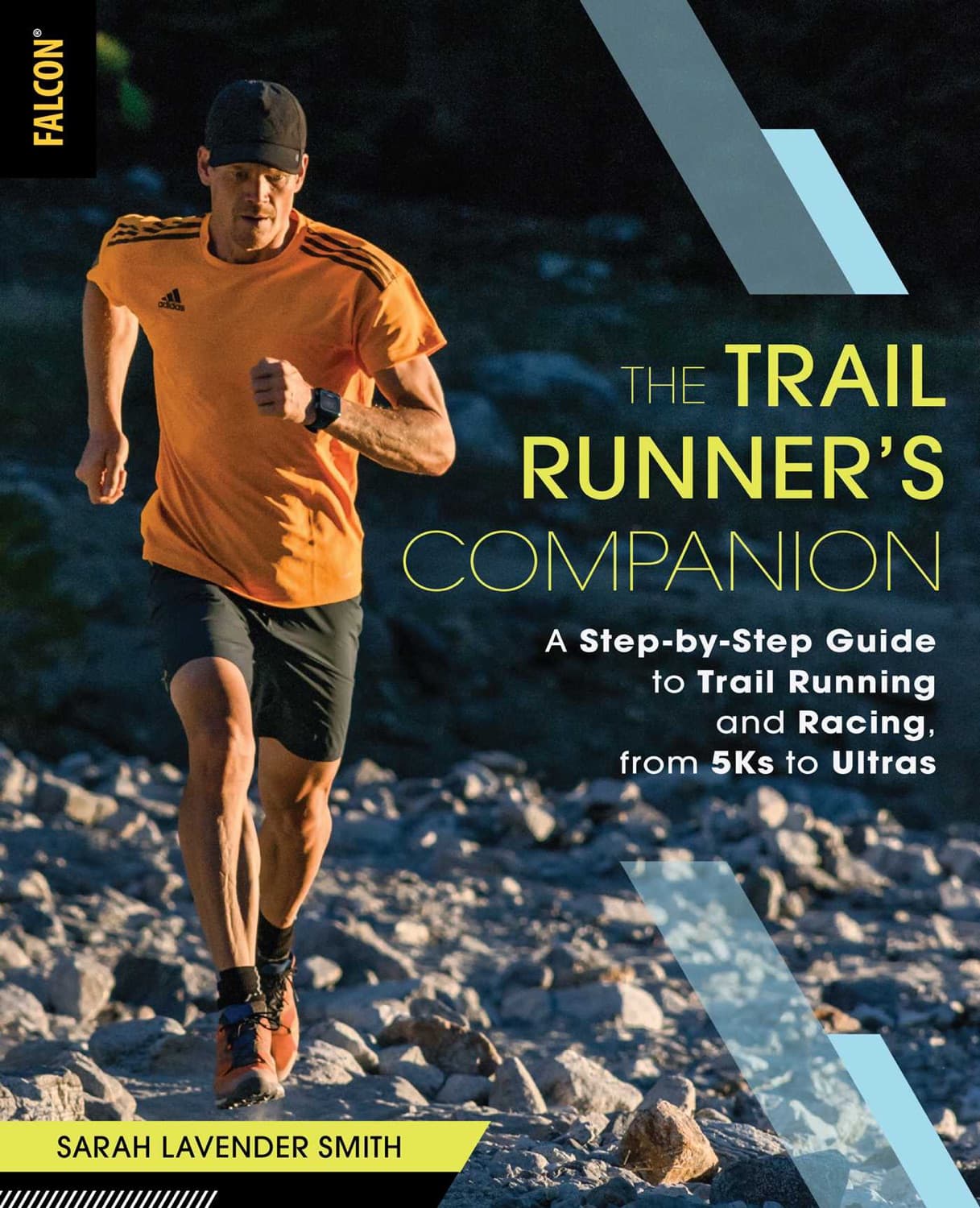
The Trail Runner's Companion
Sarah Lavender Smith
You gain practical clarity fast: the trail becomes a set of skills you can practice, not an intimidating unknown for 100-mile race day.
Terrain changes effort: adapt, don’t force.
Smith is strong on approachable, usable guidance that supports training and on-trail choices. That matters for 100-mile racing because it reduces uncertainty around terrain, effort, and decision-making when the race stretches.
Plan for failure modes, not ideal days.
Born to Run
Christopher McDougall, Fred Sanders
The sport reframes itself: you stop seeing running as only machinery and start hearing biomechanics, culture, and instinct in every stride.
Run naturally: technique follows intent.
This is less a coaching manual and more a gateway that deepens your understanding of why endurance running can work with human biology. If your 100-mile race plan needs motivation and perspective, it supplies the bigger why behind the training.
Lore of Running
Tim Noakes
Endurance stops being folklore and becomes physiology you can apply: how the body regulates itself under extreme demand.
Fatigue is regulated: listen to physiology.
Noakes gives a foundational, evidence-minded lens for endurance performance and recovery. For 100-mile races, that scientific framing helps you make smarter trade-offs about effort, fatigue, and training stress.
Can we tailor this list for you?
Type your question in the bar below and the AI will tailor a fresh set of picks just for you.