Best Books for Runners Who Want to Run Their First Ultra
First-ultra books that feel like a mentor in your corner: Bryon Powell’s Relentless Forward Progress and Krissy Moehl’s Running your first ultra turn “maybe” into a plan, while foot care and mental durability fill the gaps most guides miss.
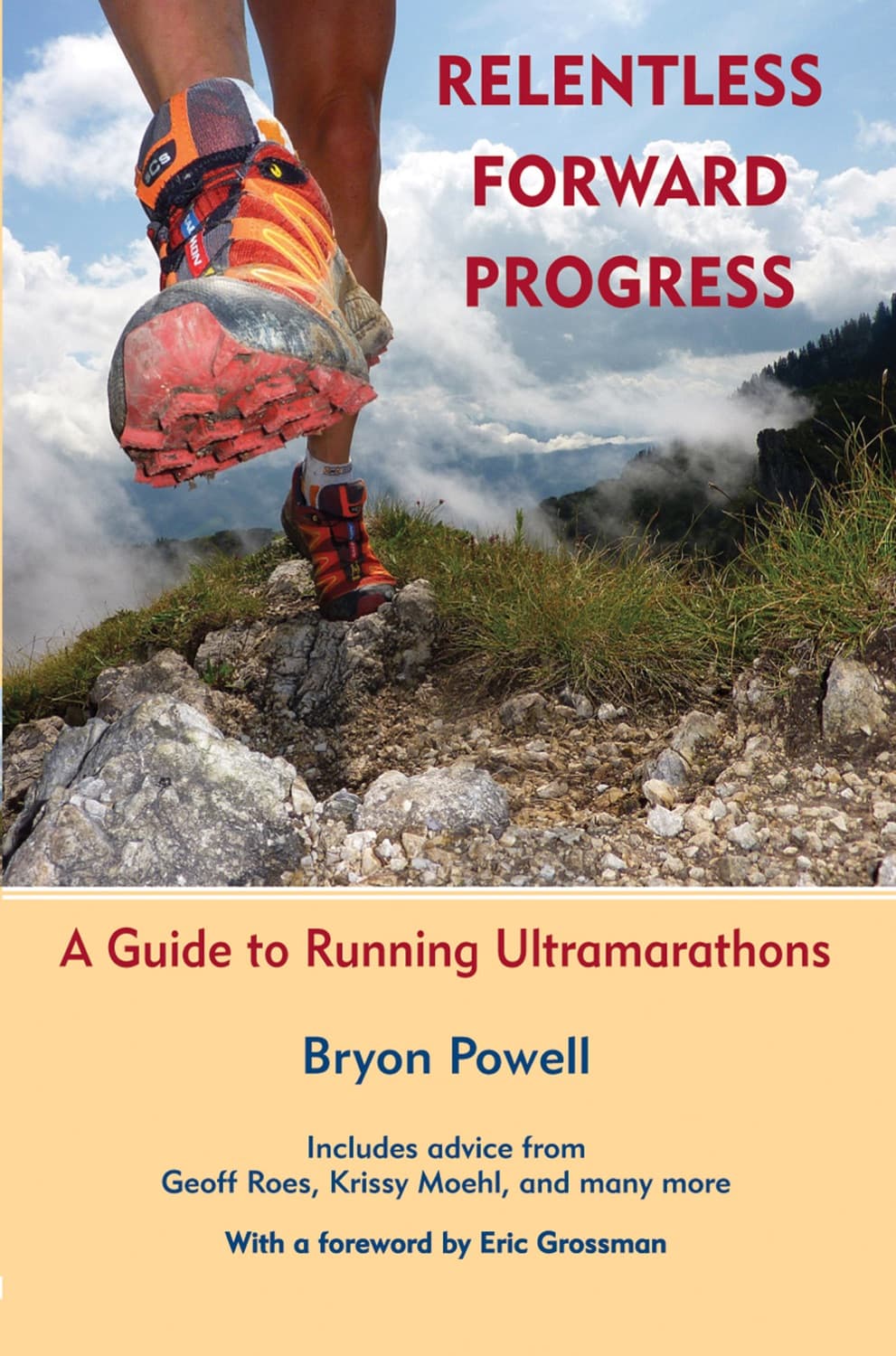
Relentless Forward Progress
Bryon Powell
Relentless Forward Progress makes the ultra feel navigable by treating training as a sequence of doable decisions, not a heroic leap.
Use “forward progress” metrics, not perfection.
Powell’s beginner-friendly roadmap keeps you moving from training to your first finish line without losing the why behind the work. It fits first-ultra runners who need structure plus confidence that progression is real, not mysterious.

The Trail Runner's Companion
Sarah Lavender Smith
The Trail Runner's Companion turns gear, terrain, and fueling into a single system you can practice before race day.
Fuel and practice it before it counts.
This is a full-spectrum ultra primer: trail realities, equipment choices, training decisions, and the mindset to match. It matters for first ultras because preparation failures usually come from overlooked details, not lack of motivation.
Training Essentials for Ultrarunning- Second Edition
Jason Koop, J. I. m. Rutberg, Corrine Malcolm
Training Essentials for Ultrarunning replaces guesswork with a coaching framework built for progressing safely into longer efforts.
Build weekly volume with recovery built in.
Its value is structured progression: how to build, manage stress, and translate readiness into ultra-specific training. For first-timers, that translates to less chaos, fewer backslides, and a plan that respects how bodies adapt.
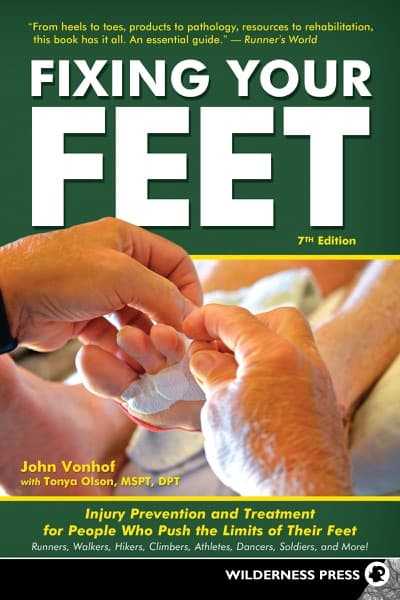
Fixing Your Feet
John Vonhof
Fixing Your Feet treats blisters and hot spots as problems you can systematically prevent, not inevitable costs of distance.
Hot spots need early intervention.
Long ultras amplify foot issues, and this guide gives the practical habits that keep you upright and running. If your goal is a first ultra, foot care is the difference between “I finished” and “I limped home.”

Hal Koerner's field guide to ultrarunning
Hal Koerner
Hal Koerner's field guide to ultrarunning offers a calm, encouraging champion perspective that makes “first ultra” feel less intimidating.
Focus on execution, not fantasy.
Koerner’s tone helps new ultra runners adopt the right expectations while learning practical race thinking. It works well when your biggest challenge is mental load: overpreparing, underpreparing, or doubting your ability to handle the day.
Running your first ultra
Krissy Moehl
Running your first ultra reframes the race as a controllable sequence: pacing, fueling, and course judgment you can rehearse.
Plan to walk sections if it helps.
Moehl speaks directly to first-time ultrarunners with actionable guidance that reduces anxiety and supports steady decision-making. It matters because the first ultra usually breaks down through small, repeatable mistakes, not one big failure.
Fuel and practice it before it counts.
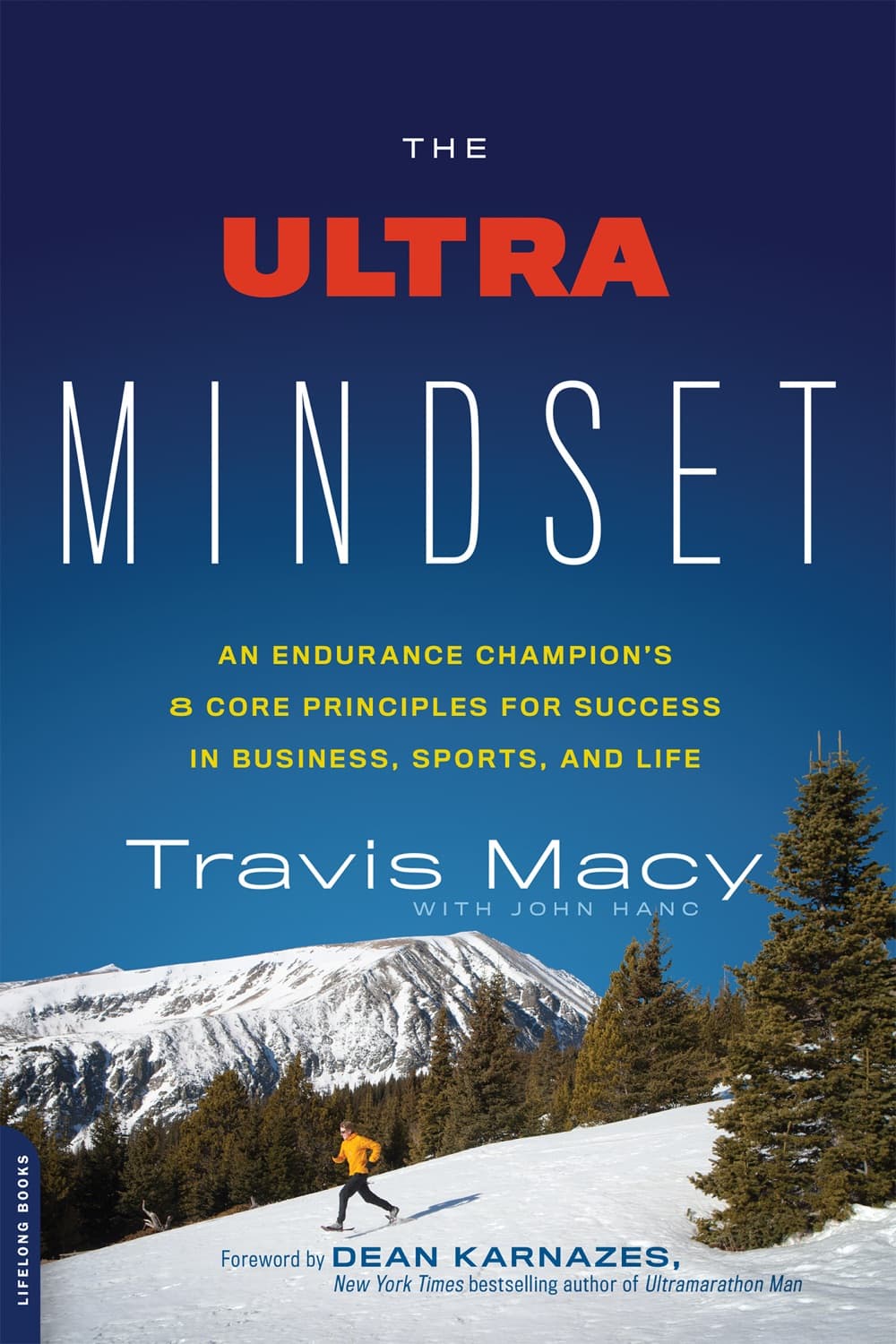
The Ultra Mindset
Travis Macy, John Hanc
The Ultra Mindset teaches you how to build endurance in your thinking so discomfort turns into information, not panic.
Use a coping plan before the tough miles.
Finishing a first ultra is as much a mental maintenance job as it is training. These strategies help you stay adaptive during fatigue, setbacks, and the inevitable low points.
Can we tailor this list for you?
Type your question in the bar below and the AI will tailor a fresh set of picks just for you.