Best Books on the iPhone
The iPhone story can be historical, cultural, or hands-on: Brian Merchant’s The One Device and Adam Lashinsky’s Inside Apple explain how it happened, while David Pogue’s iPhone: The Missing Manual teaches how to use it without guessing.
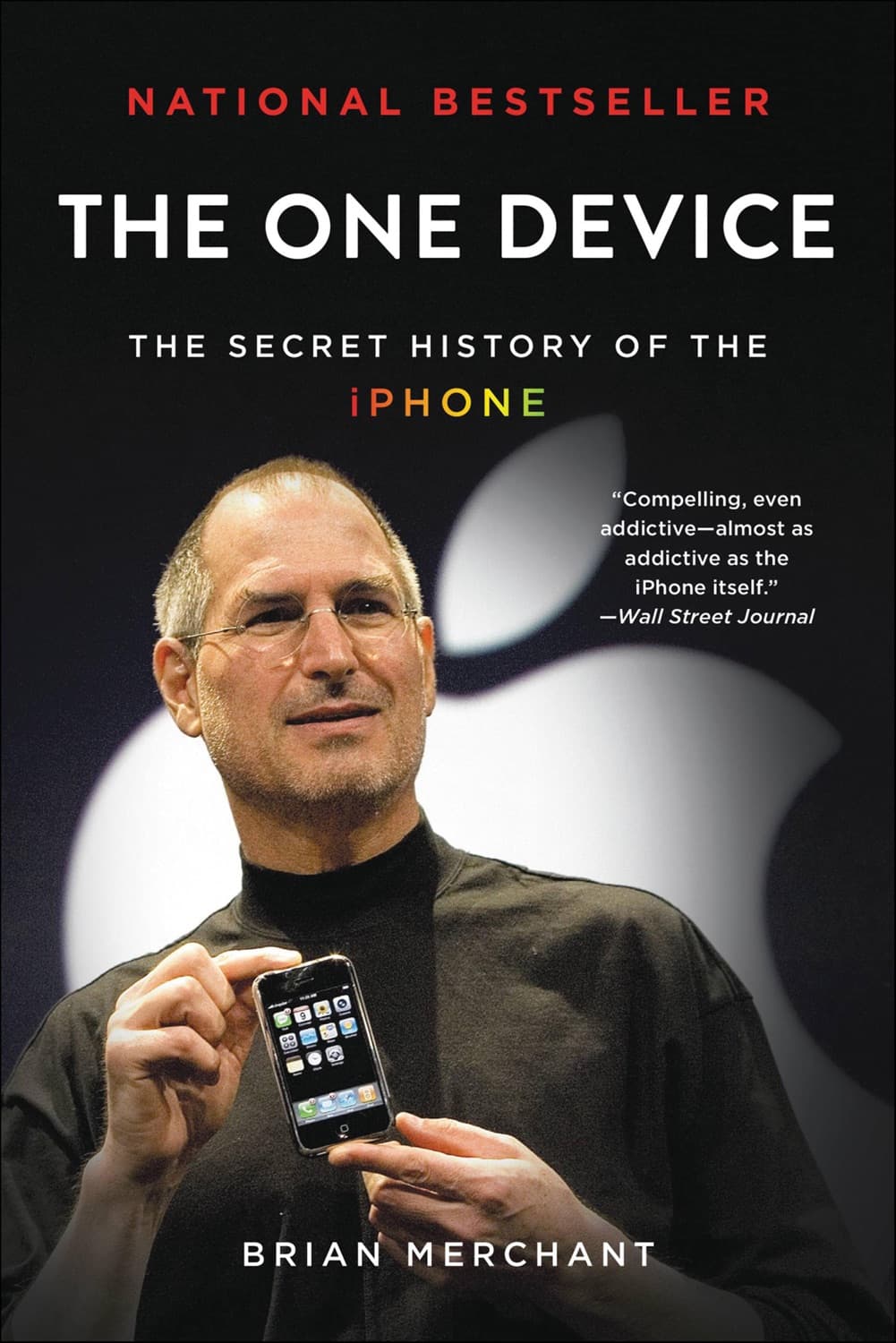
The One Device
Brian Merchant
After The One Device, the iPhone feels less like a product and more like an engineered bet on design, software, and money moving together.
The iPhone fused hardware, software, and services into one wager.
Merchant traces the iPhone’s creation and impact through reporting that connects decisions, constraints, and outcomes. That lens turns “why the iPhone won” into something you can actually see, not just admire.
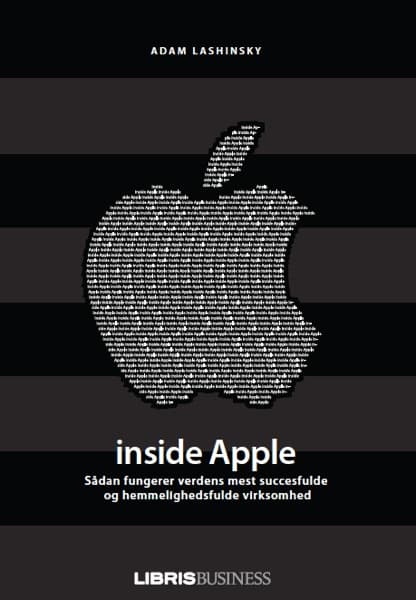
Inside Apple
Adam Lashinsky
Inside Apple makes Apple culture legible, so the iPhone’s breakthroughs read like predictable results of how teams think and ship.
Apple’s structure rewards obsession with execution.
Lashinsky goes behind the curtain on how Apple works internally, where taste, secrecy, and urgency shape product bets. It matters if you want the iPhone explained as a process, not a myth.
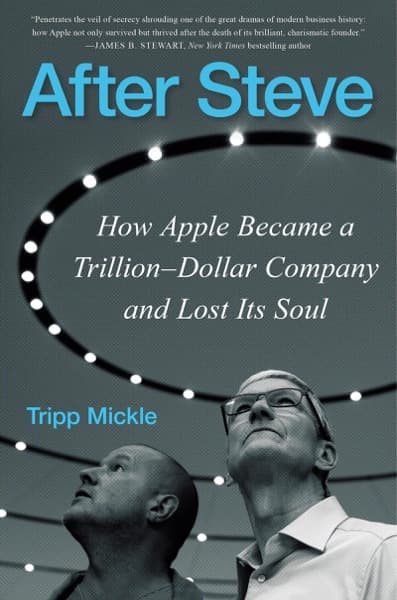
After Steve
Tripp Mickle
After Steve reframes the post-Jobs iPhone era as a struggle over leadership style, product priorities, and whether the machine can run on instinct alone.
The iPhone’s future hinged on leadership continuity.
Mickle charts what changed after Jobs, using reporting that keeps the focus on the iPhone era and its strategic pressures. That helps if you’re trying to understand not just how the iPhone began, but how it evolved under new leadership.
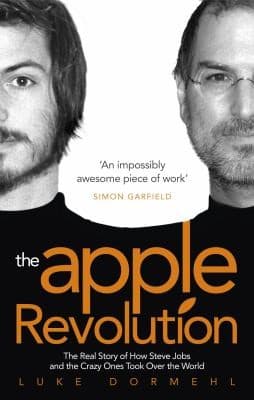
The Apple Revolution
Luke Dormehl
The Apple Revolution connects Apple’s big ideas to the iPhone’s arrival, making innovation feel like a chain of cause and effect.
Apple’s reinvention set the stage for iPhone’s rise.
Dormehl offers an accessible narrative that ties Apple’s past directly to how the iPhone emerged. If you want context without getting lost in corporate detail, this gives you a clean throughline.
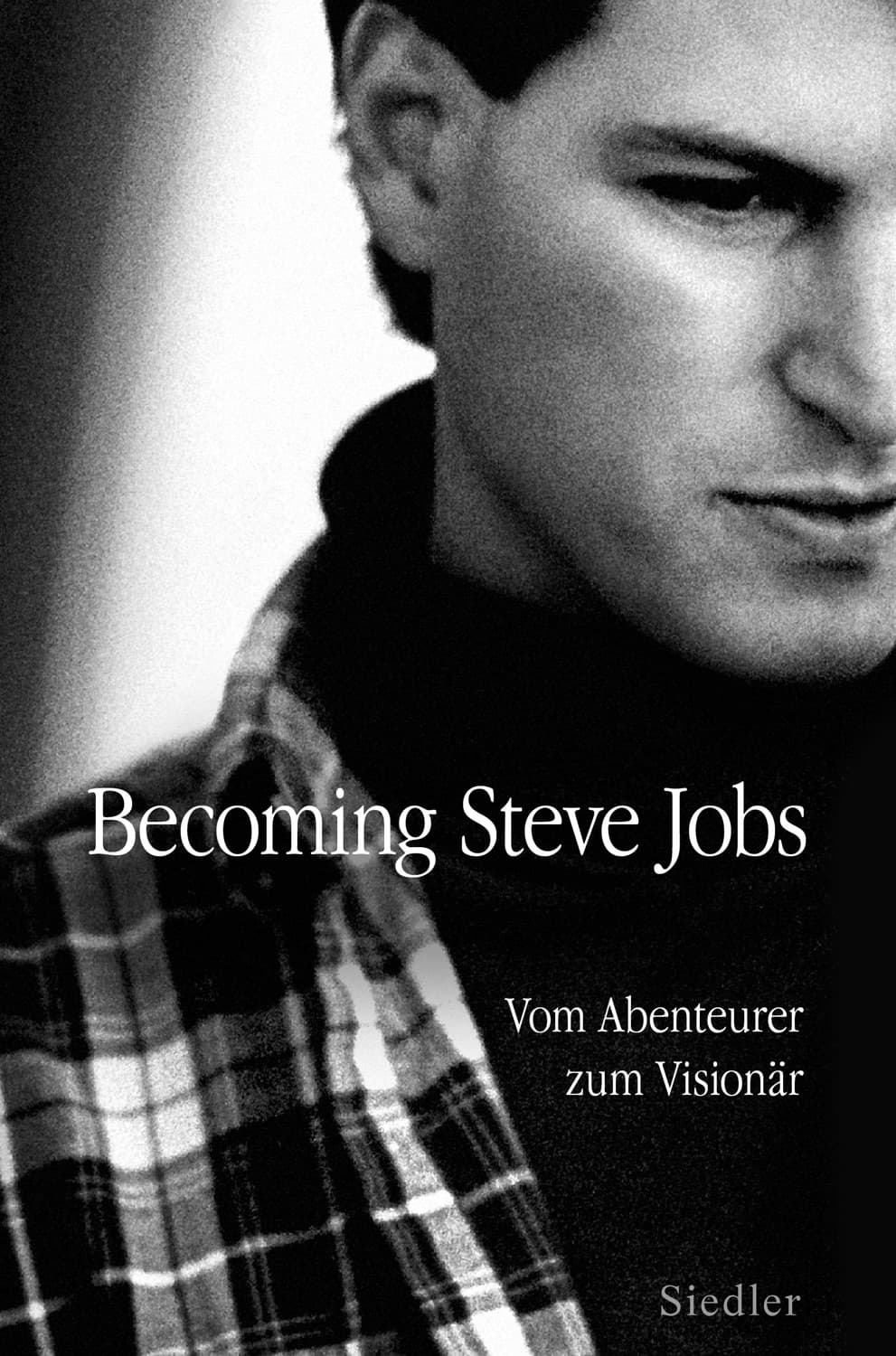
Becoming Steve Jobs
Brent Schlender, Rick Tetzeli
Becoming Steve Jobs helps you see the iPhone as the downstream result of Jobs’ training in taste, conflict, and relentless iteration.
Jobs treated product taste as a form of control.
This biography builds the decision-making logic behind Jobs, including how he approached product creation that culminated in the iPhone. It’s a strong fit when you want character and strategy braided together.
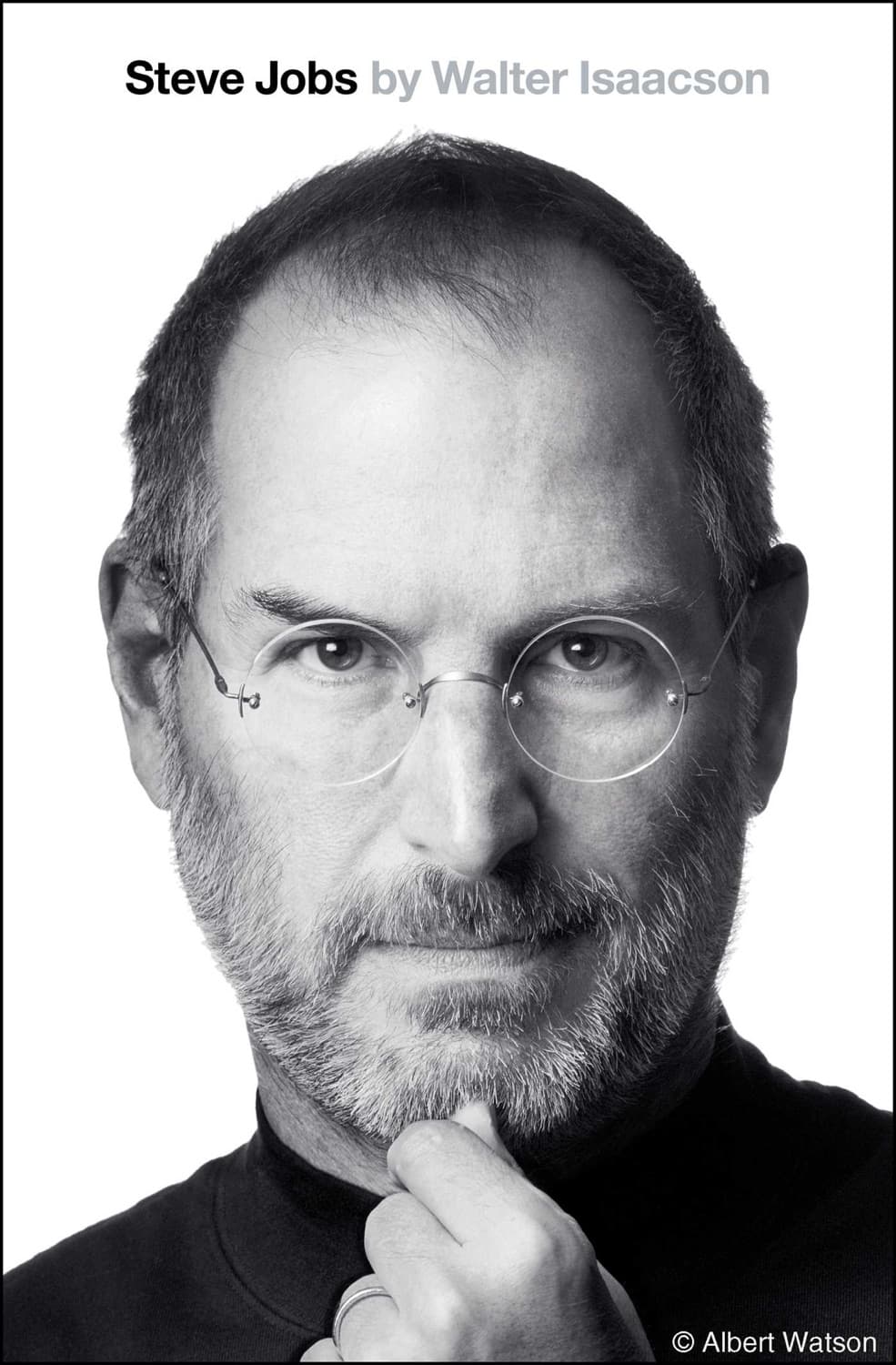
Steve Jobs
Walter Isaacson
Steve Jobs makes the iPhone feel inevitable in hindsight because it tracks the decisions and obsessions that kept returning to the same core principles.
Design and engineering were managed as one discipline.
Isaacson’s canonical biography covers the conception and significance of the iPhone while showing how Jobs shaped Apple’s priorities. It matters for understanding the iPhone through the mind that drove it.
Can we tailor this list for you?
Type your question in the bar below and the AI will tailor a fresh set of picks just for you.