Best Books on Technical Writing
Technical writing rewards precision over flourish. These books cover sentence-level clarity, structured authoring, and the docs-as-code workflows that shape modern documentation teams.
THE ELEMENTS OF STYLE
William Strunk
The original grammar of clarity.
Omit needless words: cut every sentence down to its working parts before you trust it.
Set the standard for plain, direct prose; its rules on omitting needless words are the bedrock every technical writer eventually reinvents on their own.
On Writing Well
William Zinsser
Nonfiction clarity, applied to any subject.
Strip every sentence of its non-working parts, then read the result aloud to catch what is left.
Zinsser's chapters on simplicity, clutter, and the writer's identity translate directly to technical prose, where jargon and clutter bury the actual instructions.
Docs for Developers
Jared Bhatti, Sarah Corleissen, Jen Lambourne, David Nunez, Heidi Waterhouse
A field guide written by working engineers.
Treat a doc's outline like an API contract: define it before you write a single paragraph.
Built by a team of engineers turned writers at Google and Splunk, it walks through planning, drafting, and testing docs the same way you would ship code.
Docs Like Code
Anne Gentle
The manifesto for docs as code.
Store docs in the same repository as the code they describe, so a broken example fails the build.
Anne Gentle codified the practice of treating documentation like source code, covering version control, review workflows, and static site generators for docs teams.
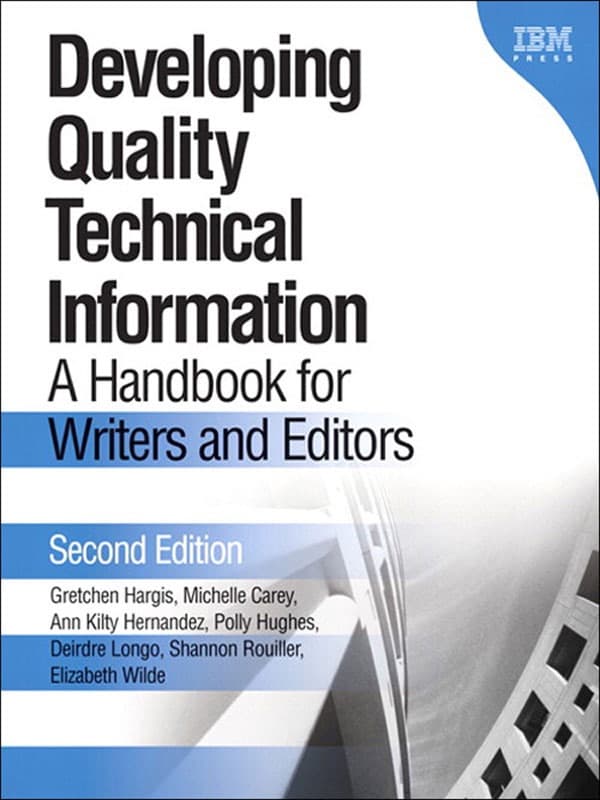
Developing Quality Technical Information
Gretchen Hargis
IBM's internal style guide, made public.
Write to a task, not a feature: structure every topic around what the reader is trying to do.
Distills decades of IBM's technical editing standards into concrete quality checklists covering accuracy, task orientation, and completeness for any documentation set.

The Insider's guide to technical writing
Krista Van Laan
A practical onboarding manual for the job itself.
Interview a subject matter expert with a recorder running, then write the first draft straight from the transcript.
Covers the parts of the profession that style guides skip: working with subject matter experts, estimating schedules, and surviving your first technical writing role.
Strip every sentence of its non-working parts, then read the result aloud to catch what is left.
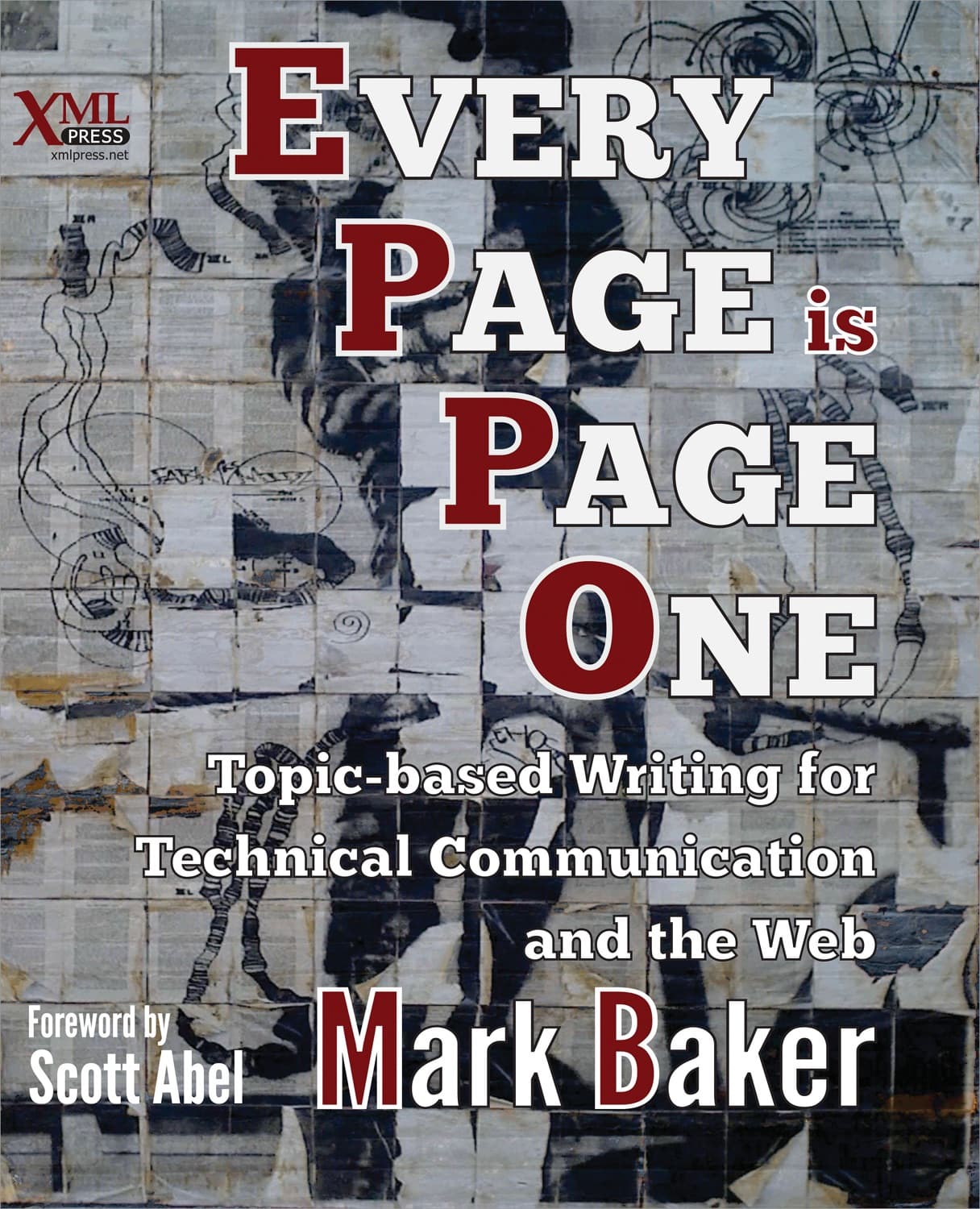
Every Page is Page One
Mark Baker
The hidden gem on writing for search, not sequence.
Design every topic to answer one question completely, since no reader will read your docs in order.
Baker reframes documentation around readers who land on a single page from a search engine, rethinking structure so each topic stands alone and still makes sense.
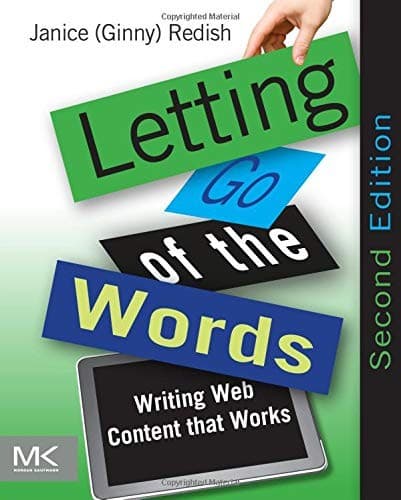
Letting go of the words
Janice Redish
Web content and UX writing, from a usability veteran.
Test a draft by asking someone to scan it for ten seconds, then find their specific answer in it.
Redish applies usability research to written content, showing how sentence length, headings, and page structure change whether readers actually find their answer.
Can we tailor this list for you?
Type your question in the bar below and the AI will tailor a fresh set of picks just for you.