Best Books on Real Estate Tax Strategies
Real estate tax strategy gets real leverage when you pair deduction mechanics with entity planning. These books, from The Book on Tax Strategies for the Savvy Real Estate Investor to Every Landlord's Tax Deduction Guide, focus on the tax choices that actually change outcomes.
The Book on Tax Strategies for the Savvy Real Estate Investor
Amanda Han, Matthew MacFarland
You stop treating deductions like trivia and start treating them like a system: entities, timing, and paper trails built around rental income and real expenses.
Entity and timing choices can be as important as deductions.
This title is designed for real estate investing tax planning, not generic tax prep, so it pushes you toward strategy: how you structure and document ownership. That matters for real estate tax strategies because the biggest wins often come from planning before the tax year, not during it.
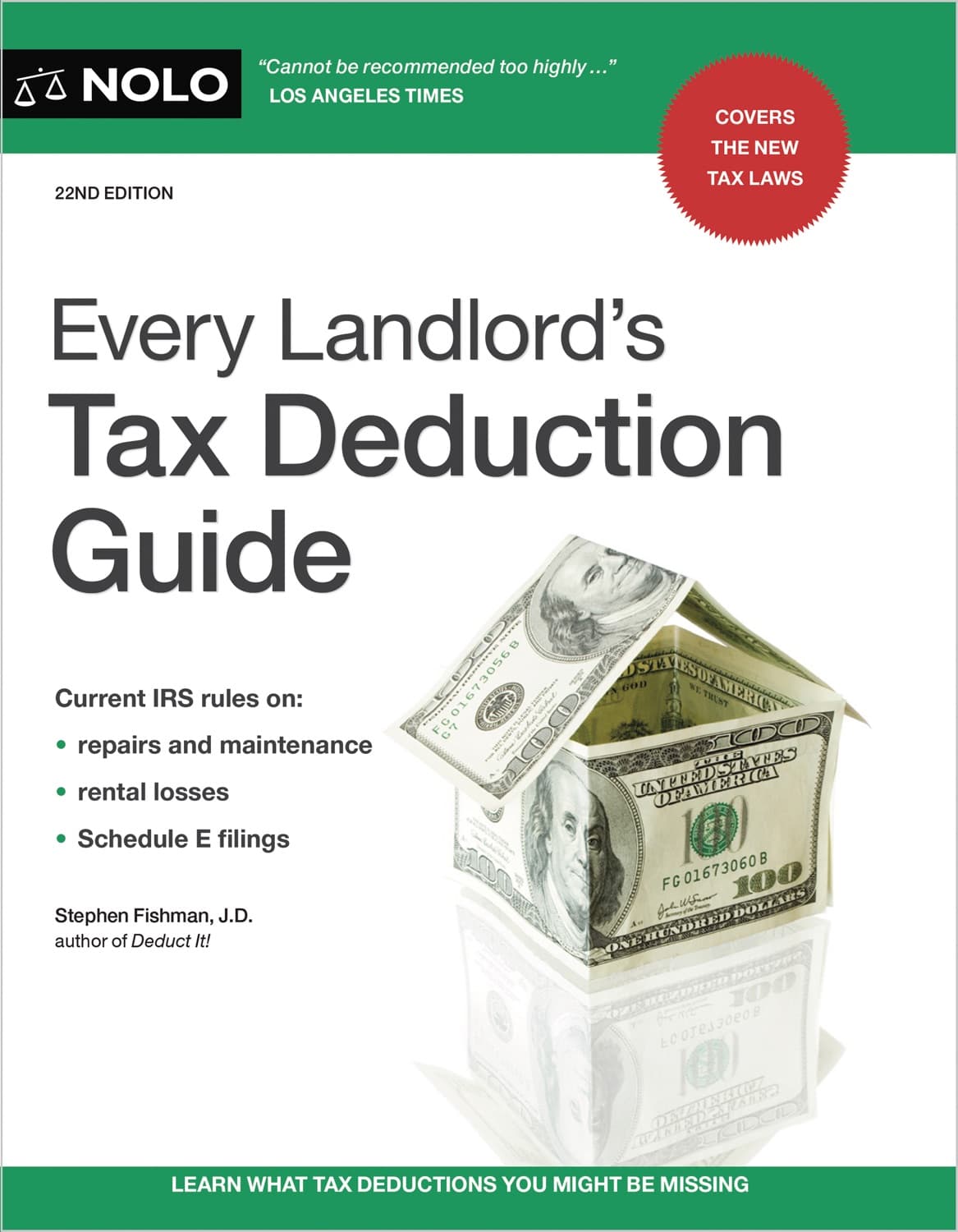
Every Landlord's Tax Deduction Guide
Stephen Fishman
It turns landlord bookkeeping into a deduction roadmap, helping you know which costs are commonly write off and how to support them.
Documentation matters as much as the deduction.
Fishman’s strength is clarity on rental write-offs and the rules that surround them, which is exactly what makes real estate tax strategies actionable. Instead of chasing loopholes, you build confidence around legitimate categories and documentation that hold up.
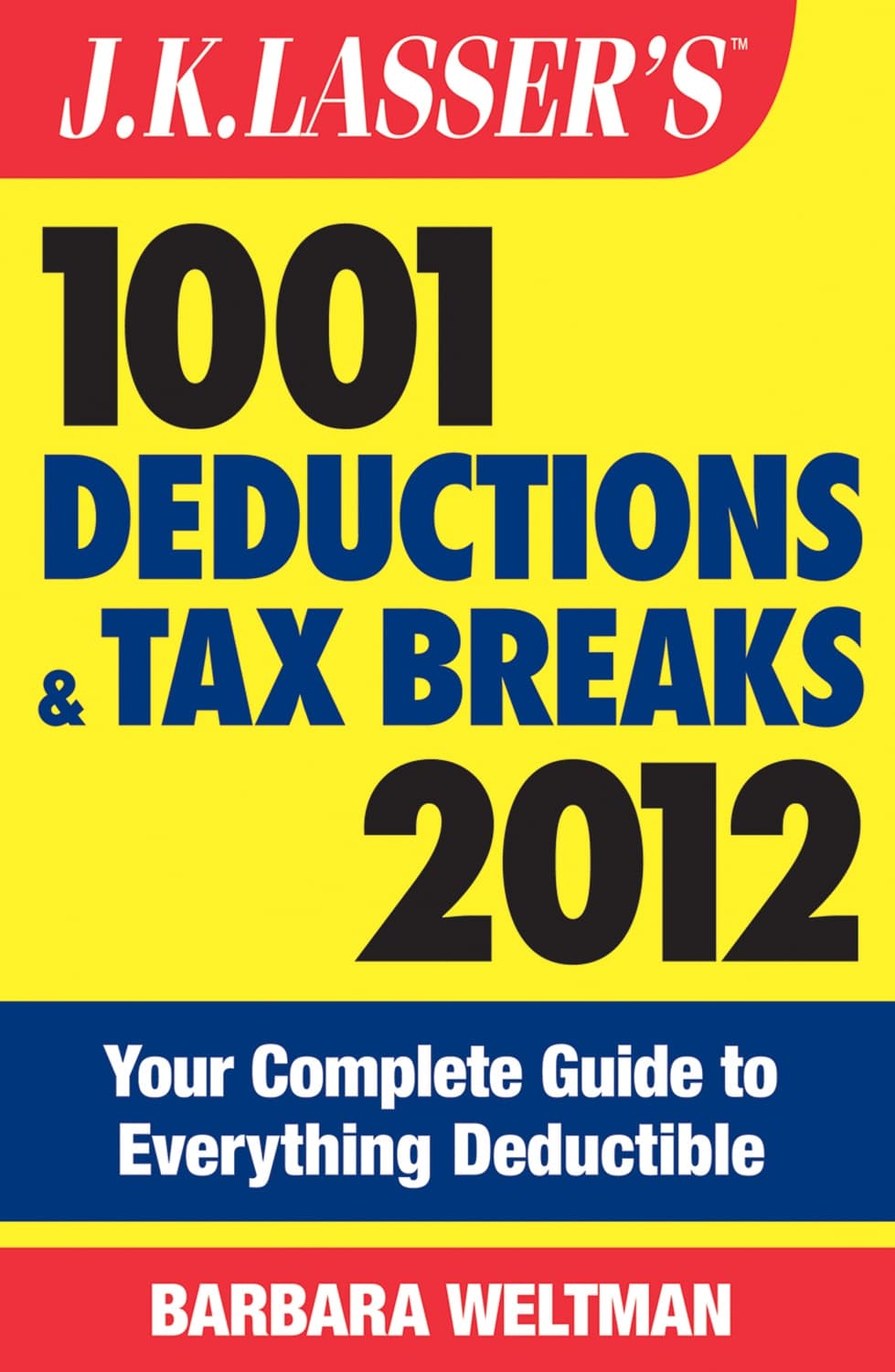
J.K. Lasser's 1001 Deductions and Tax Breaks
Barbara Weltman
It trains you to think in deductions and tax breaks as a searchable toolkit, so landlord strategies stop feeling vague.
Deduction rules differ by purpose, not by habit.
For real estate tax strategies, this gives broad coverage across many common situations investors run into, including how deductions work in practice. It is especially useful when you want to cross-check landlord categories against a larger tax framework.
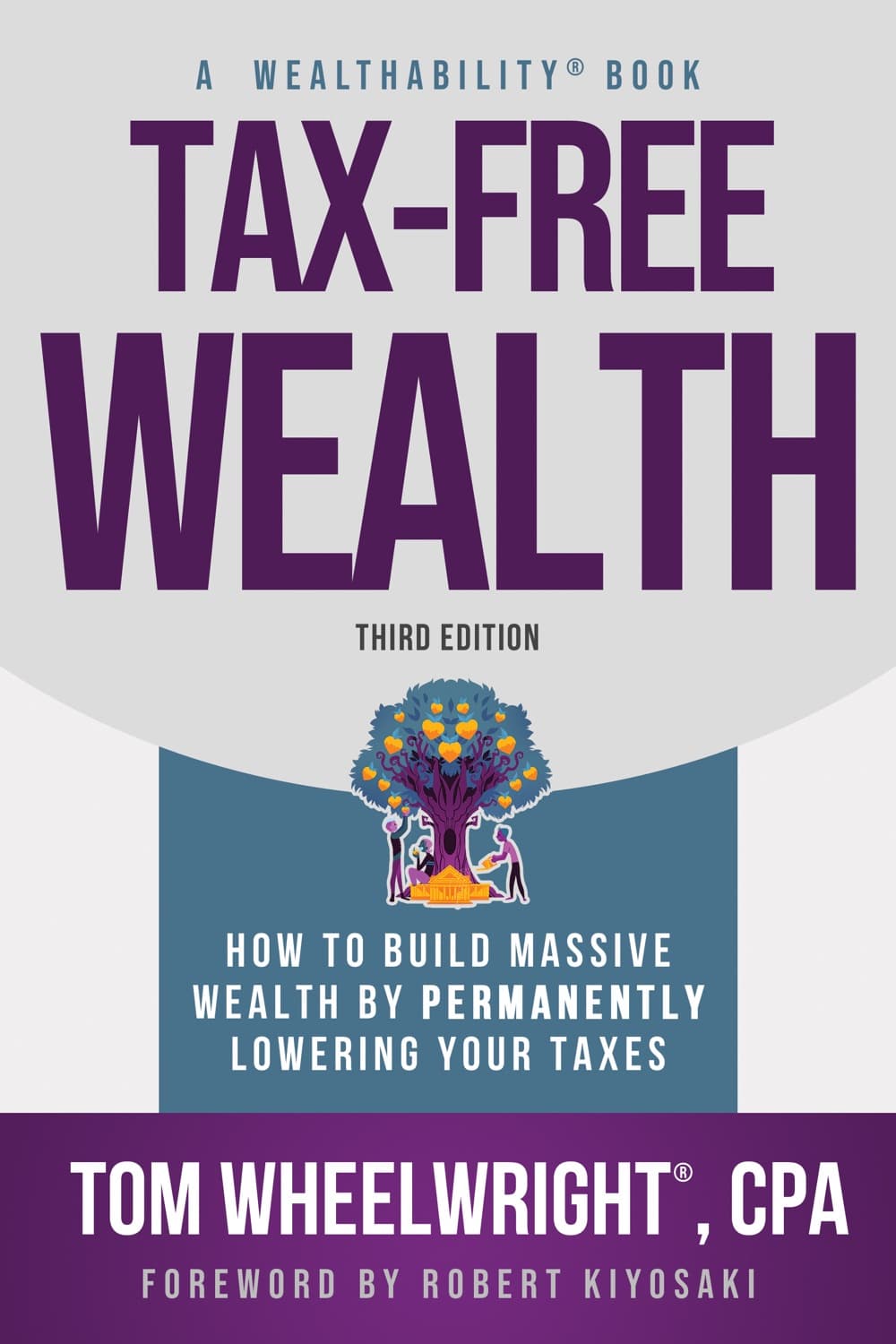
Tax-free wealth
Tom Wheelwright
It pushes the idea that the most effective “tax strategy” is legally structuring your investments to reduce current taxation.
Structure is often the tax strategy, not the afterthought.
Real estate tax planning often hinges on legal structure and how income is characterized, and this book frames those choices as wealth-building tools. If you are aiming for strategy beyond year-end deductions, this helps you think structurally.
The Book on Rental Property Investing: How to Create Wealth and Passive Income Through Intelligent Buy & Hold Real Estate Investing!
Brandon Turner
It connects investment decisions to tax-aware ownership so “buy and hold” includes the tax implications, not just cash flow.
Model the deal with taxes in mind, not later.
This is a rental investing foundation that makes room for entity context and common tax basics, which helps you translate tax strategy into deal decisions. It matters when you want taxes to influence what you buy and how you hold it.
Investing in Real Estate Private Equity
Sean Cook
It reframes real estate dealmaking through the lens of investment structures and tax-aware planning.
Deal structure drives how taxes flow through.
If your real estate tax strategies include syndications, funds, or private equity style arrangements, this shifts the conversation to how deal structures affect investor outcomes. That is a different, often overlooked angle compared to solo-landlord deduction guides.
Documentation matters as much as the deduction.
The Insider's Guide to Real Estate Investing Loopholes
Diane Kennedy, Dolf de Roos
It teaches legal shelter thinking around real estate ownership, focusing on the deductions and structures investors use to reduce tax exposure.
Legal shelters come from structure and deductions, not hacks.
This book leans into tax-focused real estate strategy, making it useful when your goal is to understand where savings come from in practice. Pair it with a documentation-and-rules reference when you want to turn the ideas into disciplined application.
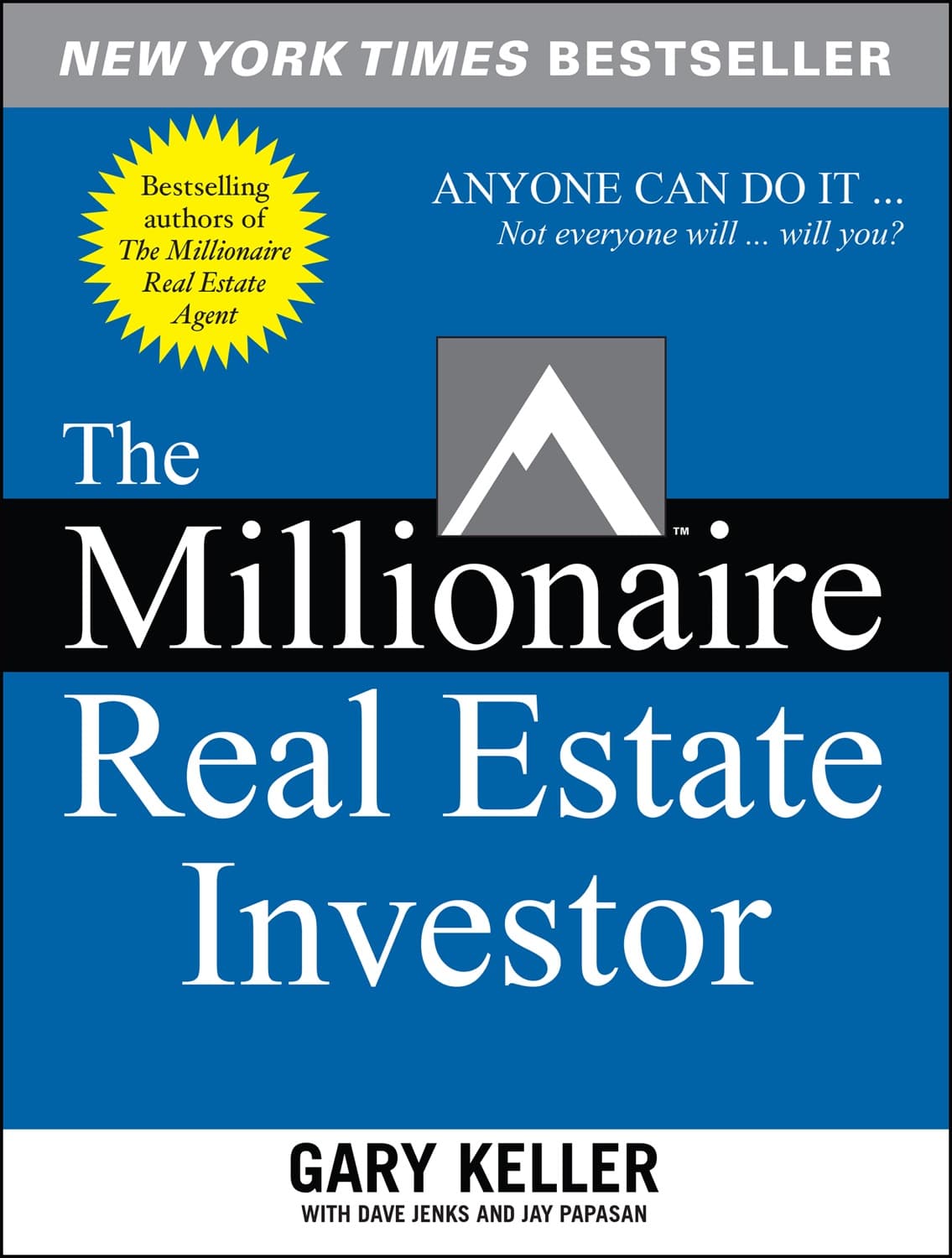
The millionaire real estate investor
Gary Keller, Dave Jenks, Jay Papasan
It emphasizes building a repeatable ownership mindset where tax-aware decisions become part of the investing operating system.
Investing systems beat one-off tactics.
While not a dedicated tax manual, it supports the strategic thinking that makes tax strategy stick: you learn to treat your portfolio as an ongoing business. That matters if you want tax strategies that align with how you buy, hold, and scale.
The Complete Guide to Buying and Selling Apartment Buildings
Steve Berges
It helps you think through apartment building ownership and transactions with ownership-level costs and tax considerations in view.
Multifamily tax thinking changes with ownership scale.
Tax strategies for real estate often differ between rentals and bigger multifamily ownership, and this guide aims at the practical realities of apartment buildings. It is useful when you want tax strategy connected to acquisition and exit planning.
Can we tailor this list for you?
Type your question in the bar below and the AI will tailor a fresh set of picks just for you.