Best Books on Value Investing
Value investing runs from Benjamin Graham's The Intelligent Investor and Security Analysis through Warren Buffett's letters and Howard Marks's The Most Important Thing. These ten books trace the discipline from margin of safety to modern special situations.
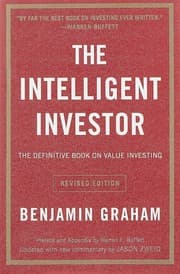
The Intelligent Investor
Benjamin Graham, Jason Zweig, Atsuhiro Dokō, Kazumi Masuzawa, Miwa Niimi, Warren Buffett, Yonatan Bar
The book Warren Buffett calls the best ever written on investing.
Buy with a margin of safety, ignore Mr. Market.
Benjamin Graham lays out the two ideas the whole field rests on: margin of safety and treating the market as a moody business partner named Mr. Market. It teaches you to value a business rather than chase a price, and the Jason Zweig commentary grounds each lesson in modern examples. Essential for anyone who wants the foundation, not the shortcuts.
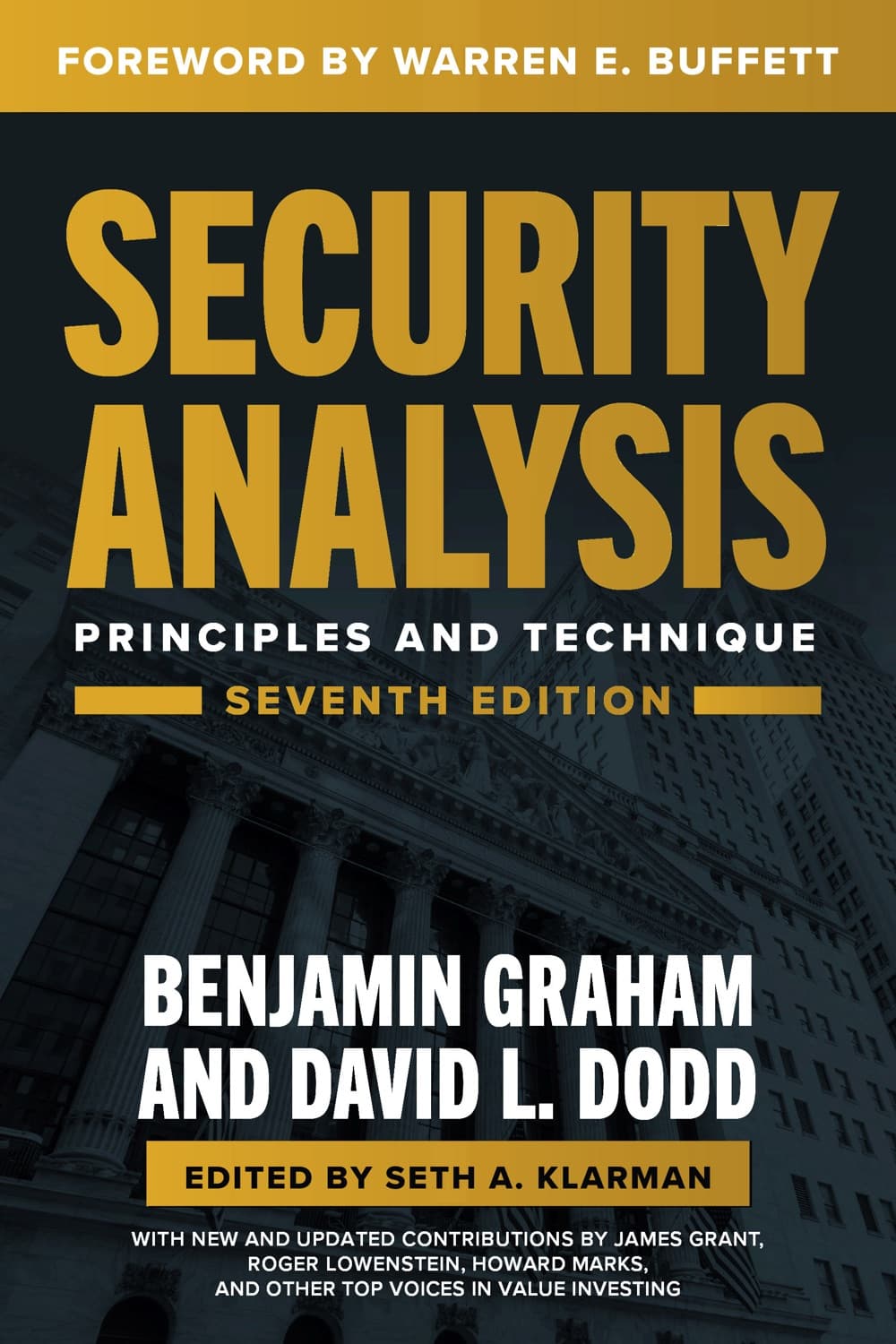
Security Analysis
Benjamin Graham, David Dodd, David Dodd, Seth Klarman
The 1934 textbook that turned investing from speculation into a discipline.
Price is what you pay, value is what you analyze.
Graham and David Dodd built the analytical scaffolding for reading a balance sheet like an owner, separating durable earning power from market noise. It is dense and technical, written for the reader who wants to do the actual valuation work. Best for investors ready to graduate from principles to rigorous statement analysis.
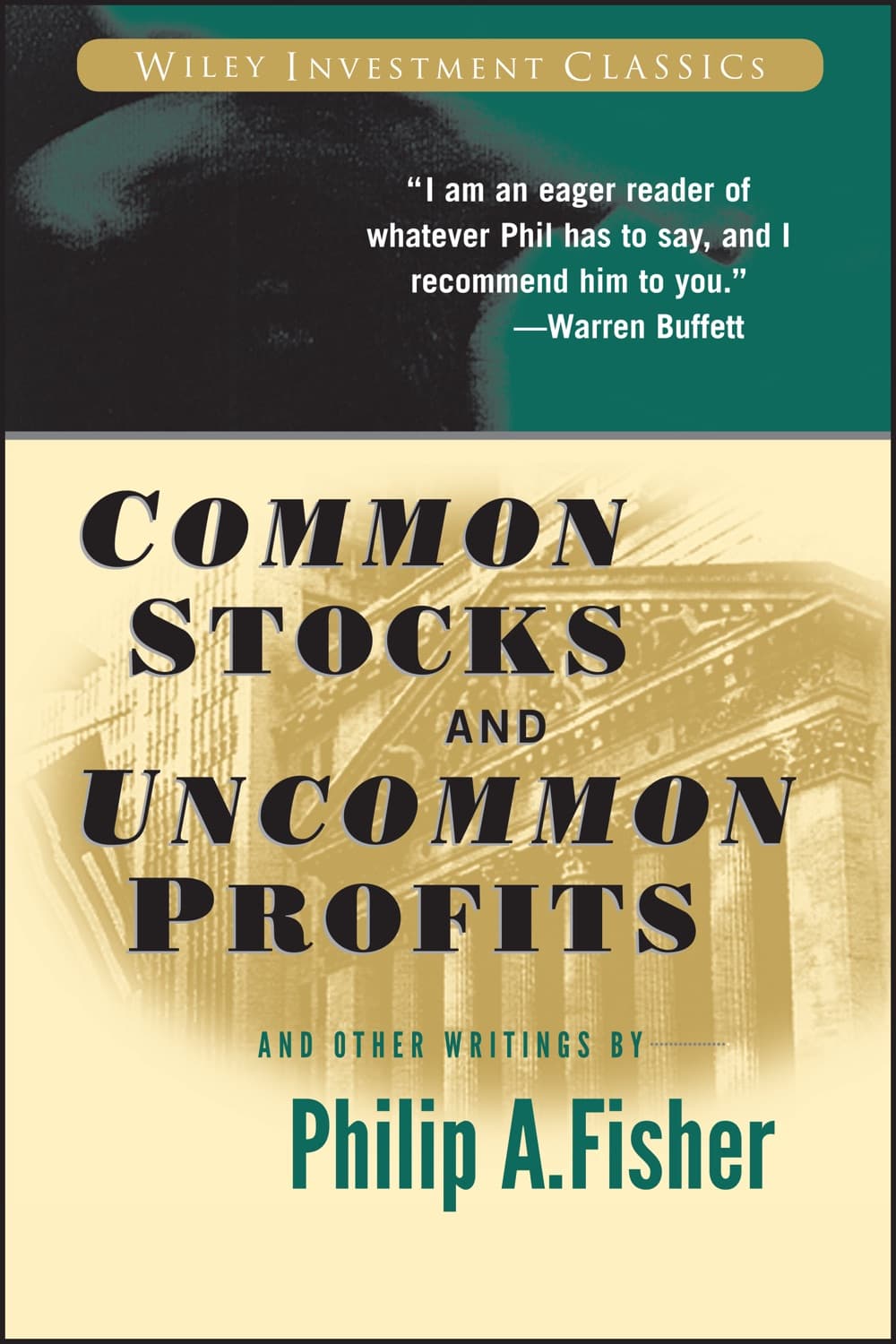
Common Stocks and Uncommon Profits
Philip A. Fisher
The book that taught value investors to care about quality and growth.
Do scuttlebutt: research the business beyond its numbers.
Philip Fisher introduced the 'scuttlebutt' method, gathering ground-level intelligence on a company's management, customers, and competitors. He argues that a wonderful business held for years beats a cheap one flipped quickly, an idea that reshaped Buffett's later style. For investors who want to judge business quality, not just balance sheets.
Margin of safety
Seth A. Klarman
An out-of-print cult classic that sells used for hundreds of dollars.
Obsess over avoiding loss before chasing gains.
Seth Klarman makes risk the starting point, not the afterthought, arguing that avoiding loss matters more than maximizing gain. He covers distressed debt, liquidations, and other event-driven plays with a contrarian's patience. A rare, advanced read for serious investors who want a master's mental model.
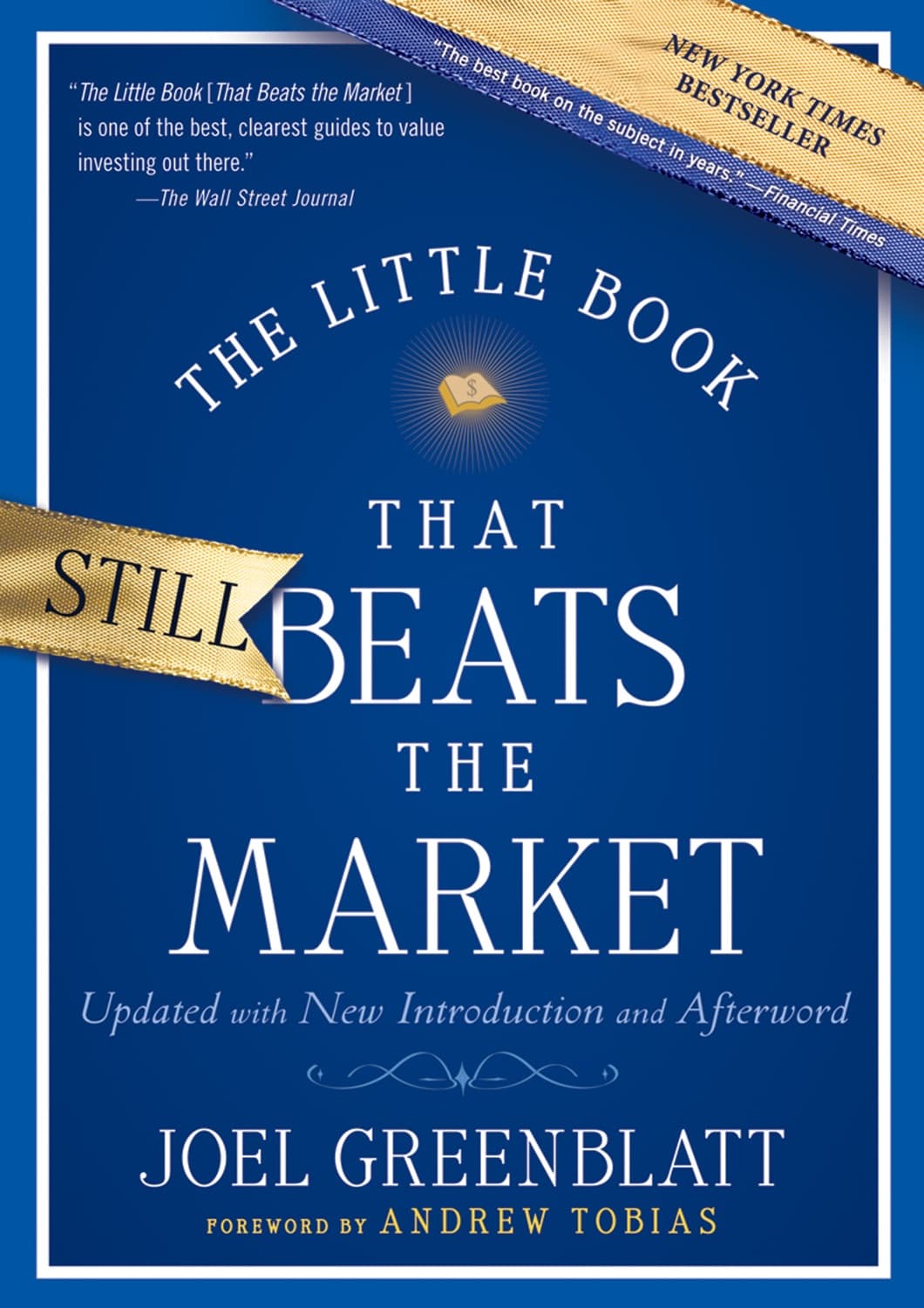
The little book that still beats the market
Joel Greenblatt
A formula simple enough for a child, with returns that embarrassed Wall Street.
Buy good companies cheap, ranked by yield and returns.
Joel Greenblatt distills value investing into a 'magic formula' that ranks stocks by earnings yield and return on capital. It is short, witty, and shows beginners that buying good companies at cheap prices can be systematic. Ideal for newcomers who want a working method before diving into the heavy classics.
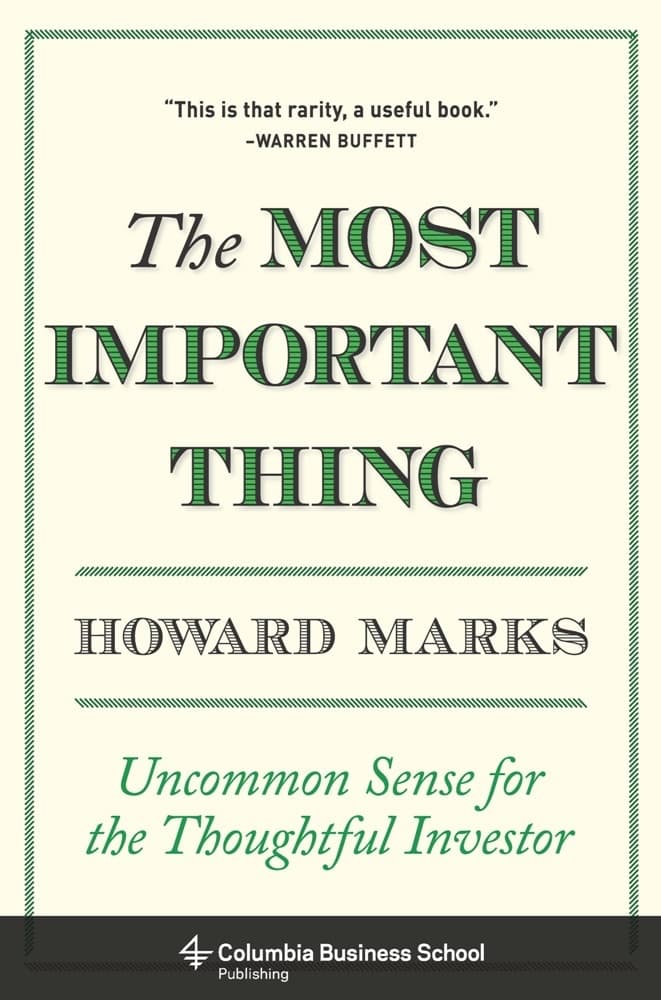
The most important thing
Howard Marks
Twenty memos to clients, sharpened into the wisest book on risk.
Practice second-level thinking the crowd cannot.
Howard Marks argues that real value investing is 'second-level thinking', seeing what the crowd misses about price and risk. He frames market cycles, the danger of overpaying, and the temperament needed to act when others panic. Perfect for investors who already grasp the mechanics and want judgment and emotional discipline.
Price is what you pay, value is what you analyze.
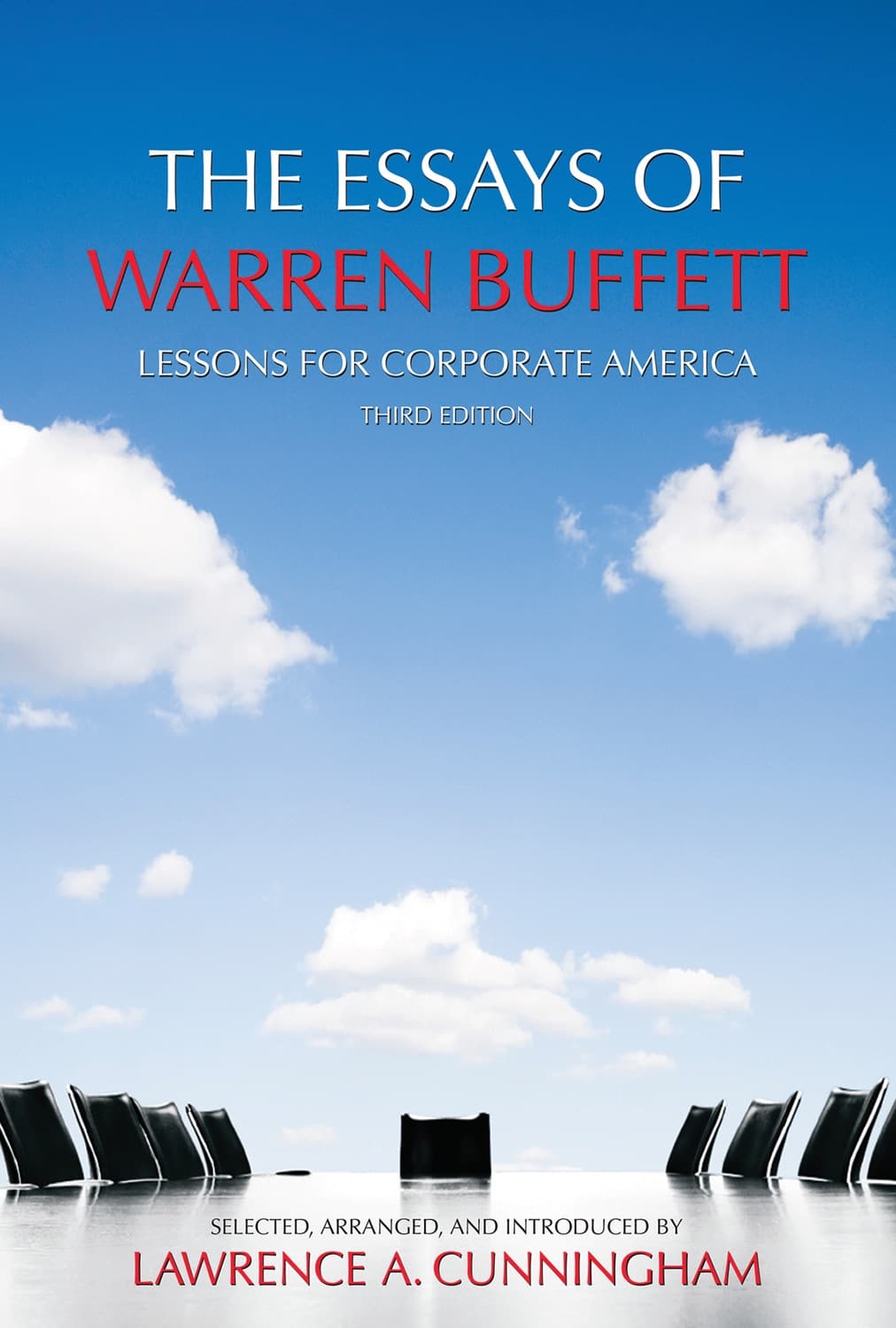
The Essays of Warren Buffett
Lawrence A. Cunningham, Warren E. Buffett
Buffett's shareholder letters, arranged into a coherent philosophy.
Buy wonderful businesses with durable moats and honest managers.
Lawrence Cunningham organizes decades of Berkshire letters by theme, so Buffett's thinking on moats, management, and intrinsic value reads as one argument. It is the clearest window into how a master applies Graham's lessons to real businesses. Great for anyone who learns best from a practitioner's voice rather than a textbook.
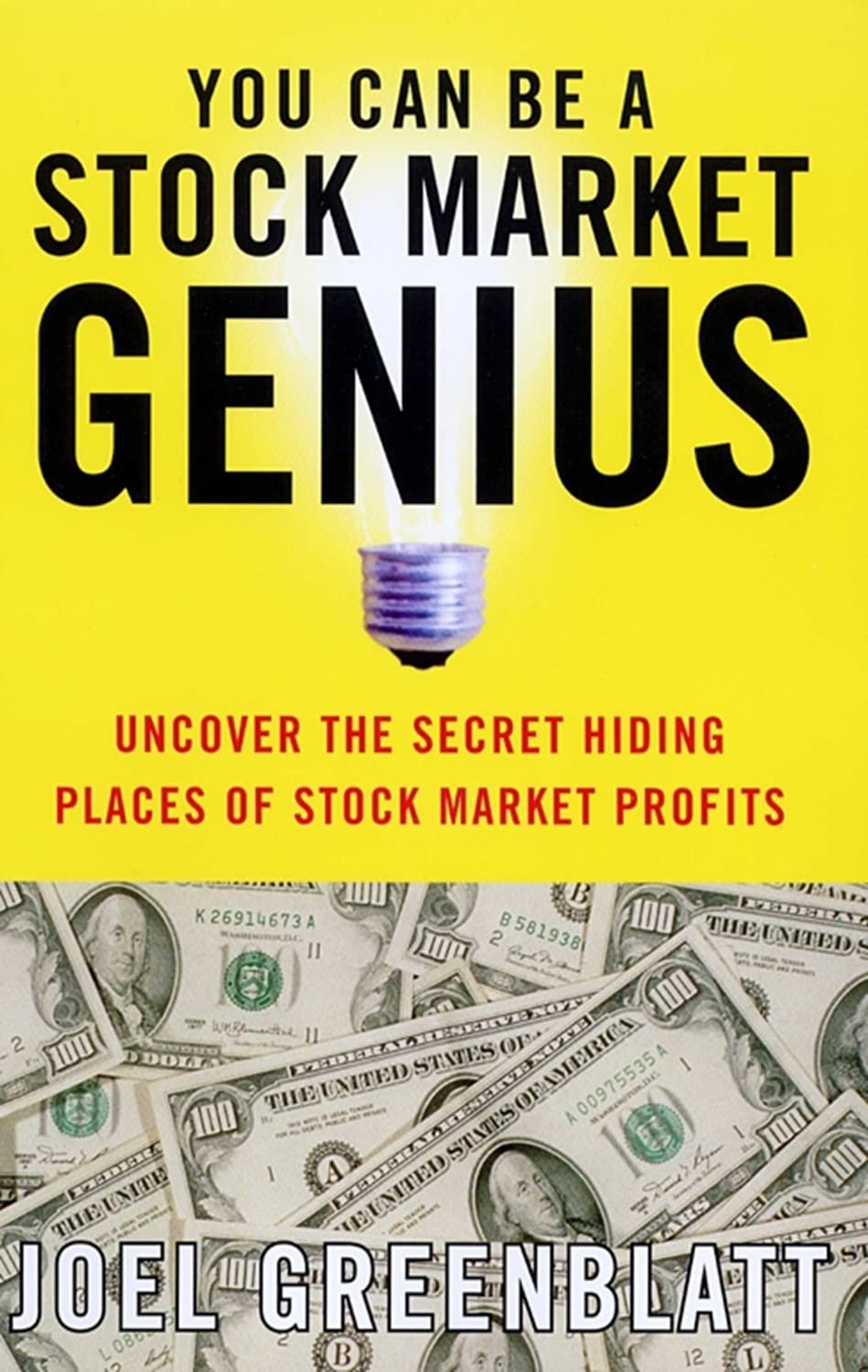
You can be a stock market genius
Joel Greenblatt
The contrarian field guide to the corners of the market Wall Street ignores.
Hunt spinoffs and special situations the giants overlook.
Joel Greenblatt details special situations: spinoffs, mergers, restructurings, and rights offerings where mispricing hides. He shows individual investors how to find profitable niches too small for big funds to bother with. A practical deep cut for ambitious investors hunting an edge beyond plain stock picking.
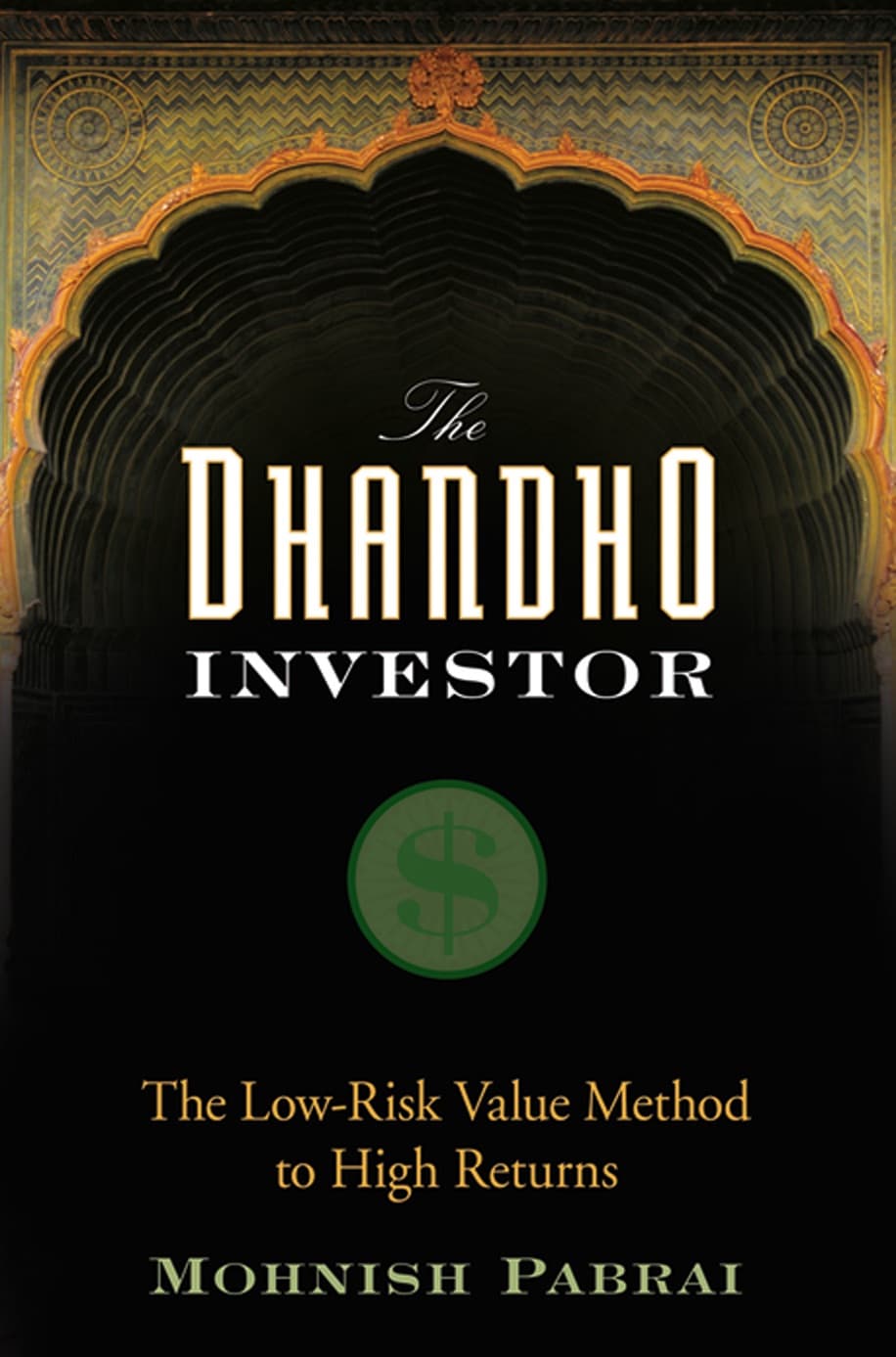
The Dhandho Investor
Mohnish Pabrai
Heads I win, tails I don't lose much: value investing as immigrant entrepreneurship.
Seek bets with low downside and high upside.
Mohnish Pabrai reframes Graham's margin of safety as the low-risk, high-reward bets of Patel motel owners and other 'dhandho' entrepreneurs. He builds a clear, story-driven checklist for concentrated, asymmetric investing. Best for readers who want the philosophy made vivid and actionable without heavy math.
Value Investing
Bruce C. Greenwald, Judd Kahn, Paul D. Sonkin, Michael van Biema
The Columbia Business School course that modernized Graham's method.
Value assets first, earnings power next, growth last.
Bruce Greenwald rebuilds valuation around asset value, earnings power, and the value of growth, replacing fuzzy intuition with a disciplined framework. He shows how today's leading value managers actually estimate intrinsic worth. The rigorous bridge for investors who found Security Analysis dated but still want real analytical tools.
Can we tailor this list for you?
Type your question in the bar below and the AI will tailor a fresh set of picks just for you.