Best Books on Quiet luxury
Quiet luxury runs on signaling: understated materials, careful taste, and exclusivity without the shouting. Books like Dana Thomas’s Deluxe and W. David Marx’s Status and Culture decode how that status gets made.
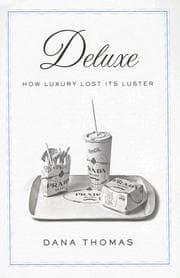
Deluxe
Dana Thomas
Quiet luxury only looks effortless once you see how luxury brands engineer desire through exclusivity, scarcity, and performance of craftsmanship.
Luxury is a brand story of scarcity.
Deluxe traces how luxury marketing turns “quality” into a controlled social hierarchy. That lens makes understated status feel less aesthetic and more intentional, which fits quiet luxury’s core tension.
The Luxury Strategy
Jean-Noël Kapferer, Vincent Bastien
You stop treating “luxury” as a vibe and start analyzing it as a defendable strategy: who it’s for, what it signals, and why it resists imitation.
Luxury is built to be imitated, then resisted.
This book gives a structured framework to separate true luxury from mere premium and to map the mechanics behind restraint. It helps you understand quiet luxury as positioning that protects meaning, not just minimal design.
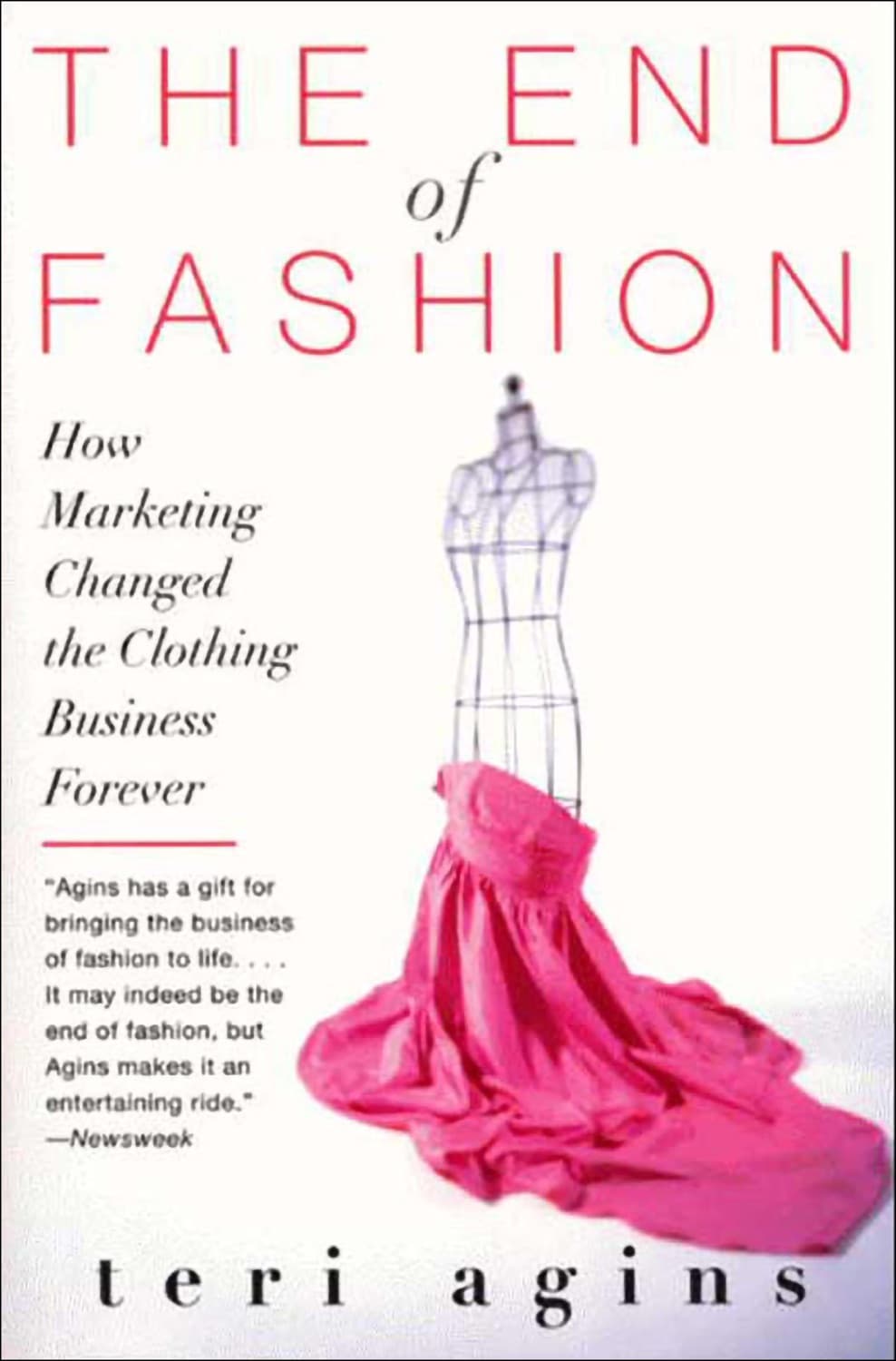
The End of Fashion
Teri Agins
Fashion’s quiet turn was not just style, it was a branding shift: signals got subtler, audiences got broader, and status became harder to detect.
Status gets easier to blend in over time.
Agins connects the changes in fashion branding to the way we read taste now. That makes the quiet luxury look feel like the end result of specific market forces and cultural habits.
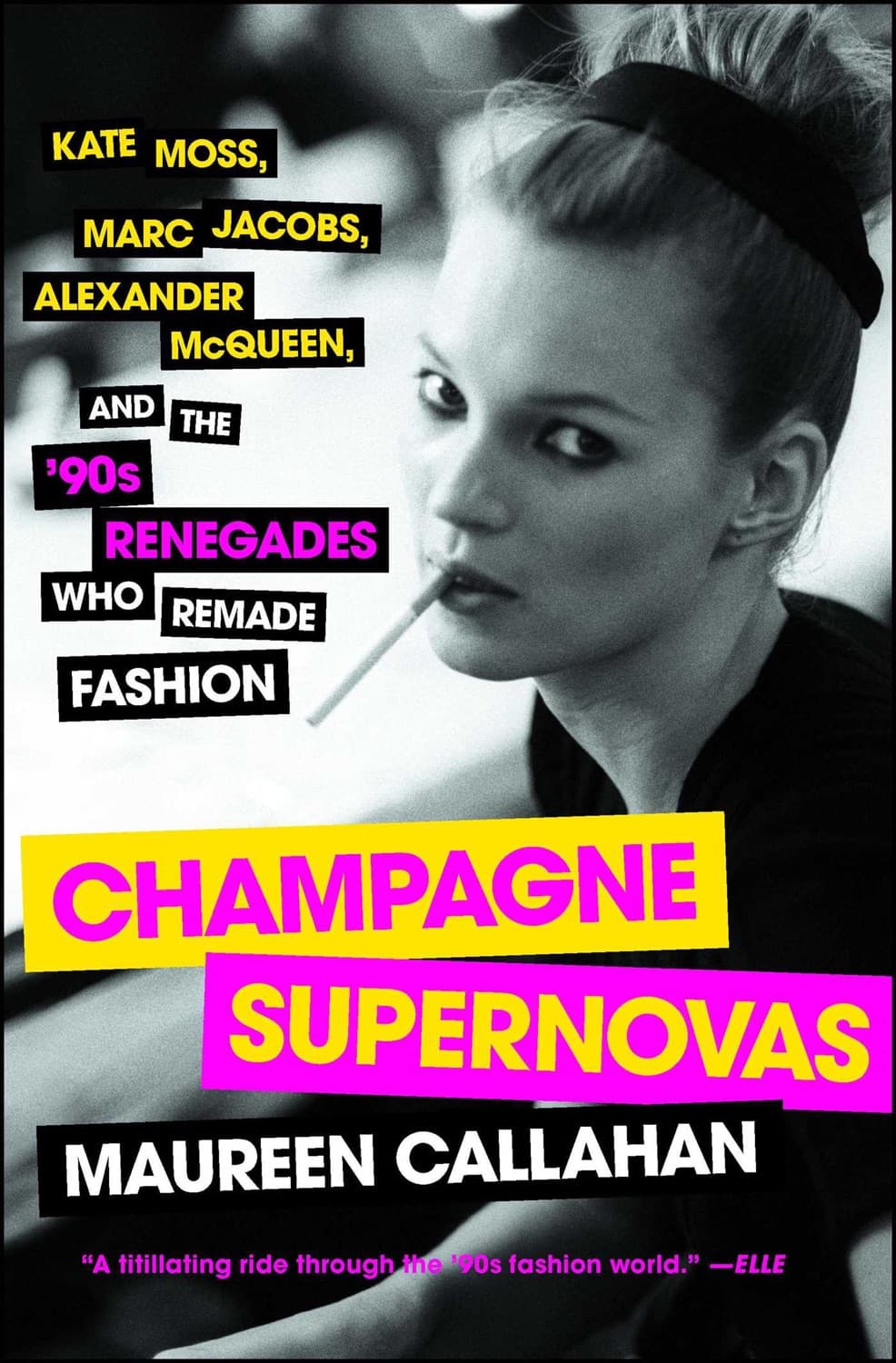
Champagne Supernovas
Maureen Callahan
Stealth wealth in the 1990s shows how minimalism became a social tool: quiet clothes that advertise taste without the obvious logo.
Minimalism can still be a status code.
Callahan’s narrative approach makes the roots of “stealth” status legible without reducing it to slogans. It’s a strong companion to quiet luxury because it connects design choices to who was adopting them and why.
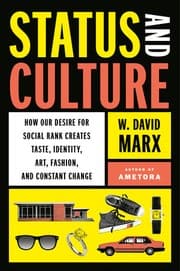
Status and Culture
W. David Marx
Taste is never neutral: quiet luxury works because culture turns small preferences into recognizable social distance.
Distinction is social education, not personal taste.
Marx explains how distinction is learned and read through everyday cues. That directly sharpens your ability to see quiet luxury as a cultural language, not a purely aesthetic one.
The Sum of Small Things
Elizabeth Currid-Halkett
Inconspicuous consumption becomes measurable: quiet luxury thrives where culture, community, and habit quietly amplify spending.
Inconspicuous spending follows cultural ecosystems.
Currid-Halkett ties consumption to social networks and cultural institutions, which helps explain why restraint can be expensive. The result is a clearer view of how quiet luxury reproduces itself socially.
Luxury is built to be imitated, then resisted.
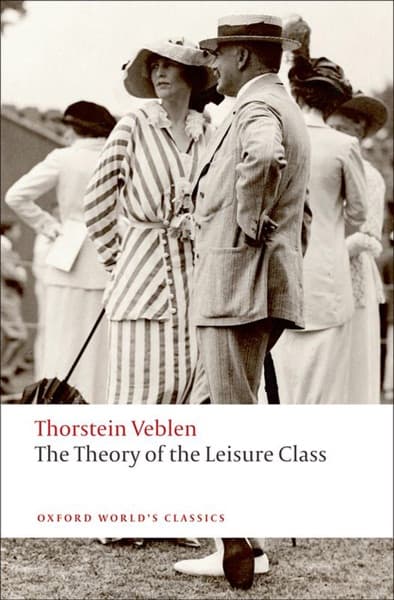
The Theory of the Leisure Class
Thorstein Veblen
Veblen reveals the engine behind quiet luxury: status consumption is driven by display and emulation, even when the display is indirect.
Conspicuous consumption can hide in restraint.
This classic gives you the foundational logic of why we buy “more than use,” including subtle, socially coded versions. It turns quiet luxury from trend into an old human pattern with modern clothing.
Luxury Online
Uché Okonkwo
Understated luxury online depends on design choices that make desire feel effortless while still signaling rank and credibility.
Understatement still needs proof online.
Okonkwo focuses on how prestige brands build meaning in digital spaces, where “quiet” still needs to be recognized. It’s especially useful if your quiet luxury interest includes creators, platforms, and modern brand ecosystems.

Brandwashed
Martin Lindstrom, Martin Lindstrom
You learn to spot how brands steer you toward status purchases through subtle cues, not persuasion speeches.
Small cues can override rational choice.
Brandwashed translates consumer-psychology tactics into plain language, making the mechanics behind understated desirability easier to see. For quiet luxury, it helps explain why “taste” often arrives pre-packaged by marketing.
Cult of the Luxury Brand
Radha Chadha, Paul Husband
Luxury becomes understandable as a system of desire: aspiration, legitimacy, and exclusivity work together even when the product looks simple.
Prestige is cultivated through shared myths.
Chadha and Husband connect prestige signaling across categories, which helps you see quiet luxury as part of a wider brand culture. That perspective keeps the focus on meaning and social function, not just wardrobe aesthetics.
Can we tailor this list for you?
Type your question in the bar below and the AI will tailor a fresh set of picks just for you.