Best Books on Class & Social Mobility
From Orwell’s Wigan Pier to Bourdieu’s Distinction, these books read class as a lived system, not a personal failure. They track how status, taste, and institutions turn “mobility” into myth.
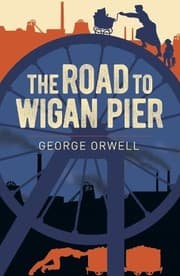
The Road to Wigan Pier
George Orwell
Orwell turns wage work and hunger into a map of how class keeps you trapped, even when you try to explain it away as “character.”
Poverty is an environment, not just a mindset.
This is firsthand reportage that makes British class divisions feel structural, not anecdotal. It fits social mobility because it shows the daily mechanics that narrow choices before you ever reach for ambition.
The Hidden Injuries of Class
Richard Sennett, Jonathan Cobb
Class injuries do not only come from bad pay: they show up as shame management in how people speak, relate, and endure.
Shame teaches people how to stay in their place.
Sennett and Cobb pair social science with careful attention to dignity, revealing how hierarchy trains emotions as well as behavior. For social mobility, that means the “cost” is not only economic but relational.
Distinction
Pierre Bourdieu
Taste is not personal preference: it is a social weapon that helps classes reproduce themselves while calling it “good taste.”
Habitus converts class power into “natural” taste.
Bourdieu gives you a framework for why mobility efforts can misfire when cultural codes are treated like neutral standards. The book matters for class because it explains how hierarchy hides inside everyday judgments.
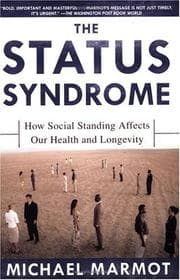
The Status Syndrome
Michael Marmot
Unequal social rank translates into unequal health, as if society were measuring stress and distributing it by position.
Status inequality shapes health, not just wealth.
Marmot connects status to life chances using a clear thesis: hierarchy damages outcomes beyond income. That directly sharpens the mobility question by showing how climbing can still leave you trapped in the health gradient.
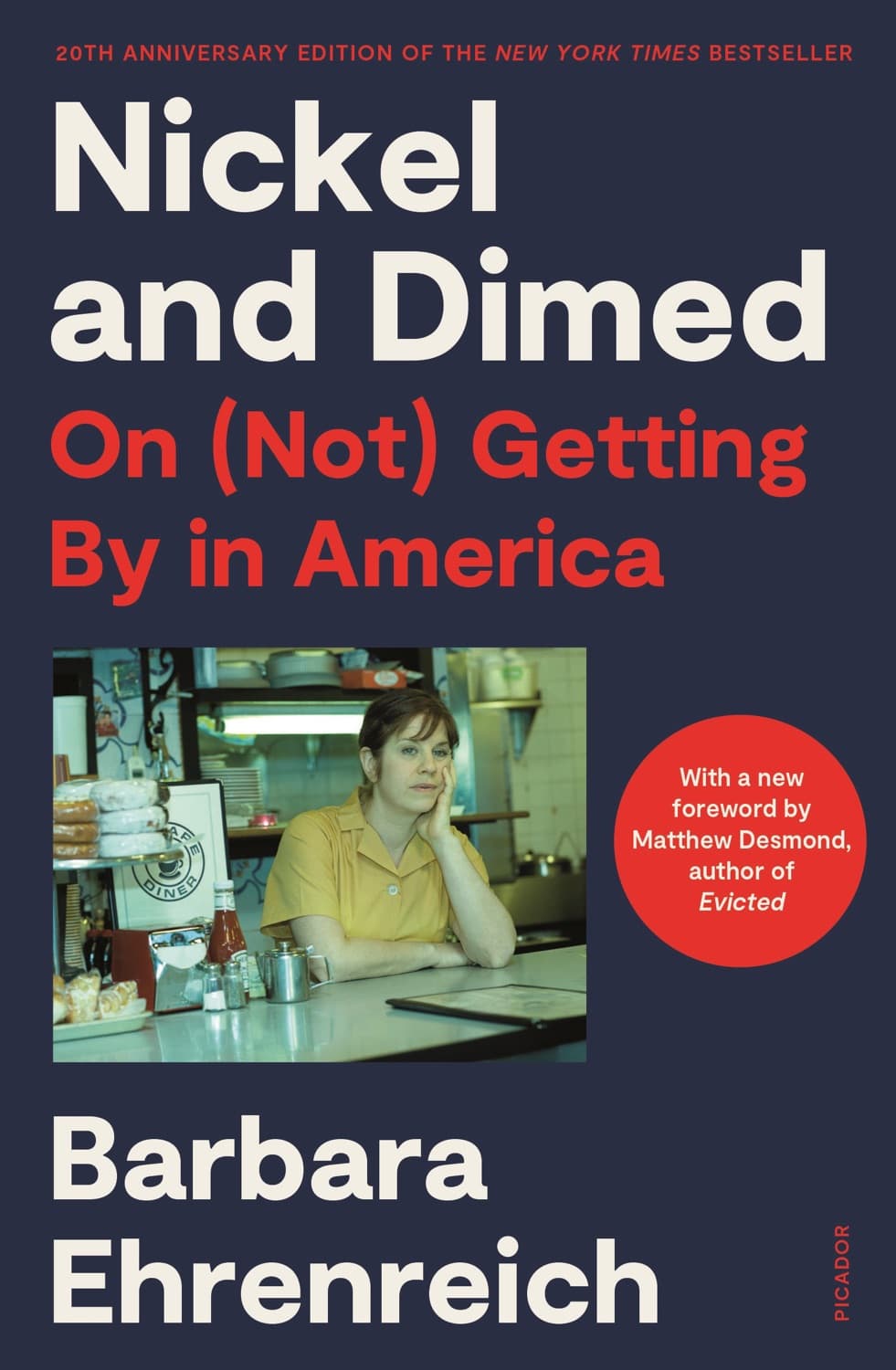
Nickel and Dimed
Barbara Ehrenreich
A low-wage life in America is less about “getting by” than about constant system failures that block stable work and advancement.
Low wages come with instability as the real product.
Ehrenreich’s method exposes the barriers built into jobs that look available on paper but punish in practice. It fits class and mobility because it shows how effort collides with scheduling, illness, and credential gatekeeping.
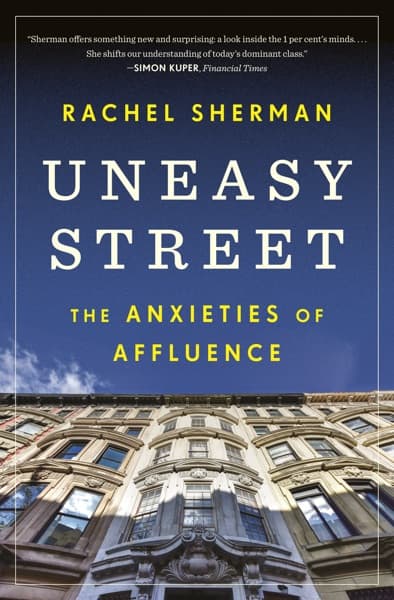
Uneasy Street
Rachel Sherman
Privileged self-justification turns inequality into a moral story, with “good families” and “bad outcomes” standing in for causes.
Merit gets rewritten as blame for the poor.
Sherman brings class dynamics down to street level, showing how wealth rationalizes itself and trains neighbors to interpret poverty as character. For mobility, it clarifies why opportunity debates become culture wars instead of policy arguments.
Shame teaches people how to stay in their place.
Class
Paul Fussell, Martim de Avillez
American class is less a ladder than a costume: small signals and talk styles sort people long before money does.
Status rides on signals, not announcements.
Fussell and de Avillez treat social status as a cultural performance full of irony and coded meanings. That helps you see mobility as a matter of passing, recognition, and interpretation, not just education or income.
The Rise of the Meritocracy
Michael Young
Young’s satire predicts how “merit” can become a justification machine: winners call their advantages virtue, then lock them in.
Meritocracy turns privilege into a moral credential.
This is class analysis disguised as prophecy, tracing what happens when societies stop asking how chances are distributed. It sharpens the mobility lens by exposing how ideology can preserve hierarchy while sounding fair.
Evicted
Matthew Desmond
Eviction is not an event but a pipeline: housing instability keeps generating new emergencies that make escape harder.
Housing precarity manufactures poverty momentum.
Desmond’s reporting shows how poverty traps operate through landlords, paperwork, and escalating costs. It fits social mobility because it demonstrates how one disrupted month can collapse future opportunities before careers even get a chance.
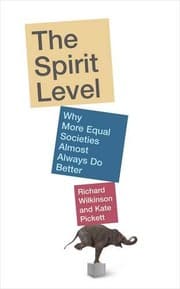
The Spirit Level New Edition
Richard Wilkinson, Kate Pickett
When inequality rises, social trust and wellbeing tend to fall, even beyond the impact of absolute poverty.
Inequality predicts outcomes even when average wealth rises.
Wilkinson and Pickett connect class inequality to wide-ranging outcomes across societies, giving mobility debates a broader frame. It matters because it shifts the question from individual striving to how unequal societies shape everyone’s life chances.
Can we tailor this list for you?
Type your question in the bar below and the AI will tailor a fresh set of picks just for you.