Best Books on the Psychology of Boredom
Discover the hidden drivers of human behavior and cognitive engagement with our expert selection of the best books on the psychology of boredom. Explore how stillness, wandering minds, and monotony spark creativity and reshape our daily focus.
The Upside of Your Dark Side
Todd B. Kashdan, Robert Biswas-Diener
Boredom shifts from a dead-end feeling to information that can nudge you toward curiosity and values.
Hard emotions can be useful signals.
Rather than treating boredom as a mistake to eliminate, the authors frame it as part of a wider emotional toolkit. That perspective helps when your goal is to understand boredom psychologically, then translate it into how you decide what to do next.
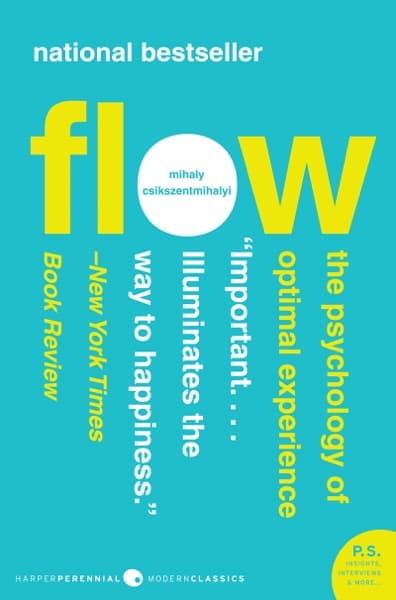
Flow
Mihaly Csikszentmihalyi
Flow makes boredom look like the absence of fit: when challenge and skills miss each other, your mind disengages.
Flow depends on challenge-skill balance.
Even though it is not only about boredom, it gives you the engagement contrast that helps explain why boredom thrives. For a psychology of boredom search, it provides the “other side of the switch” so you can see what conditions invite attention and meaning.
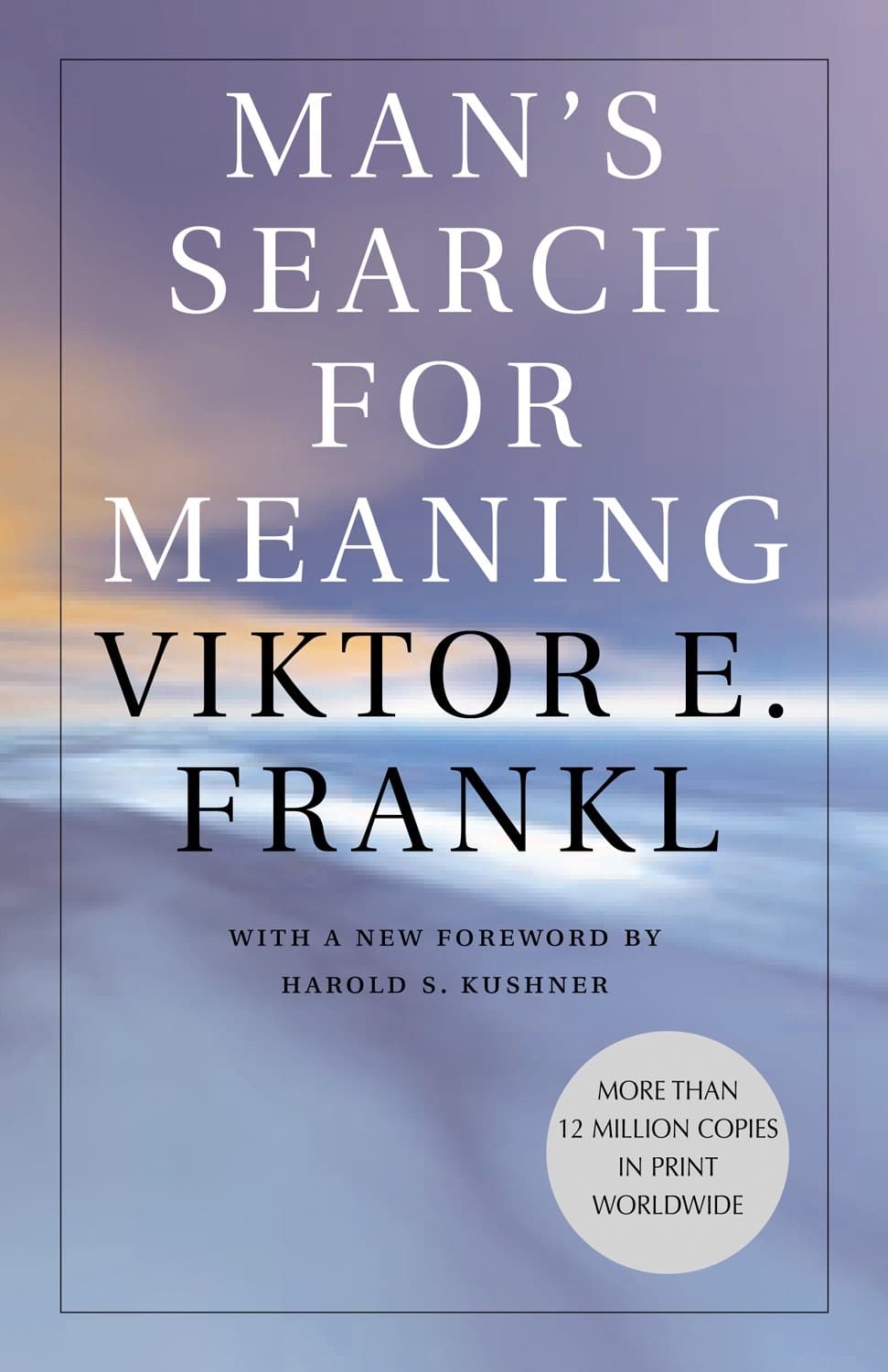
Man's Search For Meaning
Viktor E. Frankl
Meaning becomes an antidote to existential emptiness, where boredom can feel like the body’s alarm for a lost “why.”
Meaning protects against emptiness.
Frankl connects suffering, deprivation, and the human need for purpose in a way that sharpens how boredom can emerge as a meaning problem. It fits the psychology theme by grounding boredom-related emptiness in lived experience and existential motivation.
The Philosophical Baby
Alison Gopnik
Gopnik makes disengagement and curiosity feel like two sides of the same developmental system, changing how you interpret boredom.
Curiosity is a built-in learning engine.
By grounding attention and exploration in developmental psychology, it gives you a deeper account of why minds seek novelty and what happens when that seeking stalls. For boredom psychology, it adds a foundational view of curiosity, focus, and learning that broadens how you see the feeling.
Can we tailor this list for you?
Type your question in the bar below and the AI will tailor a fresh set of picks just for you.