Best Books on Self-Driving Cars
Self-driving cars sit at the intersection of machine perception, urban policy, and a century of promises about the car of the future. These books run from Lawrence Burns on the engineering race to Peter Norton on why the driverless pitch deserves hard skepticism, spanning the technology, the cities it reshapes, and the industry betting on it.
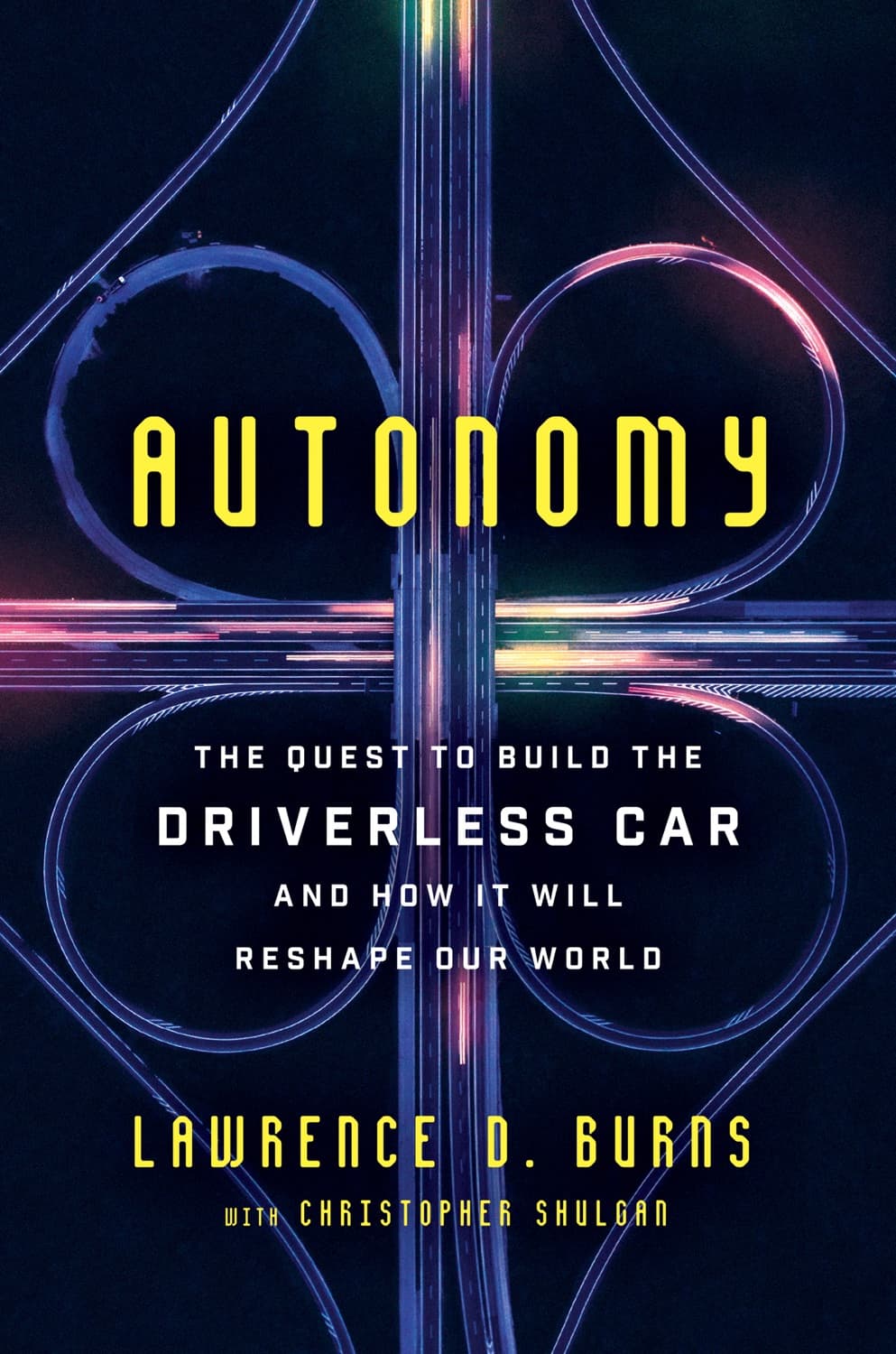
Autonomy
Lawrence D. Burns
The definitive inside story of the race from DARPA Grand Challenge to Waymo.
The driverless car was less a single invention than a decade of stubborn iteration.
Lawrence Burns, a former GM research chief who later advised Google's car project, traces the driverless car from a stalled desert race to a working robotaxi. He connects the engineering breakthroughs to the business and social stakes, written by someone who sat in the rooms where it happened. Best for a reader who wants the authoritative narrative of how the technology arrived.
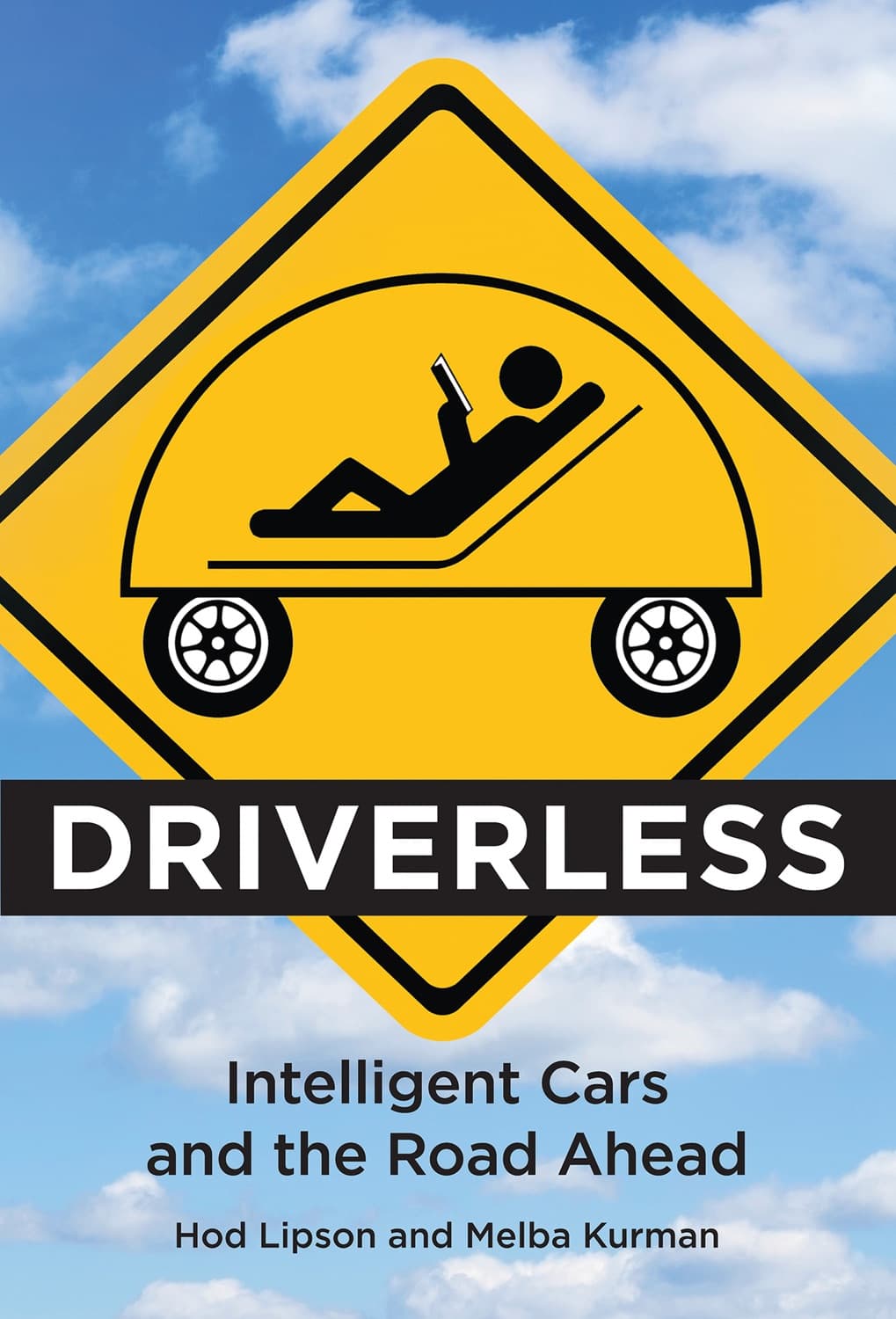
Driverless
Hod Lipson
A clear-eyed explainer of the technology and what it will change.
The car learned to drive the way a child does, from examples, not from a rulebook.
Roboticist Hod Lipson and Melba Kurman explain why deep learning, not hand-coded rules, finally made autonomy plausible, and walk through the sensors and software that let a car see. They are optimistic but concrete about the remaining hurdles. Best for the reader who wants to understand how a self-driving car actually perceives and decides.
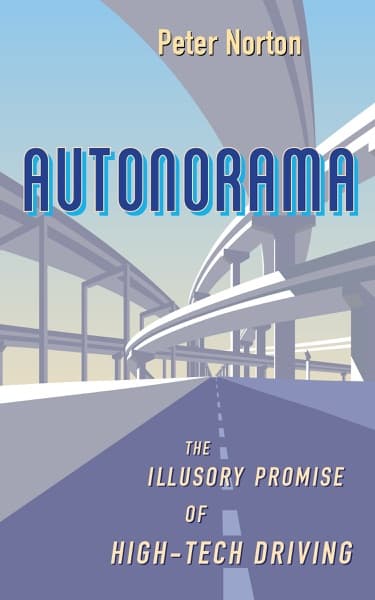
Autonorama
Peter Norton
A historian's warning that we have heard the driverless promise before.
Every era's promised car of tomorrow quietly served the car of today.
Peter Norton, who chronicled how carmakers reshaped cities in the 1920s, shows how each generation of automotive utopia was oversold to protect car dependence. He argues the driverless pitch repeats the pattern, distracting from cheaper fixes like transit and walkable streets. Best for readers who want the skeptical, historically grounded counterweight to the hype.
Ghost Road
Anthony M. Townsend
What happens to cities, not just cars, when driving goes autonomous.
The real disruption is not the car; it is what the freed-up street becomes.
Urbanist Anthony Townsend looks past the vehicle to the second-order effects: sprawl, delivery bots, curb space, and who controls the software layer over the street. He sketches competing futures rather than a single confident prediction. Best for the reader interested in how autonomy reshapes the places we live, not just the commute.
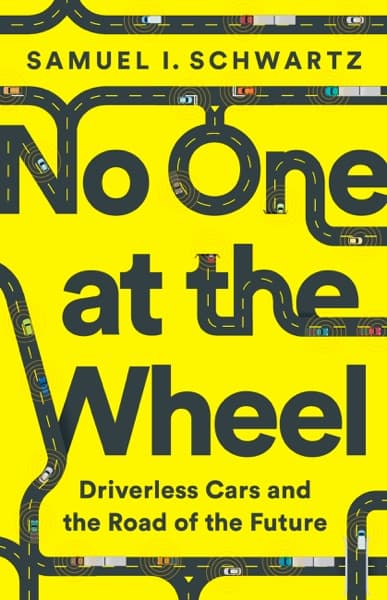
No one at the wheel
Samuel I. Schwartz
A veteran traffic engineer weighs the promise against the peril.
The technology's benefits depend entirely on the rules we set around it.
Samuel Schwartz, a former New York City traffic commissioner, brings street-level realism to autonomy, warning it could deepen congestion and sprawl if deployed without policy. He pairs enthusiasm for safety gains with hard questions about equity and public transit. Best for readers who want the policy view from someone who has actually run real roads.
Can we tailor this list for you?
Type your question in the bar below and the AI will tailor a fresh set of picks just for you.