Best Books on the PLA (Palestine Liberation Army)
Palestine Liberation Army context lives inside broader Palestinian history: Helena Cobban’s The Palestinian Liberation Organisation places the PLA within PLO institutions, while Rashid Khalidi’s The Iron Cage sharpens the conditions the PLA emerged from.
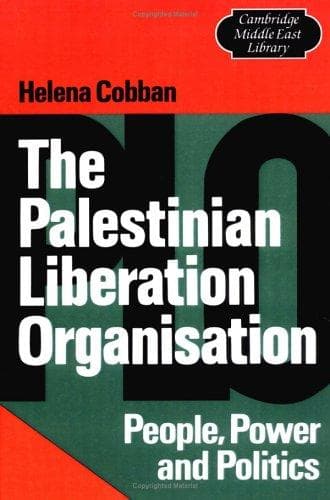
The Palestinian Liberation Organisation
Helena Cobban
Cobban shows the PLA as something more specific than a slogan: a movement project inside the PLO’s evolving institutions, alliances, and priorities.
The PLO is the institutional container for the PLA
Instead of treating Palestinian armed struggle as isolated events, this traces how the PLA sat within the PLO’s political machinery and decision-making. That matters for PLA-focused reading because it connects tactics to governance, diplomacy, and internal constraints.
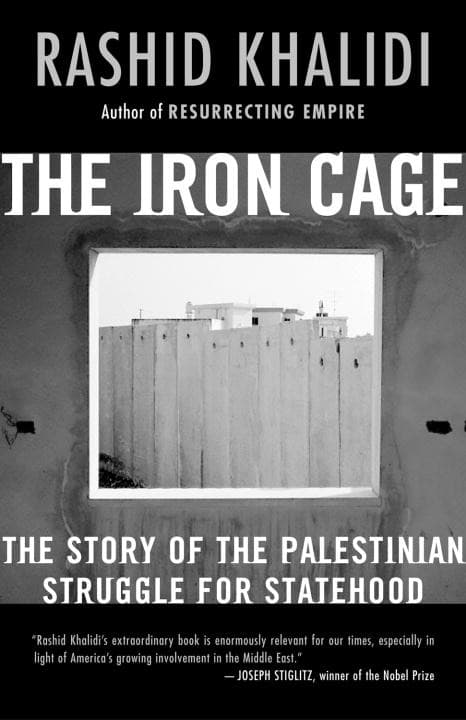
The Iron Cage
Rashid Khalidi
Khalidi reframes Palestinian armed politics as a long response to a system that repeatedly narrowed options, not as sudden radicalization.
Partition policy reshaped every later constraint
This gives the structural backdrop that explains why armed movements could become thinkable and sustainable. For learning about the PLA, it supplies the “why now” and “why then” that biographies and battle accounts often leave out.
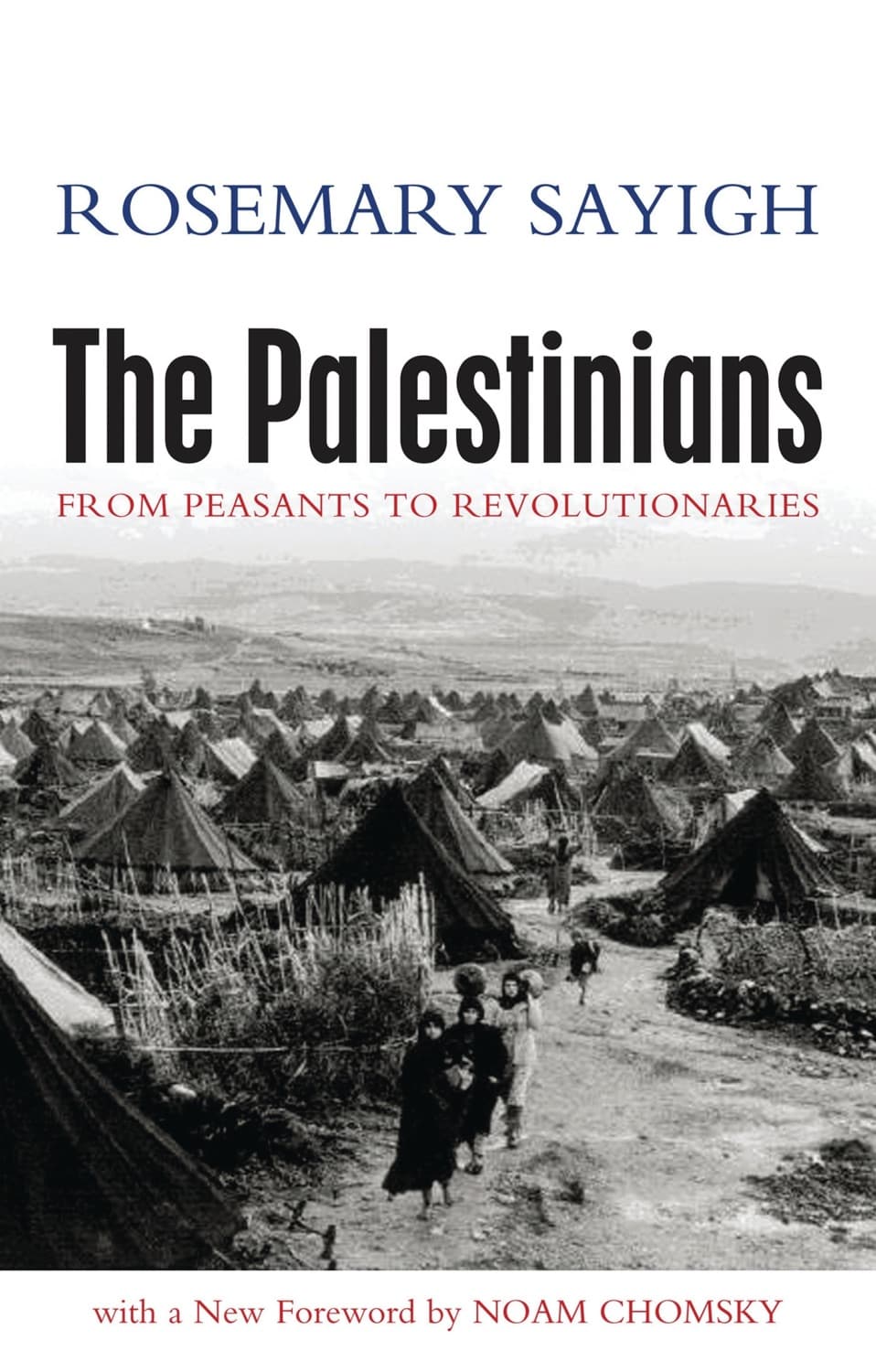
The Palestinians from peasants to revolutionaries
Rosemary Sayigh
Sayigh links the social world of Palestinian life to the logic of revolutionary organization, so armed struggle looks like a social transformation, not a moral shock.
Revolution grows from social restructuring
You get the constituency behind revolutionary projects: class, labor, displacement, and collective memory. That matters for PLA inquiry because it clarifies what kinds of Palestinians the PLA drew on, and what pressures made mobilization viable.

The Gun and the Olive Branch
David Hirst
Hirst treats Palestinian guerrillas as political actors with their own internal pressures, not just armed muscle moving between crises.
Guerrillas bargain with politics, not only violence
This offers a grounded regional account with substantial attention to how Palestinian guerrilla organizations operated and what they negotiated. For PLA understanding, it helps translate “armed action” into organizational behavior and strategic calculation.
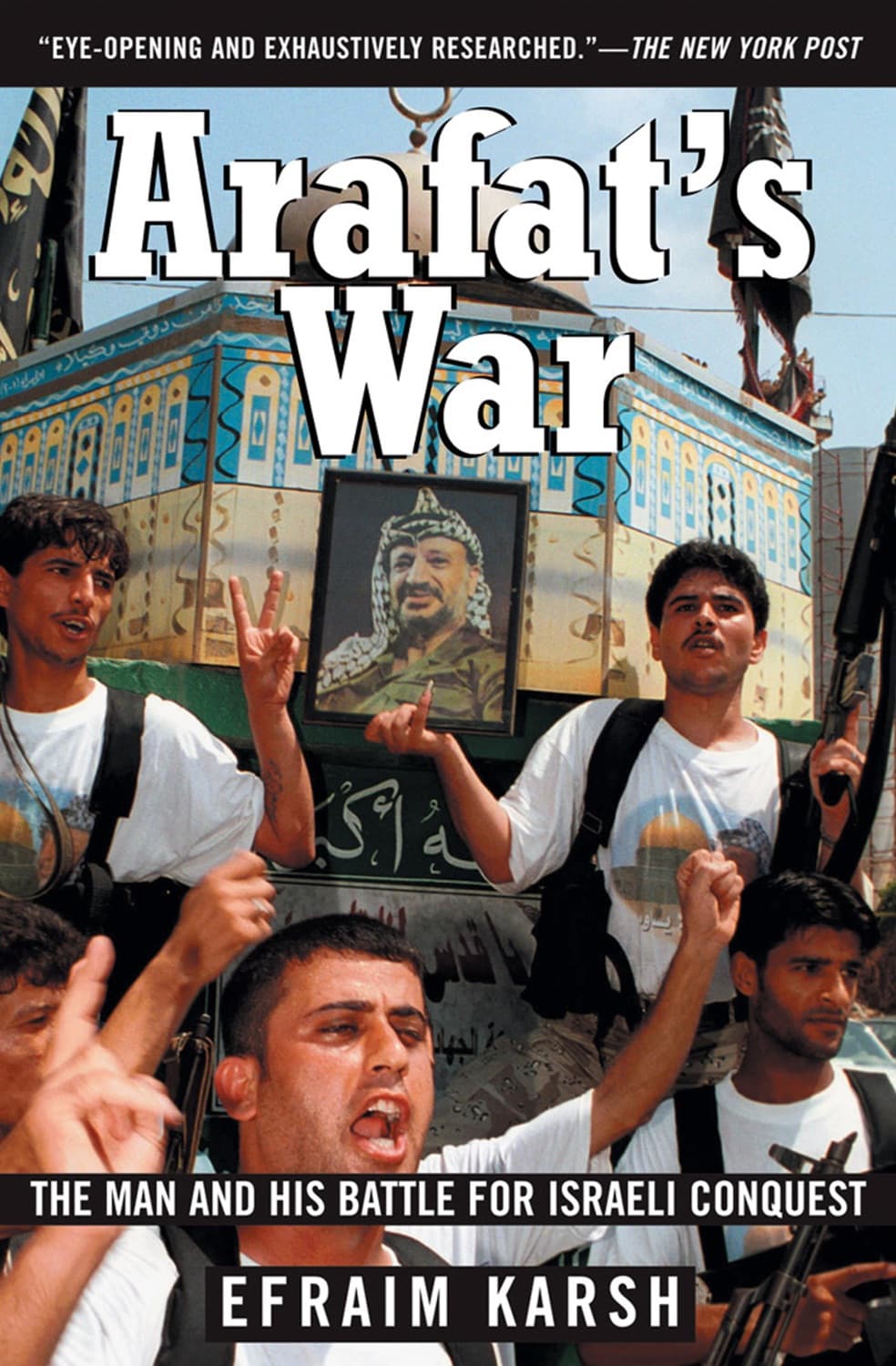
Arafat's war
Efraim Karsh
Karsh pushes a contentious thesis: Arafat’s leadership and PLO military planning shaped outcomes through coherent structures, not improvisation.
Leadership strategy matters as much as battlefield events
If you want a PLA-adjacent military lens, this foregrounds PLO military organization and decision flows that readers often only glimpse in broader histories. Use it as a foil: it will challenge assumptions and sharpen what you look for in other accounts.
Can we tailor this list for you?
Type your question in the bar below and the AI will tailor a fresh set of picks just for you.