Best Books on the IDF (Israel Defense Forces)
IDF-focused reading runs best through soldier testimony, battlefield decisions, and the political machinery behind them: Avraham Shapira’s The Seventh Day, Benny Morris’s 1948 and Righteous Victims, Ronen Bergman’s Rise and kill first. These pieces share one thread: how survival-shaped doctrine became action.
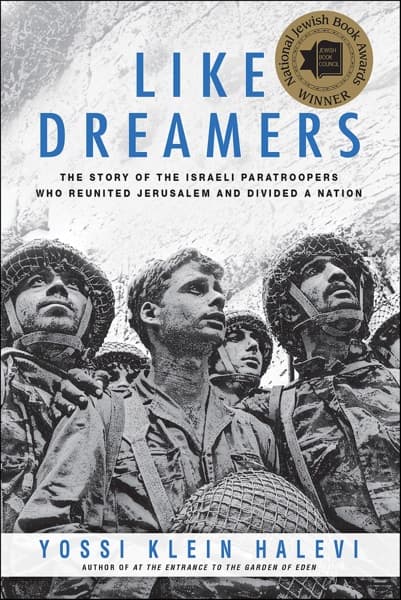
Like dreamers
Yossi Klein Halevi
Paratrooper history here is less myth than a moral education: ideals, courage, and the hard costs of turning belief into operations.
Belief becomes doctrine when tested repeatedly.
Klein Halevi traces how a generation of fighters became shaped by the IDF they served, not only by the battles they won. That makes the book useful if your goal is to understand what the IDF meant on the ground, and how it disciplined hope into action.
Rise and kill first
Ronen Bergman
The IDF experience changes when you see the shadow system behind it: intelligence, targeted operations, and decision loops designed for speed and denial.
Policy often treats intelligence as the real battlefield.
Bergman reframes “IDF operations” as part of a broader security ecosystem with its own incentives and blind spots. If your interest in the IDF is really about how modern Israel chooses to act, this delivers the operational brain behind the uniform.
1948
Benny Morris
The war that created the IDF becomes legible through decisions, logistics, and turning points that refuse simple hero narratives.
Origins are traced to decisions under constraint.
Morris builds a military-political history where the IDF’s origins appear as choices made under constraints, not inevitabilities. For IDF learning, it provides the foundational context that soldier memoirs and later analyses depend on.
Righteous Victims
Benny Morris
Campaign history here forces the IDF question to broaden: what happened in war depends on how power, policy, and civilian fate intersect.
Civilian outcomes are inseparable from military policy.
Morris supplies the wider conflict context that makes IDF actions understandable without shrinking them to slogans. If you’re trying to understand the IDF inside the full moral and strategic weather of the era, this helps you connect battlefield moves to their consequences.
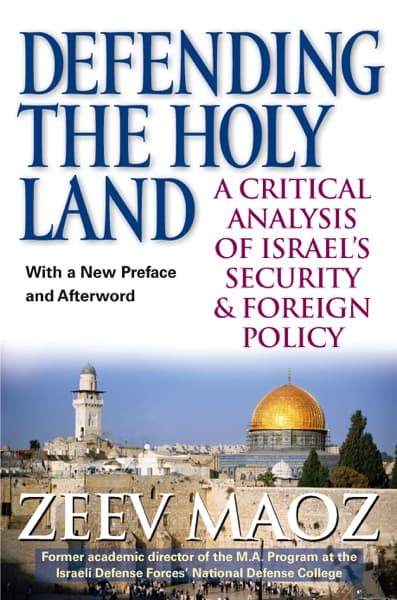
Defending the Holy Land
Zeev Maoz
Security thinking becomes tangible: Maoz shows how Israel’s leadership turned assumptions about threats into repeatable military decision patterns.
Threat perceptions drive military choices more than headlines.
This isn’t battlefield folklore; it’s analysis of how decision-making frameworks guide military outcomes. For IDF-focused reading, it helps you see the logic behind what the IDF chooses to prioritize when stakes are existential.
Can we tailor this list for you?
Type your question in the bar below and the AI will tailor a fresh set of picks just for you.