Best Books on Franchising Operations and Expanding Overseas
Franchising operations and overseas expansion demand two lenses: franchise system design and cross-cultural execution. These books pair practical franchising mechanics with international market realities, so growth stays controllable.
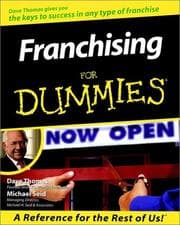
Franchising For Dummies
Michael H. Seid, Dave Thomas
After reading Seid and Thomas, franchising stops feeling like a buzzword and starts feeling like a set of operating decisions you can document and delegate.
Treat the franchise system like a product: define it, then distribute it.
This primer turns franchise operations into concrete structure: roles, contracts, economics, and the basics of running and scaling a system. It fits best when overseas plans still feel hand-wavy and you need a baseline for how franchising actually works day to day.
The Educated Franchisee
Rick Bisio, Mike Kohler
You finish with a sharper instinct for whether a franchise model is genuinely transferable or quietly built to fail in the wrong hands.
Verify model fit through system evidence, not brand promises.
Rather than cheering for franchising in general, it trains you to evaluate the model, the system, and the fit between operator and operations. That matters for overseas expansion because the biggest risks often come from mismatched execution, not marketing.

Street Smart Franchising
Joe Mathews
Street Smart Franchising reframes growth math into operational choices: margins, volumes, site selection, and what actually drives unit performance.
Unit economics come first, then expansion follows.
It gives a practical economics view of franchise operations, so scale decisions align with what the model can support. That helps when overseas expansion creates new cost structures and you need clarity on what must stay true for the system to work.
Grow to Greatness
Edward Hess
By the end, “scale” stops being hope and becomes a disciplined path: strengthen the system, then expand with evidence.
Build repeatable processes before increasing geographic complexity.
Hess focuses on building capabilities that let organizations grow without breaking quality, which is the operational heart of franchising. It supports overseas expansion planning by pushing you to create repeatable mechanisms before you add complexity.
Franchise Your Business
Mark Siebert
Siebert helps you see franchising as a translation job: converting your business into a teachable, enforceable system others can run consistently.
Standardize what must not change, customize what must.
The book speaks directly to how to convert operations into a franchise-ready model, including the strategic decisions behind expansion. That is especially useful before overseas moves, when you must anticipate what can be standardized and what must be adapted.
Franchise MBA
Nick Neonakis
Neonakis turns franchising strategy into day-to-day operating leverage: where to focus, what to measure, and how to avoid common expansion traps.
Measure performance through system metrics, not anecdotes.
It combines strategy with operational thinking, which is exactly what overseas expansion tests. The emphasis on how systems behave under growth helps you plan beyond launch and into long-term execution.
Verify model fit through system evidence, not brand promises.
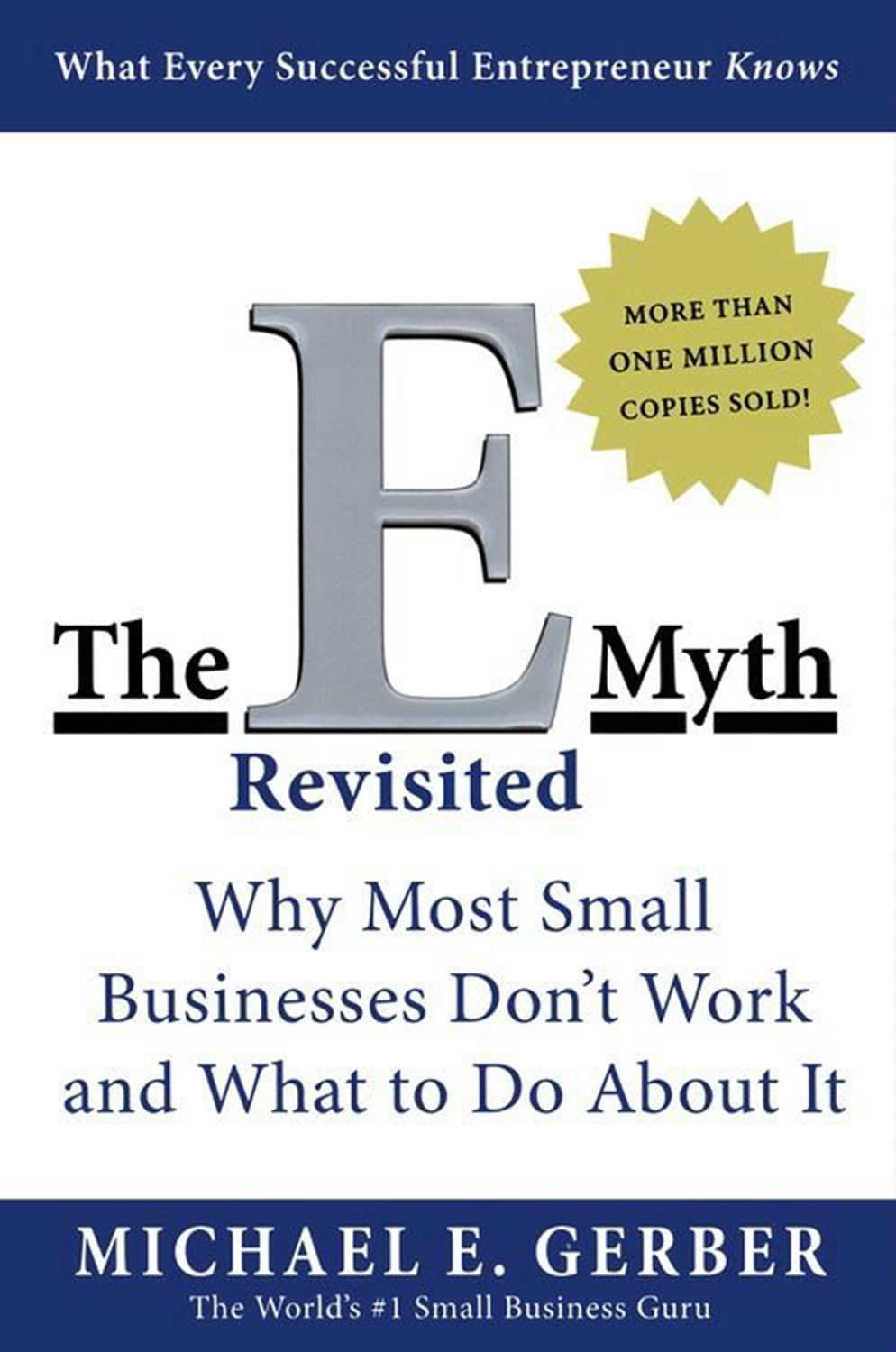
The E-Myth Revisited
Michael E. Gerber
Gerber shifts your mental model from “owning a business” to “running a system,” so expansion becomes replication instead of reinvention.
Build the process to run without you.
The E-Myth revisited is foundational systems thinking, which underpins franchise-style operations: standard work, repeatability, and processes that outlive individual founders. That perspective helps with overseas franchising because replication is the challenge, not the brochure.
Global Franchising Operations Management
Ilan Alon
This book makes overseas franchising feel navigable by focusing on operations realities: structure, risks, and how cross-border differences hit execution.
International expansion is an operations risk-management problem.
Alon targets the international side directly, which helps you go beyond generic franchising advice into cross-border operational management. It is especially valuable when expanding overseas adds legal, cultural, and supply-chain friction that the franchise system must handle.
The Culture Map
Erin Meyer
After The Culture Map, communication patterns stop being personal quirks and start being predictable cultural variables that shape how franchises get led abroad.
Interpret differences as culture, then adapt communication methods.
Overseas franchising relies on relationships: training, feedback, conflict handling, and day-to-day coordination. Meyer equips you to anticipate misunderstandings and align leadership expectations across cultures, which protects operational consistency.
Can we tailor this list for you?
Type your question in the bar below and the AI will tailor a fresh set of picks just for you.