Best Books on Global Politics of Coffee
Global coffee politics come into sharp focus through Uncommon Grounds by Mark Pendergrast and Black Gold by Antony Wild, tracing how empire, commerce, and institutions turned beans into power.
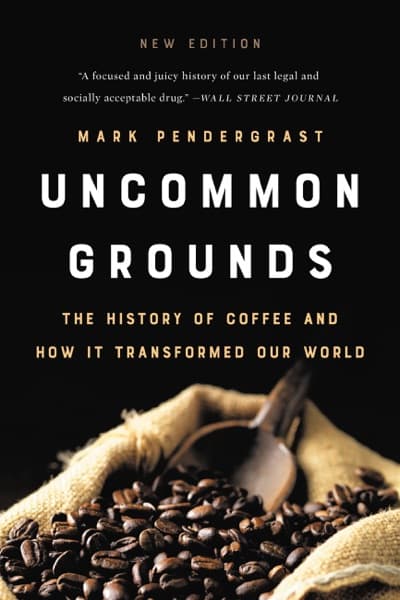
Uncommon grounds
Mark Pendergrast
Coffee becomes legible as a system of empire and infrastructure, with trade routes, institutions, and labor coercion woven into its global expansion.
Coffee’s geopolitics runs on trade systems and institutions.
Pendergrast tracks coffee’s political economy across continents, showing how power rides on shipping, finance, and policy rather than just plantations. That makes it ideal for understanding the global politics of coffee as a long contest over trade and governance.
Black Gold
Antony Wild
Black Gold treats coffee as a global commodity where colonial extraction, market structure, and policy choices shape who wins and who absorbs risk.
Commodity power is political power in disguise.
Wild emphasizes coffee’s geopolitical entanglements through the lens of colonialism and global commerce. If your goal is to connect coffee to politics beyond the farm gate, this gives you a crisp, commerce-first angle.
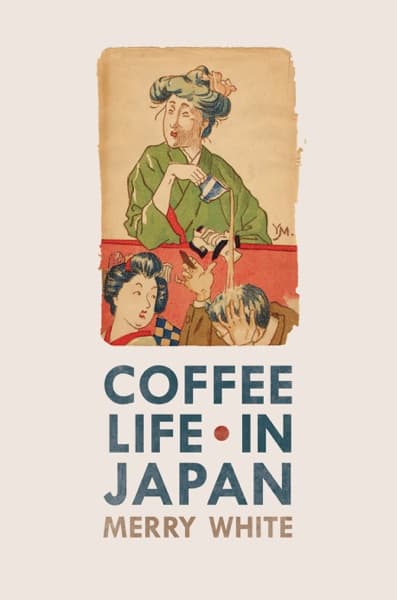
Coffee Life in Japan
Merry White
Coffee in Japan is shown as a political economy story: imported beans, shifting preferences, and everyday consumption tied to global inequality.
Importing nations turn global flows into local power.
White follows how a major importing nation makes sense of coffee, revealing how global flows become local meanings and power relations. It matters because global politics of coffee is not only about producers, but also about consumption, institutions, and dependence.
Coffee and Power
Jeffery M. Paige
Coffee becomes a framework for understanding elites, democracy, and state formation, not merely a crop history.
Coffee elites shape the rules of democratic struggle.
Paige centers coffee elites and their relationship to institutions, conflict, and democratic struggle. For global coffee politics, this is valuable because it shows how a commodity can organize political coalitions and legitimacy.
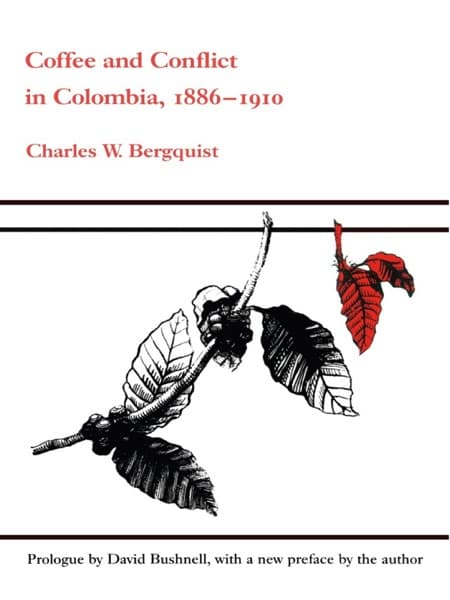
Coffee and Conflict in Colombia, 1886-1910
Charles W. Bergquist
Colombia’s early coffee boom is traced as a driver of conflict and state consolidation, where expansion and violence reinforce each other.
Coffee expansion can consolidate state power through conflict.
Bergquist links coffee expansion directly to political outcomes, including how power consolidates in the wake of commodity growth. If you want coffee history to explain politics on the ground, this delivers a concrete case study.
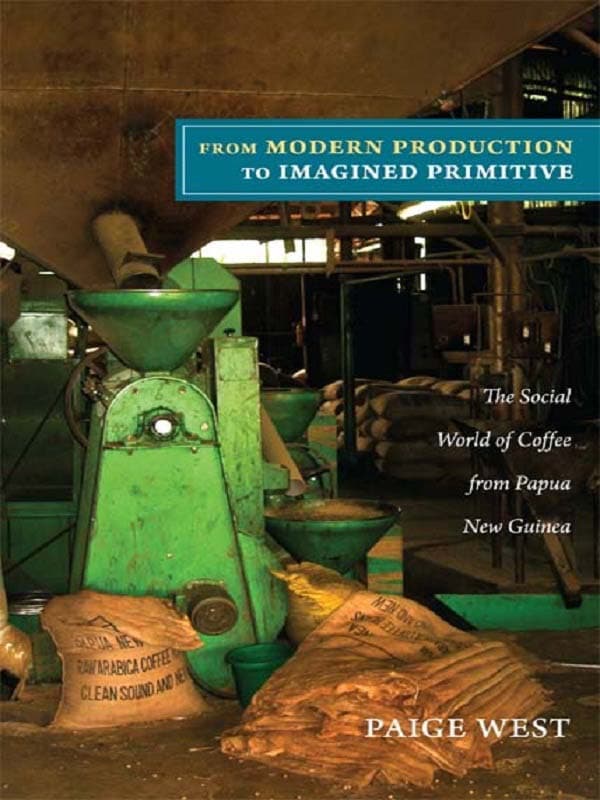
From Modern Production to Imagined Primitive
Paige West
Certification and “quality” become political technologies that repackage inequality as tradition and culture.
Certification can convert inequality into “authenticity.”
West examines how coffee is made legible through modern production standards and contested narratives of authenticity. This matters for the global politics of coffee because branding, labels, and certification reshape bargaining power and moral authority.
Commodity power is political power in disguise.
Coffee
Jonathan Morris
A tight expert sweep shows coffee’s global significance as a historical force linking markets, migration, and political change.
Coffee politics emerges from markets plus history.
Morris gives you a compact lens on coffee’s worldwide role, useful when you want the big-picture politics without getting lost in archival detail. It supports broader global political questions by grounding them in the commodity’s history.

The Devil's Cup: A History of the World According to Coffee
Stewart Lee Allen
Coffee is narrated as a thread through revolutions and global commerce, making world politics feel personal and immediate.
Coffee’s world history runs through commerce and revolt.
Allen’s accessible storytelling still connects the bean to power: how trade and demand pull people and governments into the same orbit. It’s a strong starting point when you want global coffee politics to read like a living history.
Can we tailor this list for you?
Type your question in the bar below and the AI will tailor a fresh set of picks just for you.