Best Books for Aspiring Coffee Shop Owners and Entrepreneurs
Aspiring coffee shop owners usually struggle between great coffee and repeatable operations. These picks from Colin Harmon, Tom Matzen, and Scott Rao give you the owner lens plus the hospitality and business systems to make it stick.
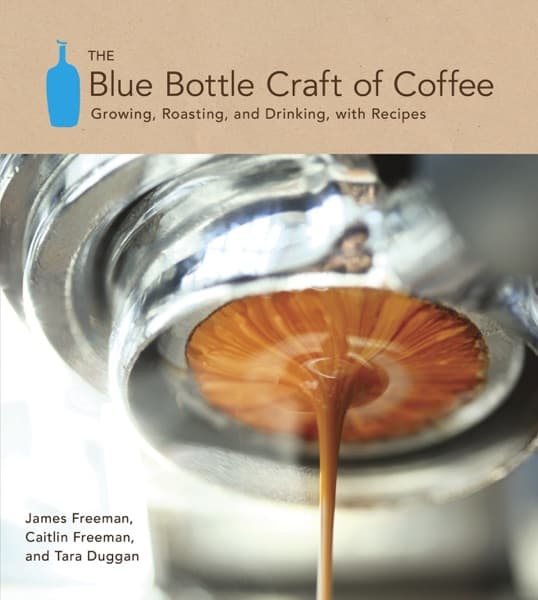
The Blue Bottle Craft of Coffee
James Freeman, Caitlin Freeman, Tara Duggan
Finish with a calmer owner mindset: service, staffing, and the small daily choices that keep a coffee shop steady.
Owner mindset beats heroics during busy shifts.
Harmon translates on-the-ground realities into practical owner decisions: how to run shift coverage, protect service quality, and maintain standards without burning out. For a new shop, that clarity matters because coffee people often underestimate the operational friction that determines whether the business survives.
Setting the Table
Danny Meyer
Transform guest experience into a deliberate culture: small service choices become your competitive advantage.
Culture is built through service standards and accountability.
Meyer reframes hospitality as an operational discipline, grounded in how you design service rhythms and responsibility. For coffee shop entrepreneurs, the impact is direct: the “coffee experience” is mostly service experience, and this gives you language and principles to run it well.
The E-Myth Revisited
Michael E. Gerber
Escape the trap of working in your shop: turn your business into a system you can operate like a machine, not a mood.
Franchise thinking forces repeatable operations.
Gerber clarifies the difference between the technical specialist and the business owner, then pushes you to document repeatable processes. That matters for aspiring owners who otherwise get stuck covering every shift and making every decision themselves.
The Lean Startup
Eric Ries
Replace big bets with learning cycles: test your coffee concept, measure the signal, and iterate before you scale mistakes.
Build-measure-learn makes assumptions measurable.
Ries offers a framework for validating ideas through experiments rather than assumptions, which is crucial when a coffee shop’s costs can pile up fast. For entrepreneurs, this helps you treat menu, location fit, and service flow as hypotheses you can test.
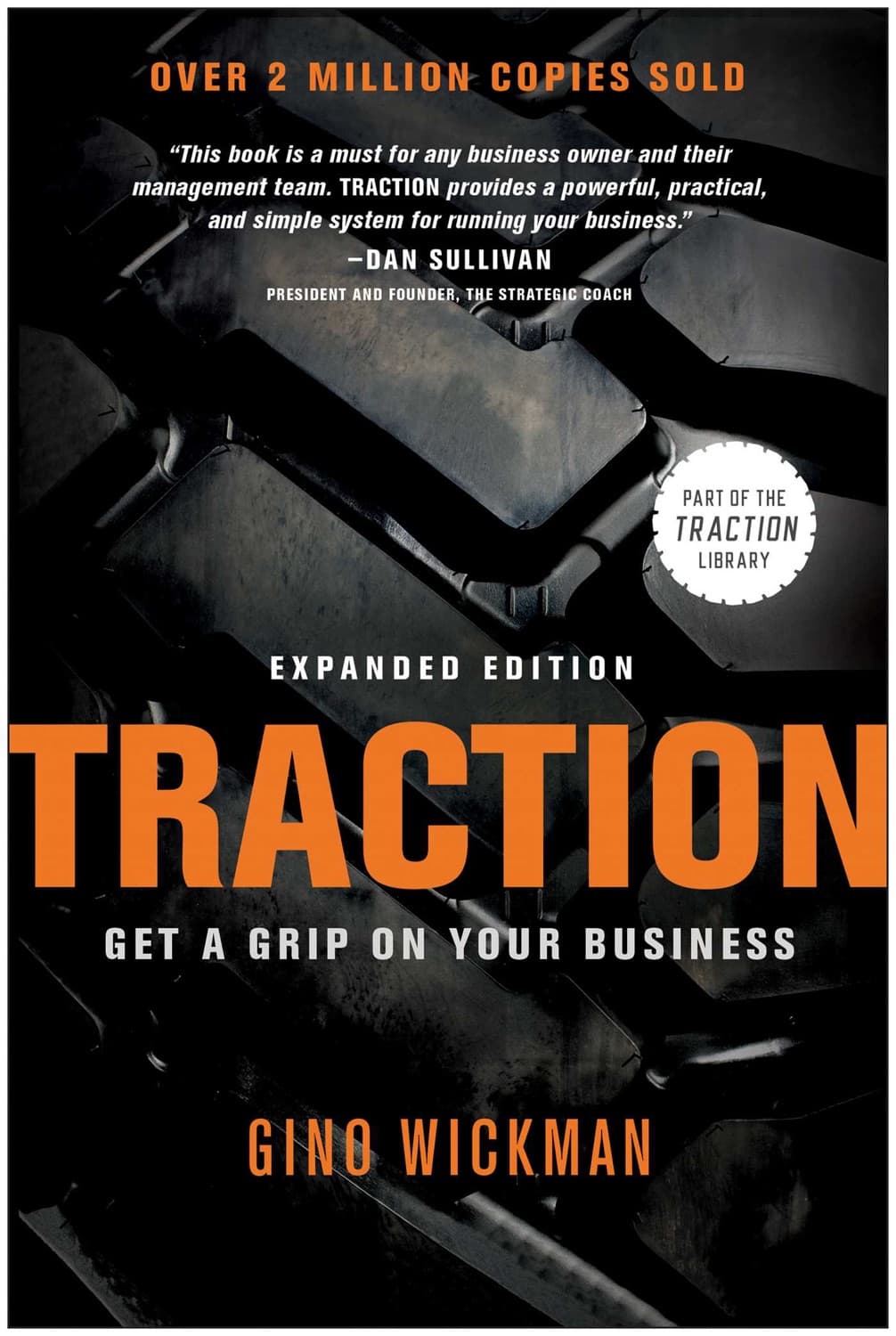
Traction
Gino Wickman
Get out of the fog: define who owns what, so execution stops depending on willpower and starts depending on accountability.
Rocks-and-cadence accountability creates consistent execution.
Wickman’s operating system helps founders clarify roles, set priorities, and run execution rhythms that keep plans from dying in discussion. If you are launching a coffee shop, that structure helps your daily operations and growth plans stay aligned.
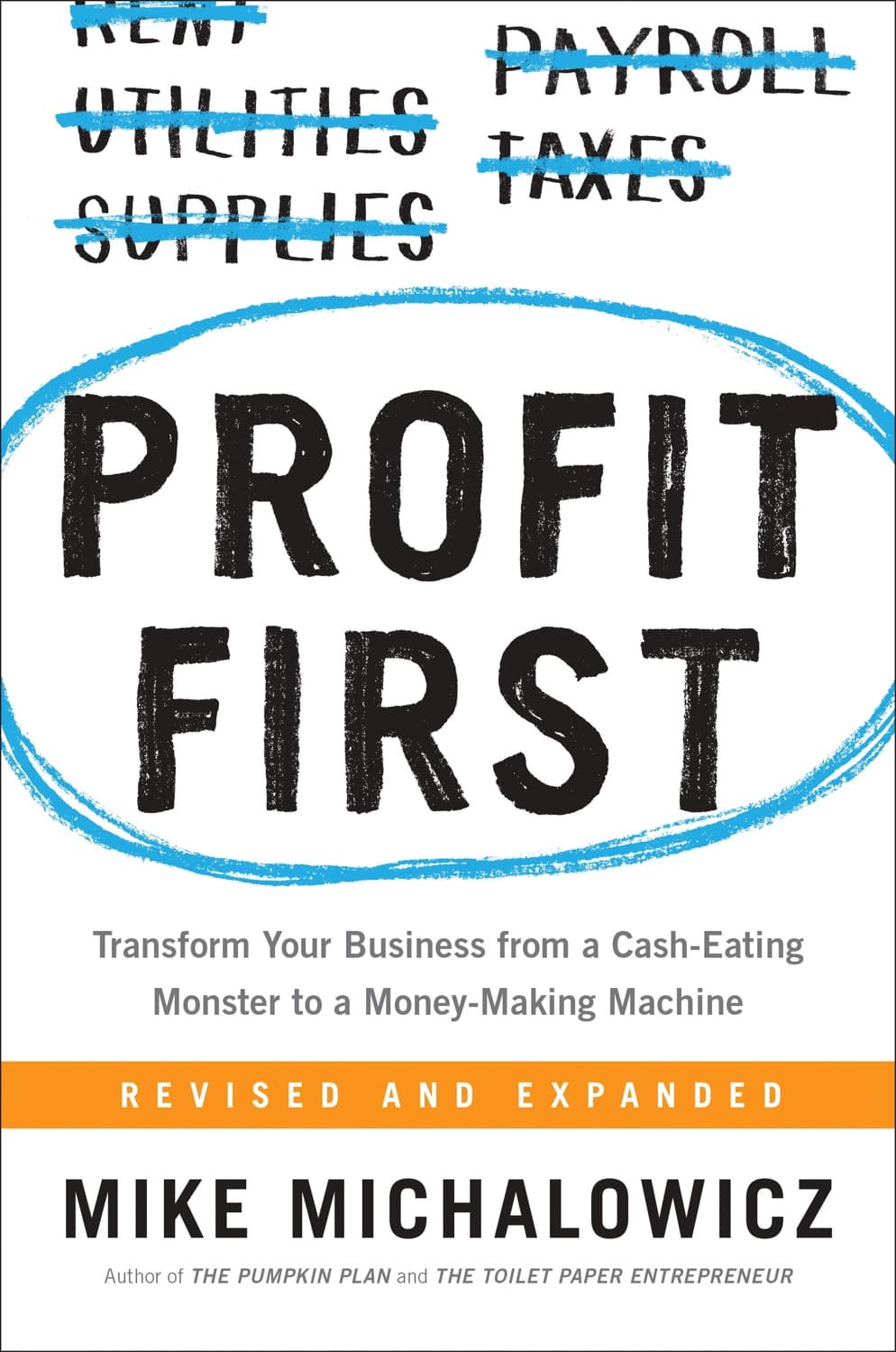
Profit First
Mike Michalowicz
Make cash flow boring and reliable: manage income by allocating it to profit first, then operating expenses.
Pay yourself profit first using separate accounts.
This framework targets the reality that thin-margin food businesses can fail without warning even when sales look fine. For aspiring coffee shop owners, it is a disciplined way to fund rent, payroll, and growth without getting trapped by “just cover the month” thinking.
Culture is built through service standards and accountability.
Uncommon Grounds
Mark Pendergrast
Coffee history becomes strategy: understand how supply chains, industry decisions, and incentives shaped what you taste today.
Industry incentives shape coffee culture.
Pendergrast goes beyond brewing to explain the forces that drive coffee markets, brands, and standards. That matters for entrepreneurs because the coffee you source, price, and market is shaped by these systems, not only by craftsmanship.
Can we tailor this list for you?
Type your question in the bar below and the AI will tailor a fresh set of picks just for you.