Best Slow-Burn Political Thriller Books
For slow-burn political thrillers, these picks deliver patient espionage and institutional dread with tension that tightens over time, not instant explosions.
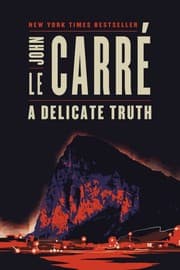
A delicate truth
John le Carré
By the end, a single compromised file feels heavier than any gunfight: loyalty collapses in slow motion, inside offices, not streets.
Trust is a currency that always depreciates
Le Carré turns corporate-state collusion into a pressure system where motives unravel gradually and every contact has a second agenda. That pacing fits a slow-burn thriller craving: you start by trusting the surface, then watch the political truth seep through.
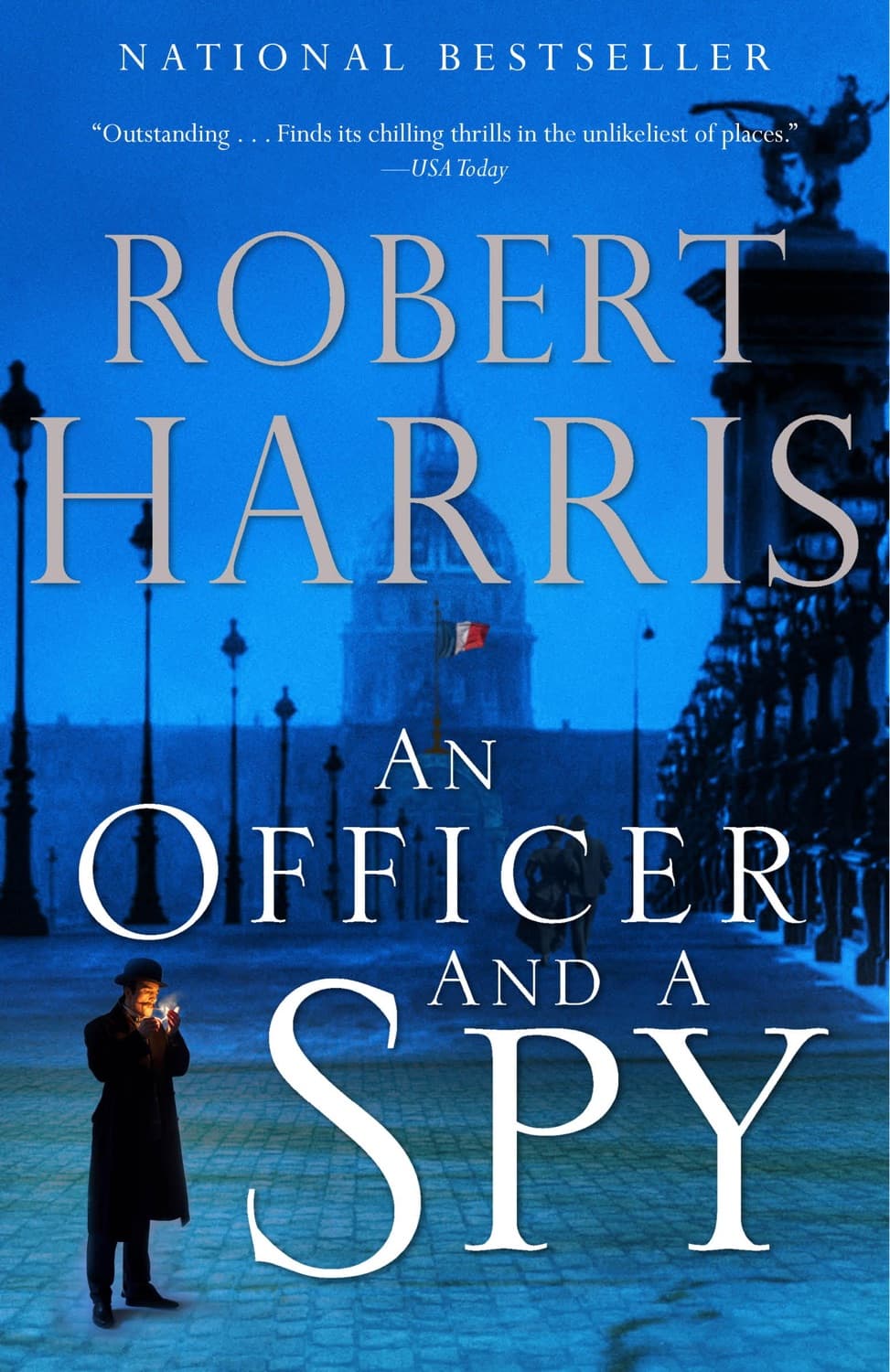
An Officer and a Spy
Robert Harris
A courtroom-adjacent political conspiracy is paced like an intelligence operation: each clarification narrows the air until silence becomes incriminating.
Evidence gains meaning after the narrative is set
Harris builds institutional dread through methodical process, making politics feel like something that moves by memos, mistakes, and controlled narratives. For slow-burn readers, the tension comes from the sense that the system already knows the ending, and is waiting for you to notice.
The Human Factor
Graham Greene
One bureaucratic decision quietly reroutes lives, turning moral compromise into a cascading, almost inevitable disaster.
The cost of principles is paid in people
Greene keeps it readable while letting the politics tighten around a single human vulnerability, so the thriller effect builds from character pressure rather than chase scenes. If you want slow-burn suspense, this shows how ideology and duty can slowly misalign until the damage feels personal and irreversible.
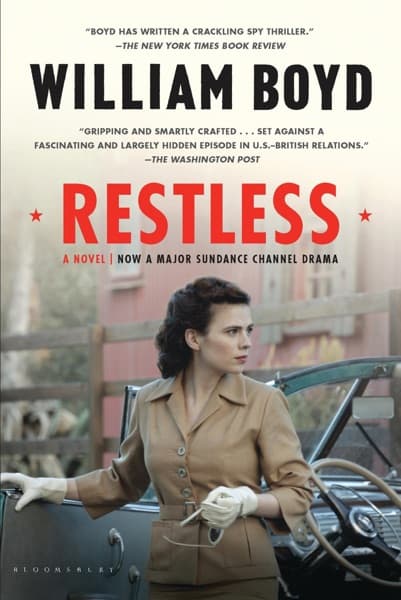
Restless
William Boyd
A spy career reads like a long weather front: you feel history approach, and then it finally breaks against the protagonist’s private life.
The past arrives through habits and loyalties
Boyd uses a smooth, character-driven drift that turns political revelations into lived experience, not exposition dumps. The slow burn comes from accumulation: relationships, ideals, and betrayals stack until the political picture can no longer be avoided.
The Accident
Chris Pavone
A publishing-world setup becomes a world-scale political consequence story, where the real danger is plausible and procedural.
A credibility machine is a weapon
Pavone’s suspense grows out of how stories get greenlit, edited, and weaponized, translating politics into systems that can be gamed. That makes it a good fit for slow-burn political thrillers: the stakes expand steadily, and the plot never forgets consequences.

The Sympathizer
Viet Thanh Nguyen, Francois Chau
A double identity forces every scene to carry two versions of the same truth, and the political stakes become unbearable in hindsight.
Lies are also maps: they show where you’re trapped
This novel keeps suspense simmering through psychological tension and ideological conflict, so the political thriller element arrives through internal pressure as much as external events. If you like slow burn, the transformation is that you stop reading events as plot and start reading them as moral arithmetic.
Evidence gains meaning after the narrative is set
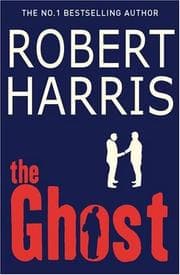
The Ghost
Robert Harris
A ghostwritten memoir becomes a controlled demolition, where the real plot is who gets to author history and when.
Writing history is a form of violence
Harris uses the idea of political narration as a mechanism for buried crimes and international manipulation, unfolding slowly as evidence and motives surface. It matches slow-burn tension because revelations arrive through investigation and consequence rather than spectacle.
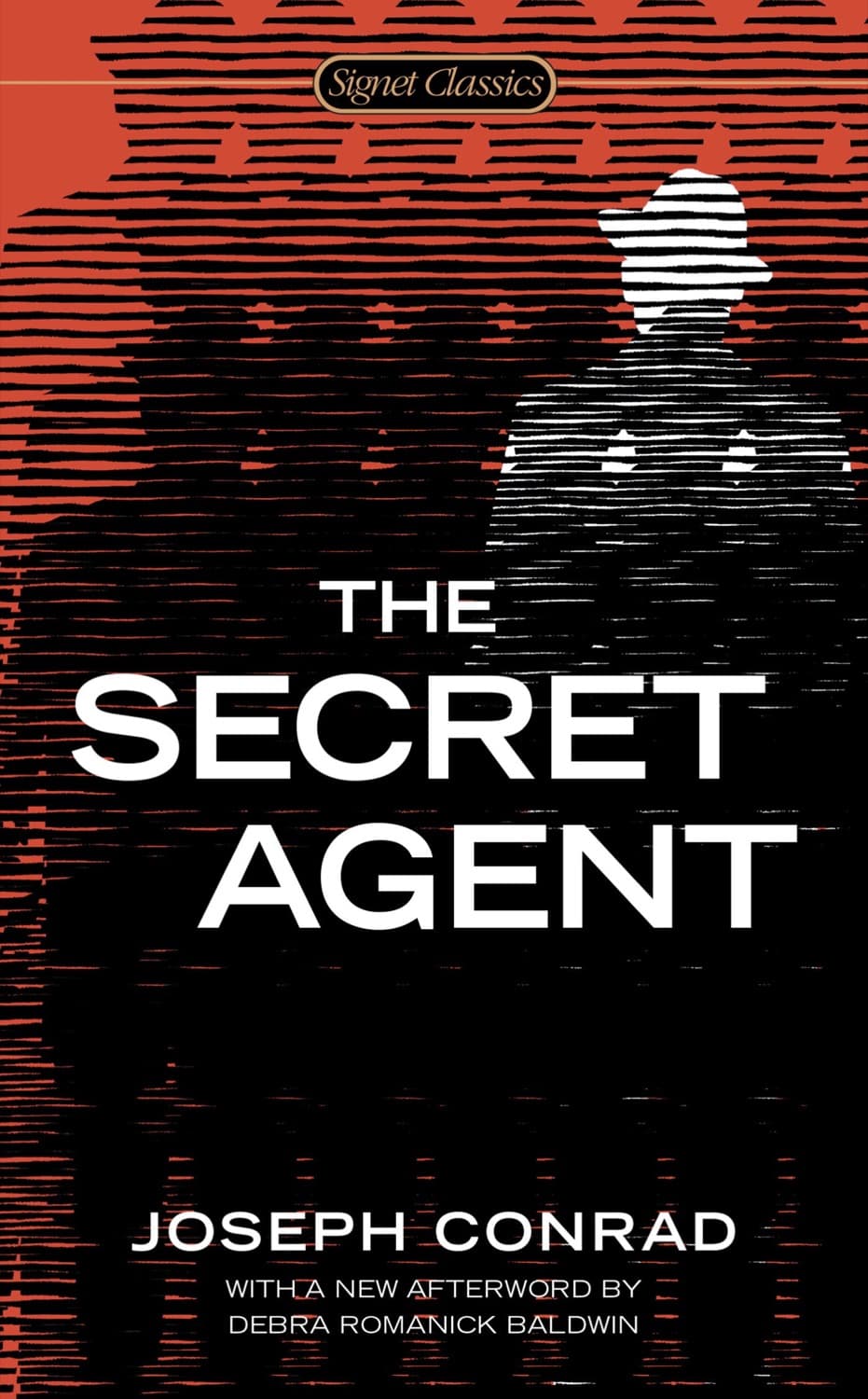
The Secret Agent
Joseph Conrad
Bureaucratic paranoia and surveillance creep so steadily that the city feels complicit, like everyone is waiting to be used.
Chaos is often administered, not spontaneous
Conrad turns anarchist politics into a compact study of institutional confusion, where surveillance and misdirection thicken the atmosphere. The slow-burn feel is built into the dread: you begin with events, then realize the system itself is the antagonist.
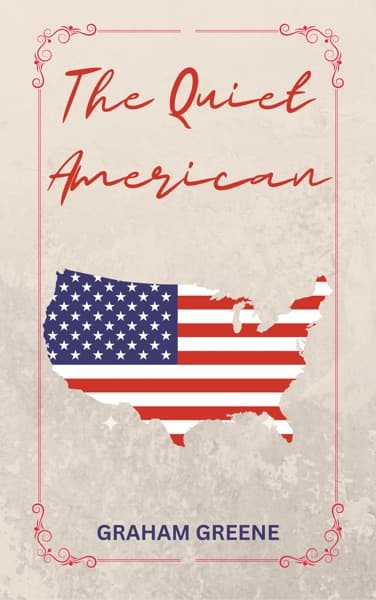
The Quiet American
Graham Greene
Beneath polite conversation, ideology does the strangling: innocence, arrogance, and betrayal collide with quiet inevitability.
Ideology makes good intentions lethal
Greene delivers colonial intrigue powered by belief and misrecognition, letting political conflict simmer until it becomes intimate. For slow-burn thriller readers, the tension is that you can feel the wrong choice before anyone says it out loud.
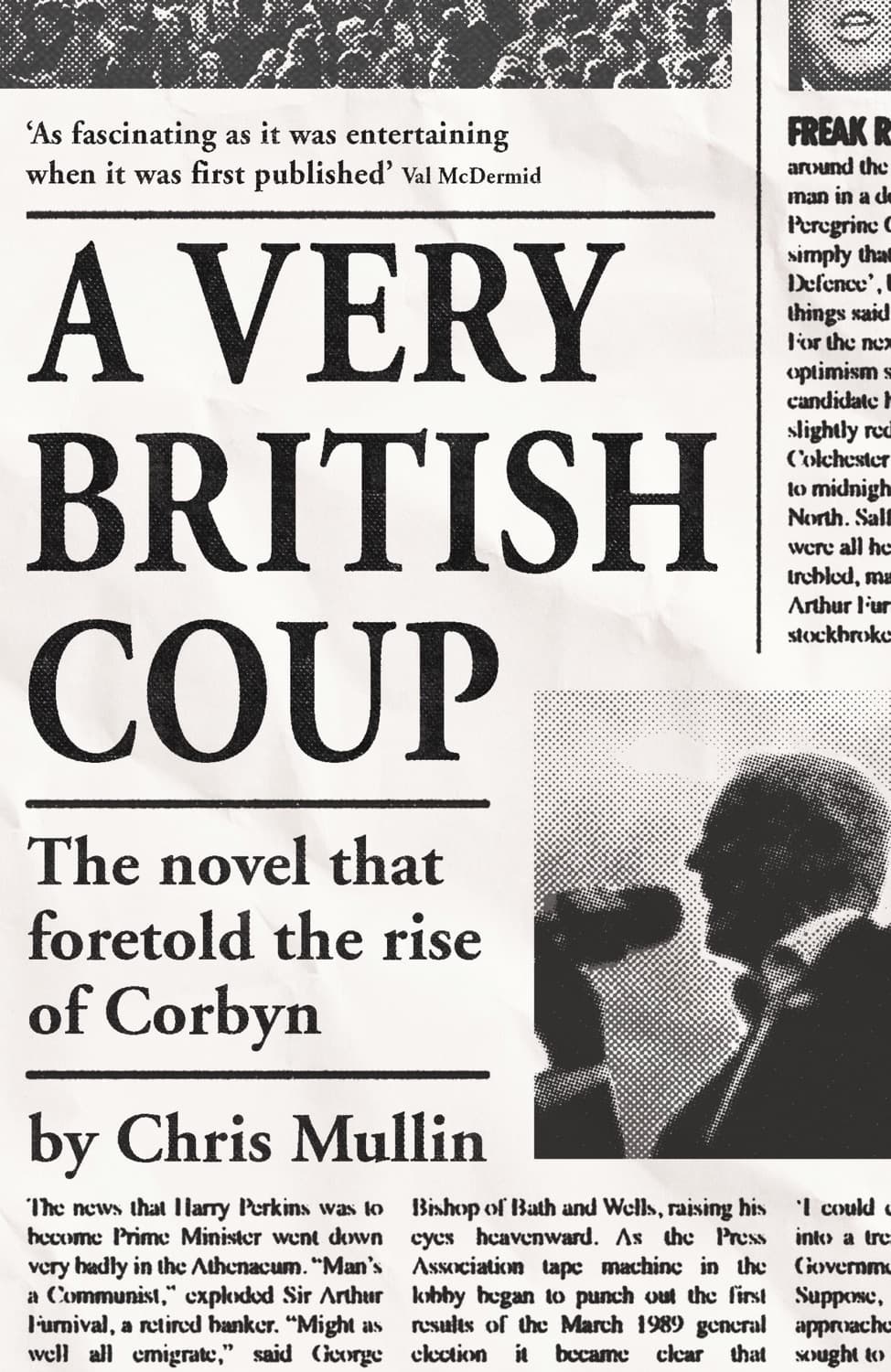
A Very British Coup
Chris Mullin
A parliamentary power struggle moves like machinery: procedure becomes weaponized force, and the coup arrives without a dramatic announcement.
Procedure is power with manners
Mullin’s suspense comes from political process under strain, with pressure, bargaining, and sabotage replacing typical action beats. If you want slow-burn thrills, the transformation is seeing how “respectable” institutions can quietly turn into coercive tools.
Can we tailor this list for you?
Type your question in the bar below and the AI will tailor a fresh set of picks just for you.