Best WWII Fiction Books
WWII fiction that stays close to the people in it: occupied-Europe tension, Resistance stakes, the war as something lived rather than narrated from a distance.
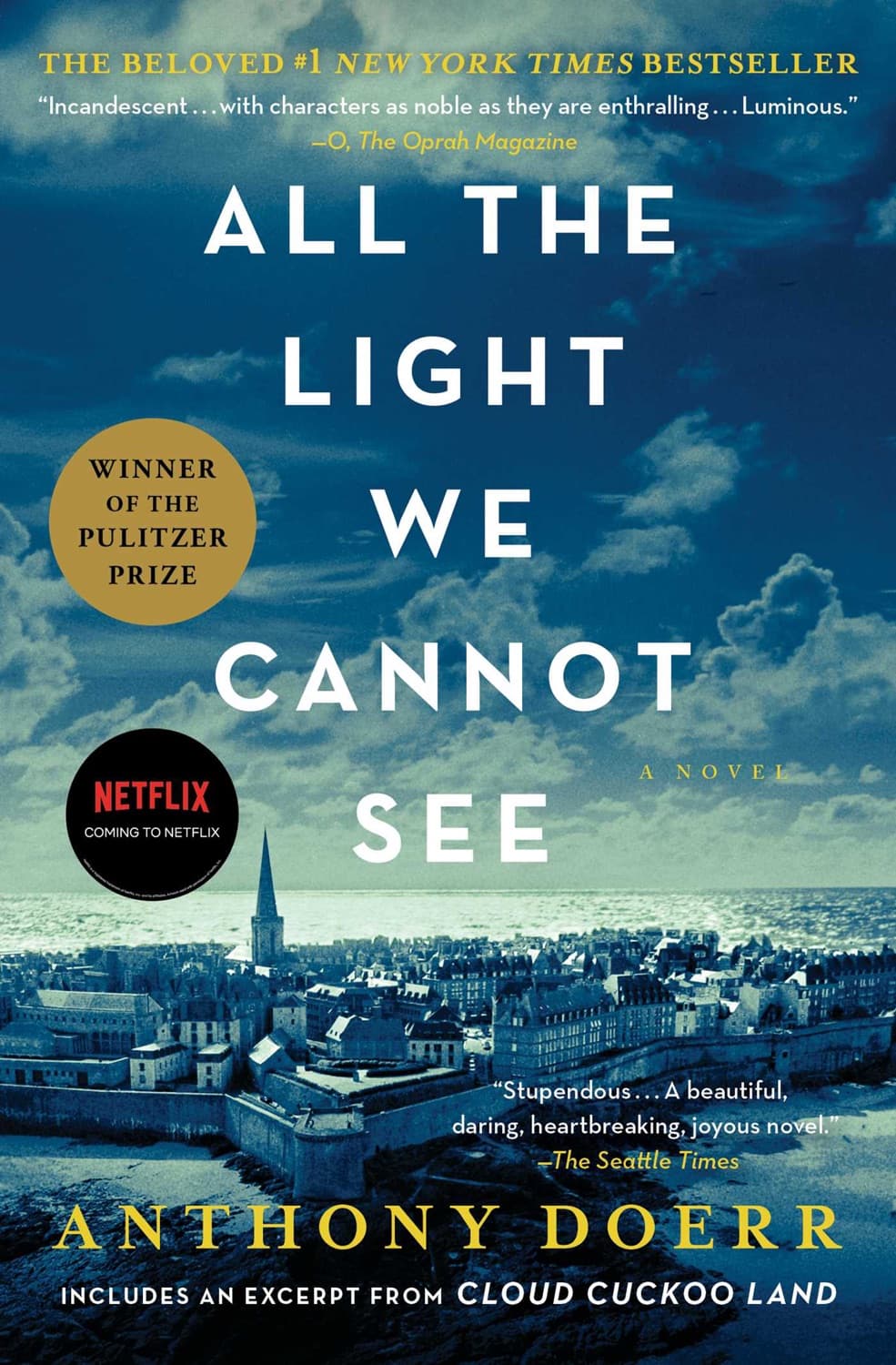
All the Light We Cannot See
Anthony Doerr
After months of bombardment, a single radio message becomes the moral hinge that steers two lives through the same narrowing map.
Focus on signals, not armies, for survival meaning.
Doerr makes WWII read like a private weather system: small sensory details accumulate into a sense of fate tightening around characters. That closeness works well if you want war tension held in the palm, not kept at battlefield scale.
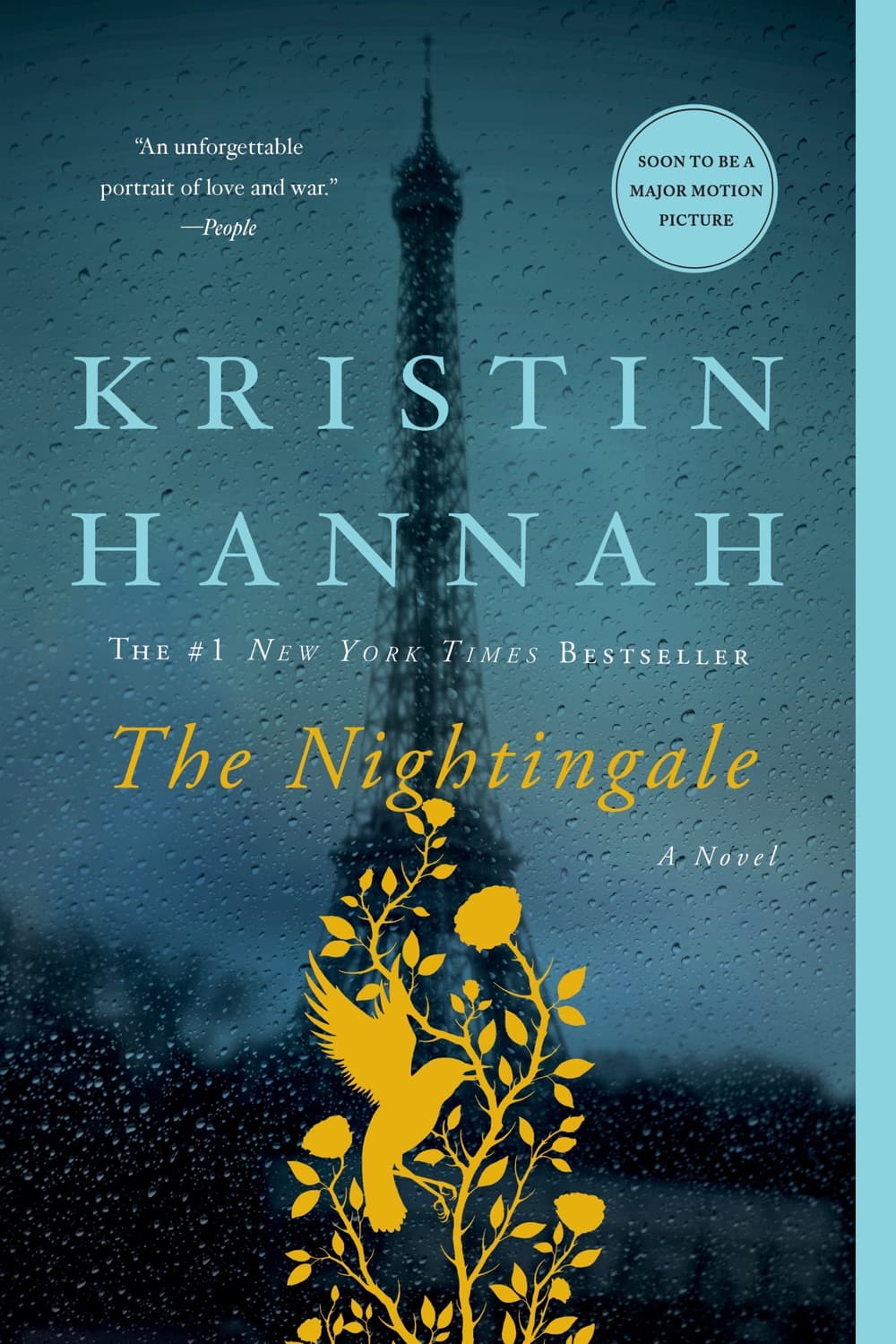
The Nightingale
Kristin Hannah
Two sisters survive occupation by swapping courage styles: one hiding in plain sight, the other burning new routes through sabotage.
Resistance often starts as a choice made small.
Hannah’s novel turns Resistance into lived emotional suspense, with the “what will it cost” question running underneath every victory. It suits WWII fiction readers who want momentum plus deep feeling, not just historical atmosphere.
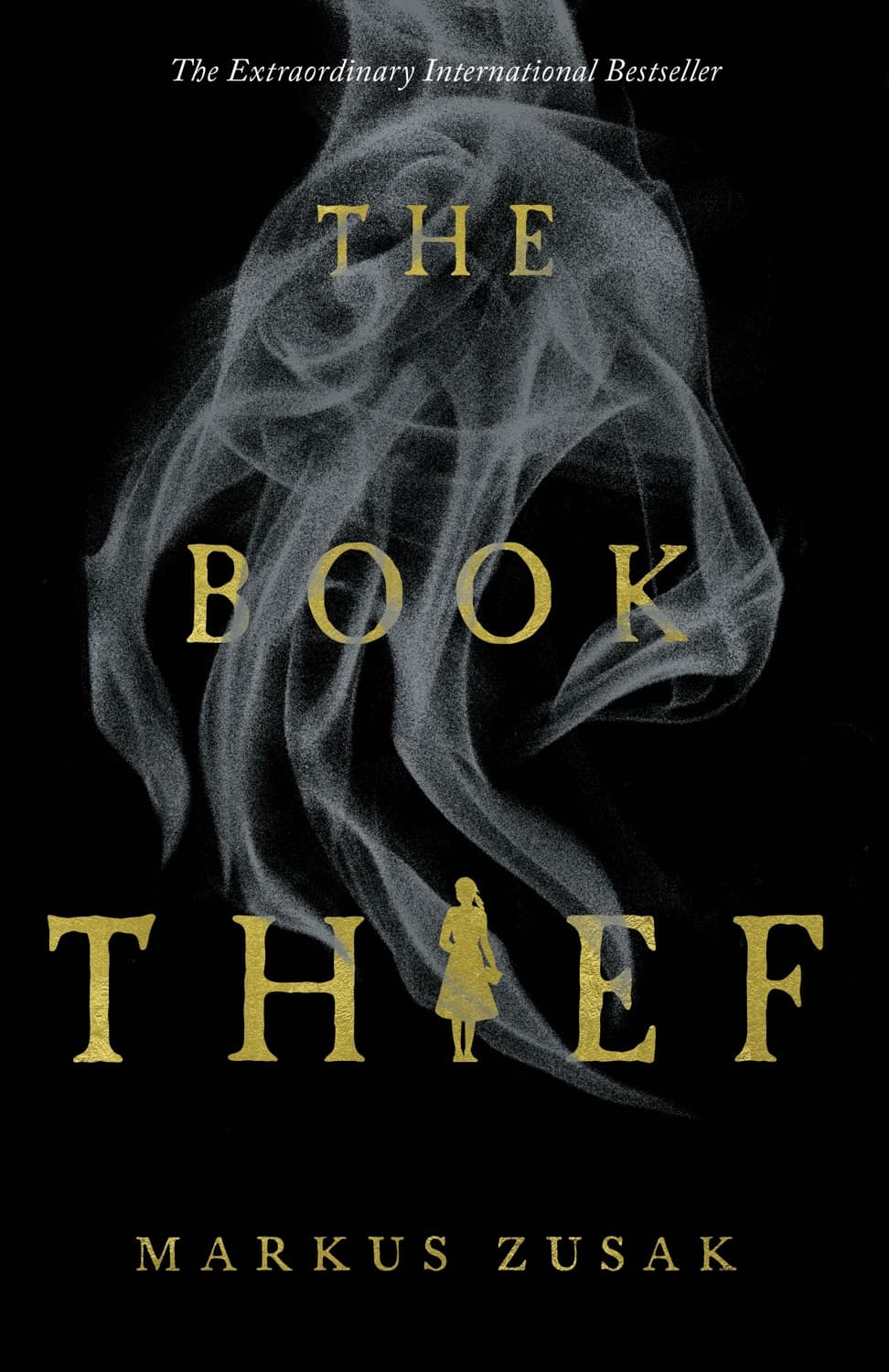
The Book Thief
Markus Zusak
In Nazi Germany, Death narrates like an eyewitness who cannot change what he records.
Even in darkness, stories fight for oxygen.
Zusak’s distinct perspective reshapes WWII into moral clarity without flattening cruelty into spectacle. If you want an approachable entry point that still lands emotionally, this lens keeps the war intimate and memorable.
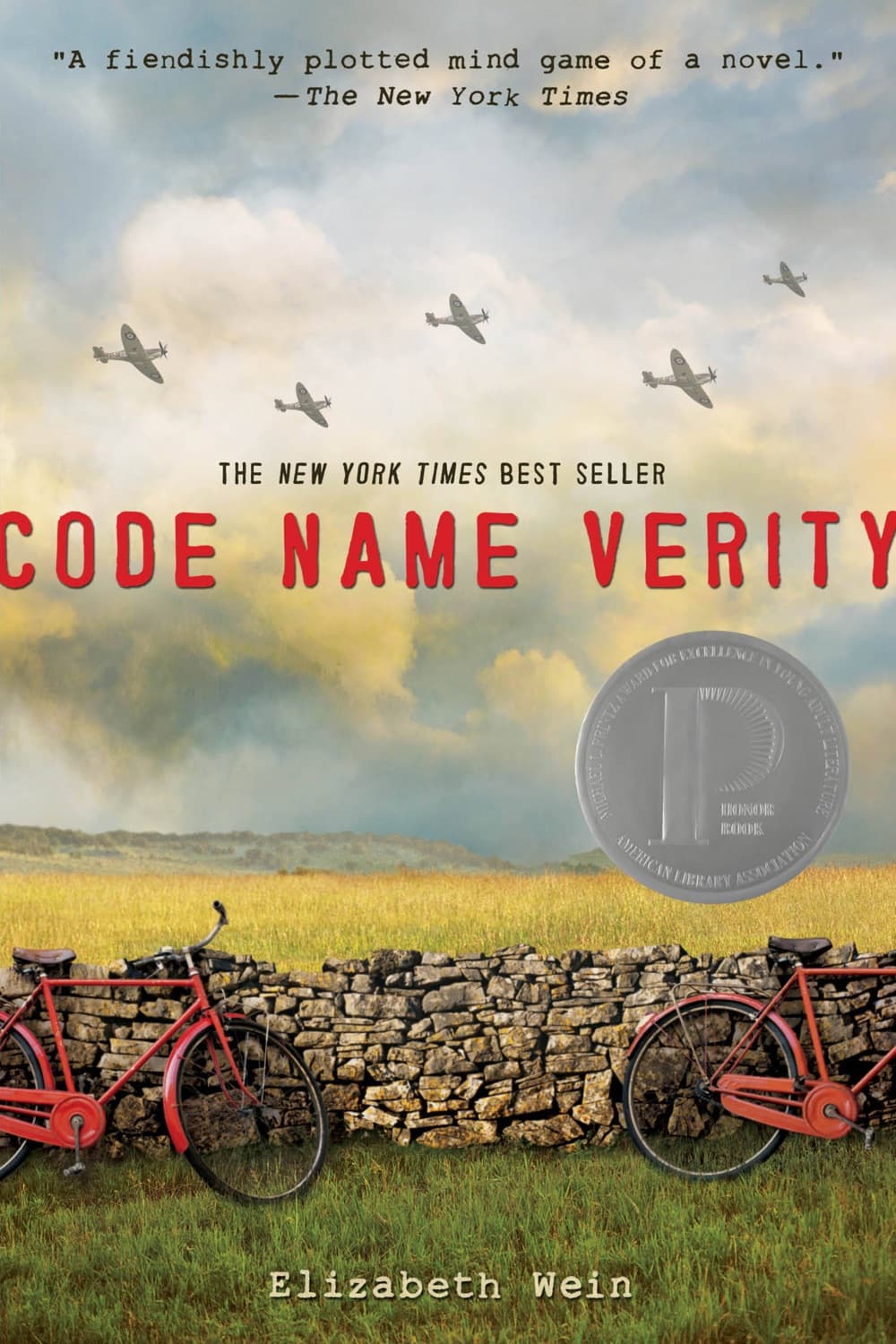
Code Name Verity
Elizabeth Wein
A captured pilot’s confession reads like a shield: friendship turns into survival technology under interrogation.
Trust is written under pressure, not before it.
Wein balances brisk espionage stakes with the ache of loyalty, so the suspense keeps tugging while character bonds deepen. It fits newer historical-fiction readers who want page-turn momentum without losing emotional weight.
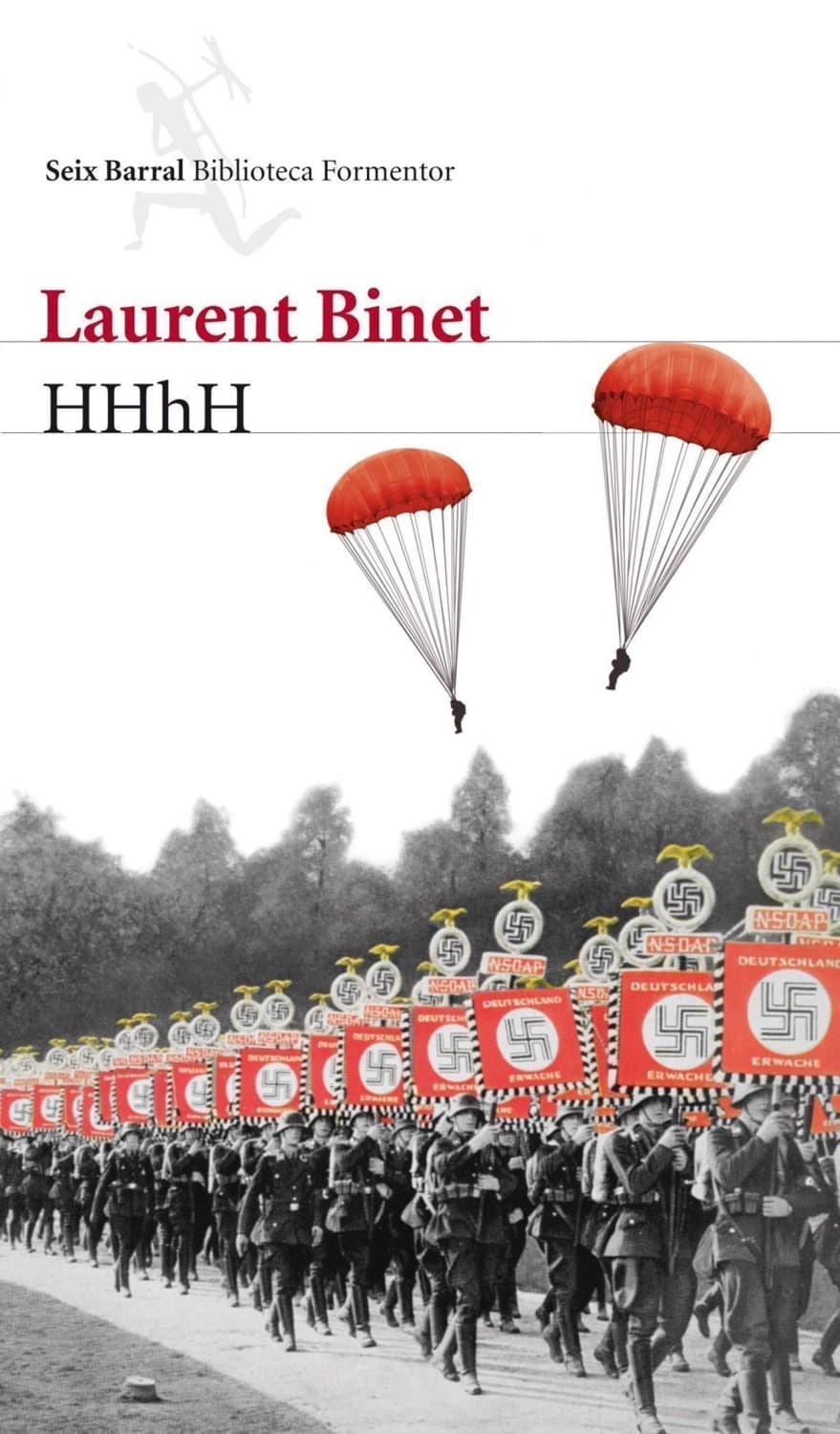
HHhH
Laurent Binet
A novelist’s search for truth collides with the Heydrich assassination: the book keeps showing you how memory gets curated mid-story.
Reconstructing the past is its own battlefield.
Binet’s metafictional method makes WWII feel newly uncertain, not sealed in official history. That matters if you want the war’s meaning interrogated, not merely reenacted.
Life After Life
Kate Atkinson
Ursula Todd keeps dying, then re-enters her life: the war becomes a series of altered chances rather than a single line.
A life can change when one branch survives.
Atkinson offers a fresh WWII angle by treating survival as pattern recognition across repeated outcomes. If you want transformation over timeline chronology, this reframes history as what choices allow.
Resistance often starts as a choice made small.
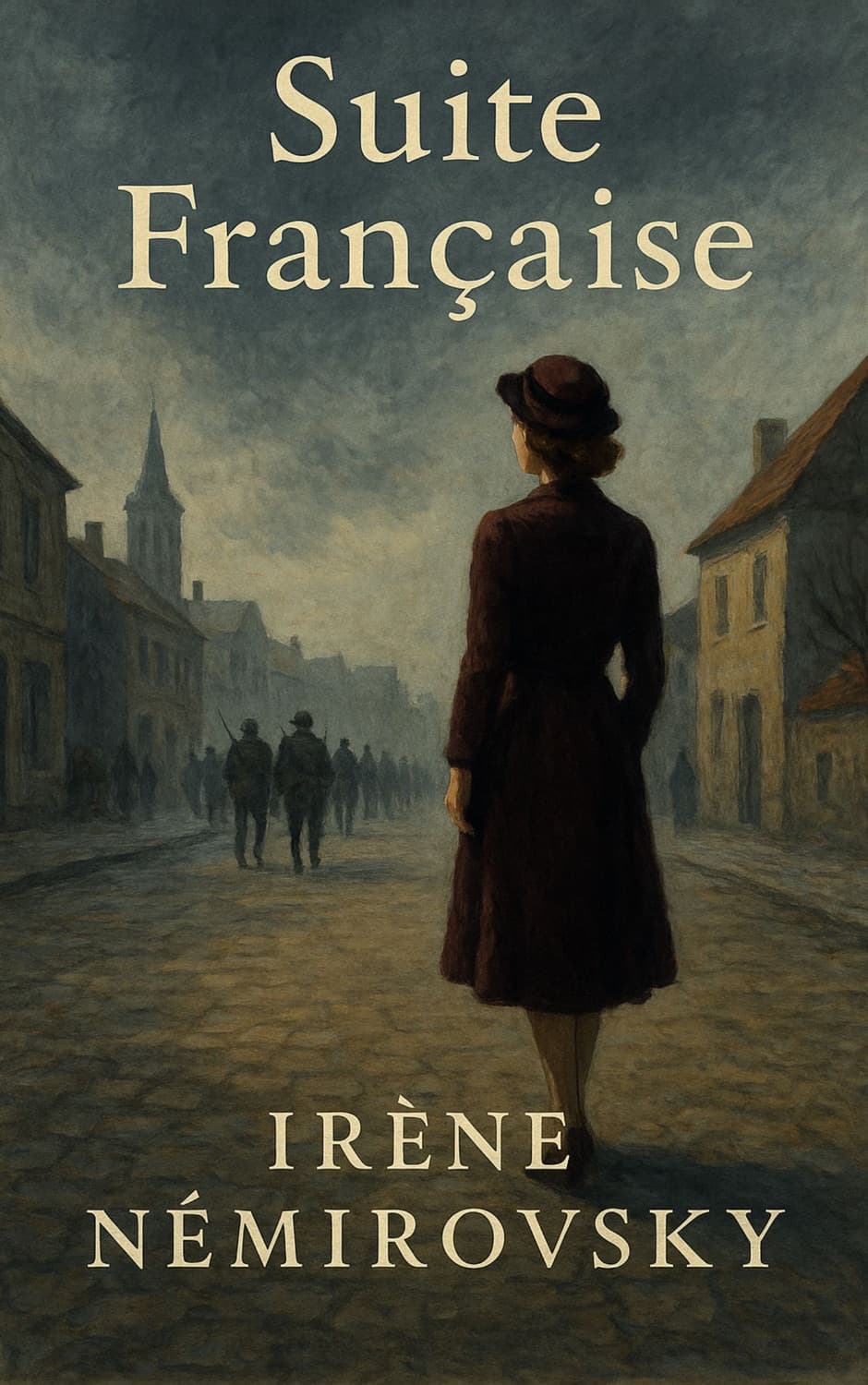
Suite française
Irène Némirovsky
In occupied France, ordinary routines fracture: carts, queues, and drawing rooms become the real front line before violence fully names itself.
Occupation turns manners into strategy.
Némirovsky, writing during the war, gives a texture of immediacy that reads like contemporary witnessing. For WWII fiction readers who want social texture as much as combat, this delivers a clear, unsettling closeness.
The English Patient
Michael Ondaatje
A burned-out body triggers identity games: the war’s wreckage becomes a mystery about who survives, and who gets to tell it.
Aftermath decides the story’s truth.
Ondaatje locates WWII meaning in aftermath, secrecy, and fragile self-invention rather than the mechanics of battle. If you want wartime fiction that feels lyrical and morally slippery, this is the right emotional register.
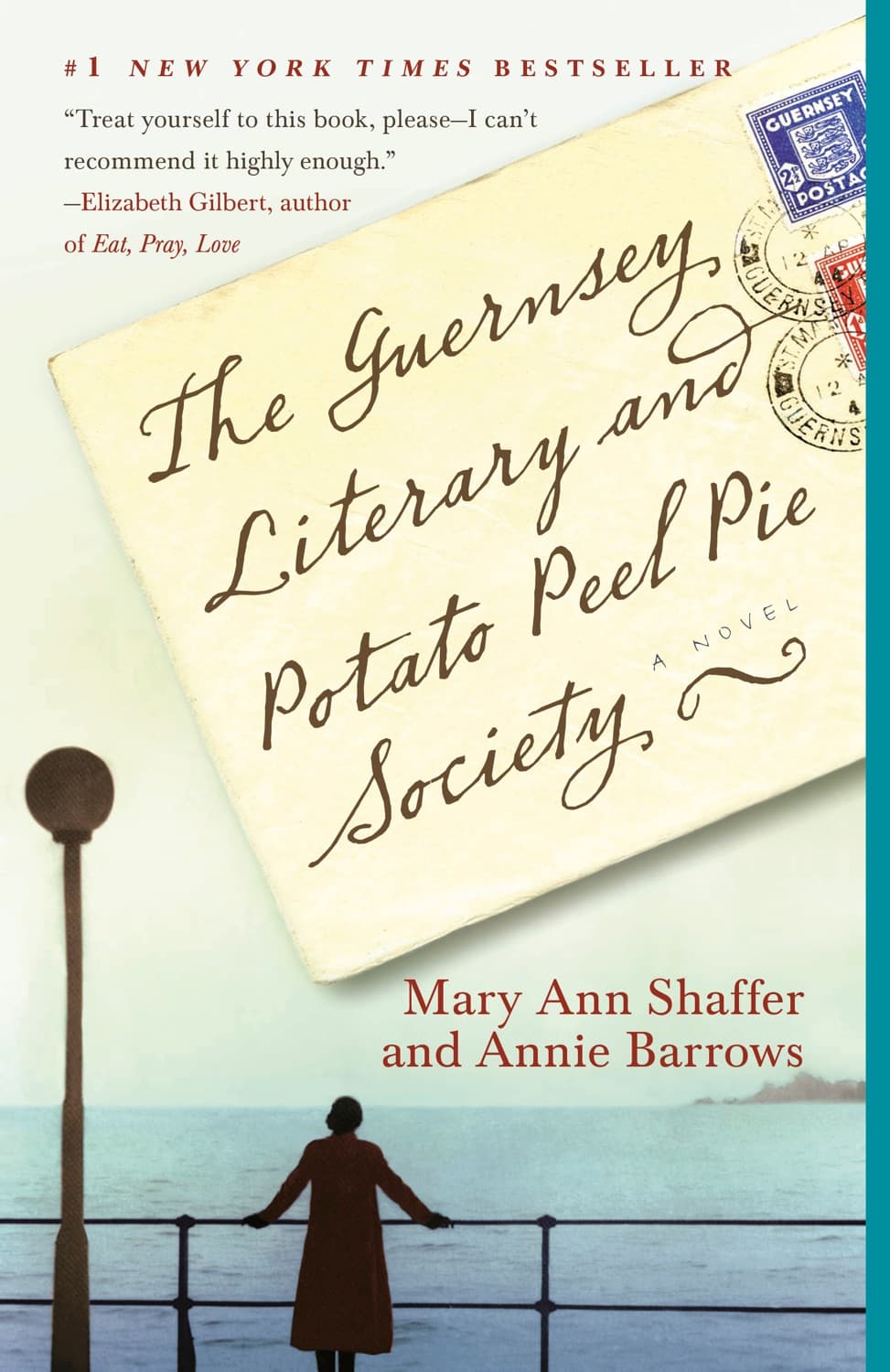
The Guernsey Literary and Potato Peel Pie Society
Mary Ann Shaffer, Annie Barrows
Letters turn rationed life into a living network: reading becomes a form of covert community during occupation.
Books can be shelter under occupation.
This novel builds suspense through everyday constraints and the quiet courage of staying connected. It suits readers who want WWII fiction with accessibility and warmth, where the threat is real but the tone remains inviting.
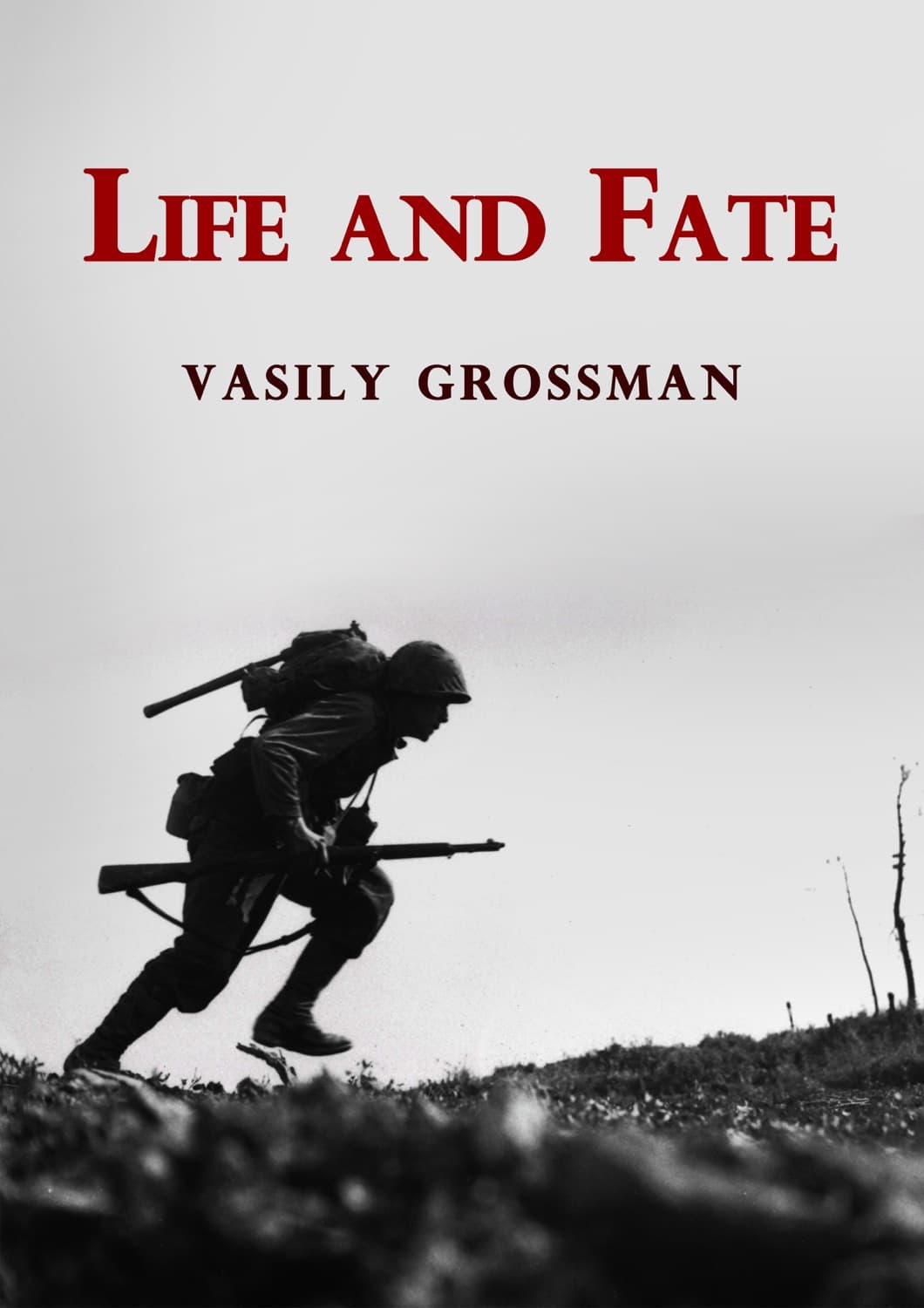
Life and Fate
Vasily Grossman
Two families across the Soviet war front reveal the same moral math: survival does not erase complicity, but it clarifies it.
Truth includes what people rationalize.
Grossman pairs battlefield breadth with penetrating moral complexity, so WWII becomes an ethical argument told through human lives. It fits if you want the war’s psychological and social consequences at full scale.
Can we tailor this list for you?
Type your question in the bar below and the AI will tailor a fresh set of picks just for you.