Best Value Investing Stories
Narrative value investing draws power from business stories and judgment: Lynch in One Up On Wall Street, Fisher’s scuttlebutt in Common Stocks and Uncommon Profits, and Damodaran in Narrative and numbers. These classics connect what a company is to what it’s worth.
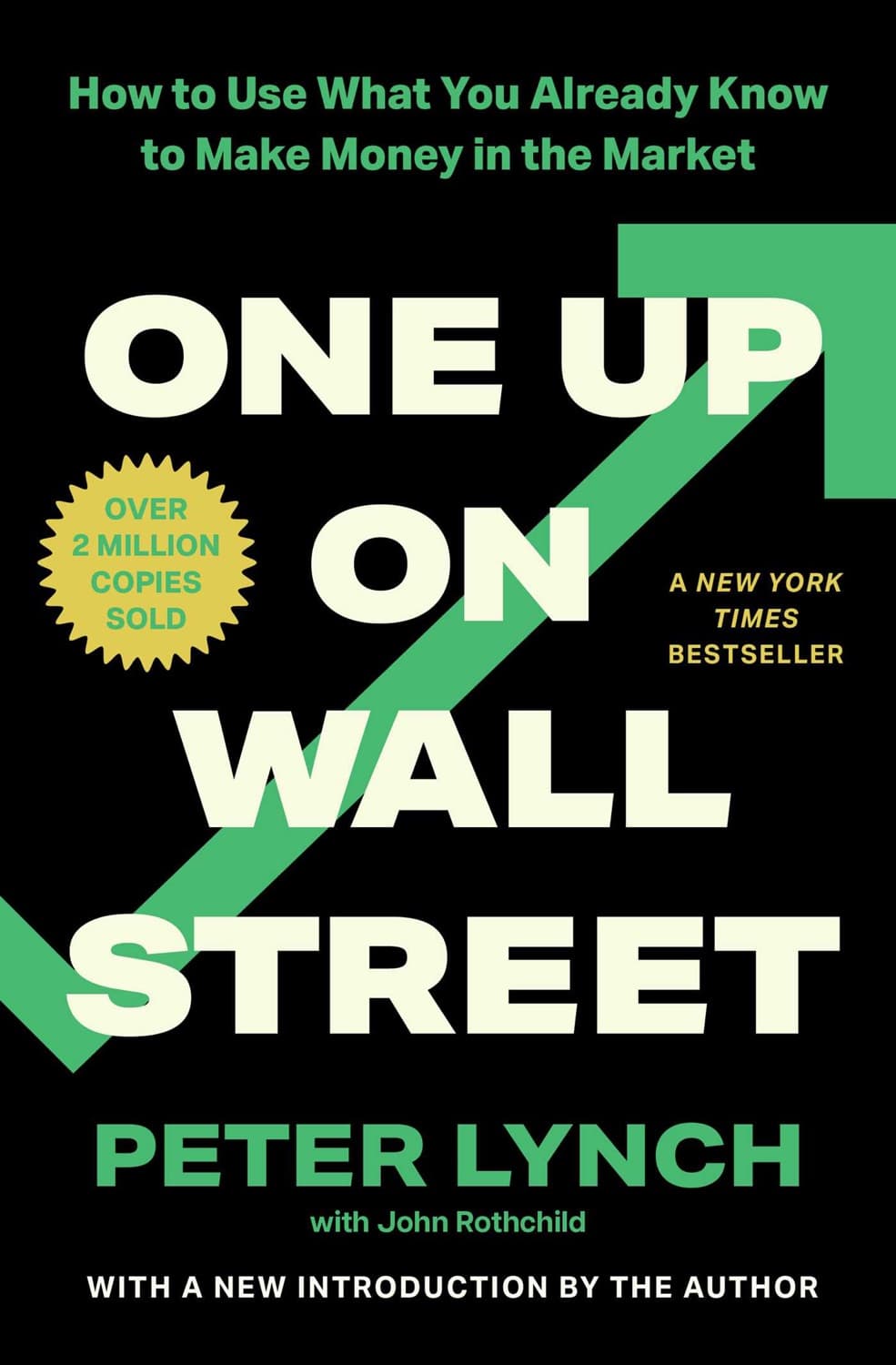
One Up On Wall Street
Peter Lynch, John Rothchild
Turn everyday observations into a repeatable habit of spotting misread businesses before the market catches up.
Invest in what you can explain clearly to others
Lynch makes narrative attention feel practical: you learn to notice what’s actually happening in a company’s world, not just trade signals. That matters for narrative value investing because the “story” has to come from real, observable facts.
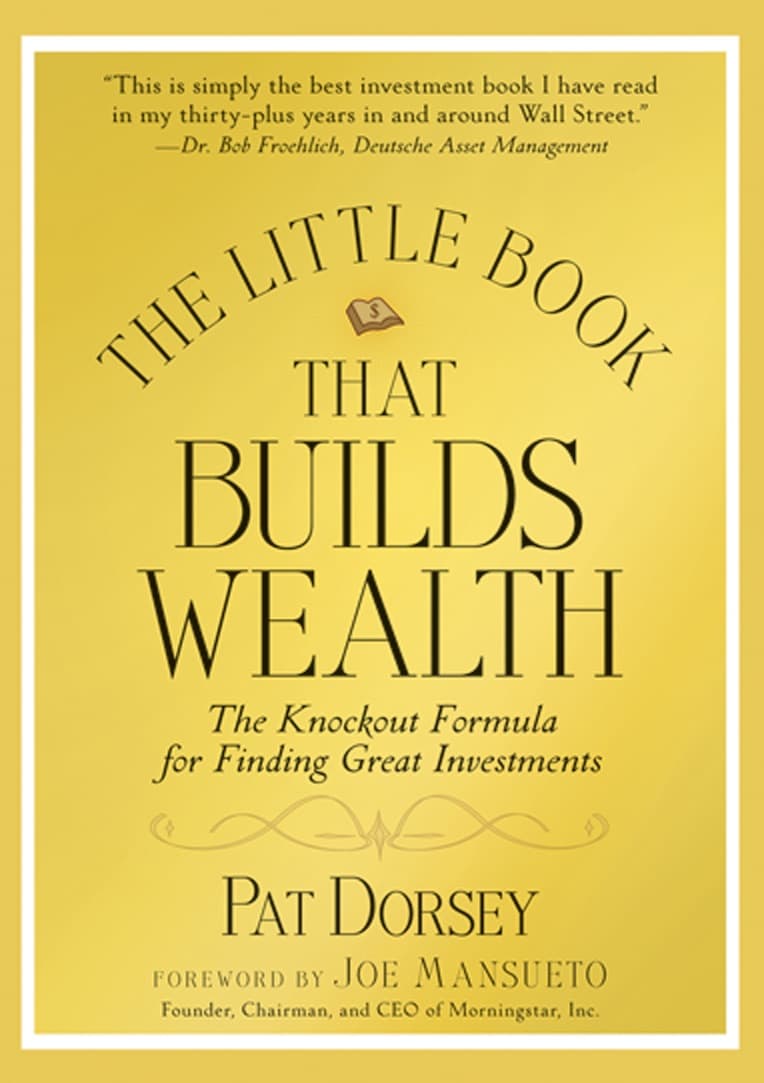
The little book that builds wealth
Pat Dorsey
Treat moats like operating realities, not marketing slogans, and let durability drive the narrative.
Moat durability beats moat excitement
Dorsey translates the idea of a durable advantage into investor language: understand how the moat protects cash generation over time. In narrative value investing, that keeps your story anchored to endurance, not a flattering near-term plot.
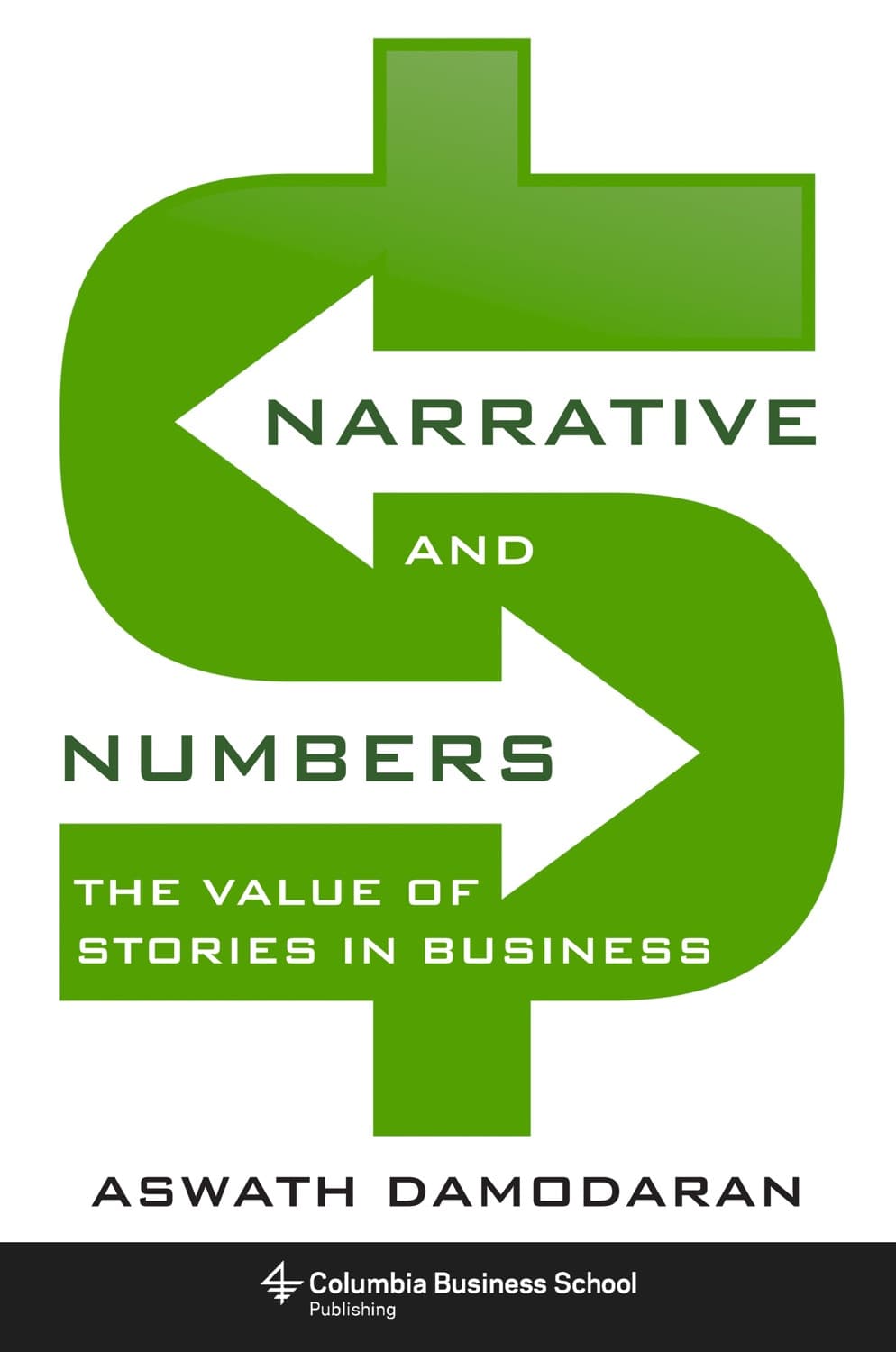
Narrative and numbers
Aswath Damodaran
Convert story claims into valuation inputs so your narrative can win or lose on the numbers.
Your valuation is only as honest as your assumptions
Damodaran is explicit about the bridge between storytelling and finance: growth, risk, and cash flows are tied to business assumptions. That’s crucial for narrative value investing because it forces your narrative to be measurable, not merely persuasive.
The Intelligent Investor
Benjamin Graham, Jason Zweig, Atsuhiro Dokō, Kazumi Masuzawa, Miwa Niimi, Warren Buffett, Yonatan Bar
Practice defensive discipline until valuation and judgment become a habit, not a reaction.
Margin of safety is the investor’s protection
Graham supplies the grounding that narrative value investing needs: margin of safety, skepticism, and a structured way to think about price versus value. When your narrative is strong, this book helps prevent it from turning into overconfidence.
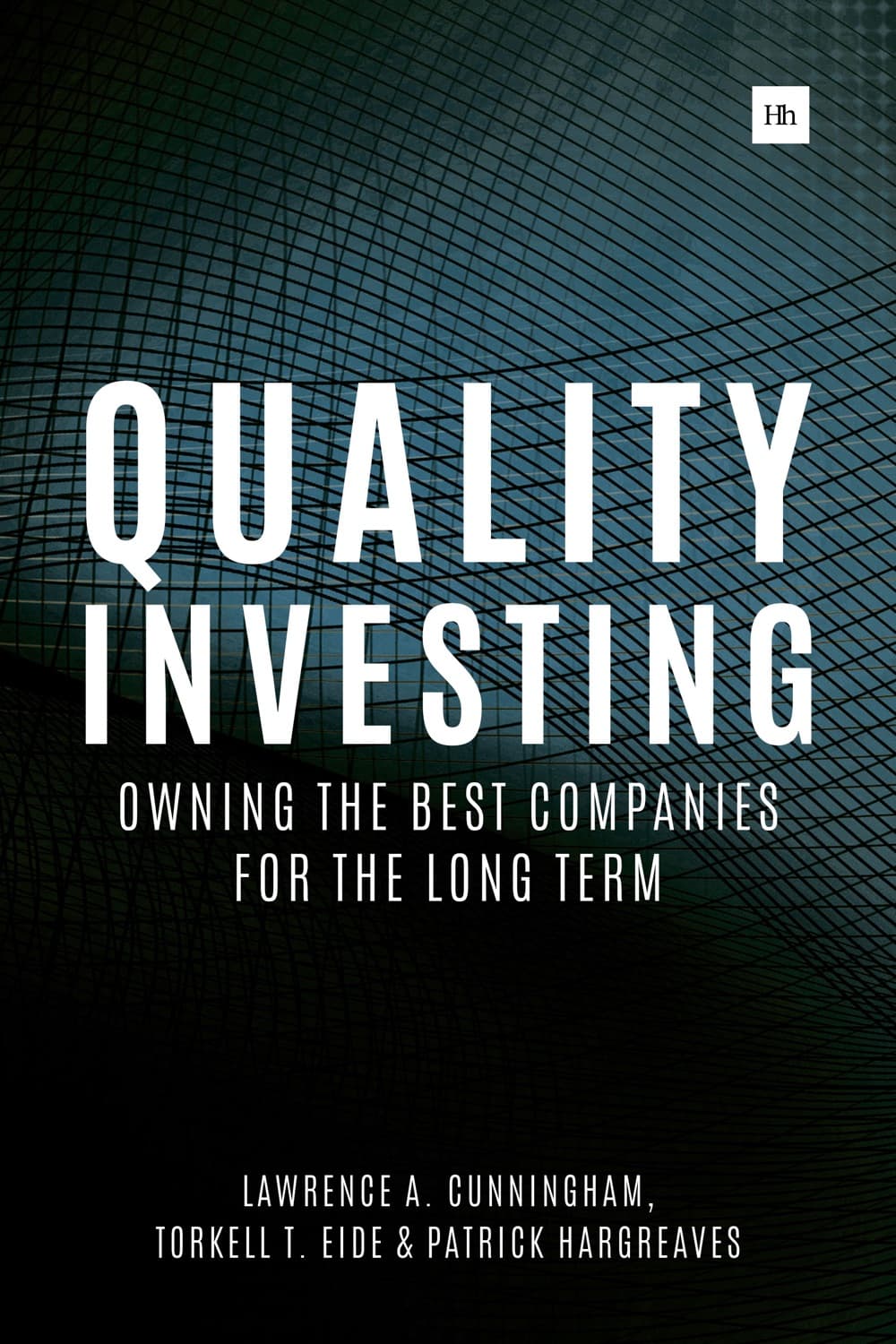
Quality Investing
Torkell T. Eide, Patrick Hargreaves, Lawrence A. Cunningham
Identify quality as evidence of durable value creation, not vibes about leadership or brand.
Quality shows up in repeatable behavior, not slogans
This book focuses on the narrative behind results: culture, incentives, reinvestment, and the systems that keep performance resilient. For narrative value investing, it helps you separate meaningful business story signals from comforting but fragile explanations.
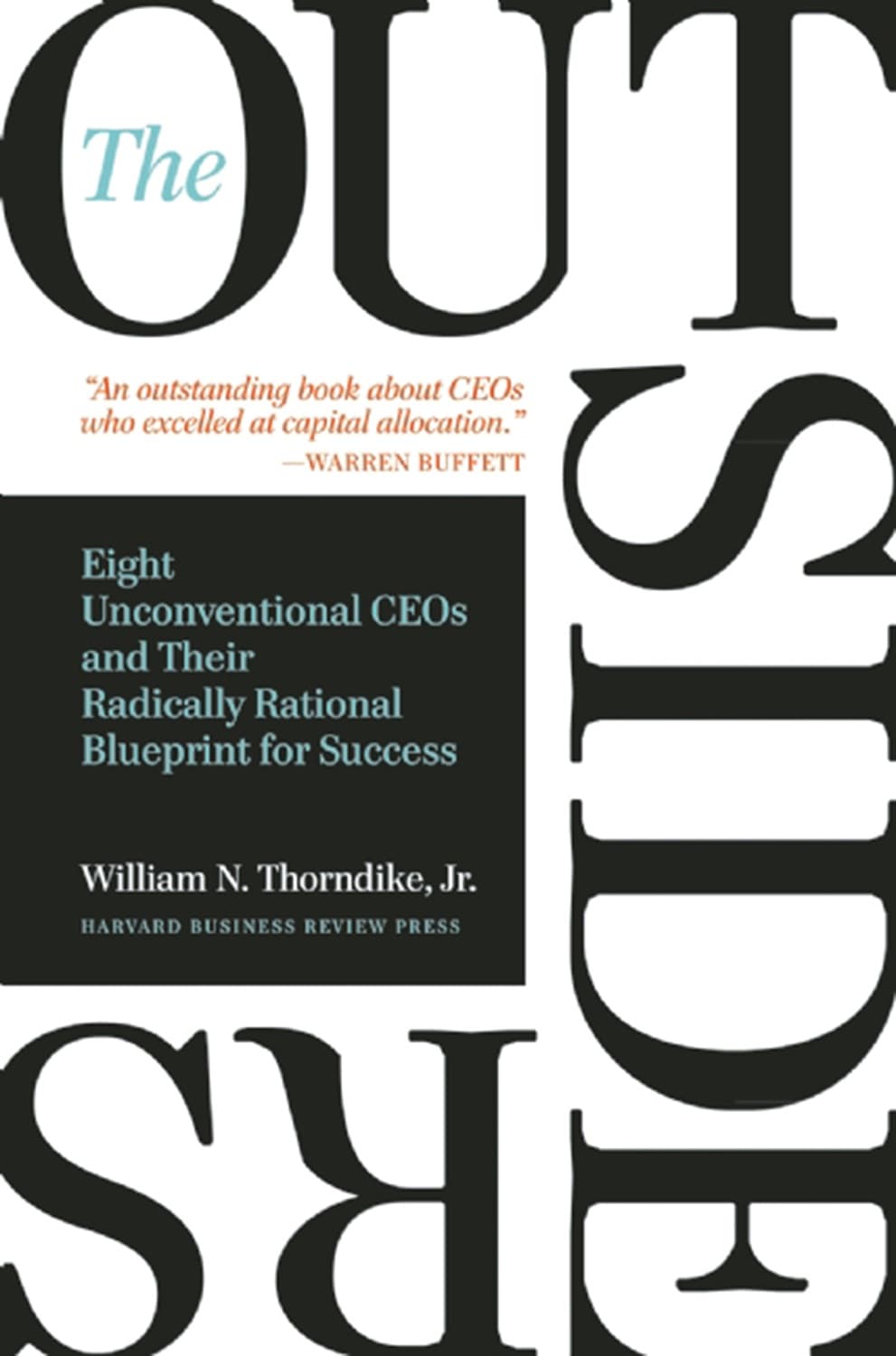
The Outsiders
William N. Thorndike Jr.
Exceptional returns often trace back to capital allocation patterns you can learn to recognize.
Capital allocation is the real performance narrative
Thorndike distills the narrative of “what managers do with money” into case-based lessons that you can apply to other companies. Narrative value investing benefits because it treats management decisions as the core plot, not background color.
Moat durability beats moat excitement
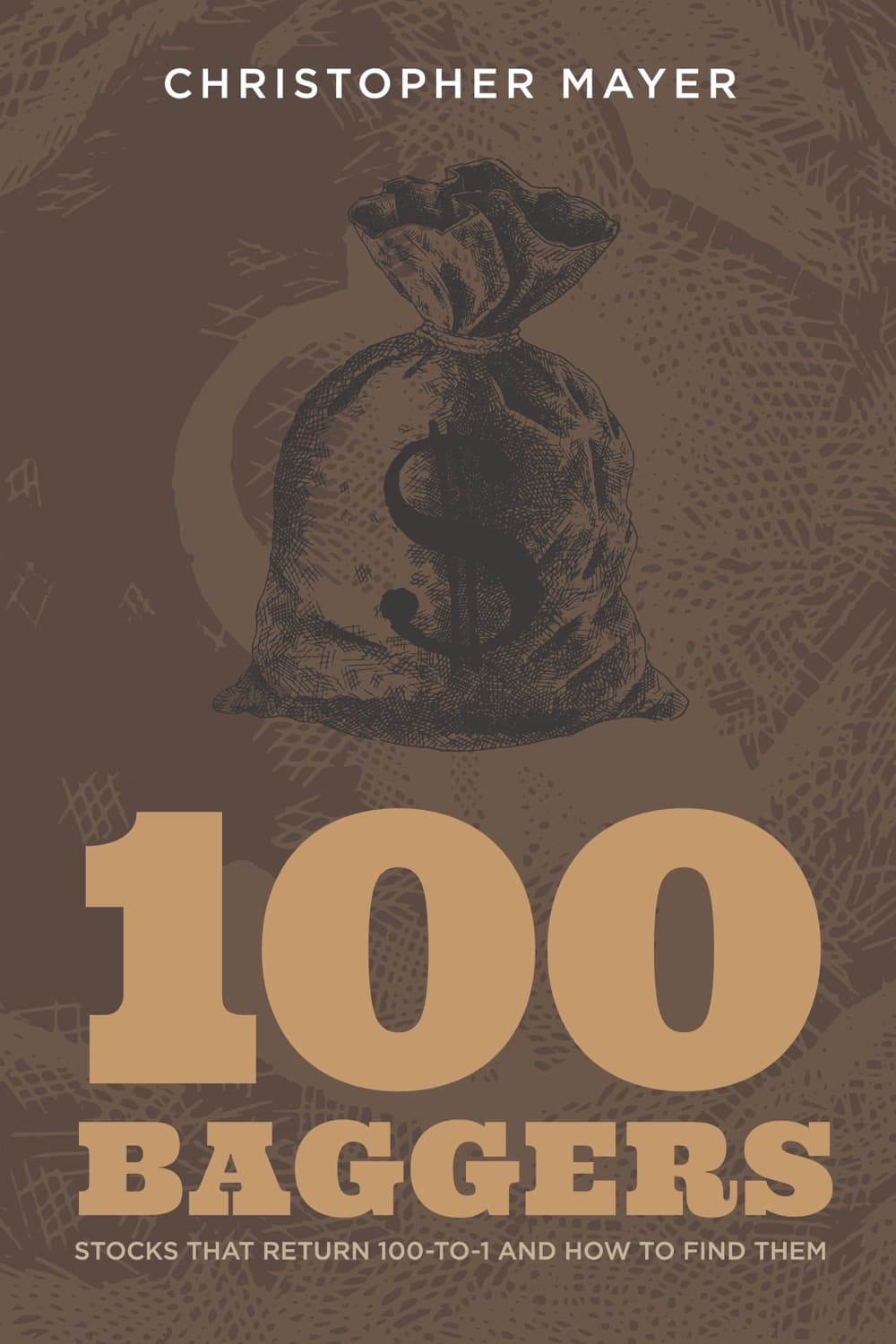
100 Baggers
Christopher W. Mayer
Big outcomes are usually built through compounding stories: reinvestment, durability, and reinvention that markets underprice for years.
Compounding follows reinvestment that survives reality
Mayer emphasizes trajectories and qualitative turning points while still pushing you to think about why the market took so long to adjust. For narrative value investing, it trains you to look for story-driven change that can justify a re-rating.
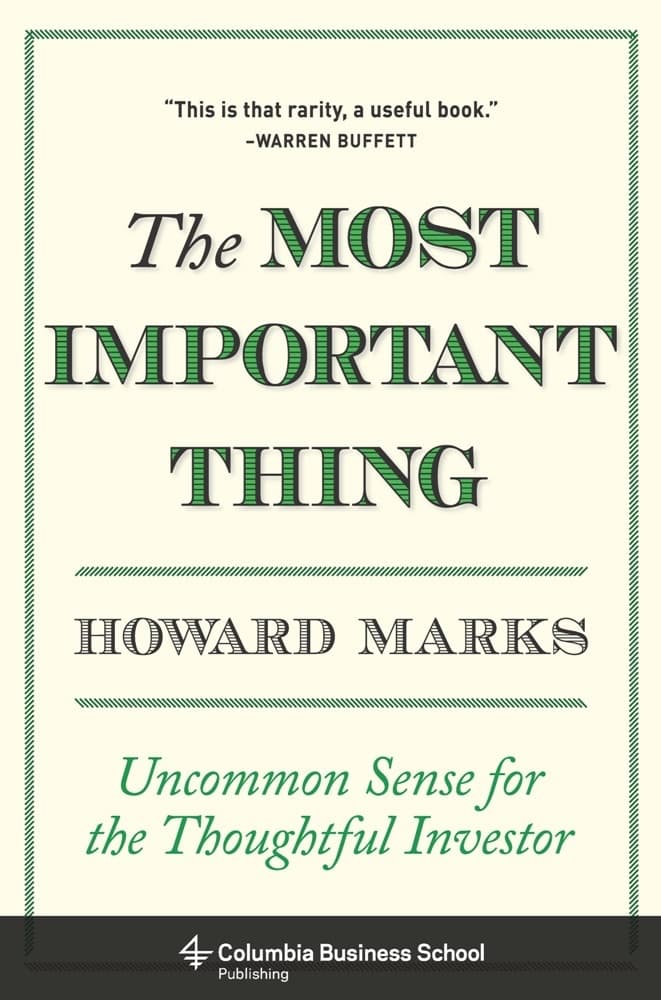
The most important thing
Howard Marks
Judgment beats forecasting, especially when cycles distort narratives about “what must be true.”
Risk is the price you pay for uncertainty
Marks teaches risk, uncertainty, and market psychology in a way that refines how you interpret any company story. For narrative value investing, it adds a discipline layer so your narrative doesn’t ignore macro context, crowd thinking, or downside odds.
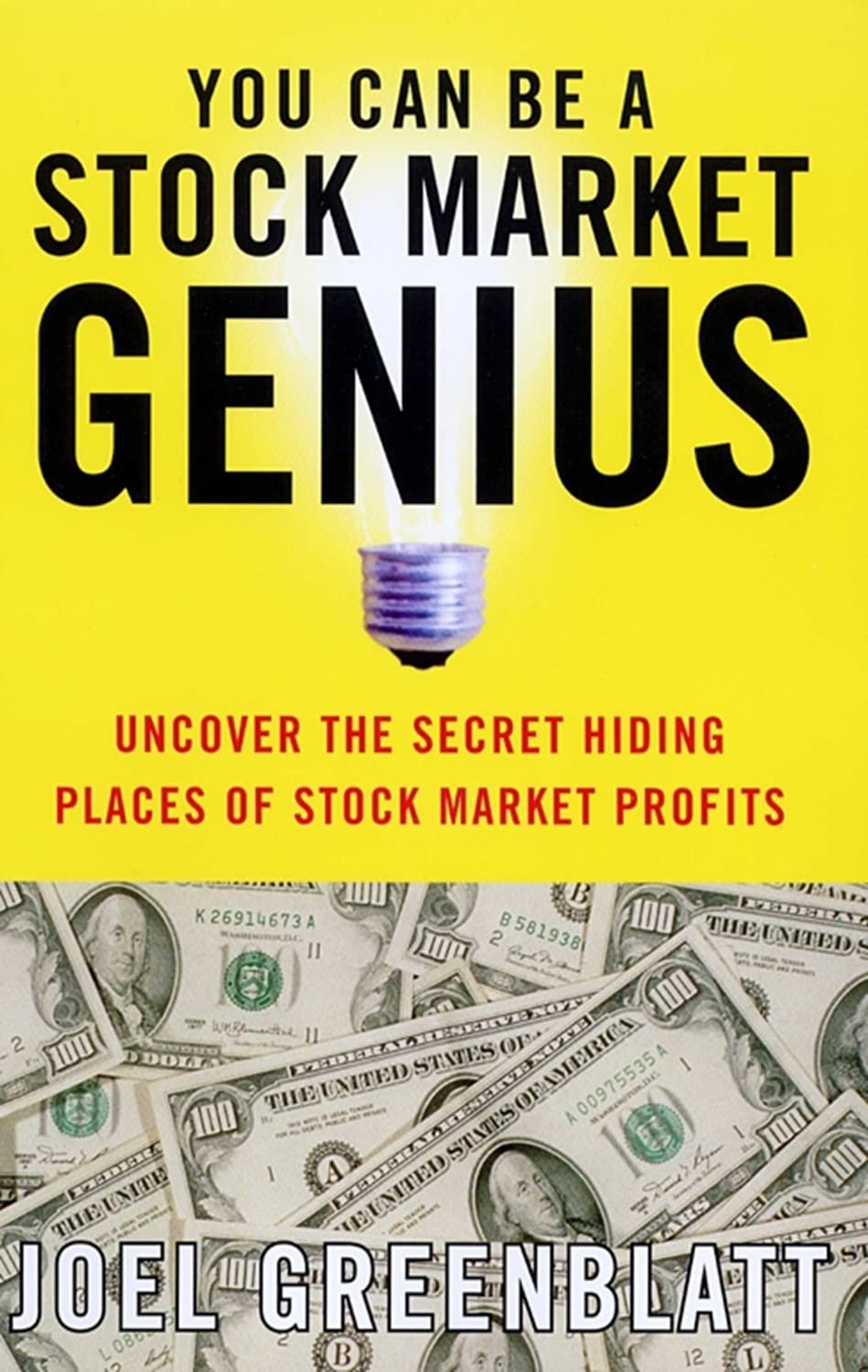
You can be a stock market genius
Joel Greenblatt
Mispricing often hides in the market’s story about why a security is “complicated,” not just in valuation math.
Think in bargains created by neglect and misunderstanding
Greenblatt’s framework works by exploiting special situations where narrative attention is distorted. That aligns with narrative value investing: you learn to spot when the market narrative is wrong, then translate that into structured returns logic.
Can we tailor this list for you?
Type your question in the bar below and the AI will tailor a fresh set of picks just for you.