Best Research Books on Poverty
Research on poverty spans randomized evidence to institutions, capabilities, and aid critiques. Poor Economics (Banerjee and Duflo) anchors the evidence side while The End of Poverty (Sachs) and The White Man's Burden (Easterly) sharpen the debate on causes and solutions.
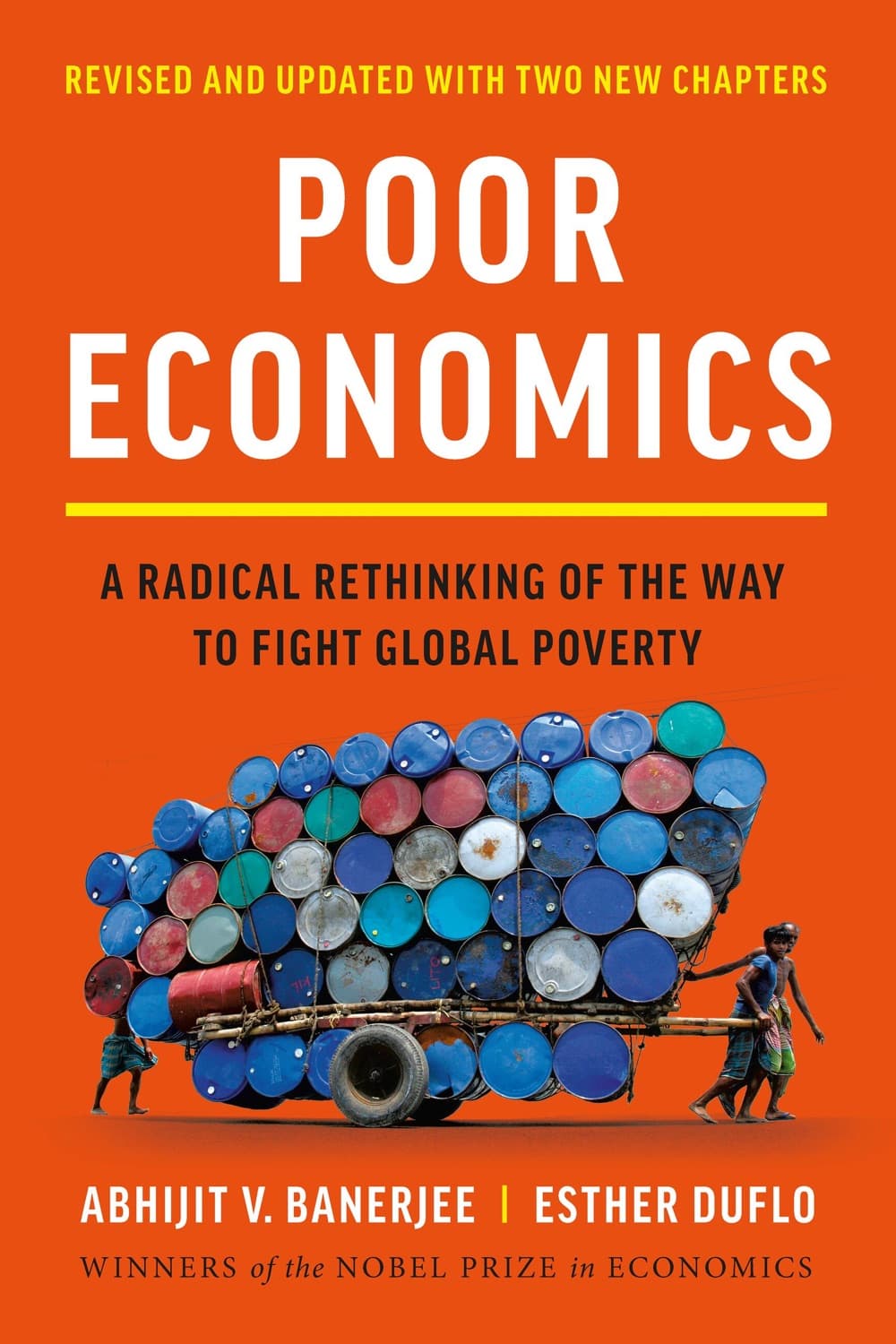
Poor Economics
Abhijit V. Banerjee, Esther Duflo
After Poor Economics, poverty stops being a slogan and becomes a set of testable, recurring decisions poor people face daily.
Think like a program: test small, learn fast, scale what works.
It builds a practical research lens: how to ask questions, measure outcomes, and learn what works through evidence. That directly supports “research poverty” as a method, not just a subject.
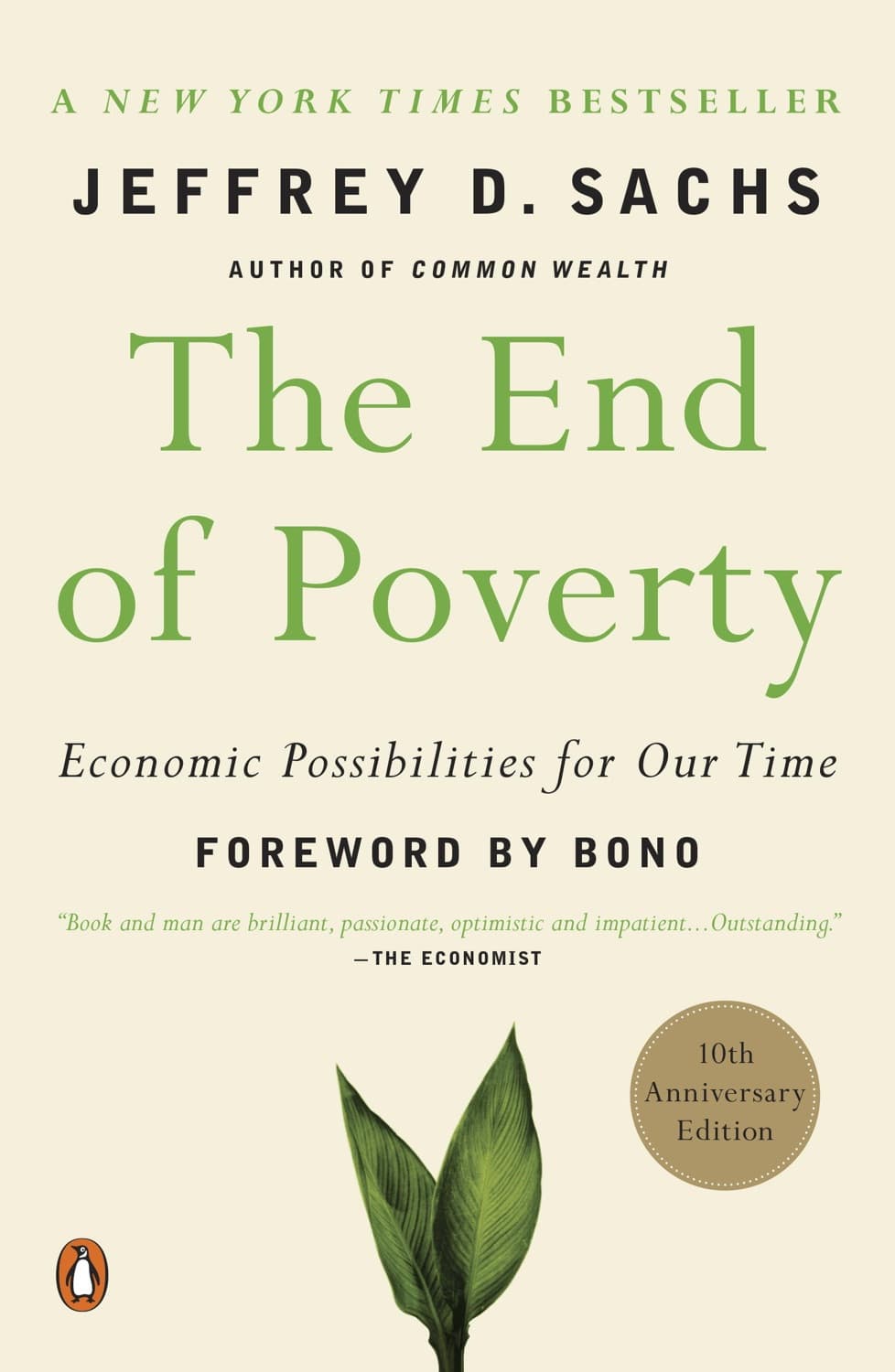
The End of Poverty
Jeffrey D. Sachs
The End of Poverty reframes poverty as a solvable systems problem, driven by concrete bottlenecks rather than culture or temperament.
Poverty is a multidimensional trap needing coordinated interventions.
It offers a big-picture roadmap that became widely assigned, helping you see what mainstream proposals looked like when evidence and urgency collided. Useful for understanding the canonical “causes and solutions” argument in poverty research.
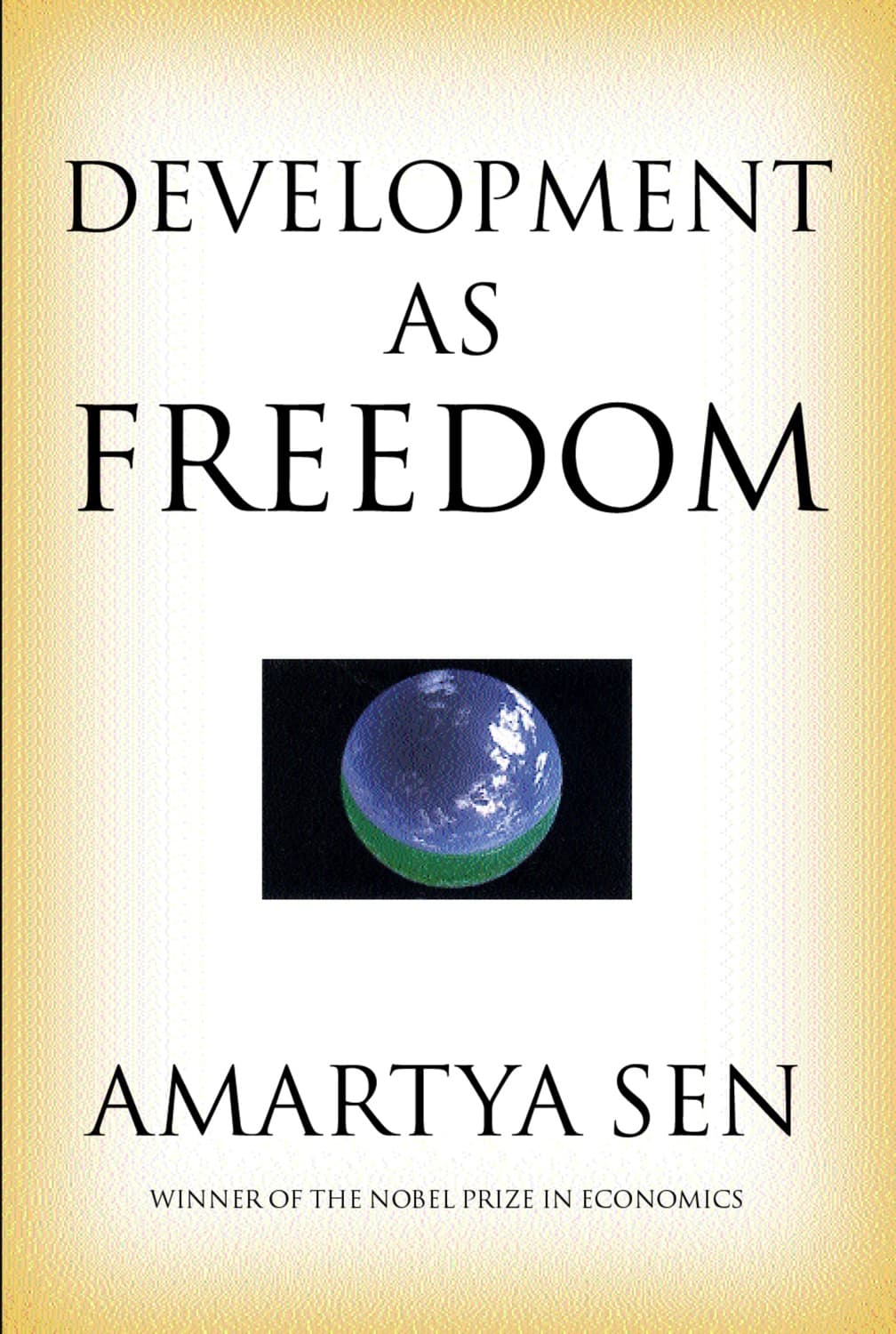
Development as Freedom
Amartya Sen
This book changes the unit of analysis from income to freedom, making poverty feel like deprivation of choices rather than low money alone.
Well-being means capabilities: real opportunities to live the way you value.
Sen’s capabilities approach is foundational for research poverty because it defines what outcomes count and why. It sharpens how to evaluate policies beyond GDP or expenditures.
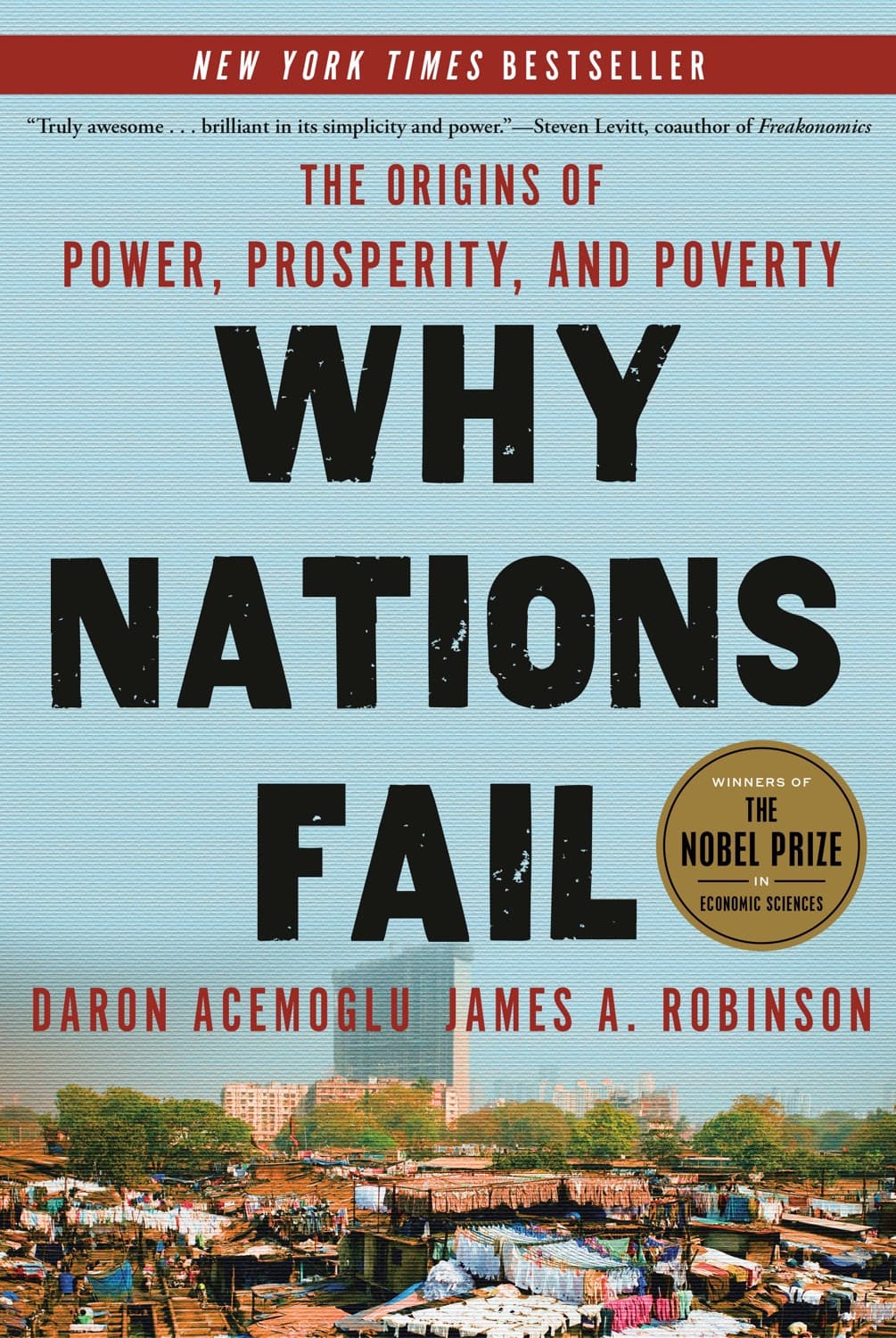
Why Nations Fail
Daron Acemoglu, James A. Robinson
After Why Nations Fail, persistent poverty looks less like misfortune and more like incentives shaped by institutions over time.
Extractive institutions block broad prosperity by design.
It gives a canonical institutions story that connects national development to political and economic incentives. For research poverty, it supplies a structural lens that complements household-level evidence.
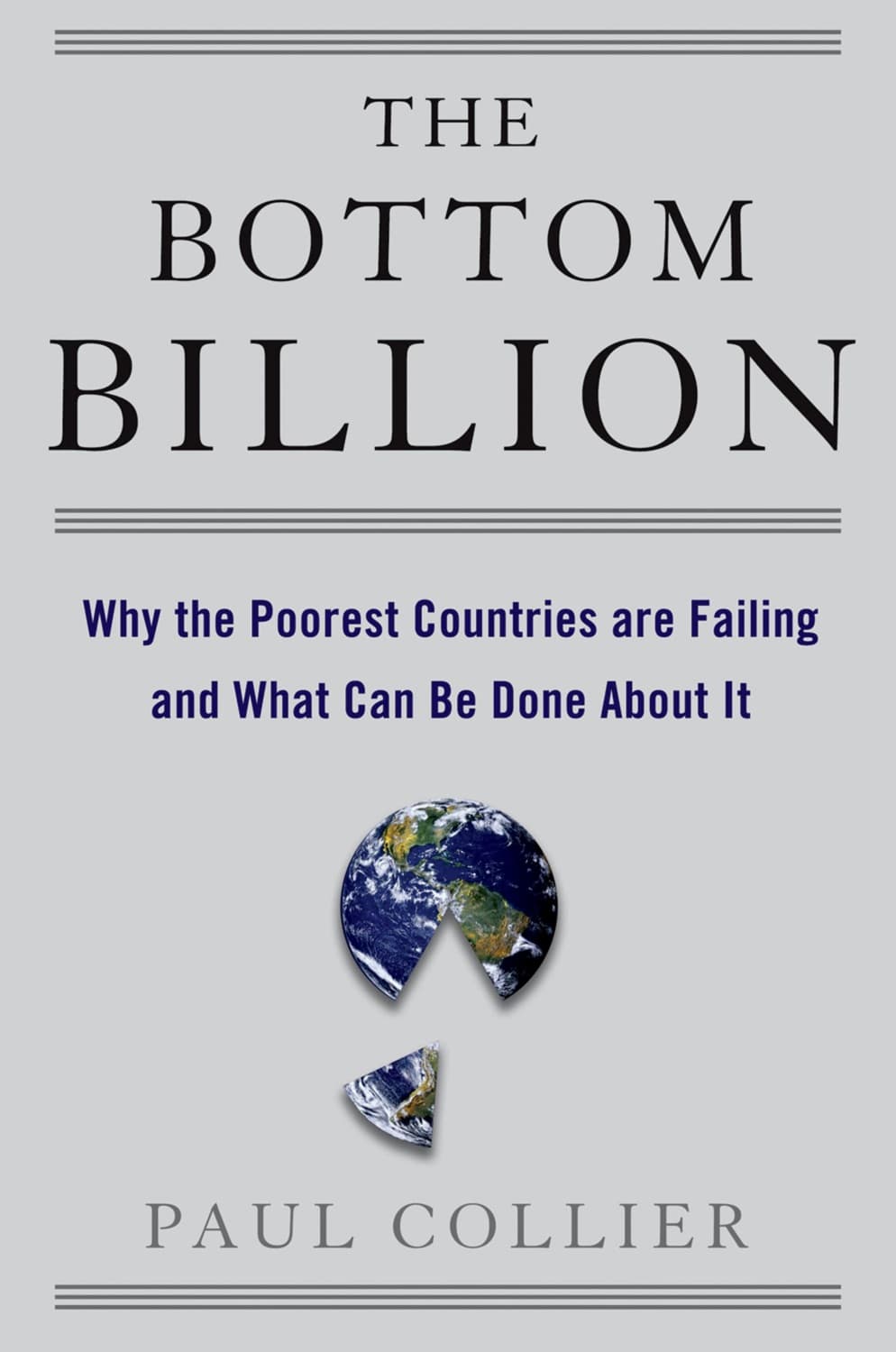
The bottom billion
Paul Collier
The bottom billion makes poverty traps feel measurable and specific: conflict, weak governance, and resource shocks that reproduce themselves.
Conflict, bad governance, and exposure to shocks trap countries.
It synthesizes mechanisms behind why the poorest countries fall behind despite global progress. That makes it a canonical anchor for research poverty that focuses on persistent, systemic failure modes.
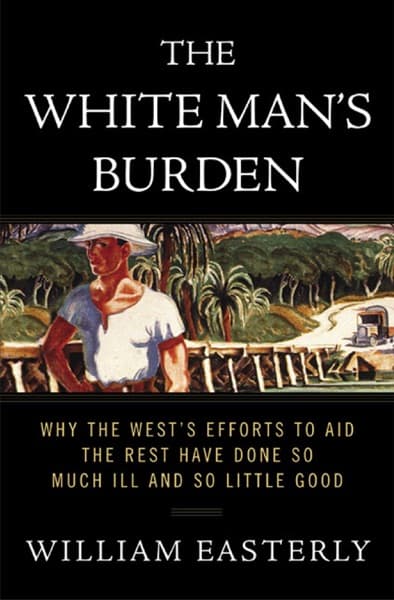
The White Man's Burden
William Easterly
The White Man's Burden forces you to see aid as an institution with incentives, not a moral reflex.
Design problems, not good intentions, drive bad outcomes.
It critiques top-down planning and the gap between expert design and real-world learning. For “research poverty,” it matters because it pushes accountability, feedback, and why programs fail to adapt.
Poverty is a multidimensional trap needing coordinated interventions.
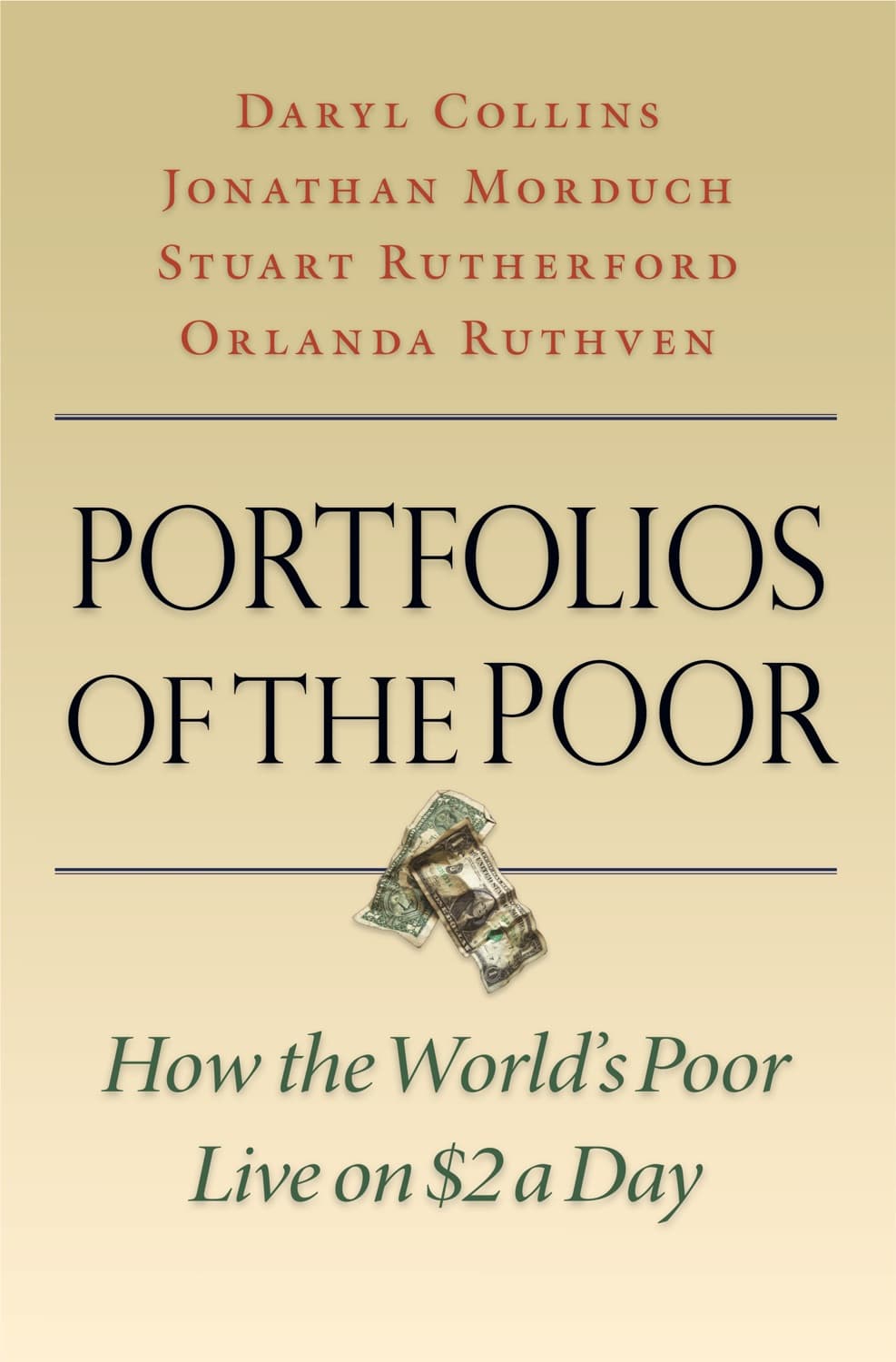
Portfolios of the Poor
Daryl Collins, Jonathan Morduch, Stuart Rutherford, Orlanda Ruthven
Portfolios of the Poor makes household finance central: the poor are managing risk, not just lacking money.
Poor households run on cashflow plus informal risk-sharing.
Through fieldwork, it shows how daily financial decisions create resilience and vulnerability. That directly supports research poverty by grounding policy debates in real household strategies.
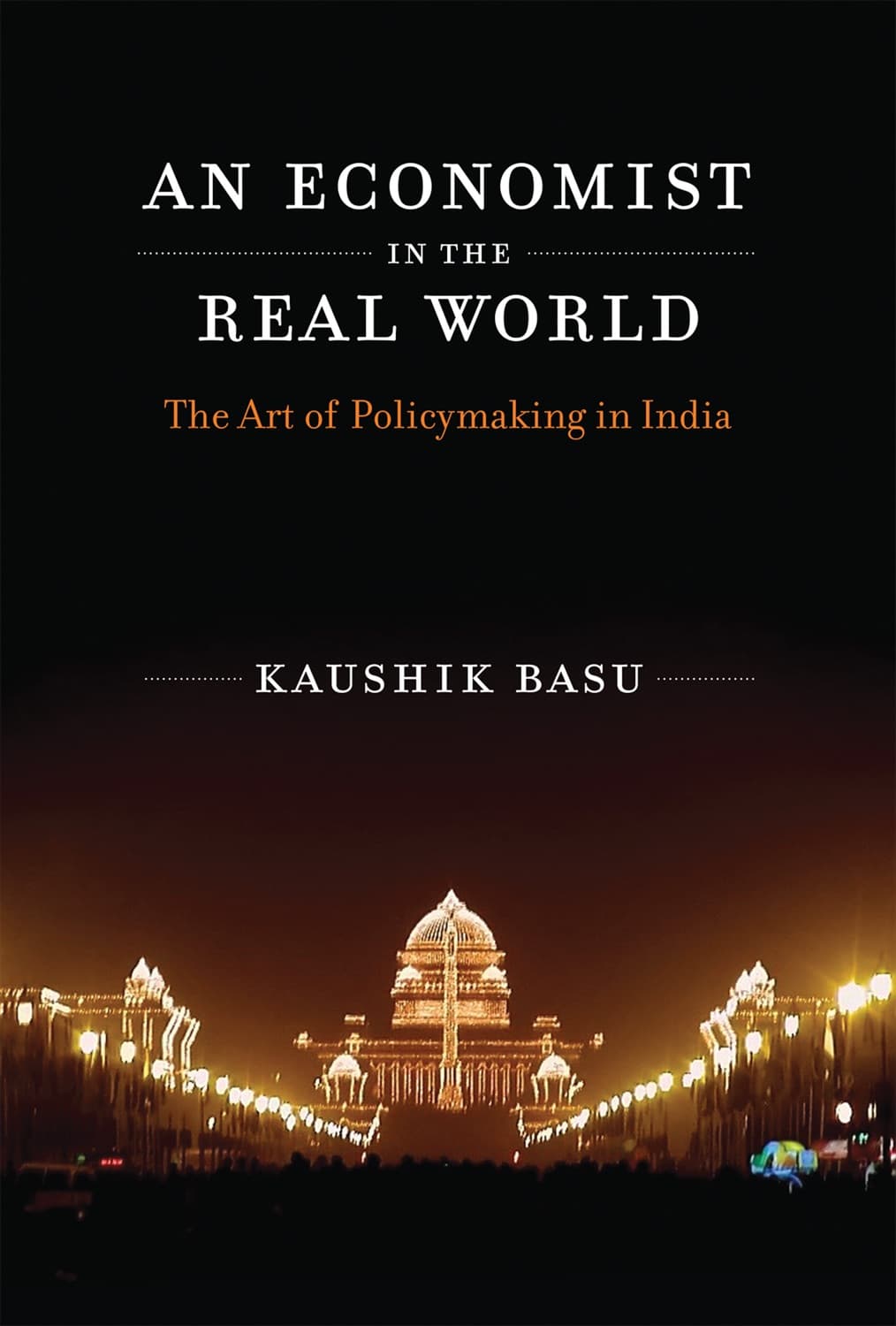
An Economist in the Real World
Kaushik Basu
An Economist in the Real World turns poverty policy into something you can reason about and argue with, using evidence and trade-offs.
Treat policy claims as testable hypotheses, not slogans.
It collects accessible development-economics thinking that helps interpret policy proposals without losing analytical discipline. For canonical “research poverty,” it’s a bridge into the debates rather than a single thesis.
Banker to the Poor
Muhammad Yunus
Banker to the Poor shifts the story from aid flows to individual agency, making credit a tool for action rather than dependency.
Small loans can unlock self-directed entrepreneurship.
As a firsthand account of microcredit, it provides the origin narrative behind a globally influential poverty intervention. It’s valuable in research poverty for understanding motivations, implementation realities, and why the approach caught on.
Can we tailor this list for you?
Type your question in the bar below and the AI will tailor a fresh set of picks just for you.