Best Books on Labor Shortages
Labor shortages are increasingly demographic and technology-driven, and these six books sharpen the lens from Jeremy Rifkin’s work shifts to Goodhart and Pradhan’s aging-led labor tightening. Pick the angle that matches your stakes: systems, business, or workforce life design.
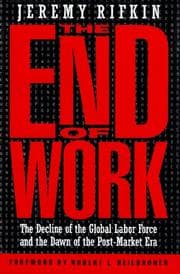
The End of Work
Jeremy Rifkin
Rifkin argues technology is eliminating the jobs system itself, not just specific roles, reshaping how labor demand is created and destroyed.
Automation can collapse job creation, not just demand.
It frames labor shortages as part of a deeper mismatch between production and human work under automation. For labor-shortage reading, it pushes you beyond “skills gaps” toward a structural question: what happens when technology changes the job pipeline.
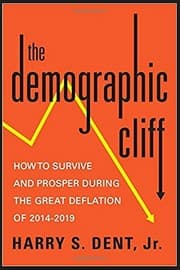
The Demographic Cliff
Harry S. Dent
Dent’s core claim is that a shrinking, aging population triggers a long slide in the workforce, intensifying hiring pressure even when demand is steady.
Workforce shrink amplifies labor scarcity.
This book turns labor shortages into a demographic timing problem, where the labor supply curve is doing the heavy lifting. If you are tracking why shortages can persist, Dent gives a blunt, demand-and-supply framing anchored in population decline logic.

Empty Planet
Darrell Bricker, John Ibbitson
Bricker and Ibbitson popularize a world where fewer people, not just fewer jobs, becomes the defining constraint shaping economies.
Population decline can tighten labor markets.
Instead of treating labor shortages as a temporary market wobble, it roots them in long-run population change. That matters because labor shortages that follow demographics are harder to “fix” with short-term hiring tactics.
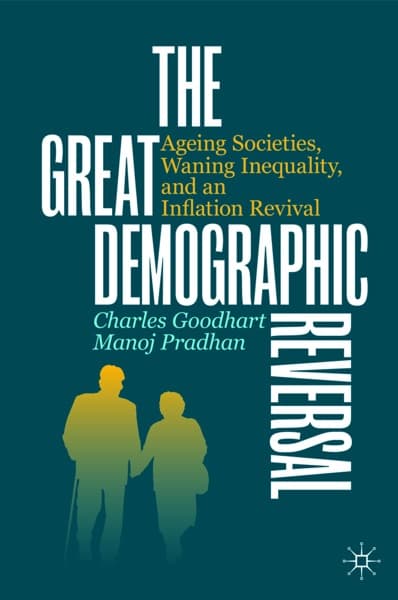
The Great Demographic Reversal
Charles Goodhart, Manoj Pradhan
Goodhart and Pradhan connect aging societies to global labor tightening, arguing the old economic playbook breaks when the age structure flips.
Aging changes the economic rules of labor markets.
This is the economist’s version of labor-shortage causality: not anecdotes, but mechanisms linking demographics to wages, productivity, and policy. For your topic, it helps you translate labor shortages into macro constraints and second-order effects.
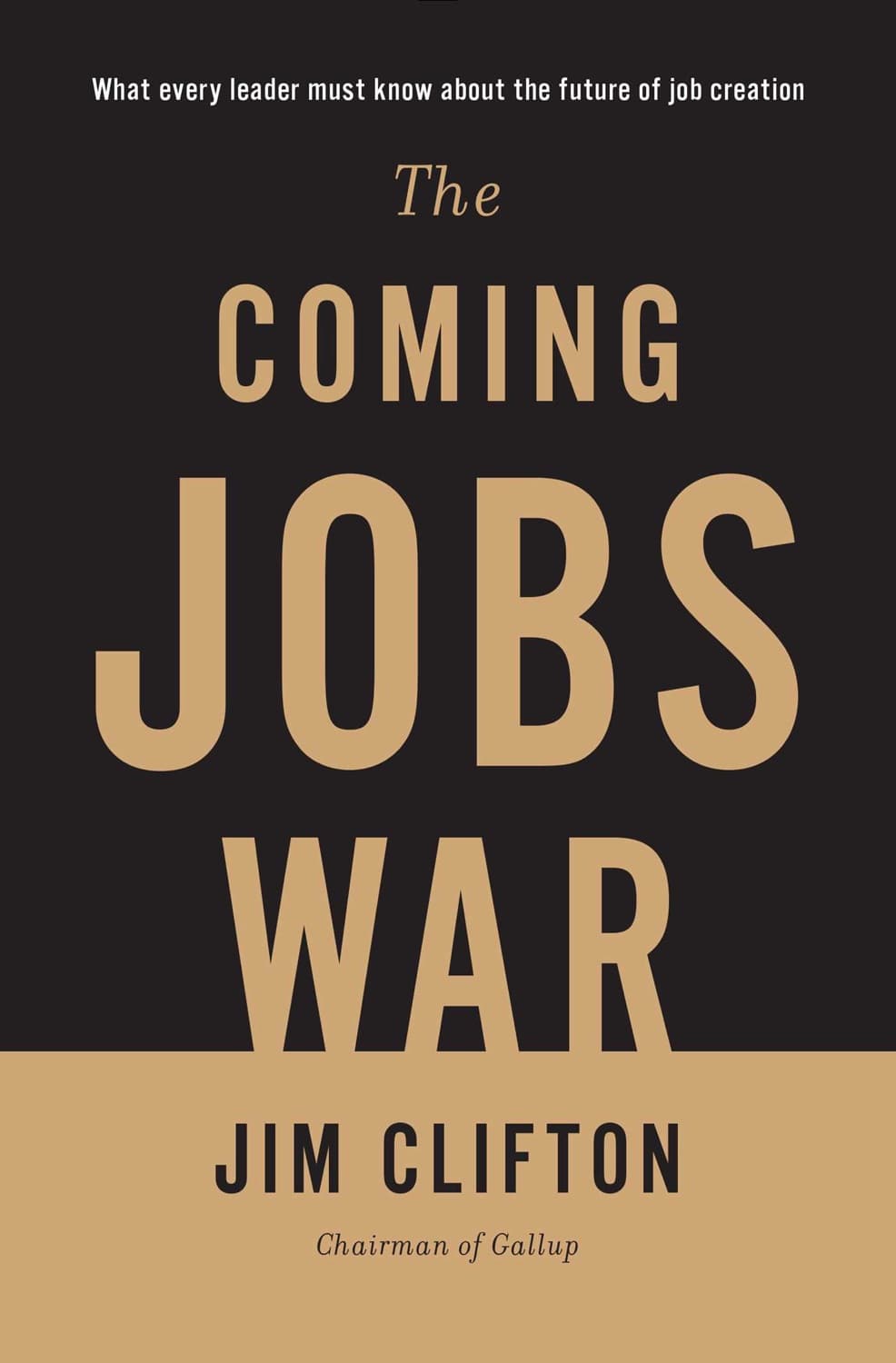
The Coming Jobs War
Jim Clifton
Clifton describes talent competition as a looming battle line, with companies fighting for scarce workers across sectors and skill levels.
Talent becomes the scarce input.
It treats labor shortages as competitive pressure that forces changes in pay, retention, and workforce strategy. If you need a business-facing view of what shortages do to organizations, this offers a practical lens without reducing everything to demographics alone.
The 100-Year Life
Lynda Gratton, Andrew J. Scott
Gratton and Scott argue the workforce must be redesigned around a longer life span, turning aging into an opportunity for labor supply strategies.
Career design adapts to longer working lives.
Where many labor-shortage books diagnose the problem, this one pushes toward how people’s careers and employers’ roles can be structured under longevity. For labor shortages, it shifts the conversation from scarcity to the design of participation over time.
Can we tailor this list for you?
Type your question in the bar below and the AI will tailor a fresh set of picks just for you.