Best Books for First-time Founders
First-time founders need a testing loop, not optimism. The Lean Startup plus Steve Blank’s customer development teach how to learn fast and de-risk building, while Ben Horowitz covers the leadership pressure that manuals miss.
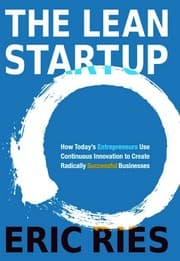
The Lean Startup
Eric Ries
Finish with a practical ability to design experiments that turn “ideas” into measurable learning, not slides and meetings.
Build-measure-learn turns uncertainty into evidence.
It replaces guesswork with a disciplined loop: test, learn, adjust. For first-time founders, that means you can pressure-test what you’re building before you sink time and money into a narrative.
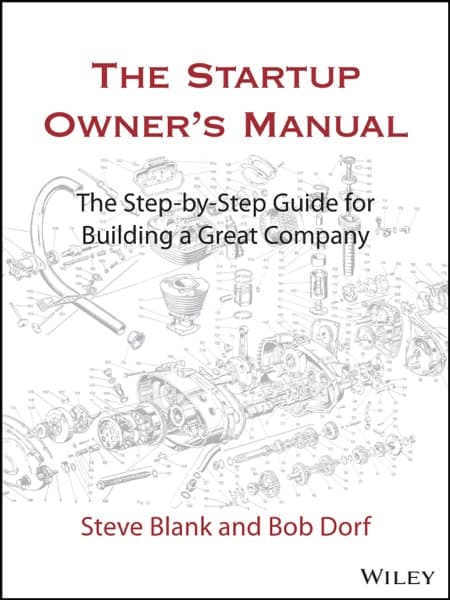
The Startup Owners Manual
Steve Blank and Bob Dorf
Move from building features to building a repeatable customer discovery and delivery machine.
Customer development is a process, not a pitch.
It’s a step-by-step execution manual for customer development and the operational reality of early companies. For first-time founders, it clarifies the sequence from learning the customer to running the first real business.
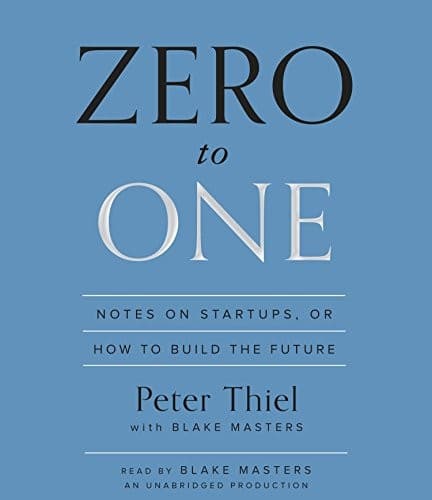
Zero to One
Peter Thiel, Blake Masters
Shifts your goal from incremental improvement to making a company that’s meaningfully different.
Competition is for losers: start with differentiation.
It forces a hard distinction between copying and creating. For first-time founders, that sharper thinking helps you avoid building “the same thing, cheaper” and instead pursue a differentiated path that can last.
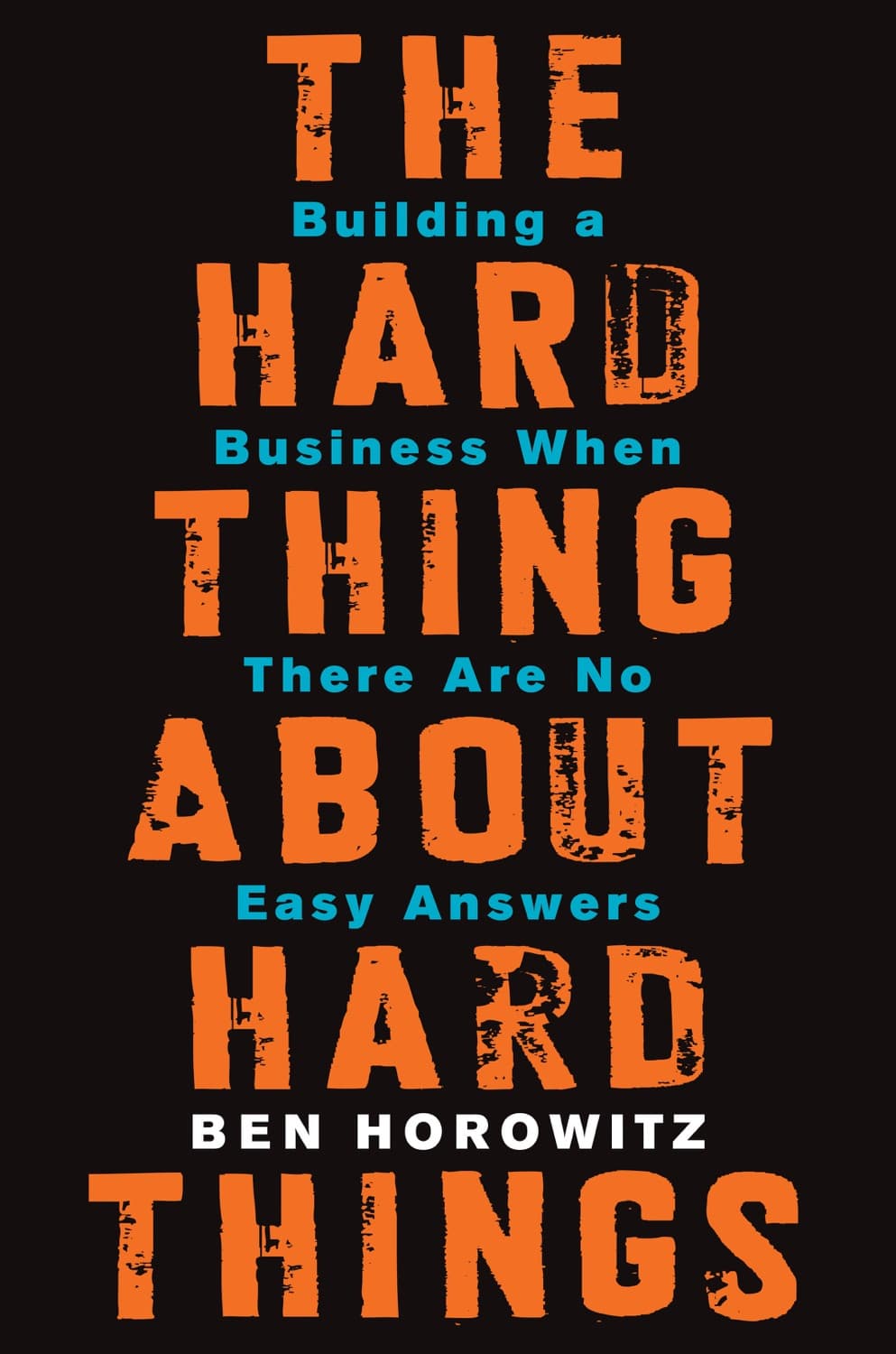
The Hard Thing About Hard Things
Ben Horowitz
After the book, you’ll have language for ugly decisions and the emotional weather of leading under uncertainty.
When the rules change, you change how you decide.
It delivers founder-grade operating advice for when things break: people, priorities, and hard tradeoffs. First-time founders get a sober lens on leadership gaps that planning templates cannot cover.
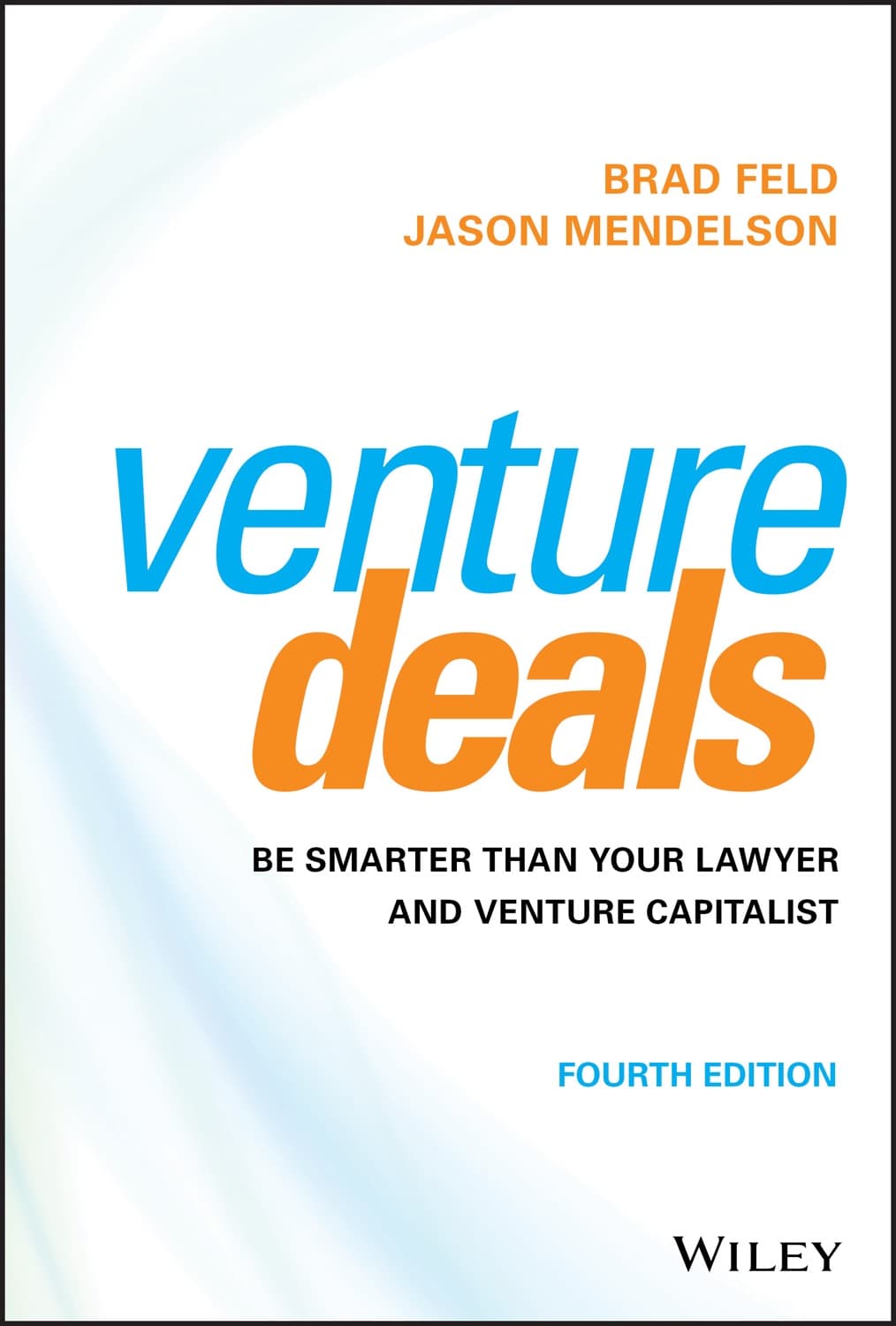
Venture deals
Brad Feld
Fundraising stops being mysterious: you learn the mechanics behind term sheets and how investors actually think.
Understand terms before you sign anything.
It translates venture negotiation into a process with variables and tradeoffs. For first-time founders, that reduces the odds of walking into financing terms you did not understand or could have negotiated.
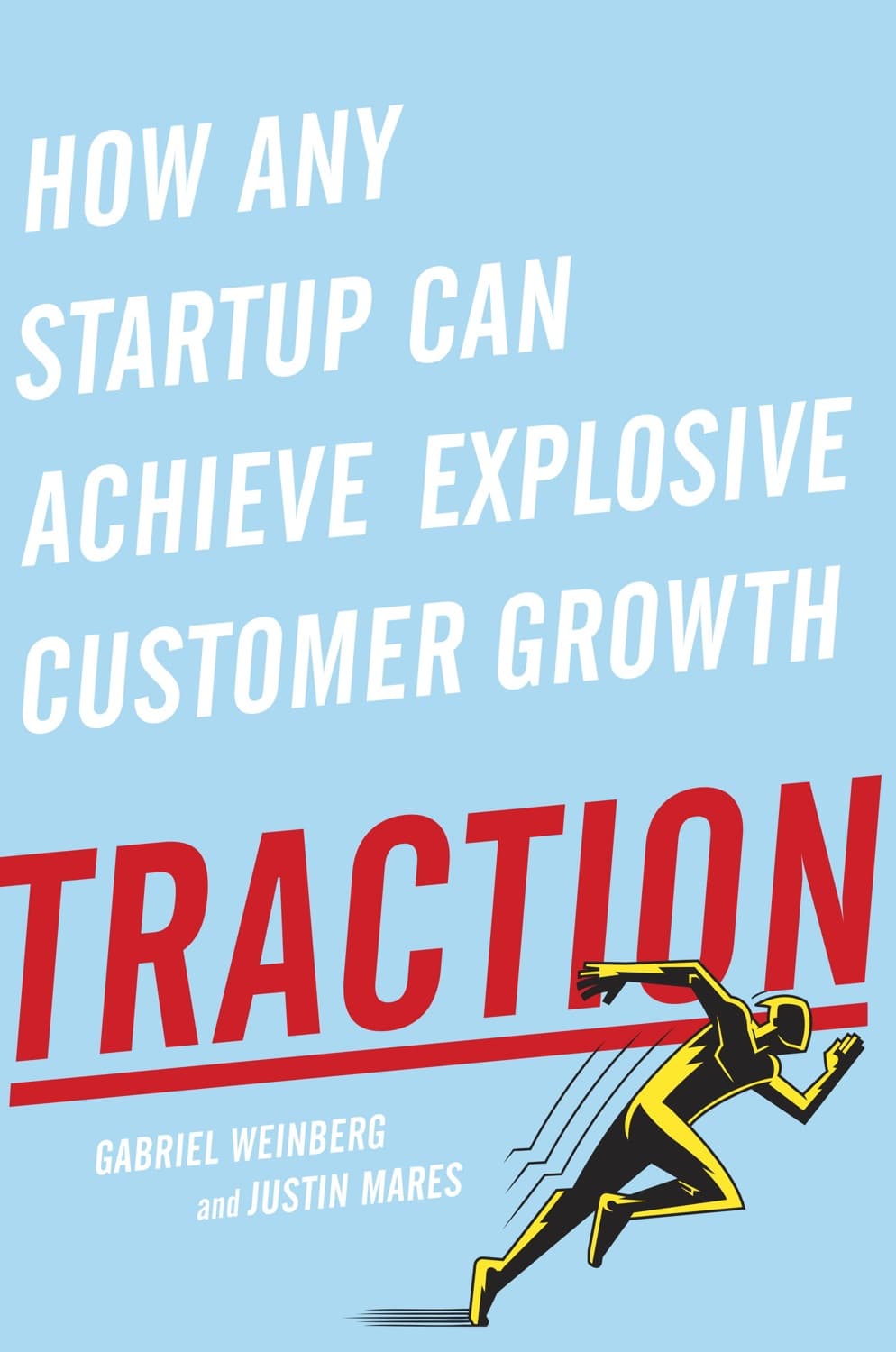
Traction
Gabriel Weinberg, Justin Mares
Stop guessing growth channels: you generate experiments across many channels to find what actually works.
Run experiments across channels to discover traction.
It’s a framework for systematically exploring traction options instead of fixating on one hope. For first-time founders, that method helps you make growth tangible and iterate based on evidence.
Customer development is a process, not a pitch.
The Mom Test
Rob Fitzpatrick
Turns customer interviews into truthful data by preventing leading questions and protecting yourself from fake validation.
Ask about past behavior, not future opinions.
It teaches how to ask so you learn what users do, not what they say they might do. For first-time founders, that improves decision quality when you’re trying to find demand before scaling.
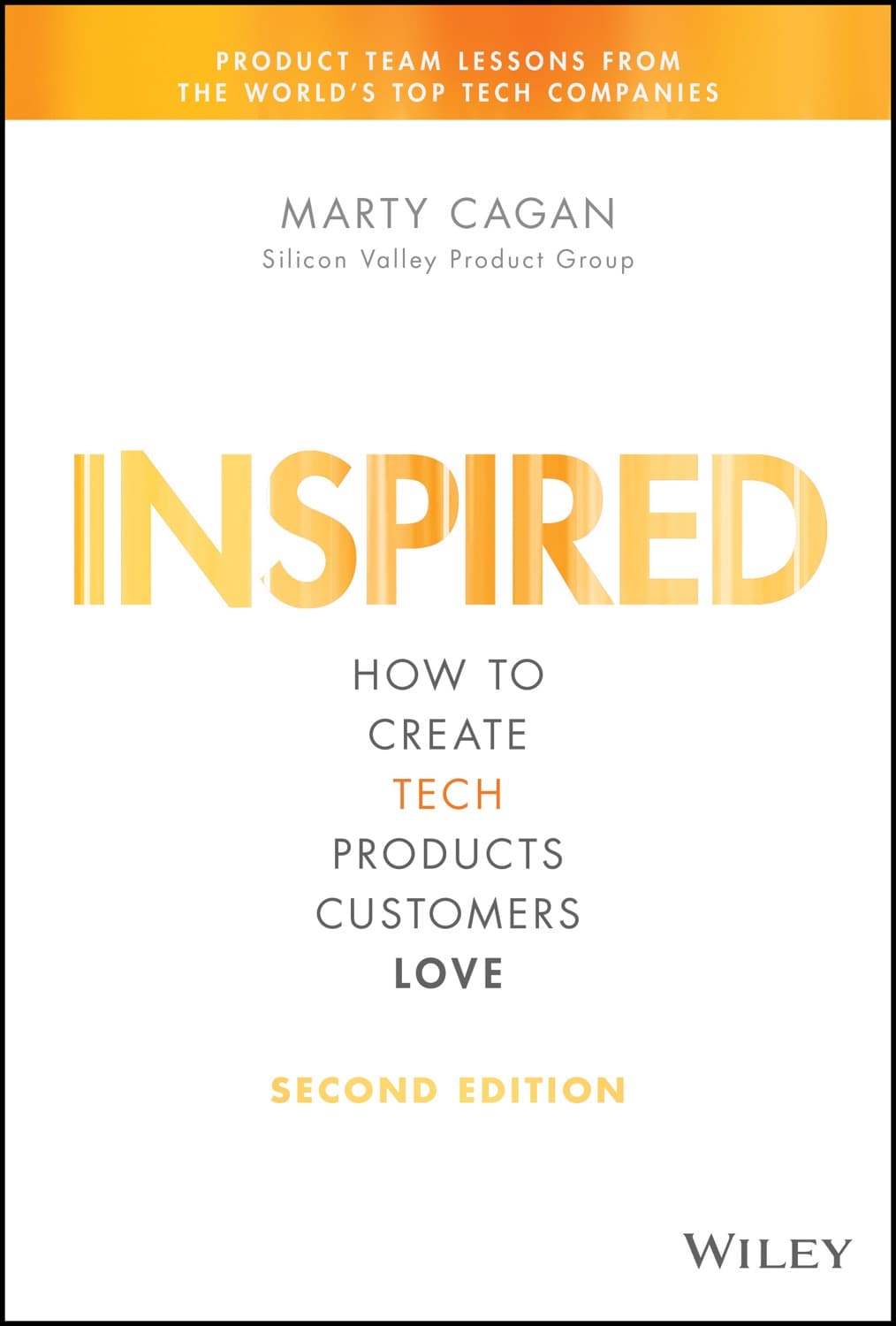
Inspired
Marty Cagan
Your team’s product decisions become clearer: value outcomes, not activity, and build products based on real customer needs.
Product discovery reduces risk before delivery.
It lays out how to think about product discovery, delivery, and the leadership behaviors that make product work. For first-time founders, it’s a grounding for turning customer insight into a product direction people actually want.
Can we tailor this list for you?
Type your question in the bar below and the AI will tailor a fresh set of picks just for you.