Best Books for Bootstrapped Founders
Bootstrapped founder books that turn scarcity into a system: Chris Guillebeau’s lean startup playbook, Paul Jarvis’s self-funded independence, and Sahil Lavingia’s profitability-first mindset.
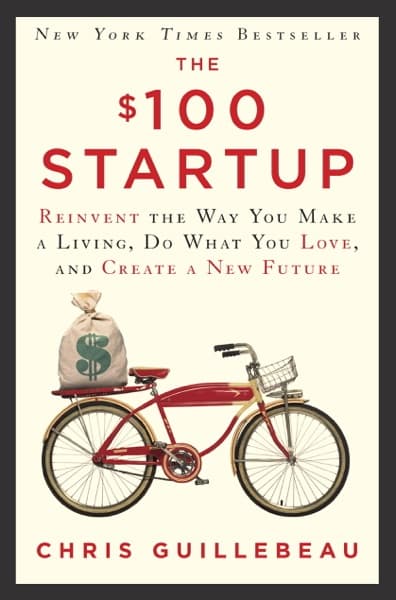
The $100 Startup
Chris Guillebeau
Chris Guillebeau maps how founders can start with tiny budgets by selling a real offer before they “deserve” scale.
Start with a solvable offer, not a perfect plan.
It differs by centering on lean proof, not venture-style growth, so bootstrapped decisions stay tied to customer demand. That matters when funding is limited and every experiment must pay back in learning or revenue.
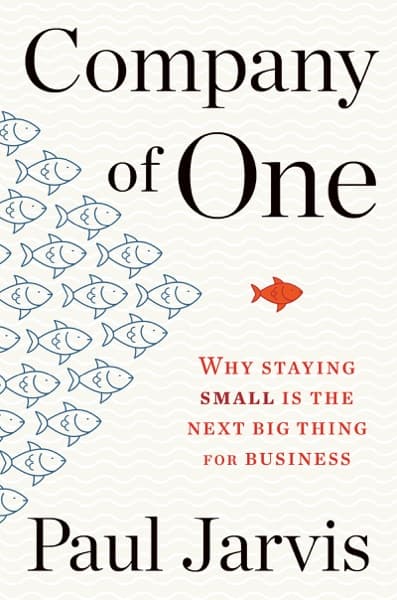
Company of One
Paul Jarvis
Paul Jarvis argues that independence beats ambition: a small business can be a deliberate choice, not a compromise.
Design for freedom, then build revenue.
Unlike growth-first advice, it reframes bootstrapping as a long-term ownership strategy. That shift helps founders stop chasing scale metrics that require funding they do not want to raise.
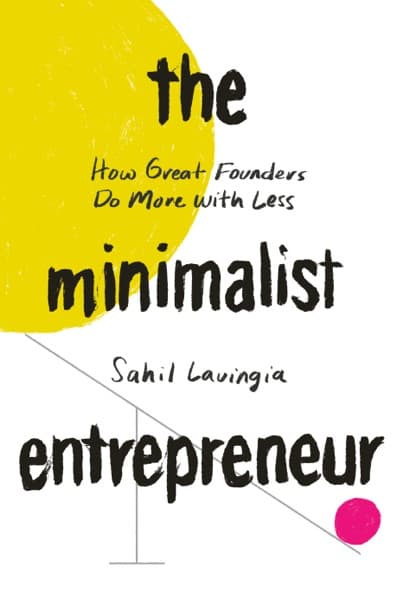
The Minimalist Entrepreneur
Sahil Lavingia
Sahil Lavingia treats profitability like product development, where traction is the north star and simplicity is a growth tool.
Profit is the validation you can bank.
It stands out by focusing on profitable operations and practical constraints from a founder who built with limited resources. For bootstrapped founders, that means fewer distractions and more confidence in what to do next.
Rework
Jason Fried, David Heinemeier Hansson
Rework replaces “do more” with “do less, but more intentionally,” urging founders to build what customers actually want.
Ignore the plan: ship to learn.
This book fits bootstrapping because it challenges assumptions that rely on time and capital as unlimited inputs. It pushes toward tighter feedback loops and decisions that do not depend on outside funding.
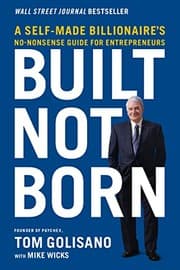
Built, Not Born
Tom Golisano, Mike Wicks
Tom Golisano builds his case for success around discipline, ownership, and the unglamorous work of compounding results.
Compounding beats inspiration.
It differs by emphasizing founder behavior and disciplined scaling rather than startup mythology. That matters when you are bootstrapping: your habits and operational choices become the real engine.
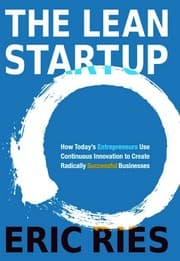
The Lean Startup
Eric Ries
The Lean Startup turns uncertainty into a repeatable engine using validated learning instead of opinions and forecasts.
Validate learning beats guesswork.
It is a classic framework for testing demand without needing big budgets, which aligns naturally with bootstrapping. The payoff for self-funded founders is reducing risk by learning early, not accelerating blind.
Design for freedom, then build revenue.
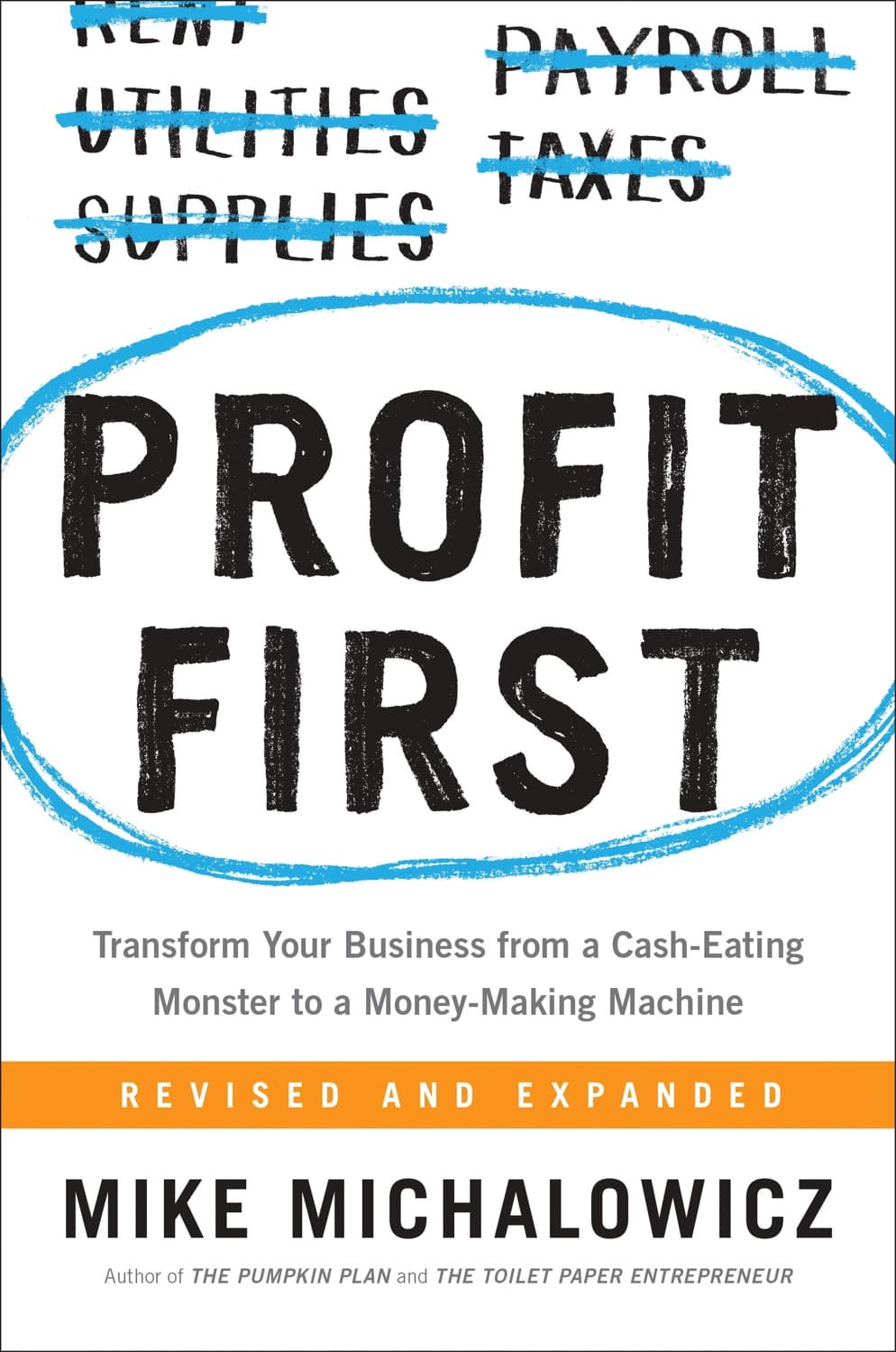
Profit First
Mike Michalowicz
Profit First forces founders to treat profit like a bill you pay yourself first, before spending anything else.
Pay profit first, then run on what’s left.
Where many startup books stay conceptual, this one operationalizes bootstrapped survival with a cash system built for limited cash flow. It helps founders avoid the classic trap of “revenue without profit” while staying independent.
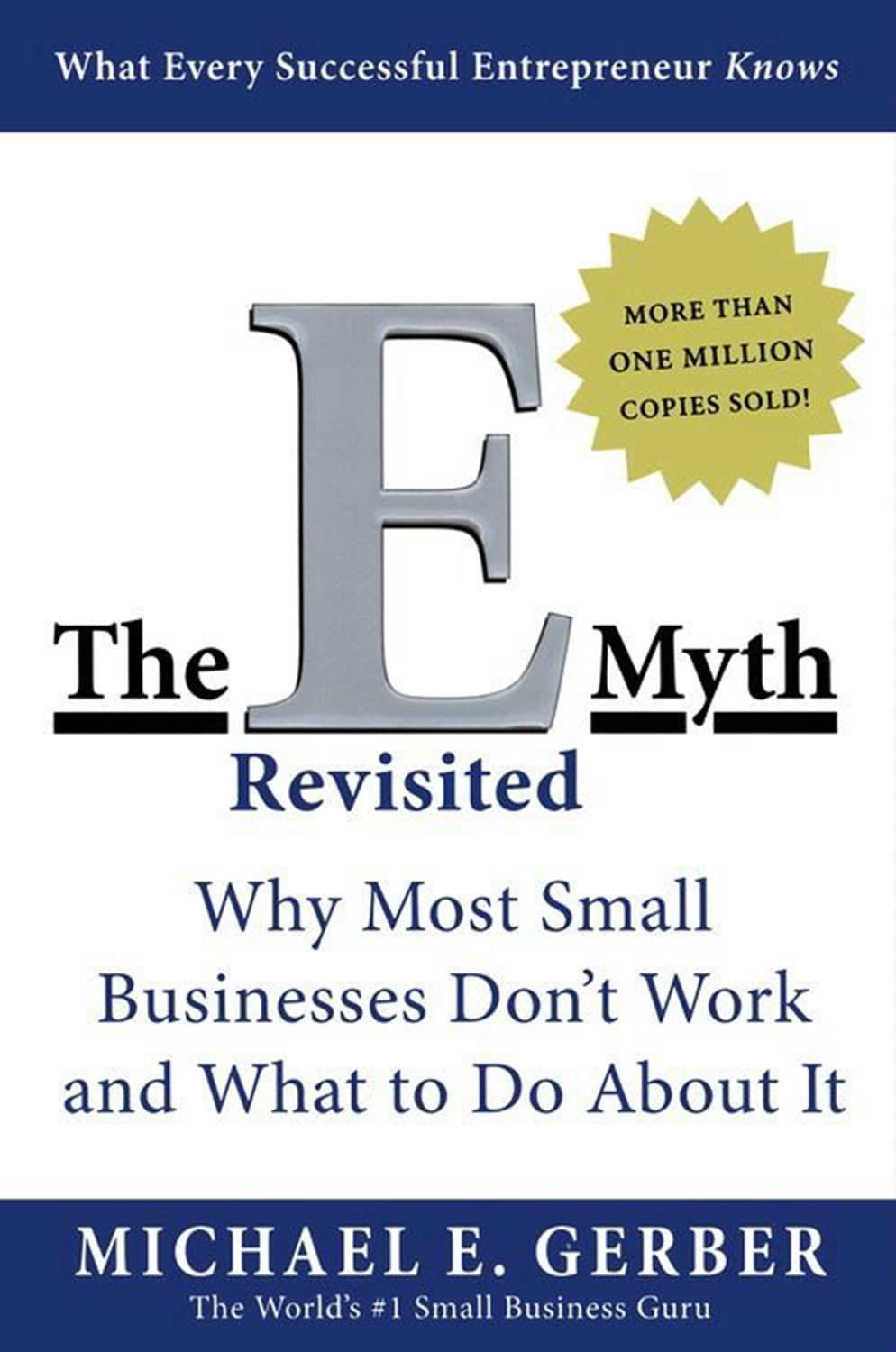
The E-Myth Revisited
Michael E. Gerber
Gerber’s model helps founders escape being the business: systems turn your skills into a repeatable company.
Work on the business, not in it.
Bootstrapped founders often wear every hat, and that dependence caps scalability without funding. This book makes you redesign operations so growth does not require your constant personal time.
Can we tailor this list for you?
Type your question in the bar below and the AI will tailor a fresh set of picks just for you.