Best Books for Startup First-Time Managers
The leap from making the work to leading the people who do has its own canon. Julie Zhuo's The Making of a Manager, Andy Grove's High Output Management, and Camille Fournier's The Manager's Path turn that first messy stretch into something you can actually run.
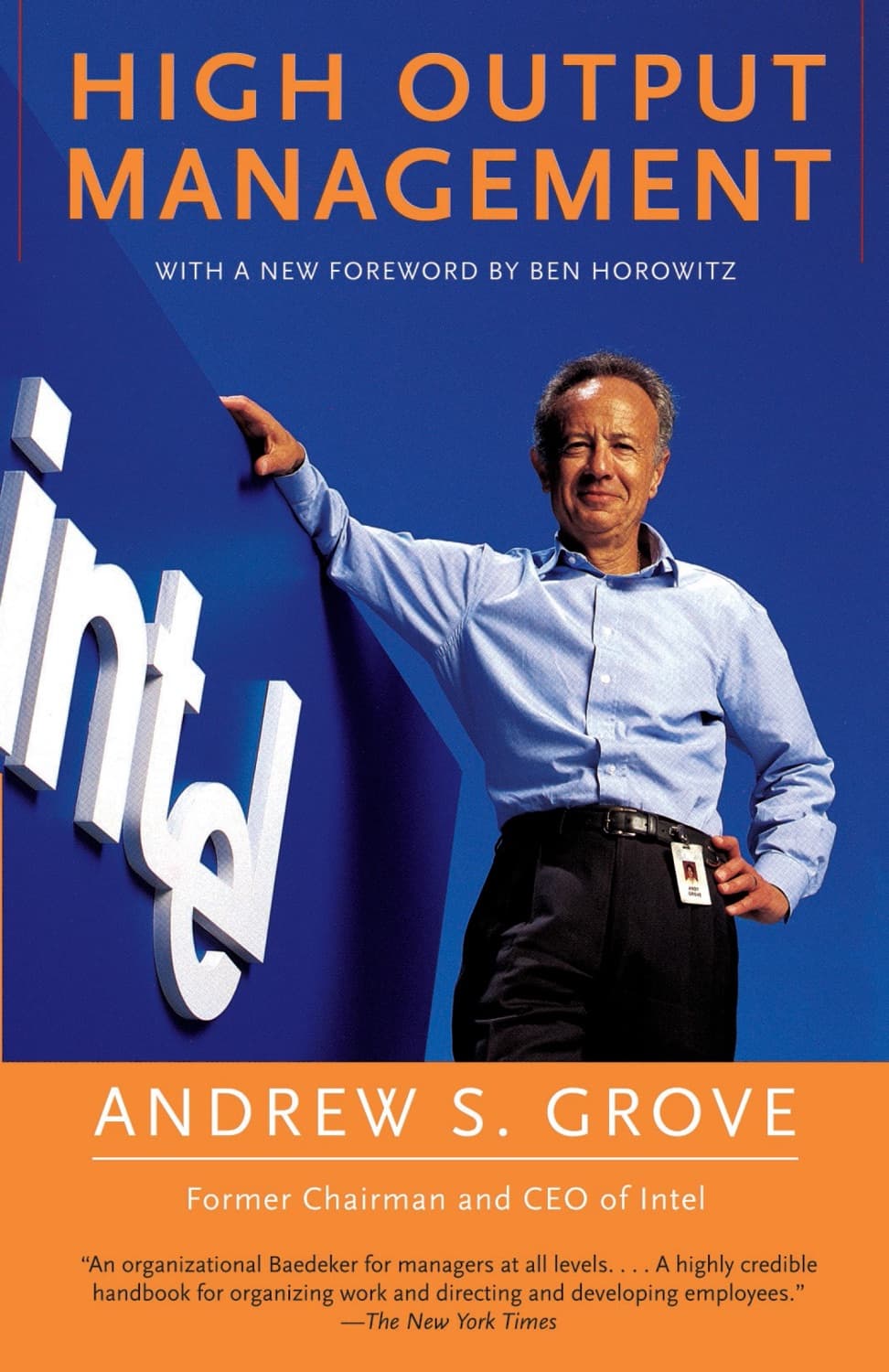
High Output Management
Andrew S. Grove
You learn to treat management like engineering: define the output, instrument the process, and review results relentlessly.
Manage by objectives and review output weekly
Grove gives you a durable management operating system: team goals, meeting cadence, and one-on-ones designed to protect focus. That matters in startups where “busy” easily replaces measurable progress.
The Manager's Path
Camille Fournier
Within weeks, you stop being the technical bottleneck and start scaling decisions by designing the right leadership behaviors.
Delegate by leveling up others
Fournier maps leadership growth in fast-moving technical organizations, with an emphasis on coaching, delegation, and aligning with engineering reality. It helps new startup managers learn how to lead without trying to out-code the team.

Radical Candor: Fully Revised & Updated Edition
Kim Scott
Trust grows faster when feedback is specific, timely, and paired with genuine care for the person behind the work.
Feedback plus care beats vague niceness
Scott’s framework helps new managers give clear correction without turning every issue into tension. In startups, that means fewer silent misunderstandings and fewer “surprise” performance problems.
First, break all the rules
Marcus Buckingham, Curt Coffman
Great managers do not “fix weaknesses” first: they build performance by selecting and developing talent themes.
Focus on strengths, not effort alone
This book reframes leadership away from generic best practices and toward behavior and motivation that sustain high performance. For first-time startup managers, it offers a way to coach individuals quickly when there is no time for long role redesigns.

An Elegant Puzzle
Will Larson
Your organization stops feeling chaotic when you treat work as a set of interacting systems, not a pile of tasks.
Treat org design like a system
Larson offers practical operating advice from engineering leadership, helping you understand how to scale decisions, communication, and ownership. For startup managers, it reduces the usual “we’re growing so everything breaks” spiral.
The First 90 Days with Harvard Business Review article "How Managers Become Leaders" (2 Items)
Michael D. Watkins
Early moves determine whether you gain credibility by learning the reality or by flailing in it.
Prioritize learning, then align quickly
Watkins helps you structure the transition into management when stakes are high and relationships are still unformed. For first-time startup managers, that early clarity reduces misalignment, politics, and wasted effort.
Can we tailor this list for you?
Type your question in the bar below and the AI will tailor a fresh set of picks just for you.