Best Books on How to Manage Former Peers
Managing former peers means shifting relationships without breaking trust: books like Julie Zhuo’s The Making of a Manager and Kim Scott’s Radical Candor give language for the care and authority pivot.
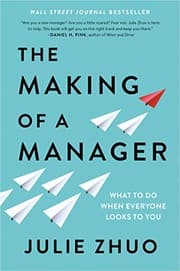
The Making of a Manager
Julie Zhuo
You stop “being liked” as the job and start “making the team stronger” by setting expectations, giving feedback, and coaching outcomes.
Run 1:1s to coach, not to catch up
Zhuo translates day-to-day management dilemmas into specific decisions: how to delegate, run 1:1s, and handle misalignment when you used to be a peer. That matters when the same people you worked beside now watch for fairness, clarity, and follow-through from you.
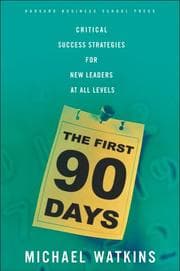
The First 90 Days with Harvard Business Review article "How Managers Become Leaders" (2 Items)
Michael D. Watkins
Your first mandate is to reduce ambiguity fast by making a credible plan for stakeholder alignment and early wins.
Use a transition plan to anchor authority
Watkins gives a transition lens for new managers who must earn authority while inheriting existing relationships and rhythms. For former peers, that means creating momentum and clarity so respect is built on results and priorities, not nostalgia for the old roles.
The New One Minute Manager
Ken Blanchard, Spencer Johnson, M.D.
Short, frequent feedback replaces vague intent: clarify goals, confirm progress, and correct misunderstandings quickly.
Set goals together, then follow up
The book offers simple scripts for setting expectations and keeping communication crisp, which helps when former peers are testing what changed. It matters because the smallest slippage in clarity can be interpreted as favoritism or passivity.
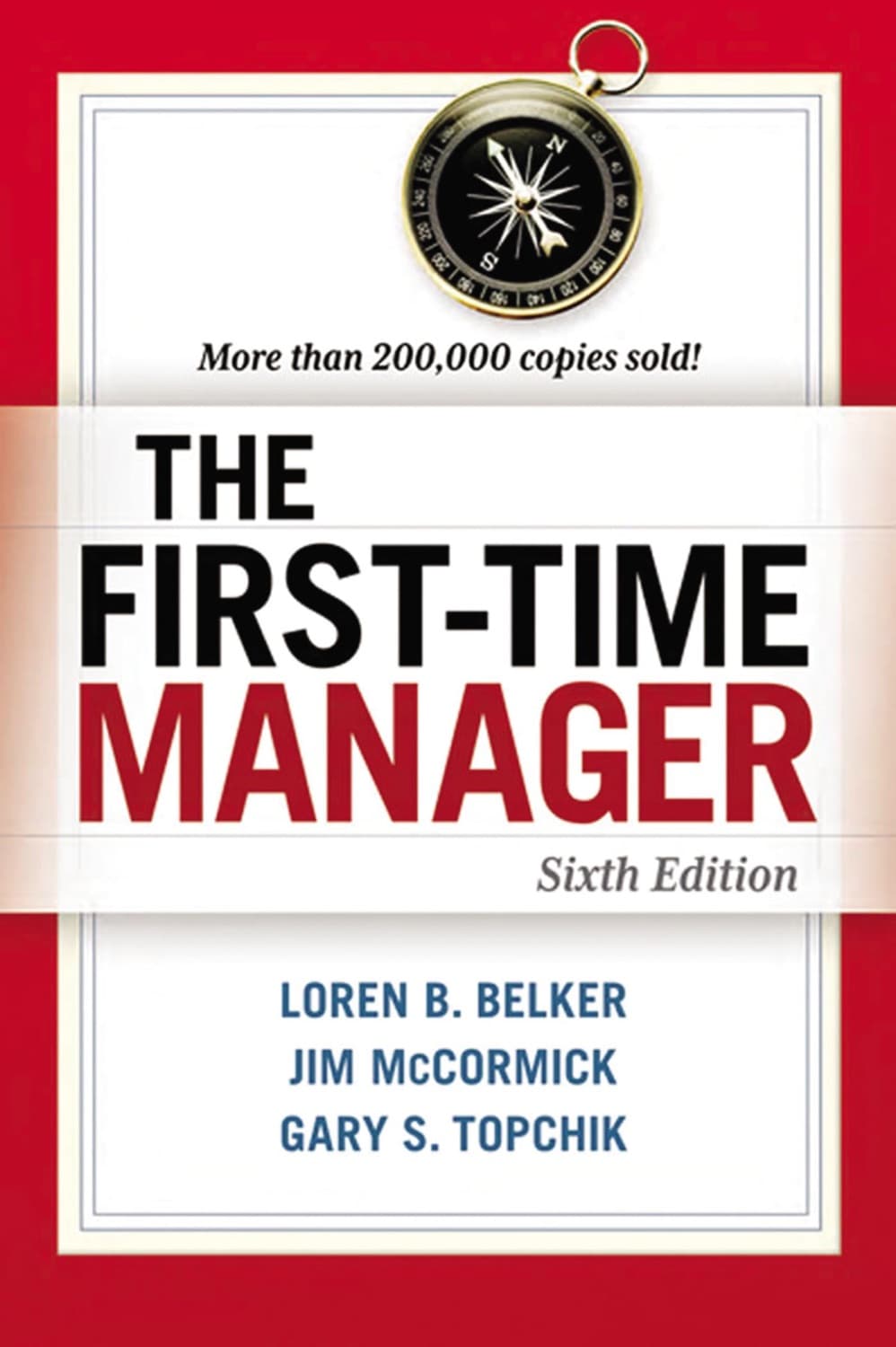
The First-Time Manager
Loren B. BELKER, Jim MCCORMICK, Gary S. TOPCHIK
Promotion friction becomes predictable when you treat boundaries, role changes, and decision rights as deliberate systems.
Define boundaries early to prevent favoritism
This handbook focuses on the real social mechanics of the peer-to-boss shift: what to change, what to protect, and how to respond when the old team dynamic pulls you off course. It’s especially useful for former peers because “we used to” conversations can undermine accountability unless you name the new rules.

Radical Candor: Fully Revised & Updated Edition
Kim Scott
You build trust by pairing direct feedback with genuine concern, so former peers learn you care and you can still disagree.
Care personally, challenge directly
Radical Candor gives a practical way to navigate one of the hardest post-promotion tensions: being kind without going silent. That combination helps you manage relationships with former coworkers who may confuse honesty with disrespect.
Managing Transitions
William Bridges
People don’t resist change as much as they resist the emotional ending of the old role.
New beginnings require endings too
Bridges helps you distinguish external shifts from internal transitions, which is crucial when you and your former peers are both adjusting. If you treat the relationship shift as an “ending” that needs support, you reduce resentment and keep collaboration intact while authority settles.
Use a transition plan to anchor authority
Crucial Conversations
Kerry Patterson, Joseph Grenny, Ron McMillan, Al Switzler, Stephen R. Covey
You defuse conflict when you keep dialogue safe, focused, and truth-telling instead of slipping into silence or violence.
Start with heart, then state facts
When former peers disagree, the stakes feel personal: history plus hierarchy creates risk. This book teaches how to talk through tension without damaging trust, so you can correct course and maintain credibility as the new boss.
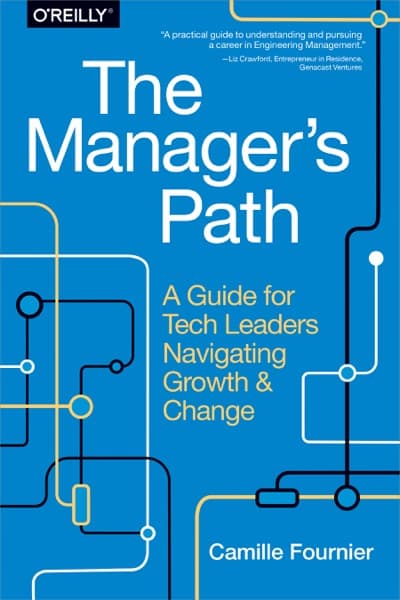
The Manager's Path
Camille Fournier
You stop trying to be the best doer and start designing clarity, feedback, and systems that let others succeed.
Your job is to create alignment and leverage
Fournier’s approach is grounded in how managerial work actually changes your daily behaviors, not just your intentions. That shift is exactly what former peers need to see: you’re not reverting to peer coordination, you’re operating as the person accountable for decisions and outcomes.
It's Okay to Manage Your Boss
Bruce Tulgan
Your effectiveness depends on managing up, so your team doesn’t get trapped in the chaos of competing priorities.
Manage up to protect your team’s priorities
Although it’s about your boss, the impact is direct when you’re leading former peers: you need bandwidth and permission to set direction, resolve friction, and protect your team from unclear mandates. The book strengthens your ability to advocate for resources and clarity, which makes your authority feel legitimate.
Your First Leadership Job
Tacy M. Byham, Richard S. Wellins
Leadership accelerates when you use assessment and targeted development to close skill gaps that peer status can hide.
Use development focus to earn authority
This book supports the first-time leader in building capability that former peers can’t infer from your past role. That matters because credibility often comes from visible growth: learning how to delegate, communicate expectations, and run performance with fairness.
Can we tailor this list for you?
Type your question in the bar below and the AI will tailor a fresh set of picks just for you.